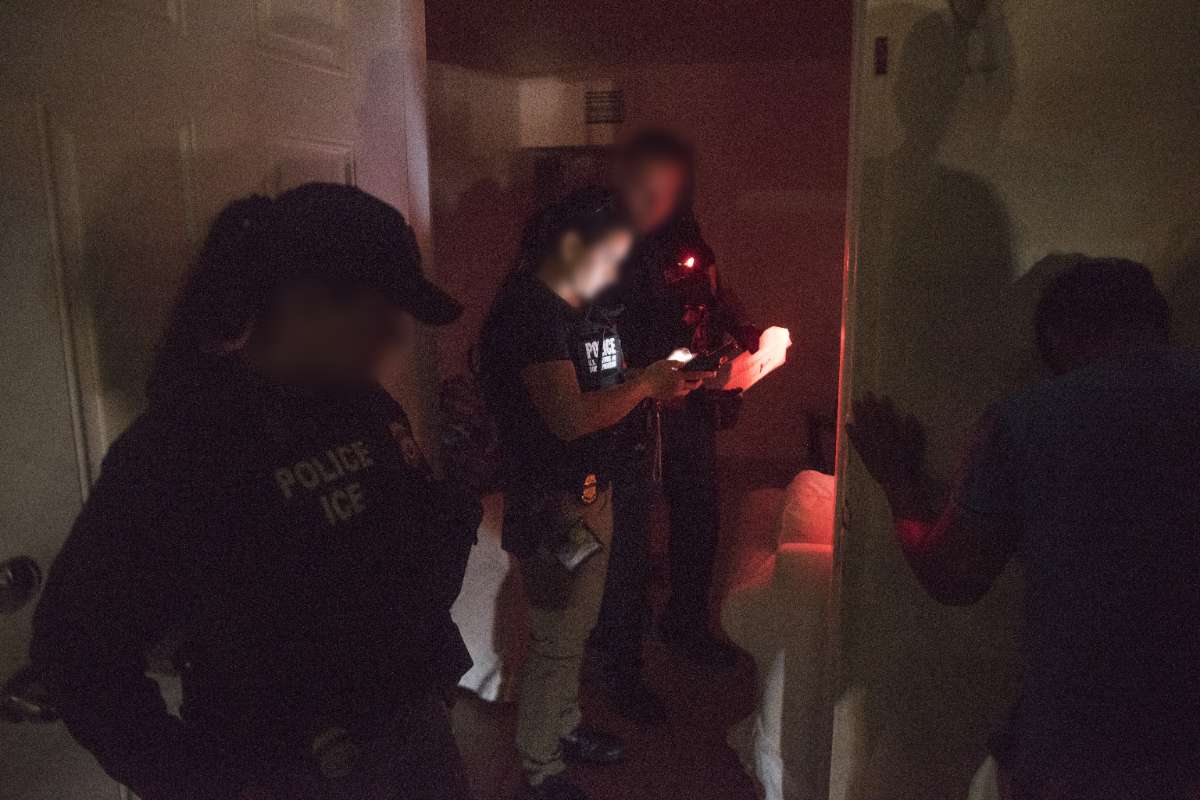
(CROWBOROUGH, EAST SUSSEX, UK) — Residents in Crowborough challenged UK Home Secretary Shabana Mahmood in court over Home Office plans to use a former army training centre near the town to house up to 540 asylum seekers.
The residents’ group, Crowborough Shield, formed to seek a judicial review of the Home Office’s decision-making process, citing what it described as failures in consultation and transparency.

The dispute has drawn in local government as Wealden District Council joins residents in funding the legal action, setting up a test of how central decisions on asylum accommodation land in the communities expected to host them.
Campaigners in Crowborough argue the plan risks overwhelming a town in East Sussex, at a moment when ministers face pressure to move people out of hotels and into larger sites and other forms of accommodation.
Crowborough Shield has put campaigner Kim Bailey at the forefront of the challenge, as the group asks the court to scrutinise how the Home Office reached its decision and how it communicated that process locally.
Wealden District Council, led by Liberal Democrat councillor James Partridge, is contributing taxpayer funds to the lawsuit alongside residents, questioning why citizens must sue the government, which will defend itself with public money.
The Home Office and Mahmood stand as the targets of the court challenge, with campaigners and the council seeking to force greater disclosure and engagement around a plan that they say took shape without adequate local input.
Decision-making authority for asylum accommodation sits with central government, but the impacts fall on a single town and its services, campaigners argue, as they try to shift the balance toward local involvement.
The former military site lies about a mile from Crowborough town centre and previously served as an army training centre for cadets until late 2025, campaigners said.
Several dozen asylum seekers have already arrived, though the Home Office has not confirmed the exact figure, leaving residents and councillors arguing over what the current use of the site means for the scale that could follow.
Crowborough Shield has framed the proposals as a move to house hundreds of people at the location, and campaigners have described those expected as mostly male asylum seekers who lack work rights.
Bailey called the plan “a disaster in the making” and accused the government of using the town as an example to deter other challenges.
Campaigners have also argued that the proposed accommodation poses safety risks, though they have not publicly set out detailed evidence in the account of the dispute.
The legal route Crowborough Shield seeks involves judicial review, a process that tests the lawfulness of how a public body makes a decision rather than rerunning the wider political debate over asylum policy.
At this stage, the question before the court centres on process: whether the Home Office acted properly in reaching its decision and whether it met duties around consultation and transparency as the challengers allege.
The High Court was scheduled to decide on Wednesday whether to grant permission for the judicial review, a step that determines whether the challenge can proceed to a fuller hearing.
If the judge grants permission, the case can move into a more detailed examination of the Home Office approach, and the government would need to respond in court to the allegations raised by residents and the council.
Refusal of permission would leave campaigners weighing what options remain, while still facing a policy direction that ministers say is designed to make the asylum system cheaper and less reliant on temporary accommodation.
For the council, the decision to spend public money reflects what it describes as a conflict between local accountability and national control, with Partridge questioning why residents must litigate to get answers.
The Home Office has not confirmed the number of asylum seekers already at the site, a gap that has fed local concern about what is happening now and what could happen next.
Campaigners have linked their objections to the demographic they expect at the site, saying it would be mainly male adults, while also noting that asylum seekers generally lack work rights while claims are pending.
Those arguments have become a central part of the public case being made in Crowborough, as opponents say the project will change the character of the area and strain public services.
The government’s wider asylum accommodation strategy sits behind the dispute, with ministers aiming to end hotel use for asylum seekers by 2029.
That aim has driven a shift toward large sites and dispersal housing, framed by government as a way to cut costs and remove migration incentives, and it has put towns like Crowborough in the spotlight as new locations come under consideration.
Residents and councillors in Crowborough see their case as part of that national push, while stressing that they want decisions to come with clearer information and local consultation.
The battle over the former training centre reflects how quickly the policy has moved from national commitments to local realities, with a single site becoming the focus for arguments over transparency, democratic input and community impact.
Campaigners argue the government treated Crowborough as a test case to discourage other communities from resisting similar plans, a claim that has sharpened the tone of the local campaign.
The council’s role adds another layer, by turning a residents’ dispute into a legal confrontation backed by a local authority and funded partly by taxpayers.
Nationally, the case arrives as more communities track how the Home Office selects sites and how much notice local leaders receive before asylum seekers arrive.
Supporters of the Home Office approach argue that the government must find accommodation quickly, while opponents in Crowborough say speed cannot come at the cost of local process and clear information.
Within Crowborough itself, sentiment has not been uniform, with some empathy for asylum seekers alongside what campaigners described as predominant concern over community impacts.
That mix has shaped public debate, as residents try to distinguish between views on immigration and questions about planning, consultation and the use of a former military site close to the town centre.
For Bailey and Crowborough Shield, the judicial review attempt seeks to force a clearer accounting of how the Home Office weighed the consequences locally before deciding to move ahead.
For Partridge and the council, the challenge has become an argument about the proper use of public funds on both sides, as the government prepares to defend itself with public money while the council finances a fight it says residents should not have to bring.
The High Court’s Wednesday decision on permission will be watched beyond East Sussex, with potential implications for other proposed asylum sites if the court sets expectations around consultation and transparency in future accommodation decisions.
Whatever the judge decides, the case has already turned Crowborough into a focal point for the national tension between the government’s pledge to end hotel use by 2029 and the resistance that can follow when large sites appear on a town’s doorstep.
Crowborough Shield Push Sees Kim Bailey Launch Judicial Review
Crowborough Shield and Wealden District Council are challenging the UK Home Office’s decision to convert a former military site into asylum seeker housing. The legal action focuses on the decision-making process, citing inadequate local consultation. As the High Court weighs whether to permit a judicial review, the case serves as a test for the government’s strategy to move asylum seekers from hotels into large-scale community sites.