- Colorado Democrats introduced SB26-005 to sue federal immigration agents in state court for constitutional violations.
- The legislation aims to strip agents of immunity defenses including sovereign, qualified, and supremacy clause immunity.
- Proposed companion bills would require visible identification for all law enforcement officers during operations within the state.
COLORADO — Colorado Democrats introduced Senate Bill 26-005 on Tuesday to let people sue federal immigration agents in state court and to tighten oversight of DHS operations, as lawmakers and the Trump administration clash over enforcement tactics.
SB26-005 passed its first committee vote in the Senate Judiciary Committee on February 2, 2026, a procedural step that keeps it moving through Colorado’s legislature.

Supporters cast the bill as a way to create legal remedies when federal officers violate constitutional rights during immigration operations in Colorado.
Federal officials, meanwhile, have pointed to steps they say DHS is taking nationally, including an expansion of body-worn cameras for DHS law enforcement.
The push in Colorado comes amid heightened national debate over immigration enforcement and DHS actions, with state and federal officials trading sharp public statements about accountability and oversight.
Tensions escalated in early 2026 as states and cities that embrace “sanctuary” policies faced stepped-up federal activity, and as lawmakers pressed DHS for more transparency around arrests, detention, and the conduct of officers.
Colorado Democrats tied their package to recent flashpoints beyond the state, including a federal enforcement initiative and a federal court fight over congressional access to detention centers.
Senate Bill 26-005, the centerpiece of the package, creates a state-law “cause of action” that allows individuals to sue federal immigration agents in Colorado state court for violations of constitutional rights.
The bill describes the kinds of harms it targets as including illegal searches, excessive force, or denial of due process.
Backers also designed SB26-005 to limit typical defenses that can block civil claims against government officials.
The legislation strips agents of sovereign immunity, qualified immunity, and supremacy clause immunity in these state-level civil cases.
Colorado Democrats also linked the bill to companion and forthcoming oversight measures aimed at identifying officers during enforcement operations and increasing transparency around DHS tools and detention conditions.
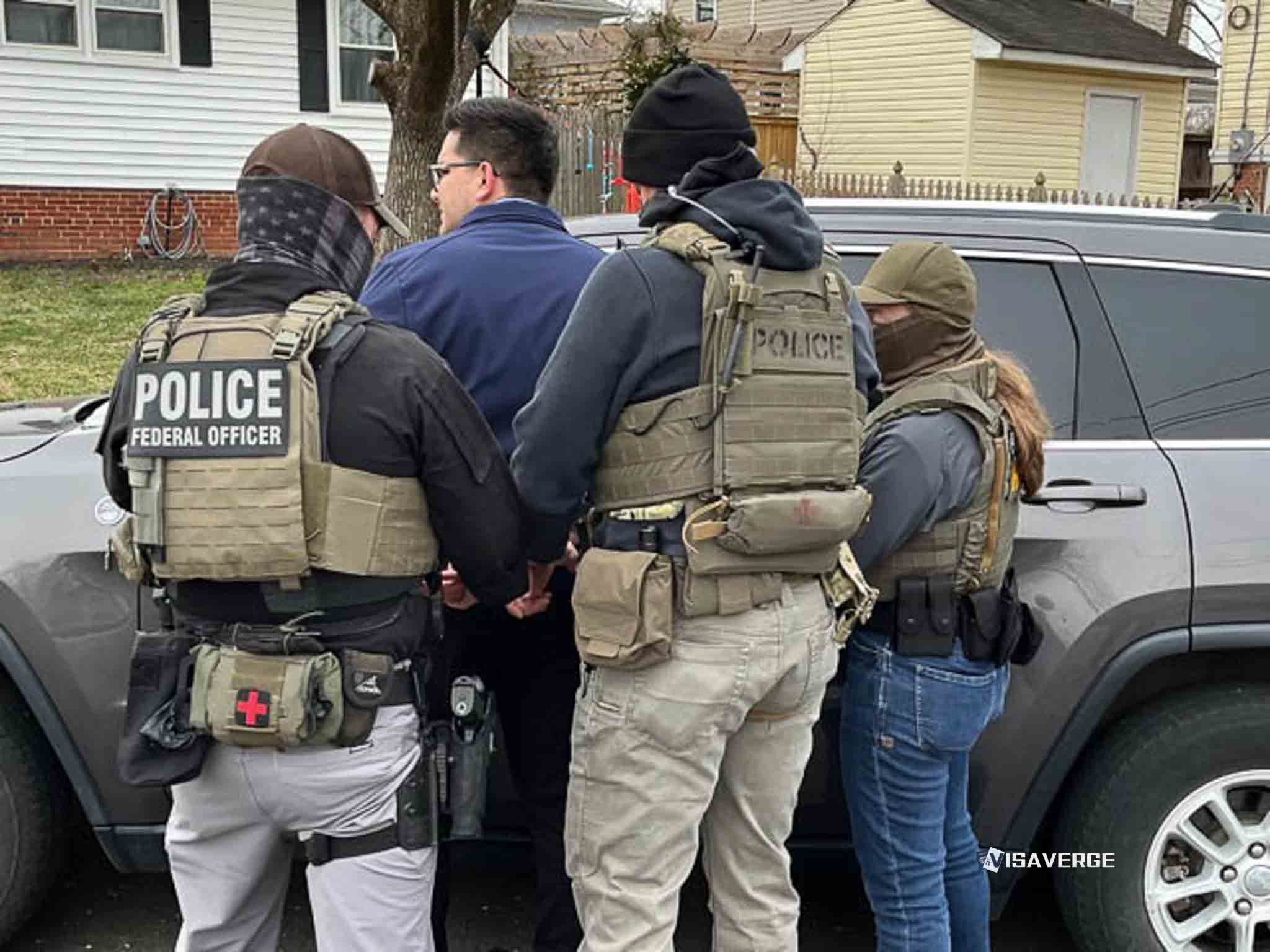
A companion “anti-masking” bill, slated for mid-February, requires all law enforcement officers, including federal agents, to wear visible identification and badge numbers on their outermost clothing.
Under the companion proposal, agents who refuse could be held liable for “impersonating a peace officer.”
Lawmakers also discussed additional measures that include requiring the state to publicly report all DHS subpoenas and mandating state health and environmental inspections for federal detention centers.
Rep. Yara Zokaie, a Democrat from Fort Collins, framed the legislation as an effort to deter wrongdoing by officers who operate in Colorado during immigration actions.
“My message to ICE agents: ‘I was just following orders’ is no excuse for committing atrocities. An ICE agent that violates the law should be arrested,”
said Zokaie, in comments dated February 2, 2026.
Sen. Mike Weissman, a Democrat from Aurora, argued that rights must come with enforceable remedies when government actors overstep.
“There is no more American idea than equality under the law. where there are rights, there have to be remedies when those rights are violated,”
said Weissman, also on February 2, 2026.
At the federal level, DHS Secretary Kristi Noem announced a nationwide expansion of body-worn cameras for DHS law enforcement on February 2, 2026.
“We will rapidly acquire and deploy body cameras to DHS law enforcement across the country,”
Noem wrote on social media.
Colorado Democrats also pointed to a separate accountability fight in Washington that touched on oversight of federal detention centers.
Assistant Democratic Leader Joe Neguse, who represents Colorado’s 2nd congressional district, commented after a February 2 federal court ruling that blocked a DHS policy restricting congressional visits to detention centers.
“The Court’s decision. against ICE’s unlawful effort to obstruct congressional oversight is a victory for the American people,”
Neguse said.
Supporters of SB26-005 described the bill as a “toolbox” for Coloradans—including U.S. citizens and non-citizens—to seek damages for injuries sustained during enforcement encounters.
They portrayed the legislation as responding to the friction that arises when federal immigration agents operate in a state whose leaders want stronger checks on how arrests, searches, and detention decisions unfold.
The enforcement atmosphere that shaped the bill’s debut included “Operation Metro Surge,” which Colorado Democrats cited as part of the early-2026 context for their proposals.
The bills were described as a direct response to federal enforcement actions tied to fatal shootings in Minneapolis in January 2026.
The incidents cited were the fatal shootings of Renee Good and Alex Pretti, both described as U.S. citizens, by federal agents in Minneapolis in January 2026.
Detention oversight and conditions have also become central talking points in the broader debate, with advocates and politicians pressing DHS over what happens after arrest.
Advocacy groups labeled 2025 as the “deadliest year” for federal immigration facilities in decades, citing rising deaths in custody and use-of-force incidents.
Beyond questions of officer conduct, the fight over DHS accountability spilled into federal funding talks late last month.
Disagreements over DHS accountability measures led to a partial government shutdown in late January 2026.
A temporary two-week funding deal was reached on January 30 to allow for negotiations on “guardrails” for ICE operations.
Colorado’s legislative package moved as those national negotiations continued, and as state leaders weighed how far to go in trying to subject federal agents to state-court claims and state oversight regimes.
A fiscal analysis of SB26-005 estimated a $3.3 million annual cost beginning in FY 2026-27.
That estimate was predicated on roughly 13 new cases per year against state and federal employees, reflecting the bill’s expectation that new claims would be filed and administered once a state-law cause of action exists.
Supporters have argued the bill’s scope covers encounters that result in injuries and alleged constitutional violations, regardless of the person’s citizenship status, as long as the events occur in Colorado.
The projected costs, in that framing, are tied to case volume and the associated litigation and administration work that follows.
Legal experts expect the Trump administration to sue to block the law, supporters said, casting the bill as likely to draw immediate court challenges over a state’s ability to reshape liability rules for federal agents.
Backers pointed to a parallel in ongoing litigation against a recently passed oversight law in Illinois, using that dispute as an example of how state-federal conflicts over immigration enforcement can land quickly in court.
The committee action on February 2 marked the first formal vote for SB26-005, and Colorado Democrats indicated they want the bill to keep moving while the companion identification proposal comes forward in mid-February.
That timing links the bills politically and substantively, with lawmakers arguing that identifying officers and creating liability for violations work together as accountability measures.
The late-January federal funding fight also remains part of the calendar around DHS oversight, after the January 30 two-week deal set a short runway for negotiations on “guardrails” for ICE operations.
Colorado Democrats have framed the state legislation as a response to enforcement operations they say have tested the limits of oversight, while DHS has highlighted policy steps it says address accountability at a national level.
In public statements, Democrats backing SB26-005 have emphasized the bill’s focus on constitutional-rights violations and the idea that federal agents should not escape civil liability through defenses they describe as barriers to accountability.
DHS, for its part, has publicized enforcement updates and announcements through official channels as the political fight intensifies.
Official outlets referenced for statements and updates include the DHS Newsroom, which includes enforcement updates and releases such as arrest reports tied to “Operation Metro Surge.”
Colorado Democrats have also pointed to announcements and background from the Colorado House Democrats Press Office, which provided details on the bill package unveiling.
Neguse’s February 2 statement circulated via his official House channel at neguse.house.gov.
Separate agency policy updates and official announcements for 2026 also appear through the USCIS Newsroom, which publishes agency statements and updates.
The most recent dates driving the Colorado push, including the February 2 committee vote and the February 2 statements from state and federal officials, sit alongside January 2026 events that lawmakers cited as catalysts.
Those events include the January 30 two-week funding deal tied to negotiations on “guardrails” for ICE operations, and the January 2026 Minneapolis shootings Colorado Democrats cited in describing why they want tighter accountability for federal agents.
As SB26-005 advances, Democrats backing the legislation have kept their focus on remedies and identification, while federal officials have emphasized national steps such as expanding body-worn cameras and defending DHS policies now under court scrutiny.