(PORTLAND, OREGON) Newly released cockpit audio from an October 2023 Alaska Airlines incident lays bare the panic in the flight deck as an off-duty pilot riding in the jump seat allegedly tried to shut down both engines on Horizon Flight 2059, forcing the crew to divert to Portland International Airport (PDX) and raising fresh questions about how airlines and regulators handle pilot mental health.
What happened on Horizon Flight 2059
The recording, taken on the short regional trip from Everett, Washington, to San Francisco, captures the moments when off-duty pilot Joseph Emerson reached for the fire suppression handles — the controls that, if fully engaged, starve an engine of fuel in the event of a fire.
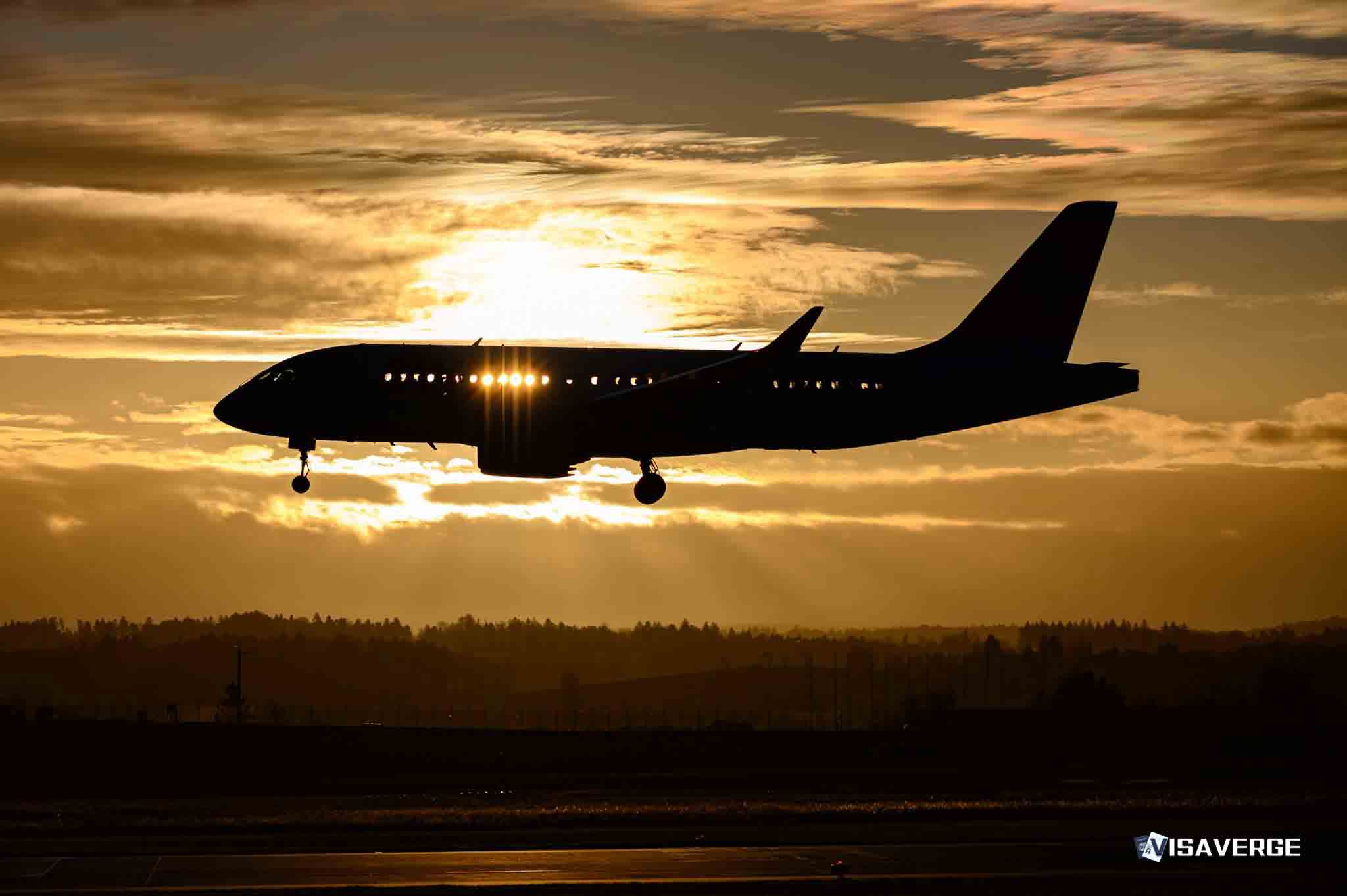
Investigators say Emerson, who had taken psychedelic mushrooms two days earlier, attempted to pull the handles and turn off the engines mid-flight. That action could have led to disaster if the operating crew had not reacted as quickly as they did.
As the struggle unfolded, voices in the cockpit shouted “Throttle! Throttle!” while the crew fought to keep power to the engines and maintain control of the aircraft. At the same time, Emerson reportedly told the pilots he was “trying to wake up,” insisting that shutting off the engines was a way to go directly to Portland. Those tense seconds, now preserved in the cockpit audio, show how quickly a routine flight can become a life-or-death emergency.
Crew response and emergency landing
The crew of Horizon Flight 2059 managed to restrain Emerson and secure the flight deck while keeping the aircraft stable. With an off-duty pilot allegedly trying to disable critical systems, the captain decided to divert, and the plane made an emergency landing at Portland International Airport (PDX).
- All passengers and crew arrived safely.
- Law enforcement boarded the aircraft on the ground in Portland and arrested Emerson.
- The incident immediately triggered a criminal investigation and a broader industry discussion about pilot wellness.
Legal outcome
Prosecutors charged Emerson with multiple state and federal offenses linked to his mid-air actions. Court records show he ultimately pleaded guilty or no contest to those charges.
| Item | Outcome |
|---|---|
| Plea | Guilty / No contest |
| Sentence | Time served + community service |
| Court orders | Drug, alcohol, and mental health assessments |
| Employment restriction | Must stay away from all aircraft |
This outcome — a rare and public fall from grace for a trained pilot — included requirements meant to address both punishment and rehabilitation.
Emerson’s statements and advocacy
In statements described by the source material, Emerson admitted he had struggled privately and did not seek help earlier because he feared it would end his career. After his arrest and court case, he helped co-found an organization focused on pilot mental health, openly acknowledging the need for more support and earlier intervention.
His shift from silence to advocacy reflects a wider change in the industry, where talking about depression, stress, and substance use is slowly becoming less taboo.
Implications for immigrant and visa-holding aviation workers
The case highlights pressures faced by immigrant pilots, flight attendants, and ground staff who hold work visas. Many in safety-sensitive roles fear that any record of mental health treatment could threaten both employment and immigration status.
Key concerns include:
– Temporary visas tied to a single employer — losing a job can mean losing the right to stay in the country.
– Reluctance to seek care out of concern for career and immigration consequences.
– Added stress for those who feel they must appear “perfect” to protect their livelihoods.
“That fear is familiar to many workers in safety-sensitive jobs,” and the Emerson case has prompted quiet conversations among airline workers born abroad.
Wider effects on travelers with immigration deadlines
According to analysis by VisaVerge.com, high-profile aviation incidents can indirectly affect travelers with pending immigration matters.
- Flight diversions or disruptions can cause missed visa interviews, asylum hearings, or family reunification appointments.
- Passengers with tight travel schedules may face extra costs rebooking tickets and hotels.
- Those affected often had nothing to do with the emergency but still bear consequences.
Industry response: reporting, support, and regulation
The Emerson case renewed focus on how airlines and regulators encourage pilots to report mental health struggles without fear of automatic punishment.
- Mental health professionals working with aircrew argue that silence can be dangerous.
- Advocates call for:
- Robust, confidential support programs
- Clear regulatory rules that reflect modern mental health science
- Reassurance that seeking help does not always mean losing a license
Official guidance on pilot medical standards and reporting requirements is available on the Federal Aviation Administration’s website at faa.gov. Advocates want that guidance to better align with up-to-date mental health practices.
Safety, training, and teamwork highlighted by the audio
The cockpit audio also underscores the intense teamwork that can protect passengers when something goes wrong.
- The crew’s rapid reaction to the fire suppression handles, their “Throttle!” commands, and the decision to divert to PDX all followed core training principles.
- Safety experts say the ability of front-line staff to apply training under stress often decides whether an incident becomes a tragedy or a close call.
- For immigrant crew who trained abroad, the case is a reminder of the importance of common procedures and shared cockpit language.
Legal and cultural messages
Legal consequences in cases like Emerson’s send a broad message:
– Tampering with flight controls is a serious crime, regardless of rank or experience.
– Court-imposed conditions — community service, mandatory treatment, bans from aircraft — reinforce that message across the workforce, including those who came to the 🇺🇸 United States as students or skilled workers.
At the same time, Emerson’s post-incident advocacy points to another path: prevention. Instead of viewing the episode solely as a criminal act, his work has pushed the conversation toward how to reach aviation workers earlier before judgment becomes impaired.
Key takeaways
- The emergency diversion of Horizon Flight 2059 ended without physical harm, but the incident exposed unresolved questions about mental health, career fear, and duty to protect everyone on board.
- Airlines, regulators, and workers — including many who arrived on visas — are being forced to consider how honest they can be about mental health and how safe they want the skies to be.
The echo of “Throttle! Throttle!” and the utterance “trying to wake up” remain stark reminders: early support and safe reporting channels for aviation workers are as critical as mechanical maintenance and cockpit procedures.
Cockpit recordings show off-duty pilot Joseph Emerson reportedly tried to pull fire suppression handles mid-flight on Horizon Flight 2059, prompting urgent crew responses and a diversion to Portland International Airport. Crew restrained Emerson, ensured a safe emergency landing, and he was arrested. Emerson pleaded guilty or no contest and received time served, community service, and mandatory assessments. The incident renewed calls for confidential mental health support, especially for immigrant aviation workers fearing career and visa consequences.