(UNITED STATES) — CNN published an analysis finding ICE officers receive less training than almost any other federal agents as whistleblower testimony and internal documents shared with Congress described sharp reductions in academy time and changes to use-of-force and firearms protocols.
Ryan Schwank, a former ICE instructor, testified before Congress that new recruits are graduating without an adequate grasp of tactics or law as the agency moves to rapidly expand its ranks.
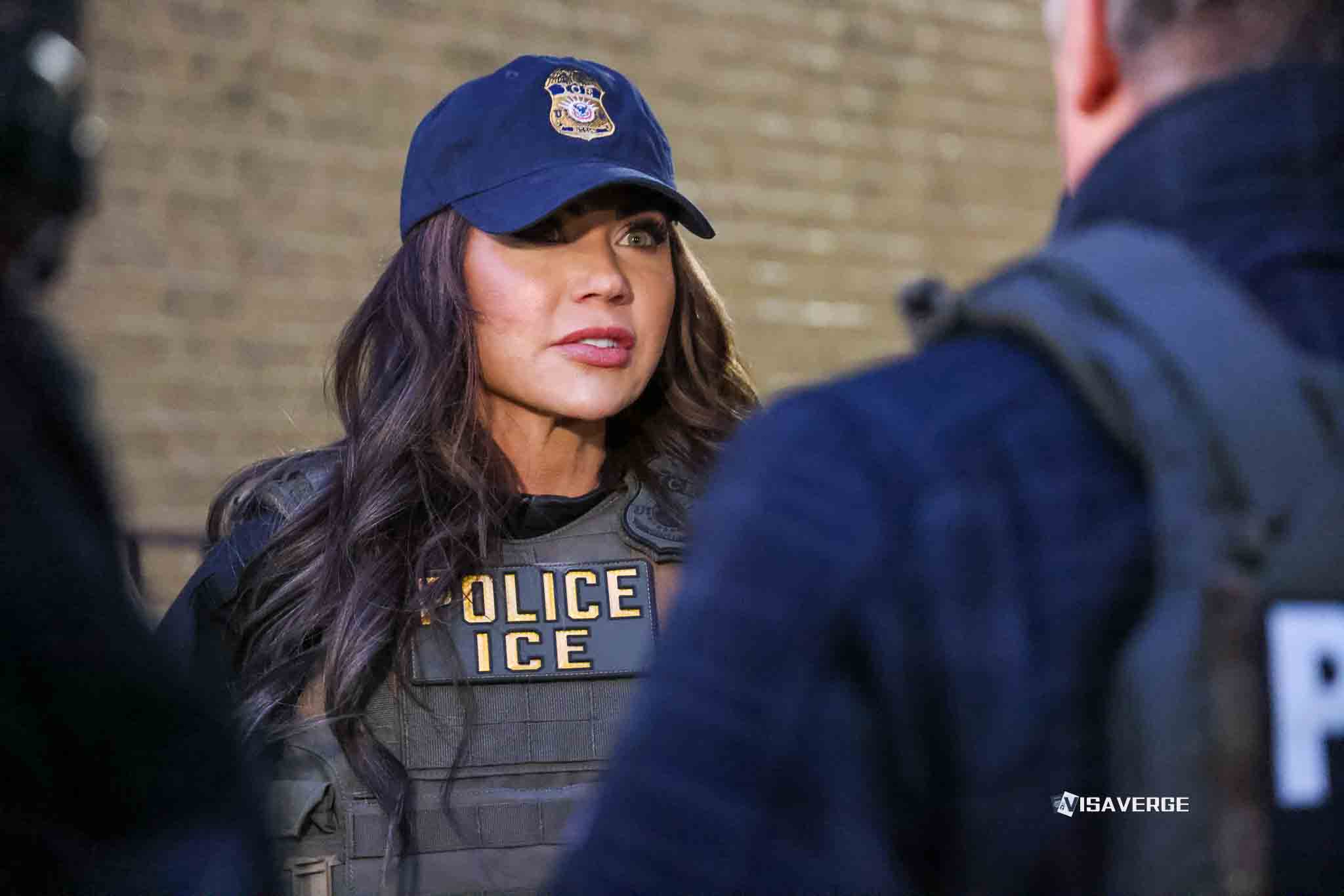
Internal documents provided to lawmakers show training dropped from 72 days in July 2025 to 42 days by February 2026, CNN reported, a shift that coincided with curriculum changes touching the skills ICE officers rely on during arrests, detention operations, and transport.
Scrutiny has centered on how shortened instruction and altered testing might affect public accountability when encounters turn physical, and on how supervisors and investigators assess force incidents when training requirements change.
The documents described multiple use-of-force courses eliminated from the program, including “Encounters to Detention,” and also cited removals tied to firearms protocols, including “Judgment Pistol Shooting.”
A January 2026 daily schedule snapshot indicated some recruits received about half the training hours of prior cohorts, CNN reported, linking the reduction to an effort to increase throughput as the agency scales up enforcement capacity.
That schedule comparison, along with a cited 30-day reduction figure, contributed to questions raised by critics and lawmakers about readiness for field work when ICE officers face fast-moving decisions that can trigger use-of-force reviews, complaints, or civil litigation.
The same materials indicated required exams covered only a fraction of topics tested four years earlier, CNN reported, raising additional concerns about how training standards get measured when recruits graduate and enter the field.
DHS, which oversees ICE, rejected the idea that the changes lowered standards and described the revisions as a reworking of how instruction is delivered rather than a reduction in what recruits must learn.
DHS said training was “streamlined to cut redundancy and incorporate technology advancements,” while maintaining that candidates still meet the same high standards and that no subject matter was cut.
Acting ICE Director Todd Lyons testified that recruits with prior law enforcement experience undergo abbreviated programs focused on Immigration and Nationality Act training, ICE-specific procedures, firearms, and defensive tactics.
Lyons’ description of an abbreviated track for experienced recruits has become part of the debate over what baseline preparation should look like for ICE officers, particularly when the job includes arrests and detention duties that can escalate into contested use-of-force incidents.
A separate analysis confirmed ICE officers receive far less firearm training than most federal agents, aligning with CNN’s conclusion in result [2], even as the reporting noted that cross-agency comparisons can be complicated by different missions and different training pipelines.
Supporters of stronger standardization often cite those comparisons when pressing for clearer minimums tied to firearms protocols, defensive tactics, and reporting requirements, while agency leaders frame internal changes as updates that preserve core competencies.
The developments followed ICE’s push to scale up enforcement amid 2025-2026 policy shifts, CNN reported, putting the training pipeline at the center of operational planning and raising questions about deployment tempo, field supervision, and incident review processes.
Lawmakers have already received the documents and heard testimony, and the debate now turns on how DHS and ICE defend the redesign, how Congress responds, and whether further internal guidance or oversight review addresses the cuts described in the materials.
CNN Finds ICE Officers Get Less Training on Use-Of-Force and Firearms
ICE faces scrutiny after internal documents showed a drastic reduction in recruit training time to accelerate agency expansion. Critics argue that cutting the academy program from 72 to 42 days compromises officer safety and public accountability, especially regarding firearms and use-of-force protocols. DHS defends the changes as a technological streamlining effort, while lawmakers investigate the potential impact on field operations and legal liability.