Unwarranted Interrogation and Deportation of Chinese Students at U.S. Border
The aspirations of many international students have been tainted by incidents of unwarranted interrogation and harassment at the U.S. border, posing serious concerns for Chinese students seeking education in America. Some of these students, armed with valid documents, are facing deportation and outright discrimination—a scenario that underscores a growing problem and contradicts the spirit of educational exchange between China and the United States.
The Ordeal of Chinese Student Li
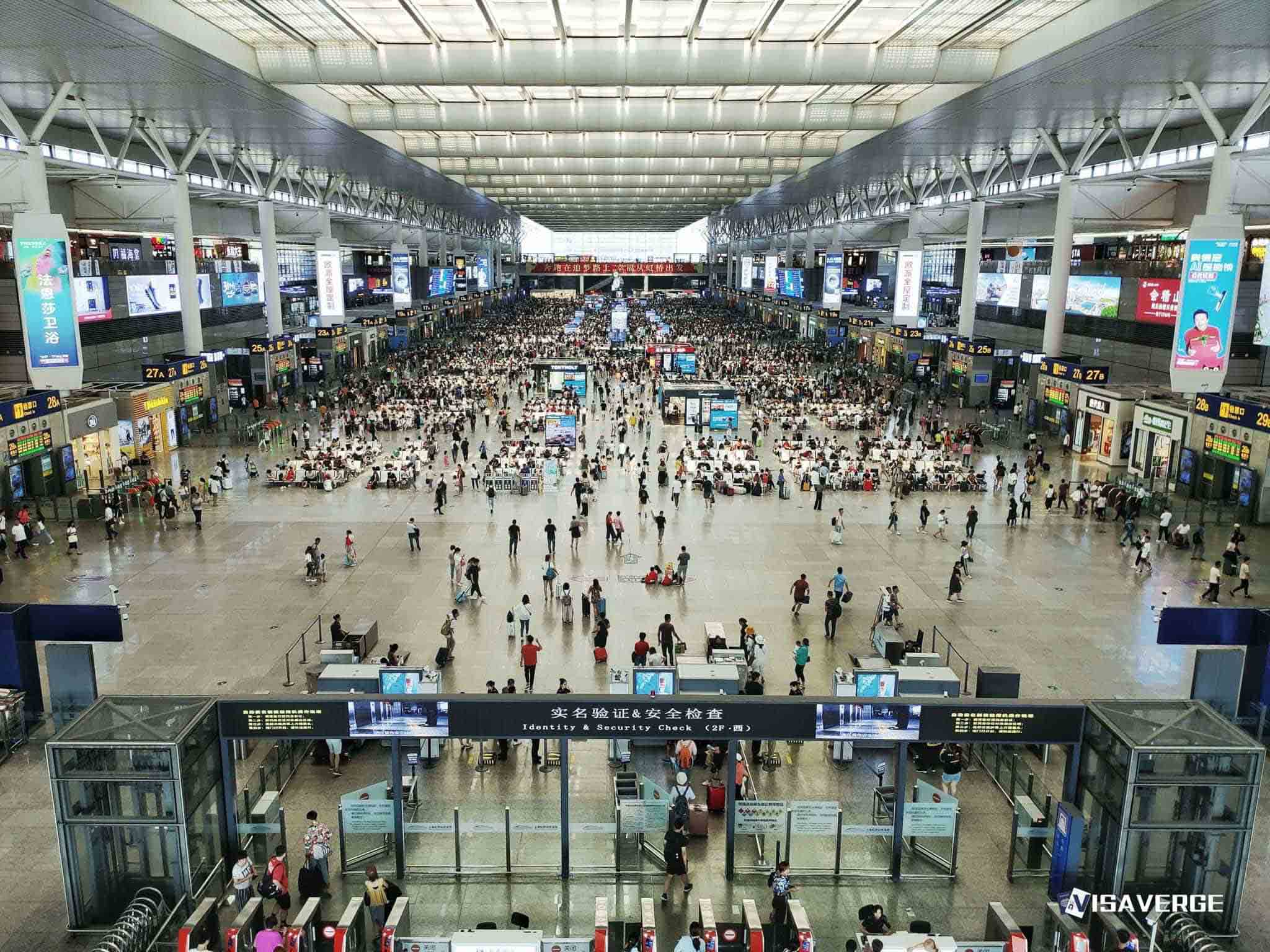
A distressing example surfaced in January 2024 when a Chinese student surnamed Li, a graduate from a top-tier Chinese university, arrived at Washington Dulles International Airport. Her anticipation for pursuing a Ph.D. in Computer Science at the University of Maryland was met with a hostile reception. She described the environment as a “small dark room,” where she underwent rigorous scrutiny by rude U.S. law enforcement officers who even accessed her personal devices and pressed her for information irrelevant to her academic pursuit.
Free toolUSCIS Receipt Number DecoderLi’s experience amplifies the plight of Chinese students at U.S. borders, as she was not only denied her request to contact the Chinese consulate during her ordeal but also faced accusations and requests for undisclosed information about the Chinese government. Despite her compliance and provision of requisite documents, she was subjected to a coerced narrative, only to be deported and issued a five-year ban after her non-cooperation in providing details on Chinese governmental operations in the U.S. An officer’s statement to Li vividly captured the grim reality:
“We don’t care about your research; blame it on being Chinese—we don’t trust you.”
A Pattern of Unjust Treatment
This incident is not isolated. Data from Chinaqw.com shows that, since late November 2023, at least eight Chinese international students with valid documents have encountered similar issues at Washington Dulles Airport. Despite China and the U.S. presidents reaching a consensus on boosting cultural exchange at their 2023 San Francisco summit, the reality unfolding at the border paints a divergent picture.
Impact on U.S. Reputation and Chinese Students’ Decisions
The disparity between the U.S. administration’s assertions of support for academic freedom and the actual treatment of Chinese students is apparent. This practice of weaponizing academic research in the guise of national security is eroding basic human rights and the legitimate rights of these students. Experts warn of a “chilling effect” this behavior will cause, which not only damages the U.S.’ international reputation but also doesn’t benefit either country involved. Prospective Chinese students are now being counseled to weigh the risks they face when considering studying in America.
Advisory for Chinese Students
In light of these troubling incidents, the Chinese Embassy in the United States issued a statement directed to students on Monday. The Embassy emphasized the importance of being cautious while choosing to enter through the Washington Dulles International Airport and provided valuable advice:
- Remain calm and rational if stopped for questioning
- Record details of the interrogating officials
- Carefully review and request copies of any documents to be signed
This information is essential for gathering proof in instances of unfair treatment. Chinese students are encouraged to report any misconduct through the official U.S. Customs and Border Protection website and seek assistance from the Chinese Embassy in the U.S.
In Conclusion
The experiences faced by Chinese students at U.S. borders, such as those faced by student Li, raise urgent questions about the state of academic freedom and international cooperation in education. As educational and governmental bodies strive for inclusivity, incidents like these undermine their efforts and create an unwelcoming environment for students who contribute significantly to academic and cultural diversity. The collective voice of affected students and the proactive stance of the Chinese Embassy highlight the need for credible remedies to ensure the rights and dignities of international students are protected.
For more information on your rights as an international student in the U.S., visit the official U.S. Customs and Border Protection website and the Chinese Embassy in the U.S. website.
Learn Today:
Glossary
- Unwarranted Interrogation – The act of questioning or investigating someone without sufficient justification or legal basis, often leading to harassment or inconvenience.
-
Deportation – The legal process of forcibly removing a person from one country and sending them back to their home country or another specified country.
-
Chinese Students – Individuals from China who are pursuing education or academic opportunities in other countries, such as the United States.
-
U.S. Border – The geographical boundary that separates the United States from its neighboring countries, where immigration officials monitor and regulate the entry and exit of individuals.
-
Discrimination – Unfair or unequal treatment of individuals or groups based on characteristics such as race, nationality, or ethnicity.
-
Educational Exchange – The process of promoting educational and cultural understanding between different countries through student exchanges and academic collaborations.
-
Ordeal – A difficult, distressing, or trying experience that a person undergoes.
-
Ph.D. – Doctor of Philosophy, an advanced academic degree awarded upon the completion of extensive research in a specific field.
-
Hostile Reception – An unwelcoming, unfriendly, or antagonistic reaction or treatment towards an individual upon their arrival or entry into a particular place.
-
Scrutiny – Close and critical examination or inspection of someone or something.
-
Law Enforcement Officers – Officials or personnel responsible for upholding and enforcing the law, maintaining order, and ensuring public safety.
-
Personal Devices – Electronic devices, such as smartphones, laptops, or tablets, owned and used by an individual for personal use.
-
Chinese Consulate – A diplomatic office or representation of China in another country that provides services and support to Chinese citizens, including consular assistance.
-
Coerced Narrative – A forced or manipulated account of events, ideas, or information that may be contrary to the truth or the individual’s own experiences.
-
Ban – A formally imposed restriction or prohibition that prevents someone from entering or accessing a particular place, often for a specified period.
-
Divergent Picture – An image or representation that contrasts or deviates from a previously established understanding or expectation.
-
Academic Freedom – The principle that protects the rights of scholars, researchers, and students to pursue intellectual inquiry, teach, learn, and express their ideas freely without interference or censorship.
-
International Reputation – The perception and esteem that a country or institution holds in the eyes of the international community, often based on its actions, policies, and treatment of individuals.
-
Human Rights – Fundamental rights and freedoms that every individual is entitled to, regardless of their nationality, race, gender, or other characteristics, as recognized by international law.
-
Chilling Effect – The deterrent impact or atmosphere of fear and self-censorship that arises from the perceived threat or risk of punishment or harm for exercising one’s rights or freedoms.
-
Counseling – Providing guidance, advice, and support to individuals in making informed decisions or navigating challenging situations.
-
Embassy – A diplomatic mission or office of one country located in another country’s capital city to represent its interests, facilitate diplomatic relations, and protect the rights of its citizens.
-
Misconduct – Improper, illegal, or unethical behavior on the part of an individual or organization.
-
U.S. Customs and Border Protection – An agency within the U.S. Department of Homeland Security responsible for ensuring the security of the country’s borders, facilitating lawful international trade and travel, and enforcing immigration and customs regulations.
-
Academic Diversity – The presence and inclusion of individuals from various backgrounds, cultures, and perspectives within educational institutions, promoting a broader range of ideas, knowledge, and experiences.
-
Remedies – Actions or measures taken to address or solve a problem, correct an injustice, or provide relief to those who have been harmed or affected.
-
Rights – Legal or moral entitlements that individuals possess, encompassing freedoms, protections, and privileges.
-
Dignities – The inherent worth, respect, and honor that each individual possesses by virtue of being human.
-
International Students – Individuals who travel to a foreign country for the purpose of studying at an institution of higher education.
-
Credible – Trustworthy, reliable, and deserving of confidence or belief.
So there you have it, folks! The mistreatment of Chinese students at the U.S. border is a serious issue that needs to be addressed. It’s disheartening to witness the disparity between the U.S. administration’s rhetoric and the actual treatment of these students. The impact on both the reputation of the U.S. and the decision-making process of prospective Chinese students cannot be denied. If you’re an international student, it’s important to stay informed and know your rights. For more information and valuable resources, head on over to visaverge.com.
This Article in a Nutshell:
Chinese students arriving at the U.S. border face unwarranted interrogation and harassment, leading to deportation and discrimination. Recent incidents highlight the discrepancy between the U.S.’ rhetoric on academic freedom and the treatment of Chinese students. The Chinese Embassy advises students to remain calm, document encounters, and report misconduct.