(CHARLOTTE, NORTH CAROLINA) Border Patrol’s brief but intense arrival in Charlotte on November 15, 2025 has left a much longer shadow than its trucks and uniforms. That day marked the first time the agency carried out immigration enforcement operations in the city without working side by side with Immigration and Customs Enforcement, better known as ICE. The unannounced shift sparked fear, confusion, and anger across immigrant neighborhoods, and many residents say the emotional damage still has not faded.
What happened on November 15, 2025
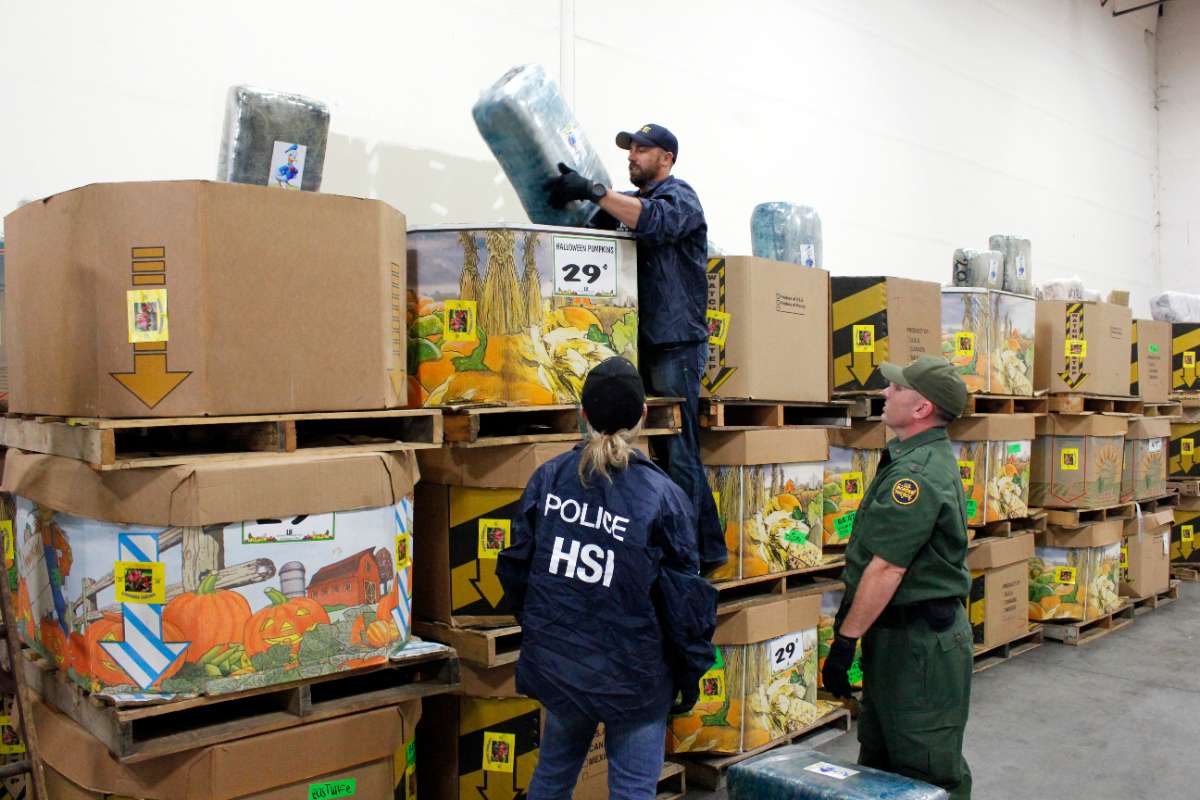
According to people who were present that week, the green-striped vehicles and armed officers appeared in parts of Charlotte where federal immigration agents were rarely seen in the past. Word spread quickly on social media and through group chats that Border Patrol was stopping people, asking for papers, and questioning residents in parking lots and near apartment complexes.
For many mixed‑status families—where some relatives have legal status and others do not—daily life suddenly turned into a careful calculation about who dared to leave home.
Reports from the community
Community groups say one of the most disturbing parts of the November operations was the number of reports from people who said they had been stopped even though they carried proper documents. Accounts include people who:
- Were on their way to work or school when officers questioned them.
- Showed valid IDs or proof of lawful stay but felt pressured to answer questions about their immigration history.
- Felt targeted for “looking foreign,” creating a sense that anyone could be a target.
There has been no formal public record of how many people Border Patrol stopped in Charlotte, but these stories created a pervasive fear.
Federal mandate and local confusion
The federal government has not issued a detailed public breakdown of what Border Patrol was seeking in Charlotte or how many arrests, if any, resulted from the actions. The agency’s broader mandate, listed by U.S. Customs and Border Protection on its official website, focuses on securing the country’s borders and areas close to them—not inland cities in North Carolina.
That gap between what residents thought Border Patrol usually does and what they saw in their own streets helped feed the sense that normal rules no longer applied.
Lack of ICE coordination and the effect on residents
Local advocates say the lack of coordination with ICE made the situation even more confusing. In many cities, ICE leads immigration enforcement inside the country, while Border Patrol focuses on the physical border. In Charlotte, however, Border Patrol officials were reportedly in charge of the November 15 operation without the usual ICE presence.
For residents, the difference between two federal badges meant little. What they saw was more federal muscle on their streets and more risk that a routine interaction could turn into a life‑changing event.
“Border Patrol left Charlotte. The damage stayed behind.”
This phrase, used by many advocates, captures the lingering anxiety and broken trust in immigrant communities.
Immediate aftermath and ongoing fear
As quickly as Border Patrol appeared, its visible presence later shrank. Trucks left, and officers stopped patrolling the same corners. But neighbors and organizers say the fear that took root has not gone anywhere.
- Parents still worry if it is safe to drive their children to school.
- Workers weigh the risk of taking jobs that require travel across town.
- People with legal status, including U.S. citizens, now report carrying passports or immigration documents at all times, afraid they may need to prove they belong in their own city.
Legal outreach and know‑your‑rights efforts
City leaders and local organizations are now left to deal with the fallout from a federal decision over which they had little control. Lawyers and volunteers report spending time explaining basic rights to residents, including:
- Most people do not have to open their door to agents without a warrant signed by a judge.
- They can ask whether they are free to leave.
- They have the right to remain silent.
According to analysis by VisaVerge.com, these know‑your‑rights efforts often spike after sudden enforcement actions, but they cannot fully erase the memory of tense encounters or the sound of a knock at dawn.
Impact on public services and community trust
Schools, churches, and health clinics in Charlotte have seen the emotional weight of November’s events. Staff report:
- Children asking whether their parents will be taken away.
- Patients skipping appointments out of fear of meeting federal agents on the road.
- Community leaders worrying that people will retreat deeper into the shadows, becoming less likely to report crimes, cooperate with police, or seek emergency help.
When trust is already thin, a surprise visit from Border Patrol can push it past the breaking point.
Broader, longer‑term consequences
Immigration lawyers note the long‑term impact goes beyond those directly stopped. Families change behavior in ways that affect work, school, and community life:
- Canceling trips or avoiding public spaces
- Stopping driving, which can cost jobs or income
- Even U.S. citizens 🇺🇸 feeling “suspect” because of accent, appearance, or last name
The message many heard: immigration status, real or assumed, can draw unwanted federal attention.
A simple table summarizing common behavioral changes and consequences:
| Behavioral Change | Common Consequences |
|---|---|
| Avoiding travel or public spaces | Lost income, missed appointments |
| Not reporting crimes | Reduced community safety/trust |
| Carrying documents at all times | Increased anxiety, sense of surveillance |
| Children’s school disruptions | Emotional and educational setbacks |
What residents and advocates want
For now, there is no clear sign when or whether Border Patrol will return to Charlotte for more immigration enforcement operations, or whether future actions would again take place without ICE coordination. Advocacy groups are pressing for:
- More transparency from federal agencies
- Better communication with local officials before any move
- Advance notice, clear rules, and assurances that people with proper documents will not be treated as if they do not belong
Until those changes happen, the memory of November 15, 2025—and the shock of seeing Border Patrol in their own streets—remains a warning of how quickly a sense of safety can disappear.
On Nov. 15, 2025, Border Patrol carried out unannounced enforcement operations in Charlotte without ICE coordination, stopping people in public spaces and prompting reports of questioning despite valid documents. The actions created widespread fear among mixed‑status families, disrupted daily life, and eroded trust in public institutions. Local organizations responded with know‑your‑rights outreach and legal assistance; advocates demand greater federal transparency, advance notice, and safeguards to protect residents with lawful status.