


Key Takeaways
- The H-1B visa enables U.S. businesses to hire foreign professionals for specialized jobs, but demand frequently exceeds annual caps.
- Biden’s reforms modernized the program, expanded eligibility, and enhanced oversight; Trump’s upcoming term may reverse or revise these changes.
- Policy shifts could challenge industries reliant on global talent, especially technology, healthcare, and finance, while raising hiring costs and delays.
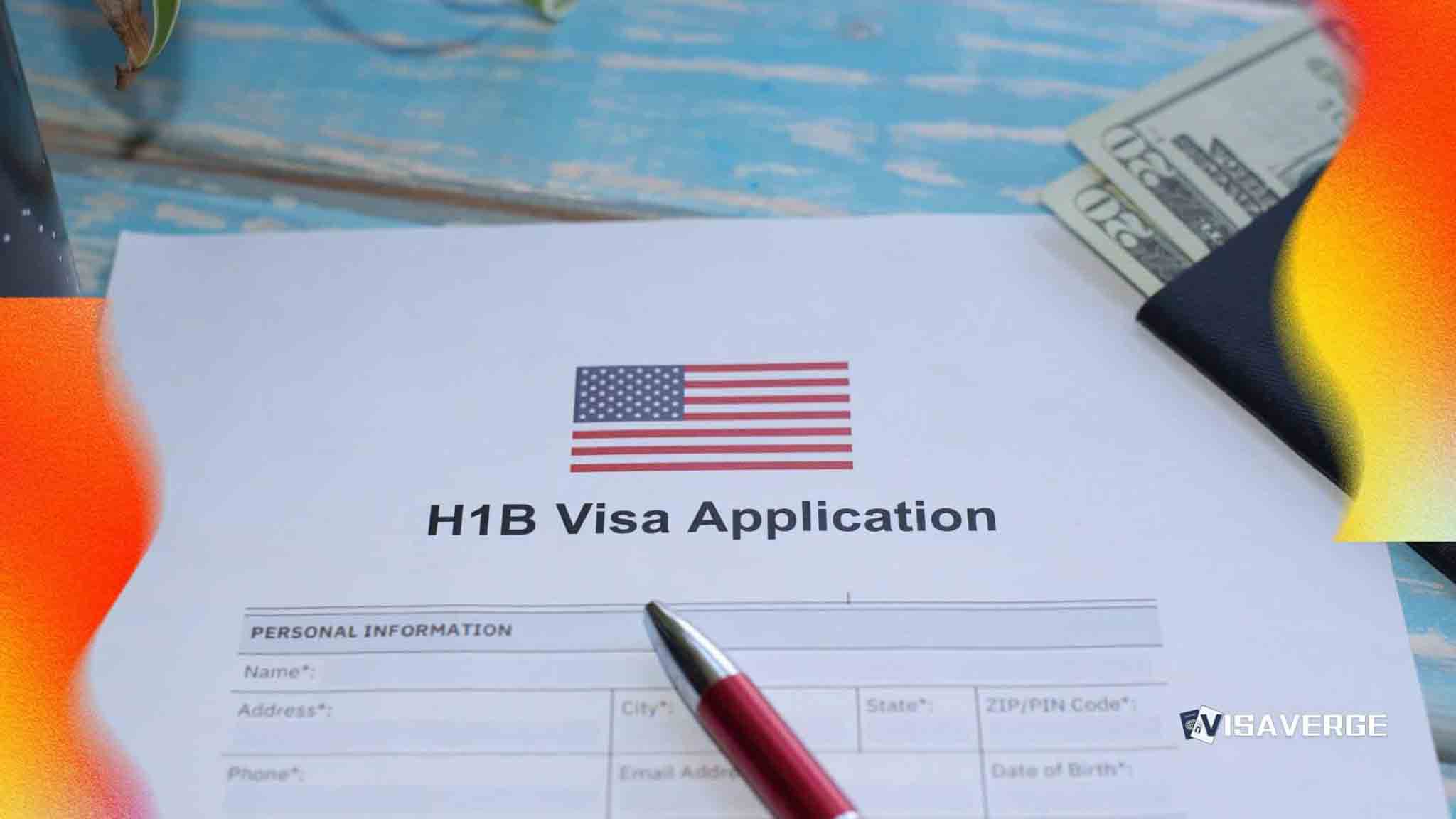
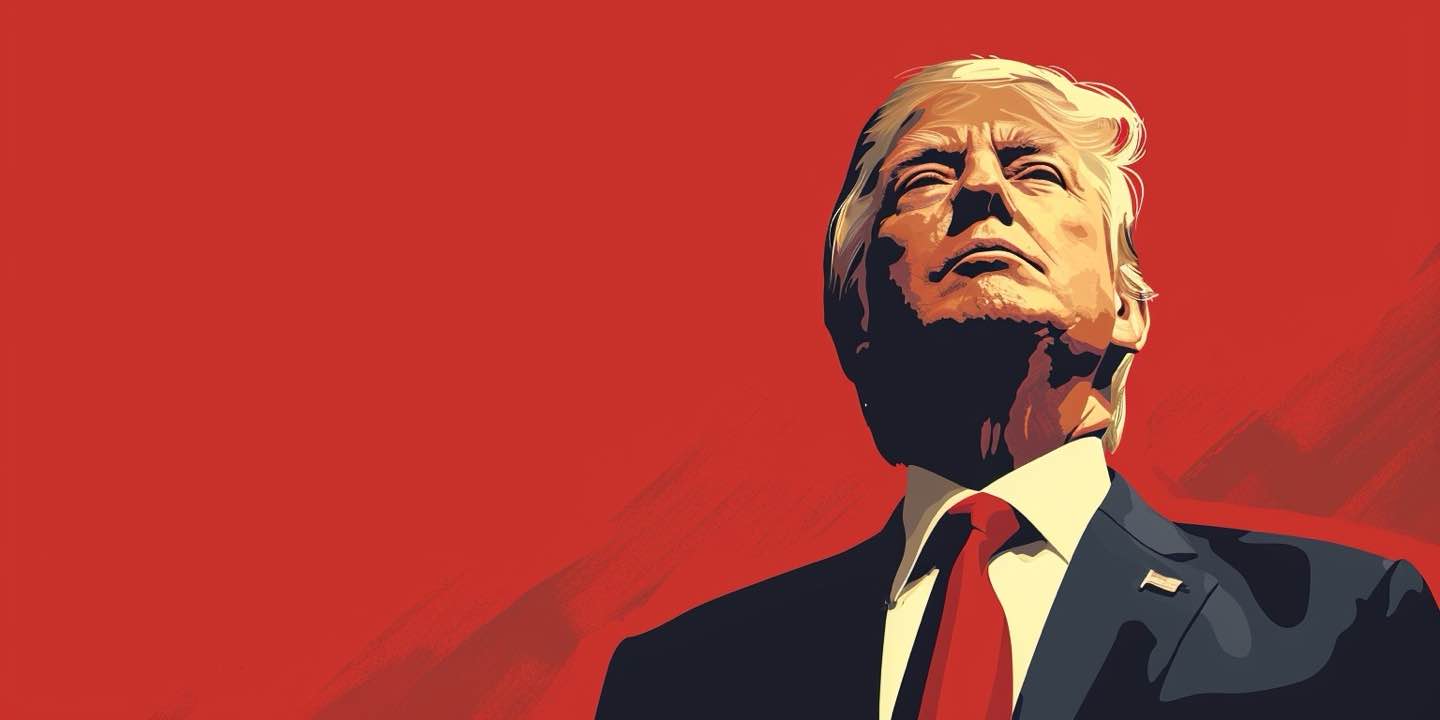
The H-1B visa program stands as one of the most pivotal tools for U.S. businesses seeking to hire skilled workers from outside the country. It allows foreign professionals in specialized fields—such as technology, science, medicine, and engineering—to work temporarily in the U.S., helping industries meet their advanced labor needs. With Donald Trump set to begin his second presidential term in January 2025, significant questions loom regarding how the H-1B program will evolve. The Biden administration introduced major updates to the program just days before Trump’s inauguration, setting the stage for potential changes or reversals that will impact employers relying on global talent.
What is the H-1B Visa Program?
The H-1B visa enables U.S. companies to hire qualified foreign workers to fill jobs requiring advanced skills and education. Known as “specialty occupations,” these positions demand knowledge and expertise in specific fields and generally require at least a bachelor’s degree. Each fiscal year, 85,000 new H-1B visas are issued—65,000 for regular applicants, and 20,000 reserved for applicants with advanced degrees from U.S. educational institutions. However, demand often outweighs availability. For example, in recent years, hundreds of thousands of H-1B petitions were filed within days of opening, forcing U.S. Citizenship and Immigration Services (USCIS) to conduct a lottery to allocate spots.
Recent Reforms by the Biden Administration
On January 17, 2025, just three days before President Biden’s departure from office, his administration introduced a series of reforms aimed at modernizing the H-1B visa program:
Free toolH-1B Cost Calculator Online- Modernization and Efficiency: The process for H-1B applicants has been streamlined through a new digital system, reducing delays and simplifying the submission process for employers and workers.
-
Expanded Eligibility: Entrepreneurs, including those with a controlling interest in their businesses, can now secure H-1B visas under certain conditions.
October 2026 Final Action DatesIndia China ROW EB-1 Feb 01, 2023 ▲109d Jul 01, 2023 Current EB-2 Nov 01, 2013 Oct 01, 2021 ▲30d Jan 01, 2025 EB-3 Jan 01, 2014 Jan 08, 2022 ▲7d May 15, 2024 ▼109d F-1 Jan 22, 2020 Jan 22, 2020 Jan 22, 2020 F-2A Sep 22, 2026 ▲31d Sep 22, 2026 ▲31d Sep 22, 2026 ▲31d -
Cap Exemptions: Nonprofits and research institutions gained broader exemptions from annual caps, allowing them to file petitions year-round.
-
Enhanced Oversight: New measures enforce transparency and restrict fraudulent practices, such as misrepresentation in job requirements or lottery manipulation.
-
Simplified Transitions: F-1 student visa holders will benefit from extended “cap-gap” periods, giving them additional time to transition into H-1B status.
These reforms were rolled out with the intention of resolving long-standing complaints about inefficiencies and fairness within the program. However, Donald Trump’s upcoming term will likely raise questions about whether these updates will be enforced, modified, or reversed.
H-1B Policy Under Trump 2.0: What to Expect
Donald Trump’s first term in office included sweeping changes to immigration policies, with the H-1B visa program facing intensified scrutiny. During his presidency (2017–2021), denial rates for H-1B petitions surged as USCIS questioned eligibility more aggressively. With Trump returning to the White House, employers should prepare for possible stricter measures in several areas:
- Stricter Eligibility Criteria:
The Trump administration could revise the definition of “specialty occupation” to narrow the range of qualifying roles. For example, employers may face tougher standards to prove that a specific college degree is necessary for the job being offered. Roles not directly tied to a specialized degree may face automatic rejections. -
Increased Enforcement:
Trump’s first term saw expanded site inspections, where USCIS officials visited employer locations to verify that the H-1B workers were performing the jobs described in their petitions. Such measures may return under Trump, coupled with a rise in denials or Requests for Evidence (RFEs), particularly for positions involving third-party placements. -
Higher Minimum Wages:
Between 2017 and 2021, Trump proposed raising the minimum salary required for H-1B workers, prioritizing higher-paid roles to ensure that the visas went to the “best and brightest.” This could result in limited opportunities for entry-level professionals or workers in lower-paying regions. -
Caps and Exemptions:
While Biden expanded cap exemptions for nonprofits and universities, Trump could seek to curb these exceptions. Similarly, the annual cap of 85,000 visas may be revisited, with reductions being a potential consideration. -
Processing Delays:
Employers experienced slower case processing during Trump’s first term. Should such delays return, companies might face additional expenses, as well as challenges meeting project deadlines or operational goals. -
Reversals of Biden-Era Rules:
While Biden aimed to codify many of his 2025 reforms into regulatory frameworks, Trump has historically used executive orders to bypass such processes. Employers should prepare for possible attempts to undo some of Biden’s modernization updates.
How These Changes Could Impact U.S. Employers
Shifts in H-1B policies significantly affect businesses and entire industries. Employers reliant on global talent may find it harder to recruit and retain the skilled workers they need. Let’s examine some of the anticipated impacts:
Challenges for Employers
- Policy Uncertainty: Businesses may find it harder to hire foreign workers due to unpredictable policy changes.
- Increased Costs: Stricter wage floors and additional compliance measures could influence operational budgets.
- Skill Shortages: Many industries, particularly in technology and healthcare, could experience gaps in filling positions requiring specialized talent.
Opportunities for Employers
Despite potential challenges, employers can still find opportunities under the evolving system.
– Organizations affiliated with universities or nonprofits can benefit from cap exemptions by forming strategic partnerships.
– Startups could access H-1B visas under Biden’s newly expanded entrepreneurship pathways.
Industries Most Affected
While the H-1B visa program supports a broad range of fields, its discontinuation or weakening would disproportionately affect certain sectors.
– Technology: The U.S. tech industry is the largest employer of H-1B workers, including software developers and artificial intelligence specialists. Restrictive policies could hurt innovation and competitiveness.
– Healthcare: Foreign medical professionals, such as doctors filling shortages in rural areas, depend on the H-1B program. Stricter rules could exacerbate workforce deficits amidst an aging population.
– Finance: Critical roles in emerging subfields, like blockchain technology, are currently filled by foreign experts. Higher wage thresholds or rejection risks might disrupt hiring for these fast-evolving professions.
What Employers Can Do
To stay prepared, employers should consider these strategies:
- Plan Early: File H-1B petitions well in advance to mitigate delays. Explore alternative visas, such as O-1 (“extraordinary ability”) or L-1 (for intra-company transfers).
- Strengthen Compliance: Ensure internal audits and robust documentation to avoid petition denials. Meet Labor Condition Application (LCA) obligations under federal requirements.
- Monitor Updates: Stay informed on upcoming regulations, and seek legal advice for navigating rapid changes in immigration policy.
- Participate in Advocacy: Collaborate with industry councils advocating for balanced yet fair immigration laws. This reinforces the economic necessity of programs like H-1B amidst domestic concerns about job protection.
Conclusion: The H-1B Program at a Crossroads
As Donald Trump assumes office in 2025, the H-1B visa program faces what could be a defining moment. Employers must prepare for heightened scrutiny and conservative shifts, while also recognizing the opportunities created by the Biden administration’s parting reforms, such as enhanced pathways for entrepreneurs and streamlined processes. Analysis from VisaVerge.com highlights how the intersection of differing presidential policies will primarily test America’s ability to balance its economic priorities with immigration control.
Ultimately, skilled immigration remains critical for innovation and competitiveness across several industries. Vigilance, proactive planning, and engagement with policymakers will be key to navigating this uncertain landscape. For official information on H-1B processes and forms, visit the USCIS H-1B resources page.
H-1B Visas at a Crossroads Under Trump 2.0
The Biden administration’s final updates to the H-1B visa program take effect just days before Donald Trump’s second term begins in January 2025, setting up potential changes that could reshape access to skilled foreign workers.
Why it matters: The H-1B visa program is a critical pipeline for U.S. companies in need of highly skilled talent, especially in industries like tech, healthcare, and finance. Trump’s past policies aimed to tighten access, and his return could spell challenges for employers.
The big picture:
Biden’s last-minute modernization introduced transparency and accessibility improvements to the program, including:
– Digital applications for faster processing.
– Cap exemptions for nonprofits and research institutions.
– Extended cap-gap periods for F-1 visa holders transitioning to H-1B status.
– Stricter compliance measures to curb fraud.
However, Trump’s prior tenure included higher denial rates, wage hikes, and stringent eligibility criteria—all signs his administration could reverse some of these reforms.
What they’re saying:
Immigration attorneys and industry experts anticipate more scrutiny under Trump 2.0. “We expect an uptick in Requests for Evidence (RFEs) and denials for roles that don’t fit narrow interpretations of ‘specialty occupations,'” says one expert.
By the numbers:
– Annually, 85,000 H-1B visas are allocated yet demand consistently outpaces supply, with hundreds of thousands of applications filed each year.
– Biden’s policy expands eligibility for cap exemptions, benefitting employers tied to educational or research institutions.
State of play:
The incoming Trump administration may focus on:
– Narrowing “specialty occupation” definitions, impacting eligibility.
– Increasing worksite inspections, raising compliance burdens.
– Advocating for higher wages, potentially eliminating lower-wage tiers that benefit entry-level hires.
– Slower visa processing times, adding uncertainty for employers.
Yes, but:
Some of Biden’s reforms—like digitized processes—could survive under Trump, offering glimpses of efficiency for both employers and workers.
Industries most affected:
– Tech: Stricter rules could limit access to software engineers, data analysts, and AI specialists.
– Healthcare: Ongoing shortages of doctors and biomedical experts may worsen.
– Finance: Roles in fintech, including blockchain and cybersecurity, may face delays or wage-driven barriers.
Actionable insights for employers:
– Plan early: Prepare H-1B petitions well in advance to address possible delays.
– Explore alternatives: Consider visas like O-1 (extraordinary ability) or L-1 (intra-company transfers).
– Enhance documentation: Strengthen evidence to support specialty occupation claims.
– Leverage cap exemptions: Partner with universities or research entities to file under broader thresholds.
– Stay informed: Follow shifting policies and consult legal experts regularly.
The bottom line: Employers should brace for stricter enforcement and potential rollbacks of Biden’s reforms but can mitigate risks with proactive compliance, strategic visa planning, and advocacy for balanced policies to preserve access to global talent.
Learn Today
H-1B Visa: A U.S. visa allowing foreign professionals in specialized fields to work temporarily in specialty occupations requiring advanced education.
Specialty Occupations: Jobs requiring theoretical and practical expertise in specialized fields, typically needing a bachelor’s degree or higher.
Cap-Exempt: Exemption from the annual limit on H-1B visas, often applicable to nonprofits or research institutions.
Requests for Evidence (RFEs): USCIS requests additional documentation to verify or clarify details in a visa application.
Cap-Gap: A period allowing F-1 student visa holders to remain in the U.S. while transitioning to H-1B status.
This Article in a Nutshell
The H-1B visa program fuels U.S. innovation by empowering businesses to hire global talent in specialized fields like tech and medicine. With Trump’s second term looming, Biden-era reforms may face reversals. Employers must navigate uncertainty through strategic planning and compliance. Skilled immigration’s future depends on balancing economic needs with evolving policies.
— By VisaVerge.com
Read more:
• Chicago Braces for Deportation Raids as Trump Returns to Power
• Trump Proposes Renaming Gulf of Mexico to Gulf of America
• Laken Riley Act: Key Step in Trump’s Immigration Crackdown
• Illegal Immigrant Arrests Drop Below Trump-Era Levels
• Shamsud-Din Jabbar NOLA Attack: Trump Blames Biden’s Policies



Je suis vivement intéressé par ce programme que je trouve ambitieux