- U.S. citizens are rushing to claim Canadian citizenship by descent following recent legislative changes and political volatility.
- Bill C-3 has retroactively abolished the limit that previously blocked citizenship for those born beyond the first generation abroad.
- Wait times for citizenship certificates have reached eleven months as IRCC manages a massive surge in applications.
(CANADA) — U.S. citizens have rushed in recent weeks to claim Canadian citizenship by descent, following Canada’s Bill C-3 changes and growing political volatility in the United States.
The spike has been visible as of March 9, 2026, as Americans with Canadian parents or grandparents seek paperwork that can confirm they are Canadian citizens already. Many families describe it as a cross-border contingency plan.

Canadian citizenship by descent refers to citizenship passed through a Canadian parent, even when a child is born outside Canada. For U.S. families with long ties to Canada, the status can expand mobility and provide another set of rights.
Bill C-3, formally titled Bill C-3: An Act to Amend the Citizenship Act (2025), came into effect on December 15, 2025. The law retroactively abolished the First-Generation Limit, a restriction that had shaped eligibility since 2009.
Under the First-Generation Limit, Canadian citizenship by descent generally stopped after one generation born abroad. Bill C-3 removed that barrier retroactively, expanding citizenship-by-descent to people born to a Canadian parent regardless of that parent’s birthplace or naturalization status.
Retroactivity sits at the center of the demand. People who were previously blocked by the First-Generation Limit now see a path to recognition that can reach back through family history, and many are acting quickly.
At the bill’s implementation, The Honourable Lena Metlege Diab, Minister of Immigration, Refugees and Citizenship (IRCC), said, “These changes to our citizenship law reflect how Canadian families live today. This new legislation strengthens the bond between Canadians at home and around the world, and reaffirms the values we hold as a nation.”
IRCC has also warned that the administrative reality does not match the pace of interest. In a statement provided to CBC News on March 8, 2026, the department confirmed it faced a “sizeable increase” in requests.
Early March 2026 figures show nearly 48,000 people waiting for decisions on citizenship certificate applications, with an estimated processing time of 11 months. Applicants often focus on the certificate because it confirms citizenship status, which differs from simply holding a Canadian passport.
For many Americans, that certificate decision has become the bottleneck. Some families have turned first to provincial archives to gather birth and marriage documents before filing for confirmation.
Demand has been especially pronounced in parts of the northeastern United States with long-standing cross-border ties. An estimated 3 million Americans in the New England region alone are newly eligible due to ancestral ties dating back to mass migrations between 1870 and 1930.
One concrete signal has come from requests for certified copies of vital records. Those requests jumped from 32 in January 2025 to over 1,000 in January 2026, described as a 3,000% increase.
The retroactive element also changes how families interpret timing. The law grants citizenship automatically to those born before December 15, 2025, who can prove they have a Canadian ancestor, even if that ancestor never held a passport or lived in Canada.
South of the border, U.S. federal messaging in early March 2026 has added to the sense of uncertainty that some applicants cite. U.S. Department of Homeland Security (DHS) communications have highlighted leadership developments and a sharper public focus on enforcement.
Official DHS press releases from March 5, 2026, highlighted the tenure of Secretary Kristi Noem, describing her as “the most successful DHS Secretary in history” before her transition to a new role as Special Envoy for “The Shield of the Americas.”
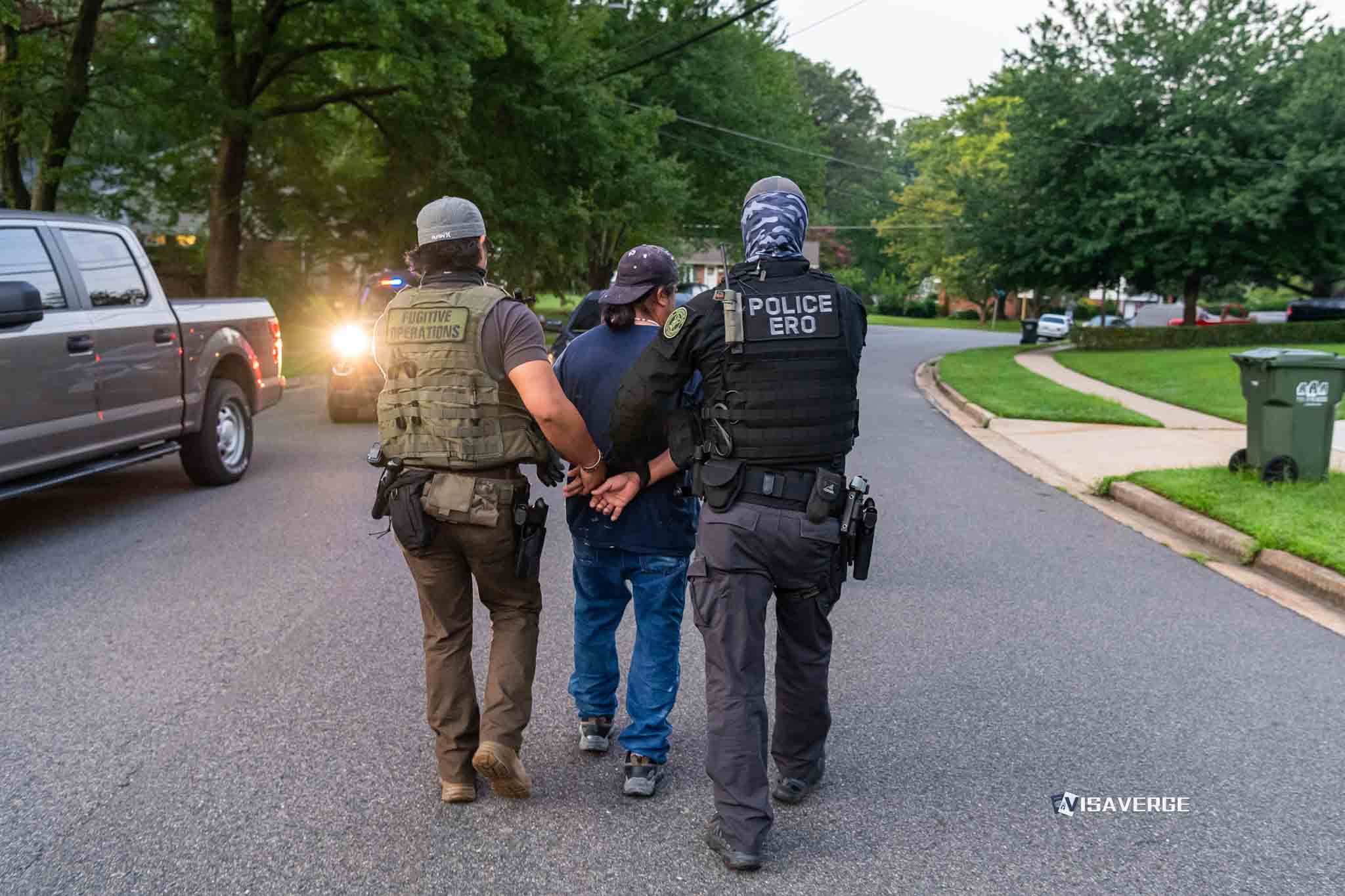
DHS newsroom content on March 9, 2026, and the preceding week emphasized “Making America Safe Again,” with daily reports of ICE arrests of “criminal illegal aliens” and the construction of border infrastructure. That tone has circulated widely among Americans considering a second nationality.
Alongside those developments, February and March 2026 reports described a proposed U.S. bill aimed at banning dual citizenship by treating the acquisition of a foreign nationality as a “relinquishing act” for U.S. citizenship. Legal experts have pointed out that under current Supreme Court precedent, dual citizenship remains fully lawful.
Immigration consultants have described the Canadian paperwork surge as a search for a “Plan B.” Individuals interviewed by major outlets, including CBC and CTV, cited concerns over rollbacks in protections for marginalized groups, political stability, and controversial immigration enforcement policies in the U.S.
Tax questions also shape the decision, particularly for Americans who do not plan to move immediately. Canada taxes based on residency rather than citizenship, a point that has drawn attention from U.S.-based applicants weighing whether an additional passport changes their obligations.
Canadian officials have directed applicants to government guidance as they prepare submissions and track processing times through IRCC, including information available on the Immigration, Refugees and Citizenship Canada website. Ottawa has also framed the Bill C-3 change through legal documentation such as the Bill C-3 Charter Statement, while U.S. updates referenced in the discussion appear through the DHS newsroom. For families newly eligible under Bill C-3, the expansion of Canadian citizenship by descent has opened a door, but the near-term reality remains the wait for a citizenship certificate decision.