(MINNEAPOLIS, MINNESOTA) Anxiety is surging across Minneapolis as Somali families brace for federal immigration raids that community members say feel targeted and personal. The operations, which began in early December 2025 in the Twin Cities area, follow public remarks by former President Donald Trump, who on December 2, 2025 attacked Minnesota’s Somali population during a Cabinet meeting and said Somalis “should go back to where they came from.” Federal agents have since focused enforcement in Minneapolis while similar raids unfolded in New Orleans.
What federal authorities say and who is involved
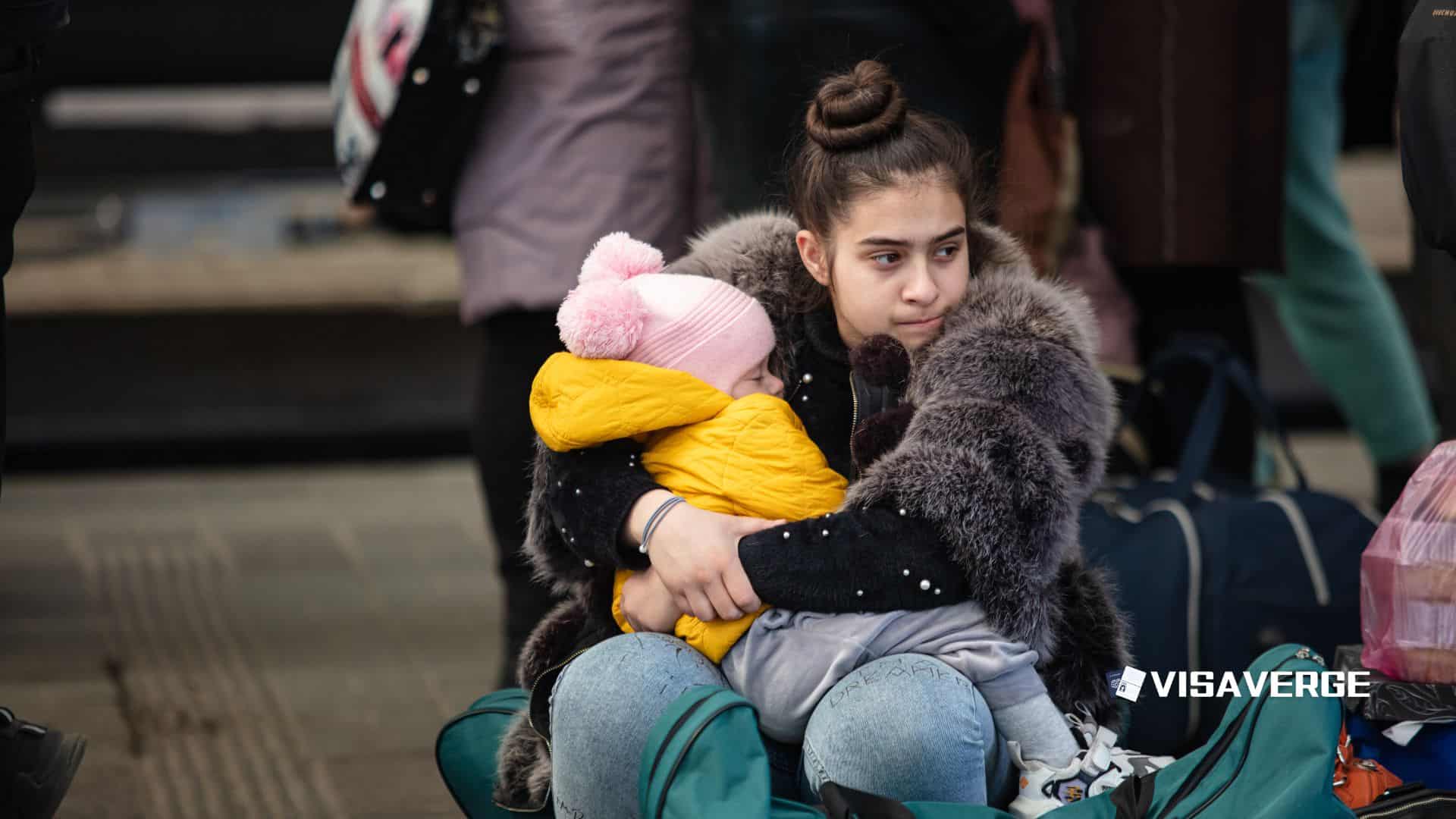
Federal immigration raids in Minneapolis are being carried out by Immigration and Customs Enforcement (ICE) and Border Patrol agents, with authorities describing the actions as “targeted operations.” Officials say the focus includes Somalis who are alleged to be violating immigration laws, though many Somalis in the United States 🇺🇸 are long-time residents and naturalized citizens.
According to analysis by VisaVerge.com, the combination of heated political language and visible enforcement has left Somali neighborhoods in Minneapolis deeply unsettled.
“Should go back to where they came from.” — words from former President Donald Trump on December 2, 2025, that many Somali residents heard as a personal attack.
Timeline and notable events
| Date | Event |
|---|---|
| Early December 2025 | Federal immigration raids begin in the Twin Cities area |
| December 2, 2025 | Former President Trump makes public comments attacking Minnesota’s Somali population during a Cabinet meeting |
| Early December 2025 | Similar enforcement activity also reported in New Orleans |
Community reaction and lived experience
Community unease grew directly after Trump’s December 2 comments, when he referred to Rep. Ilhan Omar, a Somali-born congresswoman who represents Minneapolis, as “garbage.” He also said Somalis “should go back to where they came from,” remarks that many Somalis in Minnesota heard as a direct attack on their place in the country.
When immigration raids followed soon after in early December, many residents in Somali districts of Minneapolis saw a clear link between the rhetoric from Washington and events unfolding on their streets.
Within Somali-run cafes, markets, and mosques, conversations now turn quickly to the immigration raids and to Trump’s words. Parents discuss how to respond if agents knock on the door. Business owners fear they could lose staff to sudden arrests. Even naturalized citizens, who hold the same legal status as any other citizen, describe feeling singled out.
The fact that many Somalis in the area are citizens while others face possible immigration violations has added layers of confusion and fear inside extended families and shared households.
Official rationale and counterpoints
The Department of Homeland Security (DHS) has said that investigations into alleged Medicare fraud in the Minneapolis Somali community formed part of the reason for the federal push. Officials have pointed to those investigations as justification for increased enforcement activity.
At the same time, authorities have stressed that Somalis are not the only group targeted in these operations, saying the wider campaign includes other immigrants as well. Federal officials insist that the operations are aimed at people who have broken immigration or other federal laws, and that Somali immigrants are not being targeted solely because of their nationality.
They point to Medicare fraud investigations in the Minneapolis Somali community and note enforcement began not only in Minneapolis but also in New Orleans. Still, the visible focus on Somali neighborhoods in Minneapolis, combined with the political backdrop, has shaped how many residents interpret the raids.
The Department of Homeland Security outlines its general enforcement authority and policies on its official website at dhs.gov.
Local response and practical consequences
Local leaders in Minneapolis and St. Paul have moved quickly to show public support for the Somali community. City officials have voiced concern about the tone and focus of federal actions and said they are working to discourage a broader crackdown.
Their statements echo years of efforts by local authorities to build trust with immigrant communities while still cooperating with federal law where required. But the current raids, paired with inflammatory language from a former president, are testing that trust in ways that Somali residents say they have rarely felt before.
Somali community organizers describe residents:
- Cancelling medical visits
- Skipping community events
- Limiting travel between Minneapolis and St. Paul
- Worrying about being wrongly swept up in enforcement actions
These behavioral changes reflect widespread fear and uncertainty, especially for people who lack permanent legal status or whose cases remain unresolved.
Why this matters and broader implications
For Somali families who have already lived through war, displacement, and long refugee journeys, the latest developments feel especially heavy. Minneapolis has long been home to one of the largest Somali communities in the United States, and many who settled here saw the city as a safe place to rebuild their lives.
The sense that immigration agents are now zeroing in on the Twin Cities has reopened old wounds and raised new questions about security, belonging, and the future for Somali youth growing up in Minnesota.
Immigration advocates note that local support from Minneapolis and St. Paul leaders matters not just symbolically but also practically, including how city agencies communicate with residents during periods of federal enforcement. While federal immigration law is controlled by Washington, local responses can shape how informed and supported affected communities feel.
Check updates from local authorities and trusted legal aid groups regularly. Do not rely on rumors, and verify any notices with an attorney before taking action or sharing information.
The current situation in Minneapolis shows how quickly tensions can rise when national political speech and federal enforcement actions collide in a city with a large, easily identifiable immigrant population.
Key takeaways
- The raids began in early December 2025 and followed inflammatory remarks by former President Donald Trump on December 2, 2025.
- Federal agencies involved include ICE and Border Patrol; DHS cites Medicare fraud investigations among its reasons.
- Many Somali residents are naturalized citizens or long-time residents, yet the operations have caused broad anxiety and disruption.
- Local governments in Minneapolis and St. Paul are publicly supporting the Somali community and trying to limit wider enforcement impacts.
- The situation is a vivid example of how political rhetoric and enforcement actions can combine to create community-wide fear and uncertainty.
Important: The environment is changing quickly. Residents and community groups should seek updated guidance from local authorities and legal aid organizations if they are concerned about immigration enforcement actions.
Federal immigration raids began in Minneapolis in early December 2025 after inflammatory remarks from a former president. ICE and Border Patrol carried out targeted operations that officials link partly to Medicare fraud investigations. The raids have unsettled Somali neighborhoods, where many residents are long-time residents or naturalized citizens, causing canceled appointments, interrupted work, and heightened fear. Local leaders in Minneapolis and St. Paul have expressed support and urged clarity, legal safeguards, and better communication with affected communities.