- American Airlines suspended Philadelphia-Doha flights following Middle East airspace closures triggered by regional military strikes.
- Flight 120 returned to Philadelphia after spending 15.5 hours airborne due to changing corridor restrictions.
- Affected passengers are entitled to full refunds and expense coverage under DOT regulations and the Montreal Convention.
(PHILADELPHIA, PENNSYLVANIA) — American Airlines suspended its Doha–Philadelphia route after Middle East airspace closures tied to coordinated U.S. and Israeli strikes on Iran left the carrier without a restart date.
American Airlines’ Philadelphia-Doha service remains halted following the February 28, 2026 shutdowns, as airlines across the region reassess routes that depend on predictable access through Gulf corridors.
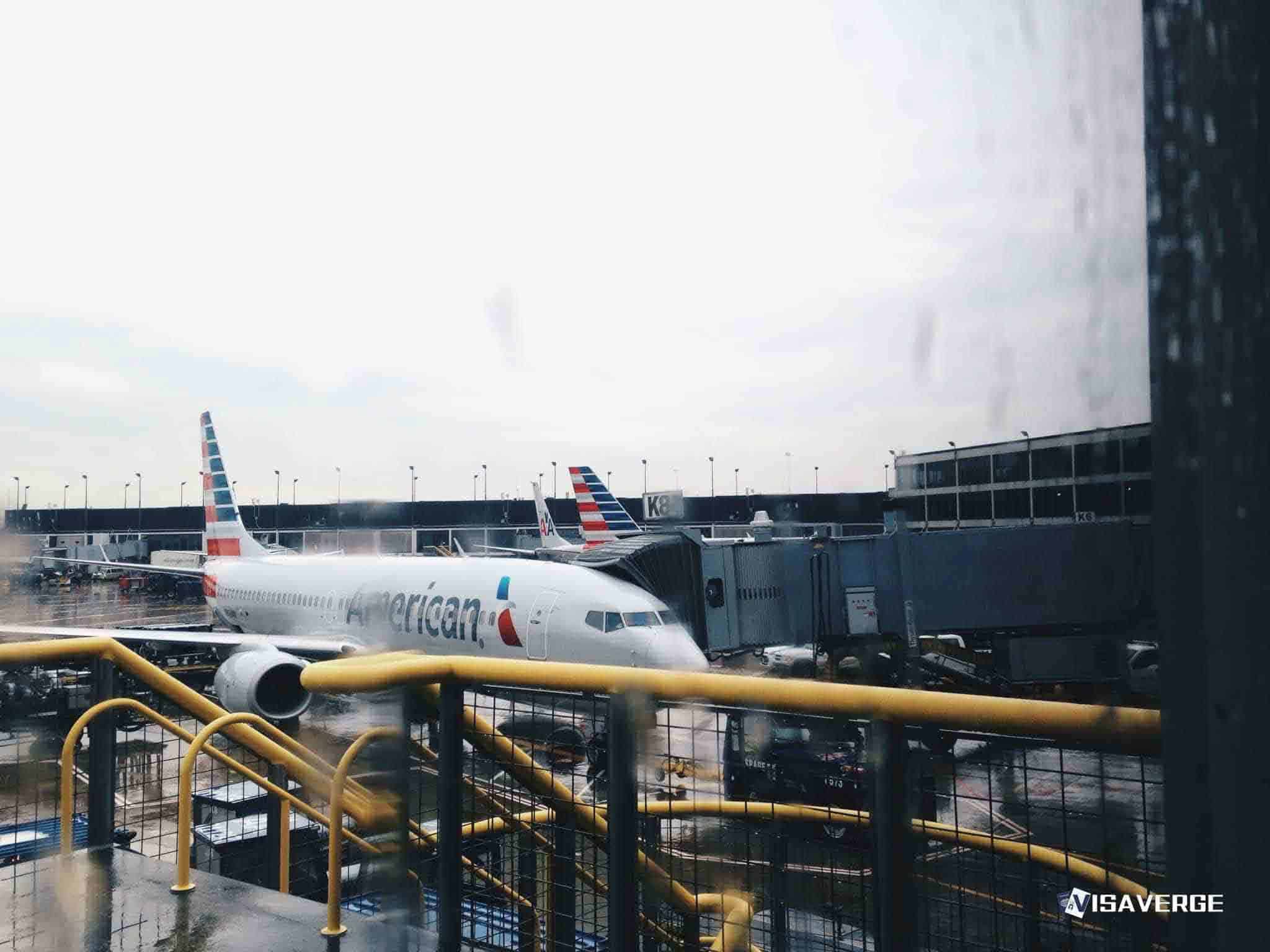
American Airlines Flight 120, a Boeing 787 Dreamliner that departed Philadelphia International Airport for Doha’s Hamad International Airport, turned back after approximately 15.5 hours in the air when cascading restrictions made continuing unsafe and operationally impossible.
The crew received notice mid-flight that a widening ring of airspace closures had severed the key corridor between North America and Qatar, forcing the jet to abandon the crossing and return.
Airlines can face abrupt operational decisions when permissions change while an aircraft is already en route, particularly on long-haul flights that rely on a narrow set of usable routings.
When restrictions widen, a planned path can become unavailable without warning, leaving dispatchers and crews to evaluate whether a safe alternate route exists with sufficient fuel margins and suitable diversion options.
Operational limits can tighten quickly on ultra-long sectors, where alternates may sit far apart and uncertainty over reopening windows can affect feasibility even when the destination airport itself remains available.
Crew duty-time constraints can also shape the decision, because a flight that continues toward its destination may arrive without a legal or practical path to complete the journey or recover if conditions shift again.
With airspace closures moving day by day, airlines have leaned on rolling cancellations and schedule adjustments rather than firm, long-range timetables, especially on routes that cross the Gulf region.
That approach can leave passengers checking reservations repeatedly, as carriers evaluate routings and risk assessments over short planning horizons rather than weeks in advance.
American Airlines passengers affected by the Doha-Philadelphia route suspension and related cancellations can typically choose between a full refund and rebooking on alternative flights at no additional cost, even when the original fare is non-refundable.
The U.S. Department of Transportation framework referenced in the airline’s customer protections also treats refunds as a core remedy when a carrier cancels, instead of requiring travelers to accept credits.
Under the 2024 DOT passenger bill of rights, passengers are entitled to a cash refund for their airfare and ancillary service fees when flights are canceled.
Ancillary fees can include add-ons purchased alongside airfare, and the DOT approach ties refundability to the cancellation rather than the ticket’s original refund rules.
American Airlines is covering meals, hotels, and ground transportation for affected customers because the airline is considered responsible for the cancellation.
Care commitments like meals, lodging, and local transport can vary by circumstance and carrier policy, but American Airlines’ coverage in this disruption adds a second track of relief beyond rebooking or refunds.
International itineraries can raise another avenue for compensation, because passengers may seek recovery of certain expenses tied to a delay or cancellation.
For travelers on international trips, Article 19 of the Montreal Convention can provide a pathway to claim expenses resulting from the delayed or canceled flight by filing a claim with the airline.
Claims under the convention generally depend on reasonable, provable costs connected to the disruption, rather than a flat payment triggered automatically by the cancellation.
Airlines have continued monitoring for signs that Gulf airspace might reopen in a sustained and predictable way, but American Airlines has not announced a restart date for the route.
Connectivity effects extend beyond a single nonstop, because Doha’s hub links can support onward travel patterns that intersect with transatlantic and Gulf routings, amplifying schedule knock-ons when a long-haul flight drops out.
Aviation analysts warned that prolonged restrictions would have a disproportionate impact on high-yield corporate traffic, energy sector workers, and migrant labor routes that rely heavily on Doha’s connectivity.
Travelers whose plans depend on tight timing can feel disruptions more sharply, because the value of the trip can hinge on a narrow arrival window rather than flexible dates.
American Airlines directed passengers to contact the airline directly to arrange refunds, rebookings, and accommodation as it works through affected customer cases.
The immediate disruption traced back to February 28, 2026, when coordinated U.S. and Israeli strikes on Iran triggered the airspace closures that reshaped routings across the region.
For affected Flight 120 passengers, the anchors remain the same: a Boeing 787, a long-haul sector, and a turnback after approximately 15.5 hours airborne as corridor conditions changed mid-journey.
Passengers seeking refunds, reimbursement, or Montreal Convention-based claims can strengthen their case by keeping receipts, rerouting confirmations, and written communications tied to the cancellation and any replacement travel.