(LONDON, UNITED KINGDOM) A brief but wide‑ranging Amadeus software glitch on Thursday slowed airport check-in at some of the world’s busiest hubs, triggering queues, missed connections, and fresh concern about how quickly an IT fault can spill over into immigration checks and global travel plans.
What happened and timeline
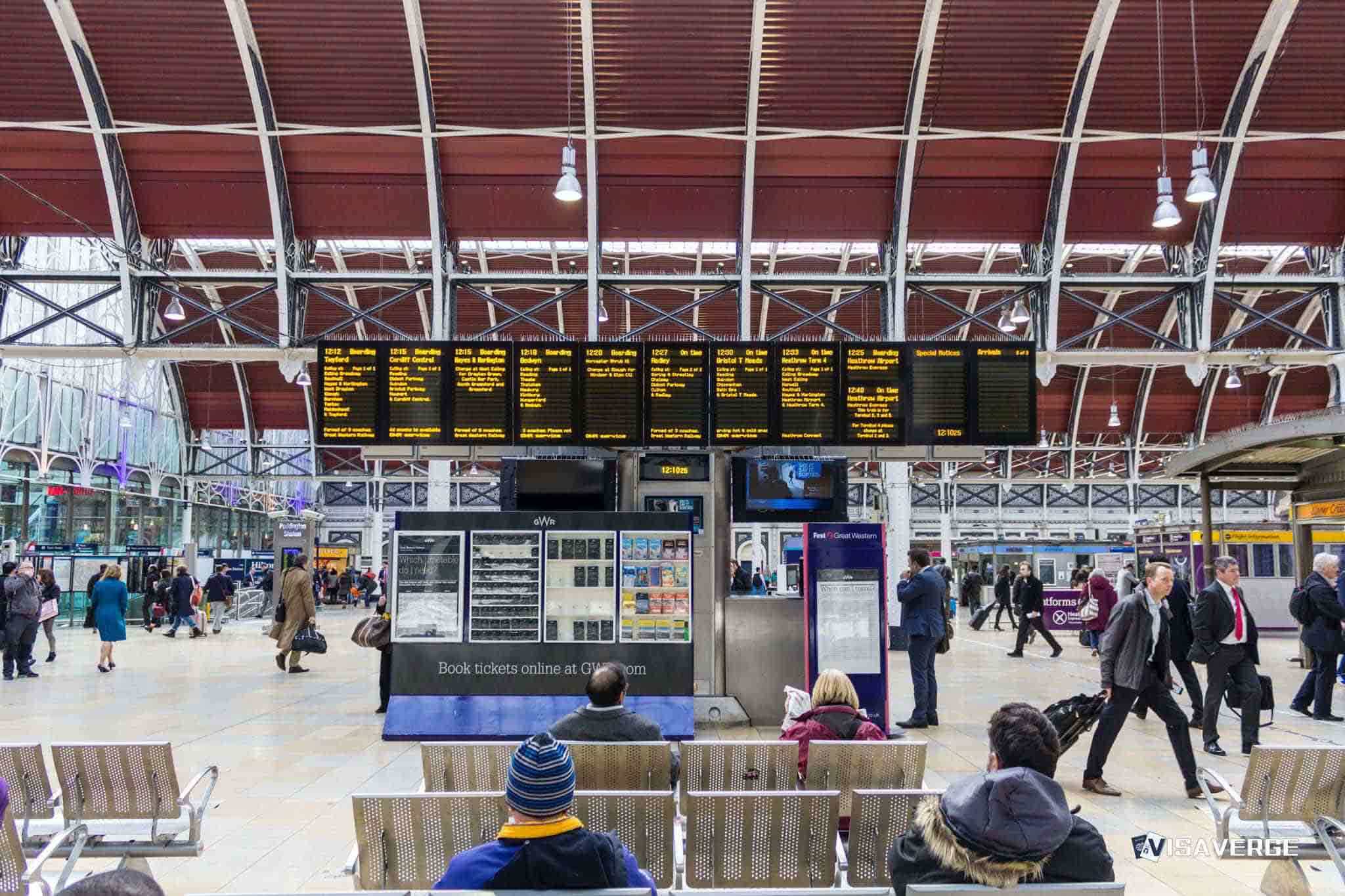
The outage, which Amadeus said was linked to a network issue in its Amadeus Altea passenger service system, began at around 10:30 a.m. local time and lasted about 45 minutes. Check-in screens froze or crashed at airports including London Heathrow, London Gatwick, Singapore Changi, Washington Reagan National, Johannesburg, Zurich, and Melbourne, according to early reports from airlines and airport staff.

By shortly before 2:30 p.m., the company reported that systems had been restored and were “functioning normally.” Operations at the affected airports gradually recovered through the afternoon, though airlines warned that knock‑on delays would continue as aircraft and crews fell out of sync with their schedules.
Immediate operational response
During the disruption, airline staff in multiple countries switched to manual processing:
- Writing passenger details by hand where possible.
- Trying to print boarding passes through backup systems.
- Opening extra desks and manually tagging bags at some airports.
These measures slowed boarding for both domestic and international flights. At some airports, staff actions limited delays to only slight lateness; at others, travelers reported standing in line for more than an hour and then running through security to catch closing flights.
Systems and scope
Amadeus said the problem was tied to Altea, the core platform used by 125 airlines worldwide to handle key steps of a passenger’s journey. The system is central to:
- Seat inventory
- Ticketing
- Boarding
- Departure control
A sudden loss of access meant that even when aircraft and crew were ready, some flights could not depart on time because passengers were still waiting to check in or clear document checks at the desk.
Airlines specifically affected
Major European carriers that rely on Amadeus Altea were among those hit:
- British Airways
- Air France‑KLM
- Lufthansa
In India, Air India said flights had returned to normal once the platform stabilized.
Amadeus issued a statement expressing regret for the disruption and said its technical teams acted immediately to identify the cause and limit the impact on customers.
Immigration and passenger impacts
The incident highlights how much modern immigration control depends on private airline systems. At check-in, airline agents are usually the first line of defense against improper entry, checking passports, visas, or electronic travel authorizations before issuing a boarding pass. If airport check-in stalls, so does that first immigration filter, which can quickly create lines and confusion for travelers who require more detailed document review.
Airlines face heavy fines if they fly someone who is not allowed to enter a country, so they use tools connected to platforms like Amadeus to confirm whether a traveler meets entry rules. According to analysis by VisaVerge.com, most carriers build these checks directly into their check-in flow, meaning a system failure can leave staff scrambling to interpret complex immigration rules without their usual digital prompts.
For non‑citizens, even a short delay can have outsized consequences:
- A traveler changing planes at Heathrow en route to a visa interview could miss the appointment due to a delayed first flight.
- Others might overstay an existing visa by a few hours because a rebooked flight leaves later than planned, then face questions at future border crossings.
- Immigration lawyers often advise keeping buffer days in travel plans to account for such disruptions.
The first line of border control often happens at airline check-in. When that fails, the effects ripple through immigration processes and travelers’ lives.
Interdependence of airline and government systems
The glitch also exposed how interlinked airline and government systems have become. Many states now use advance passenger information feeds sent by carriers before departure. These feeds, which rely in part on data captured in systems such as Amadeus Altea, help border agencies decide who may require extra screening on arrival.
Any interruption to that data flow can force immigration officers to fall back on slower, manual checks at the border.
Resilience challenges and policy implications
Industry experts say Thursday’s disruption will likely renew pressure on governments and airlines to improve resilience in their shared digital infrastructure. Key points:
- Airports and carriers maintain backup procedures, but these are designed for small‑scale outages, not for a global travel‑technology platform that handles millions of bookings and check-ins daily.
- Once lines stretch across terminals, there is little room to carry out detailed questioning that some travelers — especially asylum seekers or people with complex immigration histories — may need.
- The outage comes as many airports push for more automation (biometric gates, self‑service bag drops, mobile boarding passes). These tools generally tie back into a main passenger service system such as Amadeus Altea; when that core system goes down, much of the terminal hardware becomes dead screens.
From an immigration policy angle, the incident underlines a quiet reality: border control today often begins far from the physical border. Airlines, supported by global distribution systems, screen travelers long before they reach passport control. A fault in one company’s network can therefore slow or reshape the movement of people across several continents in real time, even when government immigration databases themselves are working normally.
Passenger experiences and longer-term effects
Passenger experiences during the outage varied widely:
💡 Build a travel buffer: add at least one extra day for connections, carry digital and printed copies of visas and tickets, and expect manual check-in when systems fail to reduce last‑minute stress.
- Some flights departed only slightly late after manual processing.
- Other travelers missed connections, had to rebook flights, or reschedule visa appointments.
- Those required to show return tickets, proof of onward travel, or supporting visa documents said they worried staff would rush checks or refuse boarding to avoid mistakes.
Though Thursday’s Amadeus software glitch was short and systems were restored the same day, many travelers caught in the queues will feel its effects for days. Consequences include rebooking missed connections, rescheduling visa appointments, or updating overstayed‑by‑accident records with consulates.
For families separated by strict entry rules and tight travel windows, even a 45‑minute disruption at airport check-in can mean weeks or months of delay before they are able to reunite.
A network fault in Amadeus Altea froze check-in systems for about 45 minutes at major airports worldwide. Staff used manual processing to issue boarding passes and tag bags, causing long queues, missed connections and accumulated delays. Systems were restored before 2:30 p.m., but the outage exposed the aviation industry’s dependence on a single global platform and prompted calls for stronger redundancy and contingency planning to protect passengers and immigration screening.