(MIDDLE EAST) — Airlines canceled flights and suspended hub operations on February 28, 2026 after U.S. and Israeli strikes on Iranian targets triggered widespread Middle East airspace closures that cut across key routes linking Europe and Asia.
Carriers largely chose to halt services to the region or pause operations at major hubs such as Dubai and Doha instead of attempting broad long-haul reroutes, as restrictions spread across multiple countries at once and left few predictable corridors for safe, repeatable flight planning.

The immediate impact showed up in abrupt cancellations, diversions and aircraft turning back mid-route, with flights already airborne holding, circling, heading to alternates or returning to their departure airports as notices changed.
Those disruptions quickly reached beyond the region because Dubai and Doha function as central connection points for long-haul travel, pushing the shockwaves into airline networks that rely on tightly timed onward links.
Airspace closures followed the strikes and affected Iran, Israel, Iraq, Jordan, UAE, Qatar, Syria, and parts of the Gulf. That combination blocked traditional Europe-Asia corridors and left airlines weighing whether to route around large closed zones or stop flying into affected airports altogether.
Flightradar24 maps showed planes avoiding the region entirely, with many aircraft shifting onto safer paths such as over Saudi Arabia. The same maps also showed dense clusters of irregular behavior, including aircraft circling, turning back or heading to alternates, reflecting a fast-changing operating picture rather than a single stable replacement route.
Airlines faced a specific vulnerability at hub-and-spoke systems because schedule integrity depends on dozens of arrivals feeding dozens of departures in short windows. When airspace restrictions cut off inbound flows or make routings unpredictable, carriers can struggle to keep banks of connections intact, making a hub pause a more workable option than a patchwork of ad hoc long-haul detours.
Dubai’s role in global connectivity sharpened the stakes. Emirates temporarily suspended all flights to and from Dubai, described as the world’s busiest international airport with ~500 daily flights, and halted operations indefinitely at Dubai International and Al Maktoum airports.
Qatar Airways temporarily suspended all flights to and from its Doha hub. With two major Gulf connectors pausing at once, travelers who normally transit the Middle East airspace region for one-stop journeys between continents faced sudden breaks in itineraries and fewer alternatives.
Some airlines that continued operating on certain routes focused on avoiding the most constrained areas rather than redrawing the entire map. Virgin Atlantic avoided Iraqi airspace entirely, a move that led to longer routes for flights to India, Maldives, and Riyadh, while also canceling London-Dubai on February 28 and carrying extra fuel for potential diversions.
In the air, the uncertainty translated into quick decisions that passengers could feel in real time. LOT Polish Airlines flight LO121 from Warsaw to Dubai turned back mid-air to Warsaw due to the Doha airspace closure, illustrating how a closure in one part of the region could prompt an aircraft to abandon a flight even when its destination lay elsewhere.
Air Astana canceled all Middle East flights on February 28. Flight KC899 from Almaty to Dubai diverted to Delhi, and a FlyArystan flight from Aktau to Dubai went to an alternate airport, showing how flights already committed to the route had to find immediate solutions as restrictions expanded.
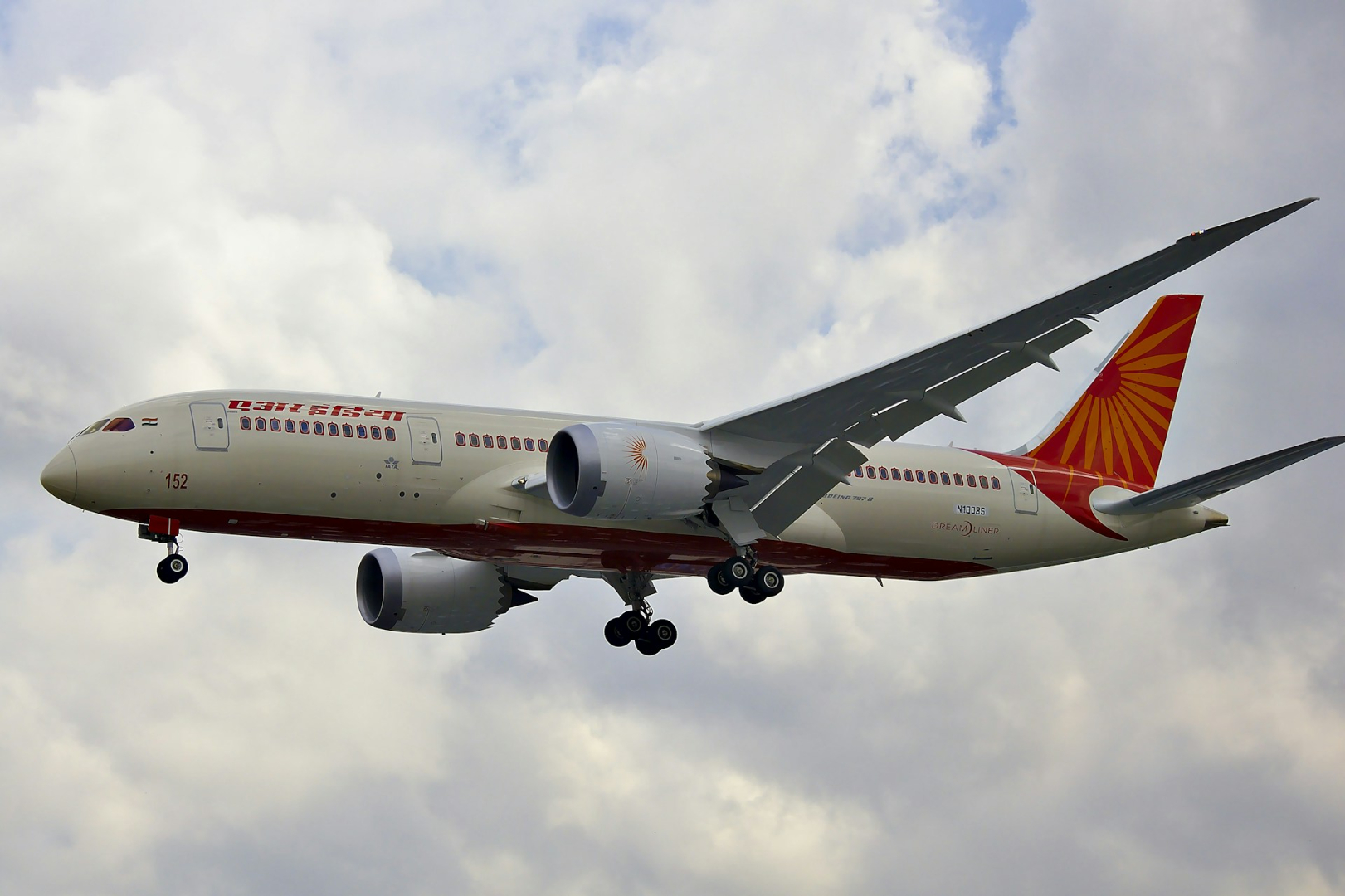
Air India suspended all Middle East flights, and a Delhi-Tel Aviv service diverted back to Mumbai. United Airlines flights en route between the United States and Tel Aviv and between the United States and Dubai diverted or returned to origin, adding to a pattern of carriers deciding that a return was preferable to a complex midstream reroute into an uncertain airspace picture.
Beyond those examples, the day’s operational maps showed that even when aircraft found a path around closed zones, routings varied flight-by-flight rather than settling into a single widely adopted “new flight path.” Flightradar24 described no standardized reroute emerging amid rapid changes, as situations evolved hourly.
The cancellation picture broadened across Europe, the Gulf and South Asia as airlines published suspension windows that spanned late February into early March. Lufthansa canceled services affecting Dubai to and from, Tel Aviv, Beirut, and Oman from Feb 28-Mar 7.
Air France and KLM listed cancellations affecting Tel Aviv, Beirut, Dubai, and Riyadh from Feb 28-Mar 1, and also cited an Amsterdam-Tel Aviv advanced cancellation. British Airways canceled flights to Tel Aviv and also affected Bahrain until Mar 3, while listing Amman on Feb 28 and overall cancellations until Mar 3.
Wizz Air suspended routes affecting Israel, Dubai, Abu Dhabi, and Amman until Mar 7, adding low-cost carrier capacity to the pullback. Turkish Airlines suspended routes to Lebanon, Syria, Iraq, Iran, and Jordan until Mar 2, and also listed Qatar, Kuwait, Bahrain, UAE, and Oman on Feb 28.
IndiGo canceled Feb 28 operations across the Middle East, listing 72+ flights. Iberia, Wizz, and Iberia Express listed Tel Aviv disruptions described as immediate or Feb 28.
Airlines communicated rolling updates through their apps and websites, with travelers also relying on airport display boards and direct alerts to learn whether flights would depart, divert, or cancel at short notice. Many carriers offered rebooking or refund options through waivers, though the ability to use them depended on what alternative capacity remained when a hub paused and when multiple carriers canceled across the same time window.
Air Astana’s waiver policy ran through Mar 6, offering a defined window for passengers to adjust, even as other airlines described disruptions in broader terms, including indefinite halts at key Gulf hubs. That mix left passengers facing different rules depending on ticket, carrier and route, while the overall network reduced options across the board.
When airlines did reroute, paths often shifted south or took longer arcs around closed zones, but the exact track could change rapidly as advisories and closures changed. The same flight pair on consecutive days could follow different corridors depending on which airspace was open, which alternates were available, and how much extra fuel the aircraft needed to safely handle a contingency.
Fuel planning became a visible constraint. Virgin Atlantic’s decision to carry extra fuel pointed to a wider operational problem: longer tracks and uncertainty around alternates can require more fuel uplift, which in turn affects payload and range, sometimes forcing additional stops or reducing the feasibility of keeping a scheduled service running.
Diversions also carry their own operational limits. Alternates can face congestion when multiple aircraft seek landing slots at once, and crew duty-time limits can make it difficult to continue a journey after an unexpected stop, even if the airspace picture improves later in the day.
The knock-on effect spreads quickly through global connections, especially where Dubai and Doha normally act as transfer points. When an inbound long-haul flight turns back, diverts, or arrives hours late, passengers can miss onward legs, and airlines can lose the aircraft and crew positions needed for the next scheduled departure.
That dynamic can tighten seat availability well outside the Middle East airspace region. A canceled long-haul flight can remove hundreds of seats, and a hub pause can remove multiple waves of departures and arrivals, forcing re-accommodation onto fewer remaining services.
The disruption also complicates planning for travelers who are not heading to the Gulf itself. Europe-Asia itineraries often rely on Gulf connections, while other routes thread near airspace that can close with little notice, prompting last-minute gate changes, mid-route returns, and a surge in rebooking requests as customers compete for a limited number of open seats.
For the next 24–72 hours, travelers face a fluid environment in which disruptions can persist as airspace notices are extended or lifted. Even when airspace reopens, airlines can take time to rebuild schedules because aircraft and crews may sit out of position after diversions and turnbacks.
Passengers booked through Dubai, Doha, or routes that typically cross the region can expect ongoing changes as carriers adjust to safety advisories and publish updated suspension windows. Airlines have urged customers to check flight status through official airline channels, while airports continue to update boards as carriers revise operating plans in response to the evolving restrictions.
Airlines Reroute Dubai and Doha Flights to Dodge Middle East Airspace
Following military strikes on Iranian targets, Middle Eastern airspace has seen widespread closures, forcing major hubs like Dubai and Doha to suspend operations. The disruption has paralyzed key global transit routes, leading to massive cancellations and mid-air diversions by carriers including Emirates, Qatar Airways, and Air India. Airlines are prioritizing safety over complex rerouting, causing significant knock-on effects for international travel through early March.