(INDIA) India on Friday moved to contain soaring domestic airfares and public anger, imposing temporary airfare caps ranging from ₹7,500 to ₹18,000 after an IndiGo crisis left hundreds of passengers stranded for a fifth straight day amid mass flight cancellations across the country.
The Ministry of Civil Aviation announced that for flights up to 500 km, the maximum one-way economy fare will be ₹7,500, with higher regulated ceilings for medium- and long-haul domestic routes. Officials said the nationwide price controls, which apply to all Indian carriers, are meant to stop airlines from charging excessive last-minute fares on routes where IndiGo normally dominates but has now cancelled large parts of its schedule.
Scale and cause of the disruption
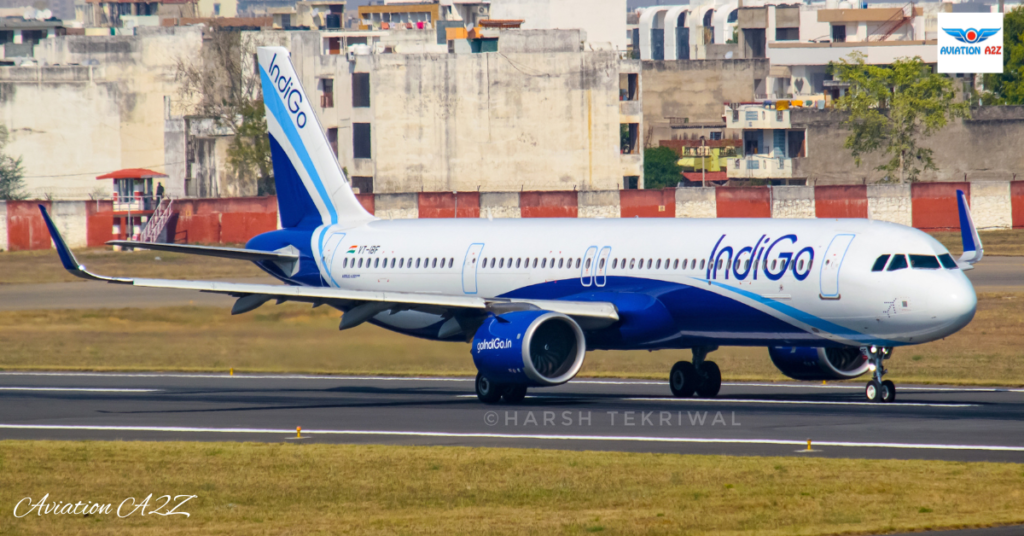
The emergency move comes after IndiGo, India’s largest airline by market share, scrapped more than 2,100 flights since early December 2025, following a sudden shortage of pilots linked to tighter Flight Duty Time Limitations (FDTL) rules. On December 5 alone, the budget carrier cancelled over 1,000 flights, which officials described as the worst operational day in the airline’s history and one of the most severe single-day disruptions seen in India’s civil aviation sector.
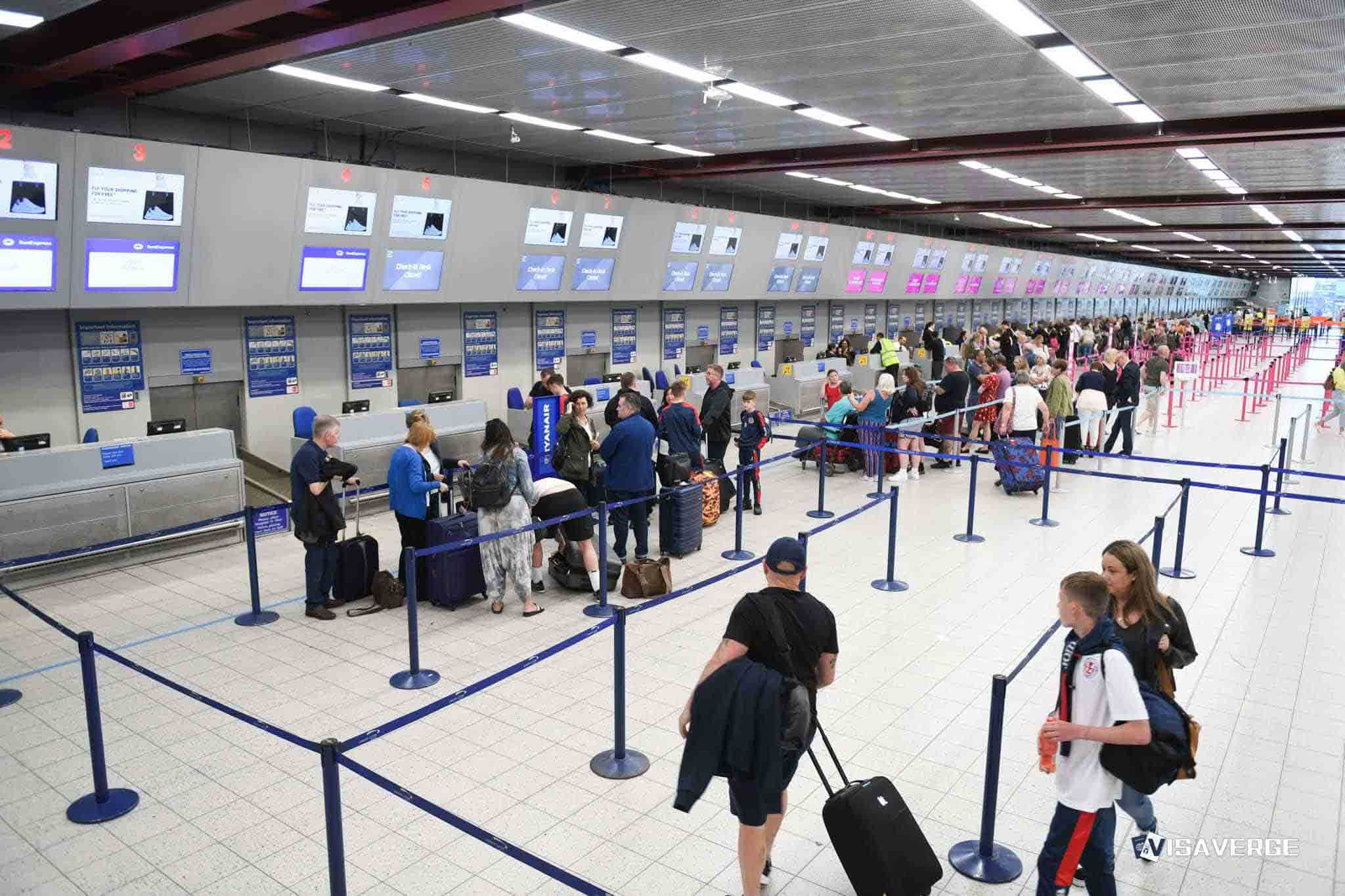
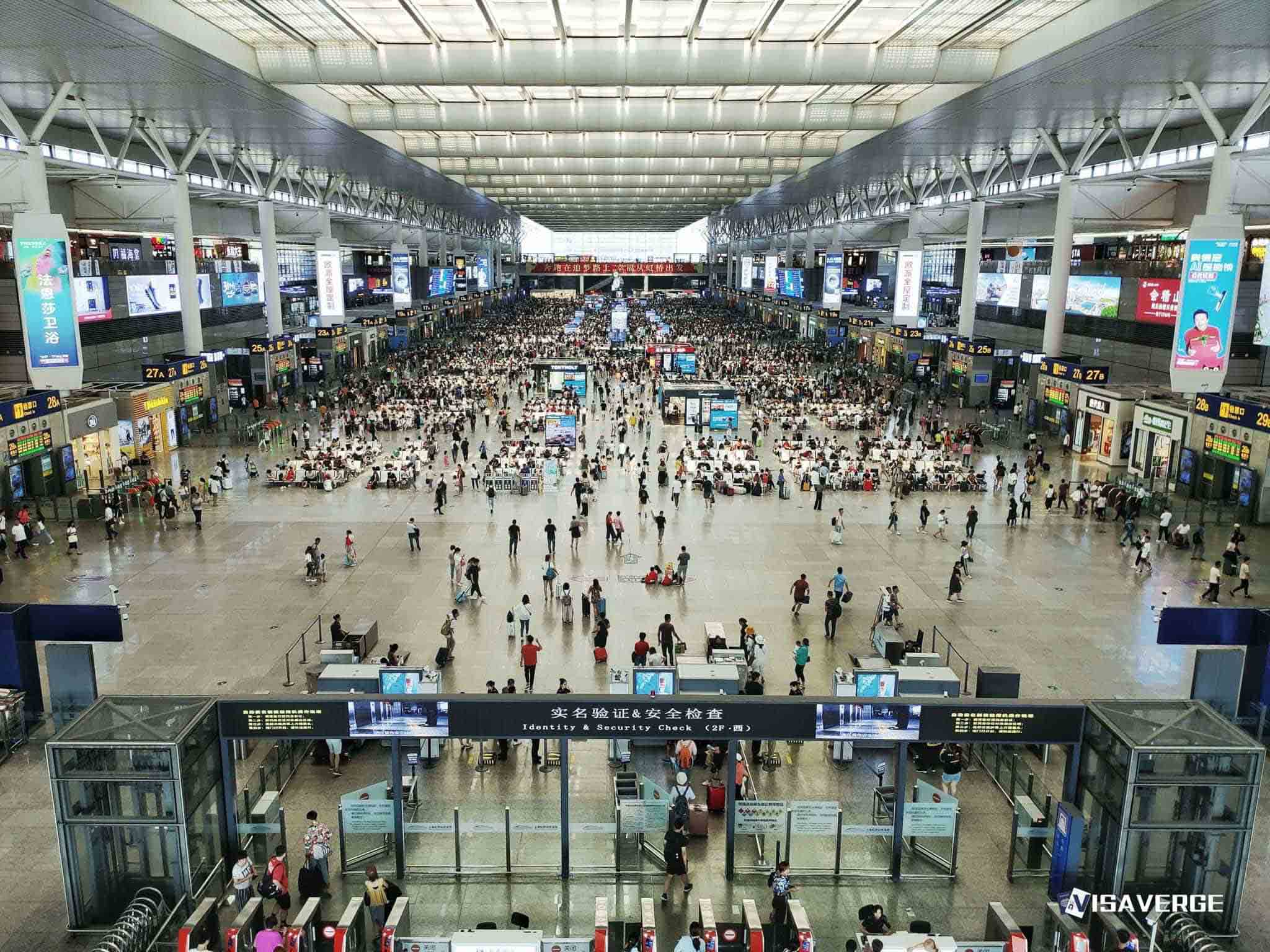
Big airports including Delhi, Mumbai, Hyderabad, Bengaluru and Chennai reported long queues, last-minute gate changes and chaotic scenes at check-in counters as confused passengers tried to rebook or seek refunds. The IndiGo crisis has unfolded at the height of India’s wedding season, when demand for domestic travel typically spikes and many Indian workers based abroad also fly home, adding pressure on an already stretched system.
Pieter Elbers, IndiGo’s chief executive, has apologised for the chaos and said the airline, which normally operates about 2,300 flights per day, expects a “full return to normal operations” only between December 10 and 15, 2025. The carrier has blamed a mix of stricter FDTL requirements, internal manpower planning problems and unexpected levels of crew unavailability for the wave of flight cancellations, while insisting that safety limits were never compromised.
Ministry response and passenger relief measures
After days of mounting complaints, the Ministry of Civil Aviation stepped in with directives aimed at easing the impact on passengers and forcing faster service recovery from IndiGo. The ministry has ordered the airline to:
- Complete all pending passenger refunds by 8:00 PM on December 7, 2025, covering both cancelled and severely delayed services.
- Trace and deliver all separated baggage within 48 hours directly to passengers’ homes or another address of their choice, instead of asking them to return to the airport.
- Waive rescheduling charges for affected customers and set up dedicated help desks and call centres to handle complaints.
- Work with regulators to grant IndiGo temporary relief from some FDTL rules, especially around night duty and leave-for-rest provisions, starting December 5, 2025, to get more pilots back on rosters without breaking safety rules.
Officials also broadened the airfare caps to cover all domestic airlines, not only IndiGo, amid reports that tickets on some routes had risen several times above usual levels as rival carriers filled the gap.
Important: Refunds, baggage delivery and rescheduling fees were singled out for urgent action, with firm deadlines set by the ministry to protect passengers.
Rail capacity boost to absorb spillover demand
Alongside the aviation measures, the government ordered Indian Railways to add 116 coaches to 37 premium trains, hoping to absorb some of the spillover demand from passengers unable or unwilling to pay high fares or find a seat on disrupted flights.
- Extra capacity is being deployed on routes that typically overlap with busy domestic air corridors.
- Trains from major metros to tier-two cities were already heavily booked during the wedding months.
Passenger experience and social impact
For many travellers stuck in limbo, the most pressing problems have been refunds and lost baggage. Social media has been flooded with accounts of families sleeping on terminal floors, elderly passengers missing medical appointments, and migrant workers fearful that rebooking costs will wipe out months of savings.
Consumer groups say clear deadlines and penalties are needed so airlines process repayments quickly instead of pushing vouchers or travel credits.
Industry and regulatory implications
Industry analysts say the episode exposes how vulnerable India’s air travel network has become to problems at a single dominant carrier. IndiGo controls more than half of the domestic market, and whenever it suffers extended disruption, millions of passengers — including overseas Indians trying to make connecting flights — face widespread knock-on delays and cancellations.
According to analysis by VisaVerge.com, the scale of the current IndiGo crisis is likely to trigger closer scrutiny from regulators of:
- Staffing levels
- Training bottlenecks
- How new safety rules such as FDTL are phased in
The Directorate General of Civil Aviation and the Ministry of Civil Aviation have both defended the stricter duty-time limits, saying they are in line with global best practices designed to curb pilot fatigue.
Officials argue that while exemptions have been granted to IndiGo on a temporary basis, the long-term direction will remain towards stronger enforcement of rest rules. That means airlines will need to hire more crew or adjust schedules to avoid overworking pilots.
Duration of caps and market effects
For now, the airfare caps are expected to stay in place until at least mid-December, roughly matching the period Elbers has given for a full restoration of IndiGo’s schedule.
- Travel agents say the caps are helping to cool the most extreme price spikes.
- They caution that seat availability on popular routes remains tight.
- Some passengers may still have to shift dates or switch to trains and buses.
Calls for permanent passenger protections
Passenger rights advocates are urging the government to make some of the new protections permanent, especially:
- Automatic refunds for cancelled flights
- Strict time limits for returning baggage
They argue that while the current flight cancellations stem from a staffing crunch, future crises could erupt from technical faults, weather, or financial trouble at other carriers, and that common rules would help give travellers confidence when booking tickets.
Civil aviation lawyers note the ministry has wide powers to impose price controls and service conditions in emergencies, but usually prefers market-based solutions. The scale of the IndiGo crisis, coupled with its timing during a busy festival and wedding period, persuaded officials that a harder line was necessary to keep fares within reach for ordinary families and small businesses.
Wider consequences for travellers and airlines
The shock to India’s aviation system is being closely watched by foreign travellers and Indians living overseas who rely on smooth domestic links to reach smaller cities after long international journeys. When domestic connections unravel, missed onward flights can lead to:
- Complex visa issues
- Extra accommodation costs
- Rescheduled work or study commitments
Travel planners say that during the current disruption many people with time-sensitive trips — including students and temporary workers — are building in longer layovers or overnight stops in Delhi and Mumbai to reduce the risk that a cancelled domestic leg will cause them to overstay their permitted period in India.
While most of the official response has focused on IndiGo, other carriers are also feeling the strain. Airlines that try to add extra flights to mop up demand must secure aircraft, crew, and airport slots at short notice, all within the same FDTL and safety framework.
- Smaller competitors may see a short-term revenue boost from higher load factors.
- They also risk reputational damage if they overpromise capacity and then cancel services.
Analysts warn that India’s goal of becoming a major global aviation hub will require deeper reforms, including better coordination between airlines, regulators and airports when new safety regulations are rolled out.
Final passenger concerns
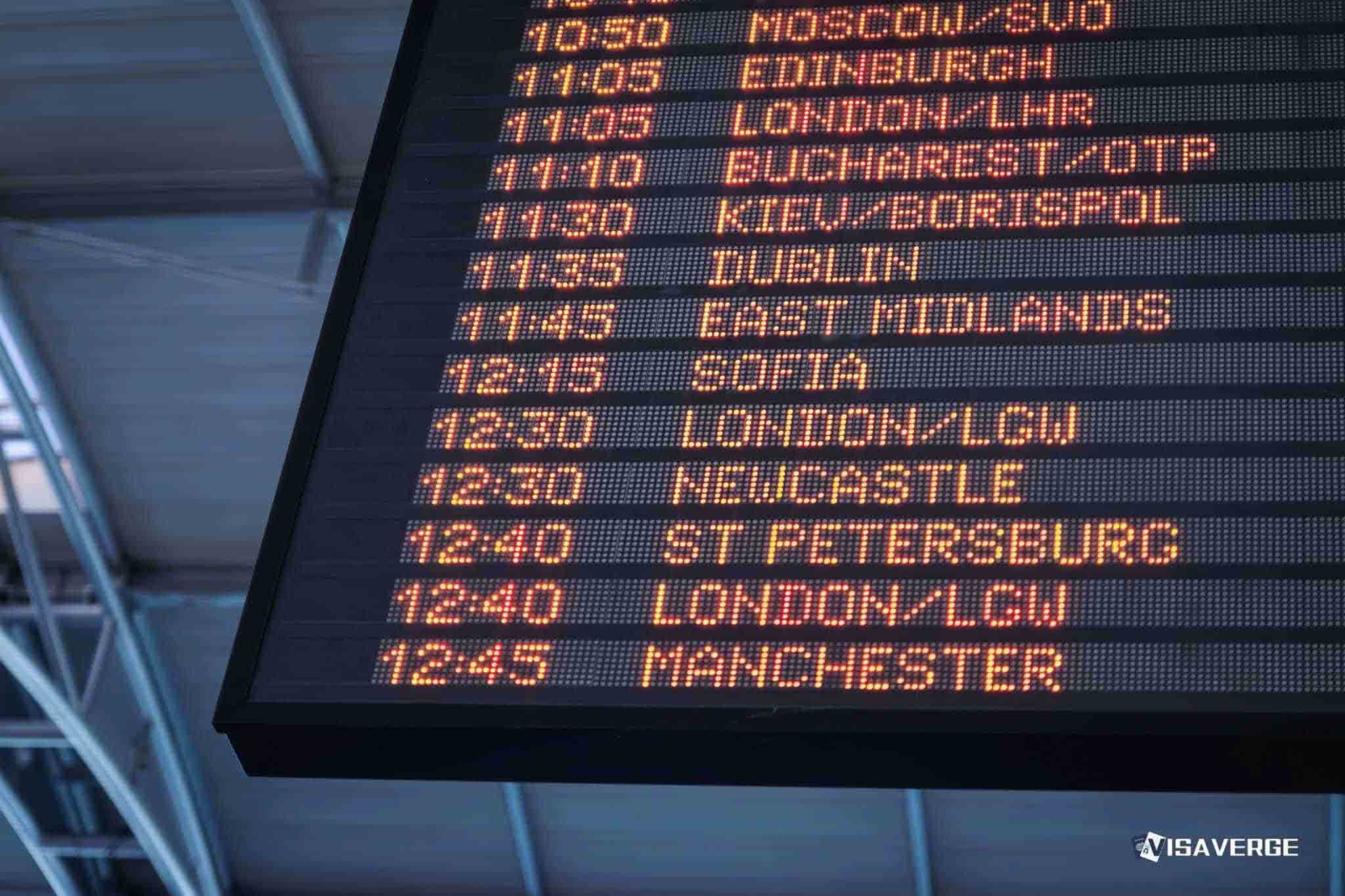
For stranded passengers watching departure boards fill with delays and cancellations, the technical debates matter less than immediate questions:
- Will my flight operate?
- Will my fare stay affordable?
- Will my money come back?
Those are the issues that will determine whether public confidence in India’s domestic aviation network recovers quickly or remains shaken.
India imposed temporary domestic airfare caps (₹7,500–₹18,000) after IndiGo cancelled more than 2,100 flights due to pilot shortages tied to stricter FDTL rules. The Ministry of Civil Aviation ordered refunds by December 7, baggage delivery within 48 hours, waived rescheduling fees, and temporary FDTL relief to restore services. Railways added 116 coaches to 37 premium trains to absorb demand while regulators probe staffing, training and rule implementation.