Airbus Chief Executive Guillaume Faury is weighing how far a global A320 software recall will continue to hurt aircraft deliveries in December after what he called a “weak” November, deepening a crisis that has rippled through airlines’ schedules and financial plans worldwide.
Speaking on December 2 on the sidelines of an ASD aerospace industry association conference, Faury acknowledged that November deliveries had been sharply lower than expected and said the company was still trying to understand whether the same disruption would extend into the final month of the year.

November delivery shortfall and year‑end target
Reuters reported that Airbus delivered only 72 aircraft in November, a number well below what investors and airlines had been counting on as the manufacturer pushes toward a year‑end target of 820 aircraft handovers.
This shortfall followed an urgent regulatory order for A320 software fixes affecting thousands of jets — a disruption that hit operations just as airlines were relying on year‑end capacity for busy winter travel. For carriers that depend heavily on the A320 family, including low‑cost operators and major network airlines, the recall arrived at a particularly sensitive moment.
Key figures at a glance
- November deliveries: 72 aircraft
- 2025 year‑end target: 820 aircraft handovers
- Affected A320 family jets: about 6,000 aircraft worldwide
- Status by December 1, 2025: fewer than 100 aircraft still awaiting modification
Cause and regulatory reaction
Engineers traced an uncommanded pitch‑down event on JetBlue flight 1230 on October 30, 2025 to a vulnerability in the flight‑control systems linked to solar radiation. The incident triggered alarms among safety regulators and airlines.
The European Union Aviation Safety Agency (EASA) issued an Emergency Airworthiness Directive requiring immediate software updates before any affected jet could perform its next passenger flight. EASA’s emergency directives are legally binding for European operators and exert strong influence on aviation regulators globally.
“We will take the hours and days to come to fully assess the situation and see what is the best thing to do,” — Guillaume Faury (Dec 2), describing Airbus’s plan to review operational impact.
The global recall operation: what happened
The EASA order set off an intense and highly choreographed global effort involving:
- Airbus
- Airlines
- Maintenance providers
- Regulators
Hangars that normally handle planned checks prioritized the recall. Airlines scrambled to reshuffle aircraft to keep core routes operating, and carriers took a variety of actions:
- Grounded jets at short notice for mandatory work
- Canceled or combined flights
- Switched to larger aircraft on some routes
- Wet‑leased planes from other operators
Crew and ground staff faced additional pressures. Sudden roster changes complicated employment and visa arrangements, especially for non‑EU workers based in Europe and foreign staff flying into the 🇺🇸 market.
Rapid rollout of fixes and airline progress
By December 1, 2025, most affected A320s had received the required software update, with fewer than 100 still pending.
Major airlines reported completing fixes on their fleets, including:
- American Airlines
- JetBlue Airways
- Lufthansa
- Delta
- Air France
- Jetstar
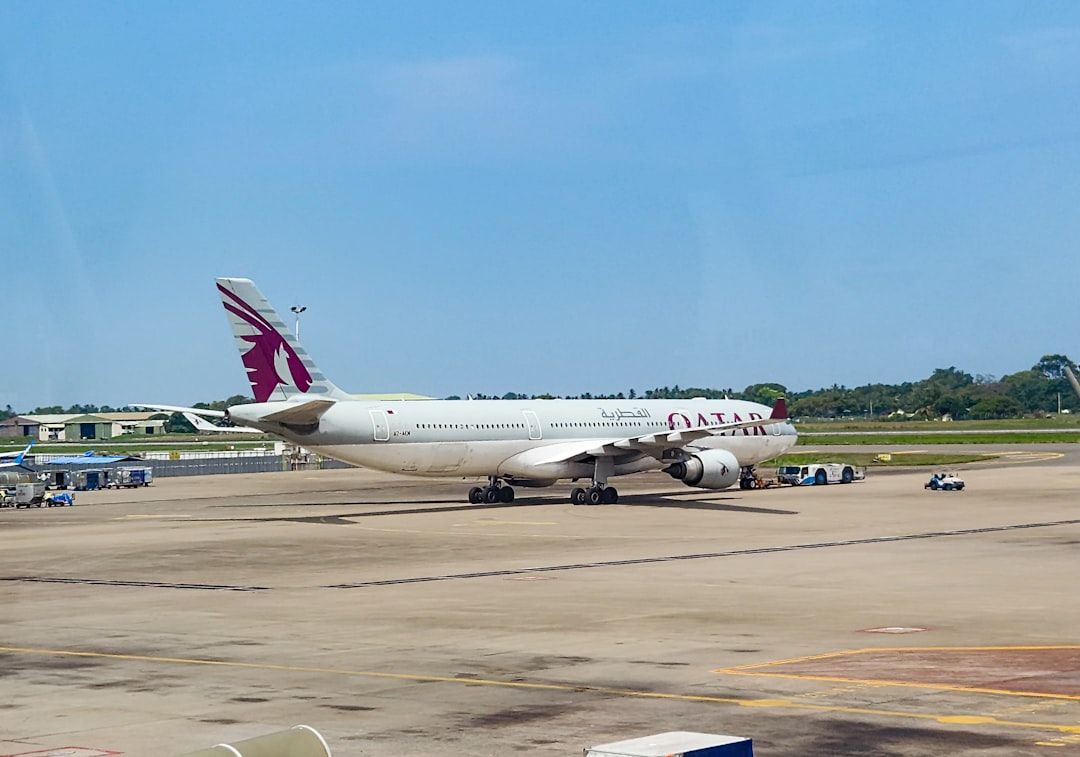
- Qatar Airways
- Air India
- IndiGo
That rapid progress led Faury to say on December 2 that Airbus had “turned a corner”, noting the emergency changeover moved faster than expected.
Operational and regulatory nuances
The EASA directive’s requirement to update software before the next passenger flight left little room to delay. Consequences for operators included:
- Grounding aircraft away from main hubs
- Flying in maintenance teams and parts
- Coordinating with local facilities
For global airlines operating to and from the United States, urgent work sometimes overlapped with U.S. regulatory and immigration procedures. Foreign maintenance staff or technical specialists needed proper visa documentation to travel quickly for urgent work. Official guidance for non‑immigrant worker categories, such as those detailed on USCIS.gov, shapes how fast companies can reposition specialized staff during a multi‑country safety recall.
Passenger experience and operational prioritization
To most passengers, the recall manifested as delays and aircraft swaps. Behind the scenes, airline operations centers engaged in minute‑by‑minute planning:
- Dispatchers tried to keep aircraft with completed updates on long‑haul connections.
- Jets still awaiting the fix were pushed onto short domestic legs or removed from schedules.
- Airlines prioritized routes with large numbers of migrant workers and international students to reduce the risk of missed immigration appointments or visa-related deadlines.
Financial and reputational stakes for Airbus
The November delivery gap matters because Airbus has ambitious production and handover plans through 2025, with the A320 family central to those goals. Key implications include:
- Every month with weaker deliveries adds pressure on later months.
- Catching up is difficult when assembly lines are near capacity.
- Analysts warn that small shocks can echo through the system for months as airlines reschedule training, financing, and entry‑into‑service dates for each aircraft.
- Each delayed handover postpones final payments and may trigger penalty discussions if carriers show lost revenue or extra costs from grounded aircraft.
Faury’s “turned a corner” message aimed to reassure customers and markets that the worst of the crisis had passed.
Review, lessons, and potential regulatory follow‑up
Regulators will review how the vulnerability was discovered and handled — from the JetBlue incident through the EASA directive and the recall. Aviation lawyers note possible outcomes:
- Updated guidance on software validation
- New standards for assessing exposure to solar radiation at high altitude
- Improved cross‑checking procedures between manufacturers and airlines
The episode highlights how a single software issue on a widely used aircraft family can create a global shock affecting safety, finances, and the lives of travelers and international staff.
What happens next — scenarios for December and beyond
Airbus’s ability to rebound in December will shape perceptions of its response:
- If deliveries rebound and grounded jet counts continue to fall, the November slump may be remembered as a sharp but contained episode.
- If delays extend into 2026, the crisis could prompt deeper questions about industry resilience, where hardware, software, and human movement are tightly interwoven across borders and legal systems.
The key unresolved items for Airbus remain:
- How many completed aircraft can be handed over before year‑end.
- Whether some jets will slip into 2026 due to training, regulatory paperwork, or last‑minute technical checks.
- The broader impact on 2025 financial targets and customer relationships.
The coming days and internal operational reviews will determine whether Airbus can close the delivery gap without longer‑term consequences for airlines and regulators.
Airbus reported only 72 aircraft delivered in November after an EASA‑ordered global A320 software recall tied to a JetBlue incident. The vulnerability, linked to solar radiation, forced urgent updates across roughly 6,000 jets and triggered rapid coordination among manufacturers, airlines and maintenance teams. By December 1 most aircraft were patched and fewer than 100 awaited modification. Airbus calls the situation improved, but December deliveries will determine whether the disruption remains contained or extends into 2026.