Airbus faced new questions about safety, technology, and global travel on December 2, 2025, when CEO Guillaume Faury said that “lessons need to be drawn from the software recall” that forced a worldwide emergency update for more than 6,000 A320-family aircraft. The recall, which focused on the Elevator Aileron Computer (ELAC) that controls key flight surfaces, raised concerns not only for airlines and regulators, but also for the millions of international travelers, migrant workers, and students who depend on safe and reliable flights to keep their immigration plans on track.
What triggered the recall and the immediate response
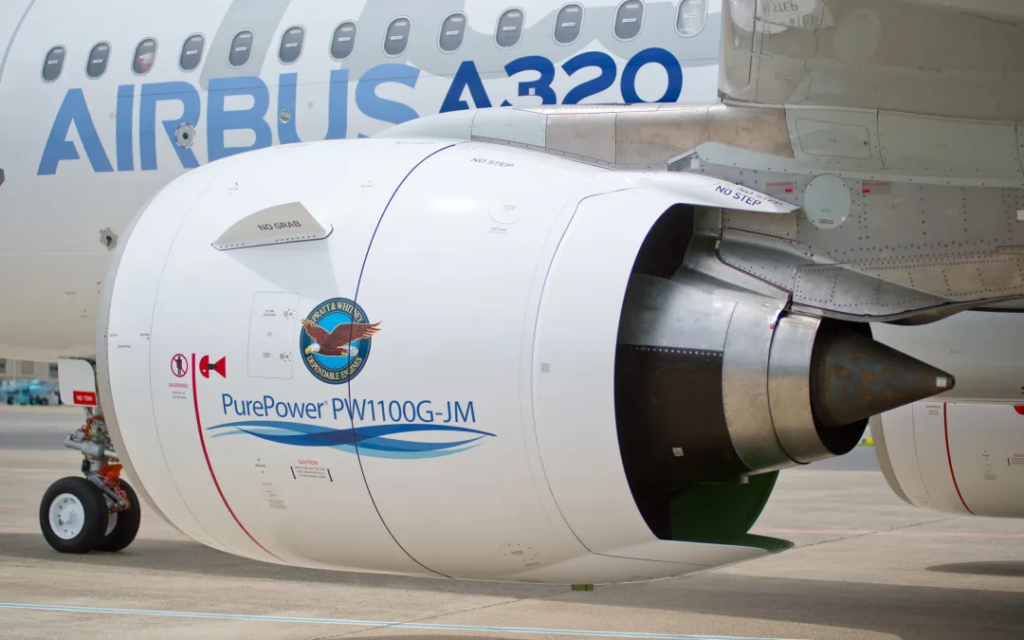
The software recall was triggered after experts found that the ELAC could be corrupted by intense solar radiation. In rare conditions, this weakness could cause uncommanded flight maneuvers, a risk aviation officials could not ignore.
Airbus and airlines acted quickly to mitigate the threat:
- Issued an emergency software update for the ELAC across the global A320-family fleet.
- Coordinated installations with airlines and aviation regulators worldwide.
- Prioritized fleet patches to minimize safety risk while maintaining operations.
Even with a fast safety fix, the recall affected schedules on busy international routes used by people moving between countries for work, study, and family reunions.
CEO response and industry implications
“We want to sincerely apologize to our airline customers and passengers who were impacted. But we consider that nothing is more important than safety when people fly on one of our Airbus aircraft—like millions do every day. This experience has taught us valuable lessons about the complexity of modern aviation technology and the importance of proactive risk mitigation.”
— Guillaume Faury
Faury acknowledged the event as a serious warning for an industry increasingly reliant on complex software. He said the recall demonstrated the need to reassess:
- Software reliability
- Real-time monitoring
- Risk management in modern, digital aircraft systems
He also promised a detailed review of Airbus’s software development and validation processes.
Why this matters for travelers with immigration timelines
For travelers dealing with visa deadlines, immigration interviews, or tight renewal windows, even short flight disruptions can have major consequences. Airlines reshuffling aircraft, canceling flights, or adjusting schedules create ripple effects for people who must meet specific, date-bound immigration requirements.
Key groups at risk include:
- Temporary workers with narrow entry windows
- International students needing to arrive before term starts
- Family-based immigrants scheduled for green card interviews
- People with biometrics appointments, visa interviews, or consulate deadlines
According to analysis by VisaVerge.com, aviation reliability is closely tied to cross-border mobility for those on strict immigration timelines. Even prompt safety fixes can still lead to:
- Missed consulate or embassy appointments
- Late arrivals that affect visa validity or activation
- Forced reliance on higher-cost or fewer-route options at short notice
Government guidance assumes travel will operate as planned: for example, the U.S. Department of State’s travel portal at https://travel.state.gov stresses that travelers follow strict document rules — rules that often presume timely flights.
Wider operational and social impacts
Airbus reported that the rapid update and coordination helped avoid major safety incidents, but the episode revealed broader vulnerabilities:
- Gaps in technical oversight and supply chain resilience
- Increased dependency of fleet planning on stable software
- Potential for carriers to reassign capacity away from lower-profit routes, affecting migrants who rely on affordable, specific connections
The A320-family is widely used on routes between Europe, the Middle East, Africa, and Asia — corridors heavily used by labor migrants, students, and transnational families. When aircraft are grounded, even briefly, the consequences can include:
- Fewer flight options for migrants
- Higher last-minute fares
- Greater difficulty meeting time-sensitive immigration requirements
Environmental and technological risks
Experts noted the ELAC issue reflects a broader trend: as aircraft systems become more software-dependent, environmental factors such as solar radiation create new risk vectors. Each line of code is a potential point of failure, and extreme conditions can expose weaknesses not previously considered in validation.
Important considerations:
- How well can software-based systems withstand extreme environmental conditions?
- Can monitoring and mitigation systems detect and correct corruption before it affects flight control?
- Are development and validation processes robust enough to anticipate rare but impactful events?
Implications for immigration systems and vulnerable travelers
Airbus has not reported any direct, documented immigration-related impacts from the ELAC recall, and there were no accidents linked to the issue. Still, the CEO’s pledge to learn from the event highlights the reality that dependable air travel underpins many legal immigration routes.
Populations whose plans are most affected:
- Seasonal farm workers traveling for harvests
- Tech workers on H-1B visas with start-date obligations
- Students arriving for semester start dates
- Refugees and resettlement cases with tightly scheduled movements
For these groups, unexpected diversions, returns to origin, or long delays can create additional border questions — especially when entry stamps, admission periods, or visa activation rules hinge on exact dates.
Industry reaction and next steps
Industry specialists observed that Faury’s tone was more open and self-critical than in some past aviation controversies. The swift coordination with airlines and regulators was presented as necessary to maintain public trust — a trust that matters greatly for travelers already anxious about border rules and visa backlogs.
Airbus’s next moves are expected to include:
- A detailed audit of software development and validation practices
- Improved real-time monitoring for environmental corruption vectors
- Strengthened supply-chain and systems resilience
Key takeaways and warnings
- Immediate risk appears controlled, and regulators and airlines indicated the emergency update managed the problem.
- Warning: The incident exposes how modern aircraft software can be vulnerable to environmental extremes, which could create downstream effects for time-sensitive travelers.
- For international travelers planning life-changing moves, the promise of better, more robust software validation is crucial to ensure flights operate as expected.
Overall, the ELAC recall underscores that safe, dependable air travel is deeply entwined with modern immigration systems. For millions who rely on predictable flights to meet visas, start work, begin studies, or reunite with family, aircraft software reliability is not just a technical issue — it is a cornerstone of cross-border mobility and legal compliance.
On Dec. 2, 2025, Airbus ordered an emergency software update after researchers found ELAC units could be corrupted by intense solar radiation, risking uncommanded maneuvers. The recall affected over 6,000 A320-family jets and required coordinated global patching to minimize operational disruption. CEO Guillaume Faury apologized and promised a review of software development, monitoring, and risk management. While no accidents were reported, experts warn the incident exposes software vulnerabilities with potential downstream consequences for time-sensitive travelers and airline operations.