(MUMBAI, INDIA) Air India AI191, a long-haul service from Mumbai to Newark operated by a Boeing 777, made a precautionary u-turn early Wednesday and returned to Chhatrapati Shivaji Maharaj International Airport after the aircraft’s TCAS failed mid-flight. The airline confirmed the October 22, 2025 event involved a suspected fault in the Traffic Collision Avoidance System (TCAS), a safety tool that warns pilots about nearby aircraft. The flight landed safely in Mumbai around 5:30 am IST, with no injuries reported.
What happened in flight
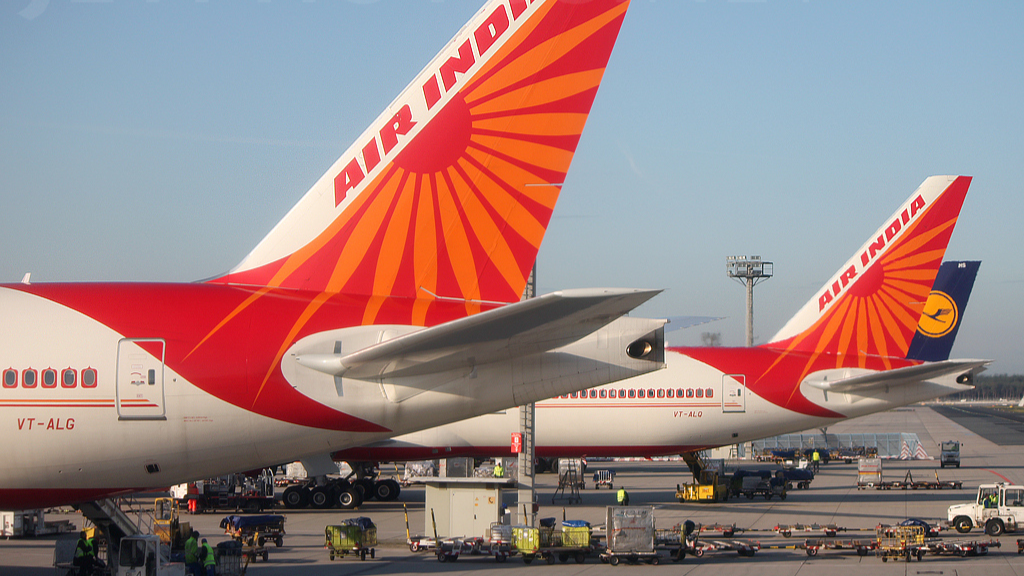
The aircraft departed between 1:15 and 1:50 am IST for the Mumbai–Newark route and remained airborne for roughly three hours. Pilots attempted multiple resets of the TCAS before deciding to return as a safety precaution.
There were no signs of foul play or any security threat; the issue was described as purely technical. Upon landing, the Boeing 777 was withdrawn from service for inspection and maintenance.
Operational impact and cancellations
Air India canceled the onward AI191 (Mumbai–Newark) sector and the return AI144 (Newark–Mumbai) rotation while engineers carried out detailed checks. The airline declined to share the exact number of passengers affected but stated that all necessary support was provided.
According to analysis by VisaVerge.com, mid-journey returns like this, while disruptive, align with global safety practices that prioritize preventive action when a critical system such as TCAS does not perform as designed.
What TCAS is and why it matters
- TCAS (Traffic Collision Avoidance System) is one of the last lines of defense against mid-air conflicts.
- It constantly scans for other transponder-equipped aircraft and issues traffic advisories (TAs) and resolution advisories (RAs).
- If TCAS fails, pilots lose a key layer of situational awareness—especially in busy airspace or over oceanic segments where radar coverage may be limited.
When TCAS becomes unreliable, crews:
1. Escalate checklists.
2. Consult engineering via dispatch.
3. Err on the side of caution—often returning to base where maintenance support and spare parts are available.
Choosing to return to base is a standard, safety-first decision when a core defense layer like TCAS is unavailable.
Passenger support and rebooking
Air India said passengers in Mumbai received hotel accommodation and were rebooked on later services, either on Air India or other carriers. In Newark, travelers booked on AI144 were notified about the cancellation and offered alternative travel arrangements.
The airline emphasized there was no emergency during the flight, only a precautionary return to avoid operating long-haul without a fully functioning TCAS.
Practical advice for U.S.-bound travelers
Travelers on tight schedules (school terms, work reporting dates, medical appointments) should document disruptions carefully. Suggested steps:
- Save rebooking emails, boarding passes, and hotel vouchers.
- Keep your phone reachable and check email frequently for rebooking options.
- If offered a long delay, ask about meal and hotel vouchers and whether interline rebooking to another carrier is possible at no extra cost.
- Verify that checked bags are retagged to your new flight and that special items (strollers, medical devices) are accounted for.
- If you face tight U.S. reporting deadlines, request a dated disruption letter from the airline to support any later explanations.
If your U.S. visa foil or admission documents are date-sensitive, note:
- If your visa is still valid, a flight cancellation does not affect the visa itself.
- Contact your school’s international office for updated reporting guidance and a new travel letter if needed.
- If you are a worker with a start date, ask your employer for a brief letter explaining the delay due to airline disruption.
Students and short-term visitors should also check ticket flexibility and baggage status, since reticketing to different carriers may split itineraries or change connection points. Families should reconfirm seats together because rebooking systems sometimes separate groups unless an agent intervenes.
VisaVerge.com reports there is no evidence a precautionary mid-air return like this affects future screening. The event is logged as an operational irregularity tied to aircraft maintenance, not passenger conduct.
Fleet context, recent disruptions, and safety oversight
This event follows other technical disruptions to Air India’s long-haul program in October, including:
– A Milan–Delhi cancellation on October 17, and
– A Vienna–Delhi diversion earlier in the month.
Air India said the affected Boeing 777 is undergoing a detailed technical inspection in Mumbai and will only return to service once cleared.
From a safety standpoint:
– The decision to return aligns with standard operating procedures.
– Long-haul flights depend on multiple independent systems; when a collision-avoidance system is unreliable, conservative choices protect safety.
– Passengers experience frustration, but modern aviation builds safety through redundancy and conservative decision-making.
India’s aviation regulator, the Directorate General of Civil Aviation (DGCA), oversees airworthiness and operational safety standards. Travelers seeking official policy guidance can consult DGCA India, which publishes circulars and advisories for airlines and crew.
Air India has not suggested any regulatory noncompliance; the carrier described the incident as a technical malfunction handled according to procedure.
Consequences at the Newark end
The cancellation of AI144 affected passengers in New Jersey who:
– Missed connections to domestic U.S. cities.
– Worried about overstaying if rebooked days later.
In general:
– U.S. visitors admitted for a set period have flexibility to depart earlier or later than their original ticket, provided they leave before the admitted-until date shown by their passport stamp or electronic record.
– A canceled flight alone does not create a status problem, but travelers should monitor new itineraries to ensure timely departure.
Practical checklist after a cancellation on this route
- Keep phone and email active for rebooking updates.
- Request vouchers (meals, hotel) when applicable.
- Confirm checked baggage is retagged correctly.
- Obtain a dated disruption letter if you need to explain delayed reporting to a school or employer.
- Retain all travel documents and receipts to support any later claims or explanations.
Human impact and airline response
For families and elderly travelers, the human toll includes lost sleep, anxiety, and disruption of life events. Ground teams and clear communications reduce stress: gate updates, realistic timelines, and proactive rebooking are essential.
Air India said support measures were “in place,” and passengers in Mumbai reported receiving hotels and new flight options. The coming days will test the carrier’s ability to absorb backlog and stabilize long-haul schedules after several October disruptions.
Near-term expectations
As Air India works through fleet renewal and cabin retrofit plans, reliability on marquee routes such as Mumbai–Newark is critical for immigrants, students, and business travelers who depend on predictable service.
Engineers will diagnose the 777’s TCAS fault, test the system, and—after regulatory checks—return the aircraft to service. The airline has not provided a timeline.
There is no indication of foul play; officials characterized the issue as a technical malfunction detected and handled in flight. For affected travelers: keep documentation, stay flexible with travel windows, and coordinate with schools or employers when plans shift.
Safety-first choices may disrupt plans in the short term, but they help ensure everyone reaches their destination safely.
This Article in a Nutshell
On October 22, 2025, Air India flight AI191 (Mumbai–Newark) returned to Mumbai after its Boeing 777 experienced a suspected Traffic Collision Avoidance System (TCAS) failure mid-flight. The aircraft remained airborne for roughly three hours while crew attempted multiple resets before deciding to turn back as a safety precaution. The jet landed safely at about 5:30 am IST with no injuries. Air India canceled the onward AI191 sector and its return AI144 rotation while engineers performed detailed inspections; affected passengers received hotel accommodation and rebooking assistance. Regulators and the airline described the incident as a technical malfunction, not a security threat, and emphasized adherence to safety procedures while the aircraft is grounded pending maintenance checks.
Live Government Data
State Dept • CBPBusiest Border Crossings
- Nogales 120 min
- San Ysidro 115 min
- El Paso 80 min