- An Air Canada Express flight collided with a fire truck during landing at LaGuardia Airport.
- The tragic accident killed both pilots and resulted in thirteen other people being hospitalized.
- The NTSB has launched a federal investigation into the runway collision and communication errors.
(NEW YORK, USA) — Air Canada Express flight AC8646 collided with a Port Authority fire truck while landing at LaGuardia Airport late on Sunday, killing the two pilots and injuring 13 other people, authorities said.
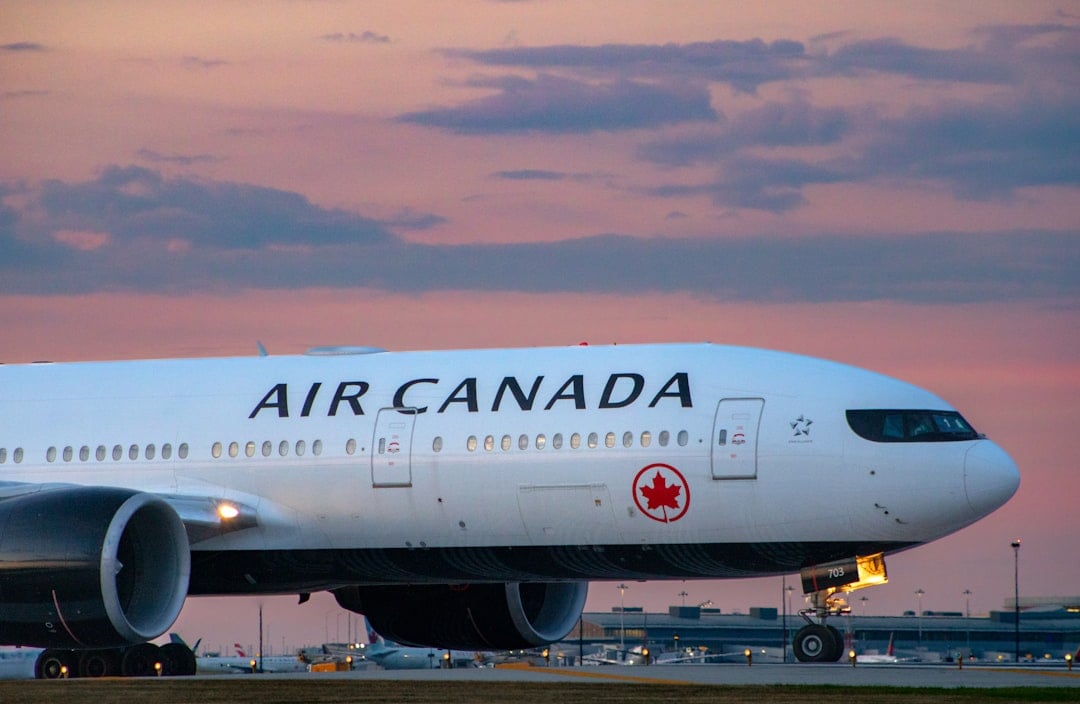
The Air Canada Express CRJ-900LR struck the vehicle on Runway 4 during rollout after touchdown at approximately 11:38 p.m. ET on March 22, 2026. The aircraft had departed Montreal at 10:35 p.m. ET and was arriving in New York when the crash occurred.
Both the pilot and co-pilot were killed. Thirteen others were hospitalized, including 11 passengers and 2 Port Authority police officers assigned to firefighting duties.
Officials said the Port Authority fire truck was responding to a separate incident when the aircraft hit it. Air traffic control audio captured the tower clearing the vehicle to cross at taxiway G, or Delta in some accounts, before urgently instructing it to stop moments before impact.
Jazz Aviation operated the flight, which carried 72 passengers and 4 crew members. The collision happened before the aircraft had fully completed its landing rollout.
The impact sheared off the plane’s nose and destroyed Fire Truck 1, a rescue and firefighting vehicle. Images from the scene showed the aircraft tilted on the runway with severe damage to the front section.
LaGuardia shut down immediately after the collision. The Federal Aviation Administration issued ground stops at 12:44 a.m. ET, and operations remained suspended until 2:00 p.m. ET on Monday, March 23.
Emergency crews worked through the night as light rain and fog added to the operational strain at one of the region’s busiest airports. Weather-related disruption had already affected LaGuardia before the crash.
The New York City Fire Department responded at 11:38 p.m. ET. Early responder reports from the scene indicated serious injuries.
Among those hospitalized were passengers from the aircraft and Port Authority personnel on the ground. Authorities identified the injured officers as one sergeant and one officer assigned to firefighting duties.
The New York City Chief Medical Examiner’s Office confirmed the identities of the pilot and co-pilot on scene Monday morning. Authorities did not release additional personal details in the information made public.
The National Transportation Safety Board took charge of the investigation. NTSB Chair Jennifer Homendy was on scene as spokesperson, and board member John DeLeeuw was assisting as investigators headed to LaGuardia.
Federal investigators now face the task of reconstructing the final seconds of a landing that ended in a runway collision involving an arriving passenger aircraft and an emergency vehicle. Early official accounts centered on the movement of the fire truck across the runway and the aircraft’s rollout after touchdown.
Authorities have not released findings on cause or liability. The NTSB said it had dispatched a team, and the inquiry was in its earliest stage.
That left LaGuardia Airport dealing with both the emergency response and the wider effect on air traffic into and out of New York. Airport operations stayed suspended into March 23, and officials warned that disruption could continue as investigators examined the runway and damaged vehicles.
The crash involved a regional jet widely used on short-haul routes across North America. In this case, the Air Canada Express CRJ-900LR was nearing the end of its trip from Montreal when the landing sequence turned into a fatal accident on the ground.
Runway collisions are investigated differently from crashes in flight because they can involve aircraft operations, airport vehicle movements, communications with the tower, and visibility conditions at the airfield. The weather at the time included light rain and fog, conditions that can complicate movement on the airfield even when operations remain active.
Air traffic control audio became an immediate focus because it captured instructions to the vehicle before impact. The transmission recorded the tower clearing the fire truck to cross and then issuing an urgent order to stop moments later.
Authorities did not publicly release a broader timeline beyond those exchanges and the approximate time of impact. Still, the sequence established that the aircraft had already touched down and was rolling out when it struck the truck.
That distinction matters for investigators because the plane was no longer approaching the runway but moving along it after landing. Images from the scene appeared to support that account, showing heavy damage concentrated at the nose of the aircraft.
The Port Authority fire truck had been heading to another emergency when the collision occurred, according to a Port Authority spokesperson. The vehicle itself was destroyed in the crash.
First responders arriving after impact faced a scene involving fatalities in the cockpit, injured passengers and injured airport personnel. Earlier accounts from responders indicated at least two serious injuries at the scene before the full hospitalization count was established.
For travelers, the effects spread beyond the airport perimeter almost immediately. LaGuardia’s shutdown forced airlines and passengers to confront delays and cancellations overnight and into Monday.
The FAA ground stop at 12:44 a.m. ET formalized what had already become a full halt in airport activity. With operations suspended until 2:00 p.m. ET on Monday, carriers faced a compressed schedule and the prospect of further disruption tied to both the investigation and the weather.
Air Canada Express advised affected passengers to contact the airline regarding rebooking. That guidance came as authorities continued to release confirmed information and as airport conditions remained fluid.
The route itself was routine. Flight AC8646 had left Montreal less than an hour and a half before the collision and was arriving at LaGuardia with 72 passengers and 4 crew members aboard.
Nothing in the public information released early Monday indicated a problem in the air before touchdown. The focus remained on the rollout, the runway crossing, and the moment the aircraft and the emergency vehicle met on Runway 4.
Homendy’s presence on scene signaled the seriousness of the federal response. As investigators began documenting the wreckage, the visible damage to the front of the aircraft stood out in photos circulated from the runway.
Those images showed an airplane resting at an angle after the crash, its nose heavily damaged. The posture of the aircraft and the destruction of the truck pointed to a high-force impact even after the jet had landed.
LaGuardia’s closure also affected airport operations beyond passenger flights. Emergency and airport response activity continued overnight, with investigators, airport officials and responders sharing access to the airfield.
The collision brought together several agencies in the first hours after the crash: airport officials managing closures, firefighters and police responding on the ground, FAA personnel controlling traffic into the region, and NTSB investigators starting a federal inquiry. Each had a different role, but the immediate priorities were rescue, medical transport, runway security and evidence preservation.
Authorities released no finding on whether communications, visibility, runway procedures or vehicle routing contributed to the crash. They also did not publicly address why the fire truck was on the runway at the moment the aircraft rolled through.
Those questions are now central to the investigation. So are the final tower instructions, the timing of the crossing clearance, and the actions of the vehicle and flight crew in the seconds before impact.
The hospitalized included people from both sides of the collision, underscoring that the damage extended beyond the cockpit. 11 passengers were taken to hospitals, along with the 2 Port Authority officers.
That left many of the 72 passengers and 4 crew members to navigate the immediate aftermath of an accident that ended their trip on the runway rather than at the gate. Emergency crews sorted the injured from the uninjured as the airport closed around them.
By Monday morning, the crash site had become both an active investigation and a symbol of the airport’s disruption. Flights remained affected, and the combination of damaged equipment, a closed runway environment and poor weather pointed to continued delays.
For now, the known facts are stark: an arriving Air Canada Express CRJ-900LR from Montreal hit a Port Authority fire truck on Runway 4 at LaGuardia Airport at approximately 11:38 p.m. ET, the two pilots were killed, 13 others were hospitalized, and one of the nation’s busiest airports was forced to stop operations as investigators moved in.