- The ACLU warns that the expansion of ICE partnerships creates a national deportation policing force.
- Over 1,000 new agencies joined the 287(g) program since the start of 2025.
- Approximately 32 percent of Americans now live in counties with local-federal immigration agreements.
(UNITED STATES) — The American Civil Liberties Union released a report on February 26, 2026, warning that the Trump administration is expanding ICE’s 287(g) program in ways it says amount to a “national deportation policing force.”
The report, titled Deputized for Disaster, describes what it calls a rapid widening of local-federal immigration enforcement partnerships and the effects the group says are being felt in counties and communities.
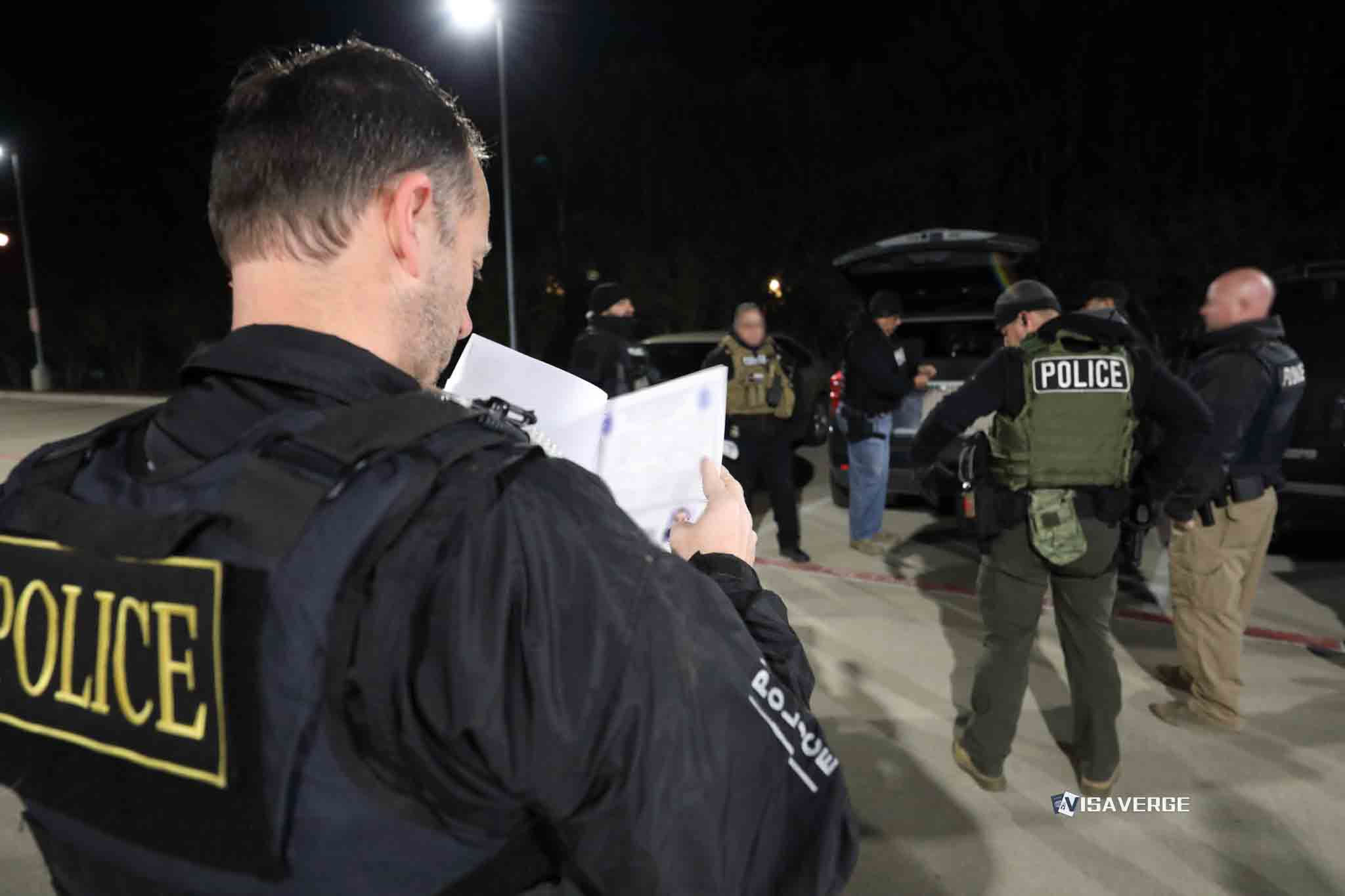
ACLU researchers argue that the program’s growth increases the chances that routine contacts with local law enforcement can lead to immigration screening, detention requests, and transfers into federal custody.
Congress authorized the 287(g) program in 1996 as a way for ICE to delegate certain federal immigration enforcement responsibilities to state and local agencies, subject to training and close supervision, the ACLU report says.
Rather than granting independent immigration authority to local departments, 287(g) operates through agreements under which ICE trains and oversees designated officers, the report says, placing local personnel into roles that intersect with federal immigration enforcement.
Those touchpoints can include jail settings and booking, database checks, detainers, coordination around transfers, and support for processing people for deportation, as characterized by the ACLU.
The ACLU report describes the current expansion as a widening deportation-policing footprint, with local departments acting in ways that can extend immigration enforcement beyond specialized federal teams.
The ACLU report measures the shift from the start of the second Trump administration in January 2025, when it says 133 state and local law enforcement agencies participated in 287(g).
Since then, ICE has signed an additional 1,079 agencies to the program, with some agencies signing multiple agreements, the report says.
As a result, the report says at least 77.2 million people — 32 percent of the country — now live in a county with a local law enforcement agency that has enlisted in the 287(g) program.
The ACLU frames county-level participation as especially consequential because local custody decisions and jail intake procedures can shape whether someone ends up on a path into ICE custody.
In explaining how the 287(g) program operates, the report describes three primary models that structure what deputized local officers can do under an agreement with ICE.
Under the Jail Enforcement Model, the report says corrections officers in local jails are deputized to interrogate people in custody about immigration status and funnel them into the deportation pipeline.
Under the Warrant Service Officer Model, the report says officers are authorized only to serve administrative immigration warrants on people in custody.
Under the Task Force Model, which the ACLU describes as the broadest form, the report says deputized officers can investigate immigration status during routine patrols and community encounters, including traffic stops.
Across these agreements, the report says local officers can interrogate anyone they believe to be a noncitizen about their right to be in the country, check DHS databases, issue immigration detainers, and process people for deportation.
The ACLU report ties that authority to civil-rights concerns it says have followed earlier uses of the program, warning that the program “has been shown to encourage racial profiling and lead to widespread civil rights abuses.”
Local officers have conducted “show me your papers” immigration enforcement often during routine traffic stops, the report says, describing what it views as a pattern that can expose people to immigration questioning based on appearance, language, or neighborhood.
Beyond constitutional issues, the ACLU report argues the expansion diverts local agencies from traditional public safety work by redeploying personnel into immigration enforcement duties.
The report describes participating departments as “ICE force multipliers,” saying local time and staffing are redirected away from core responsibilities when officers take on immigration screening and related processing.
The ACLU also raises concerns about incentives it says are tied to participation, including compensation structures it argues create pressure to produce enforcement results.
According to the report, the administration is offering to pay annual officer salaries and bonuses “based on the successful location of illegal aliens,” a claim the ACLU presents as an inducement for agencies to sign on.
The report argues the growing network undermines constitutional protections and fuels fear in immigrant communities, and it says the resulting mistrust can discourage people from reporting crimes or cooperating with police.
The ACLU frames its critique partly around what it describes as Congress’s original design for 287(g), emphasizing limited delegation, training, and close federal supervision.
In the group’s view, the Trump administration has “gone far beyond this original intent,” expanding and repurposing the program into something the report says Congress never envisioned.
The report says some law enforcement agencies, cities, and states have already begun withdrawing from the program in response to public concern about these abuses, without naming specific jurisdictions in the text provided.
In its recommendations, the ACLU calls on cities, counties, and states to “Ban or withdraw” from the 287(g) program, particularly the Task Force Model, and to “Assess legal and financial risk” through liability and insurance assessments.
It also urges jurisdictions to “Limit scope of participation” by specifying the number of officers deputized and the types of situations in which they participate, and to “Strengthen oversight” by requiring supervisory pre-approval for actions in response to federal agents’ requests.
The report casts those governance choices as a way for local jurisdictions to set boundaries on how closely their agencies align with federal immigration enforcement, amid what it describes as the construction of a national deportation policing force through the 287(g) program.