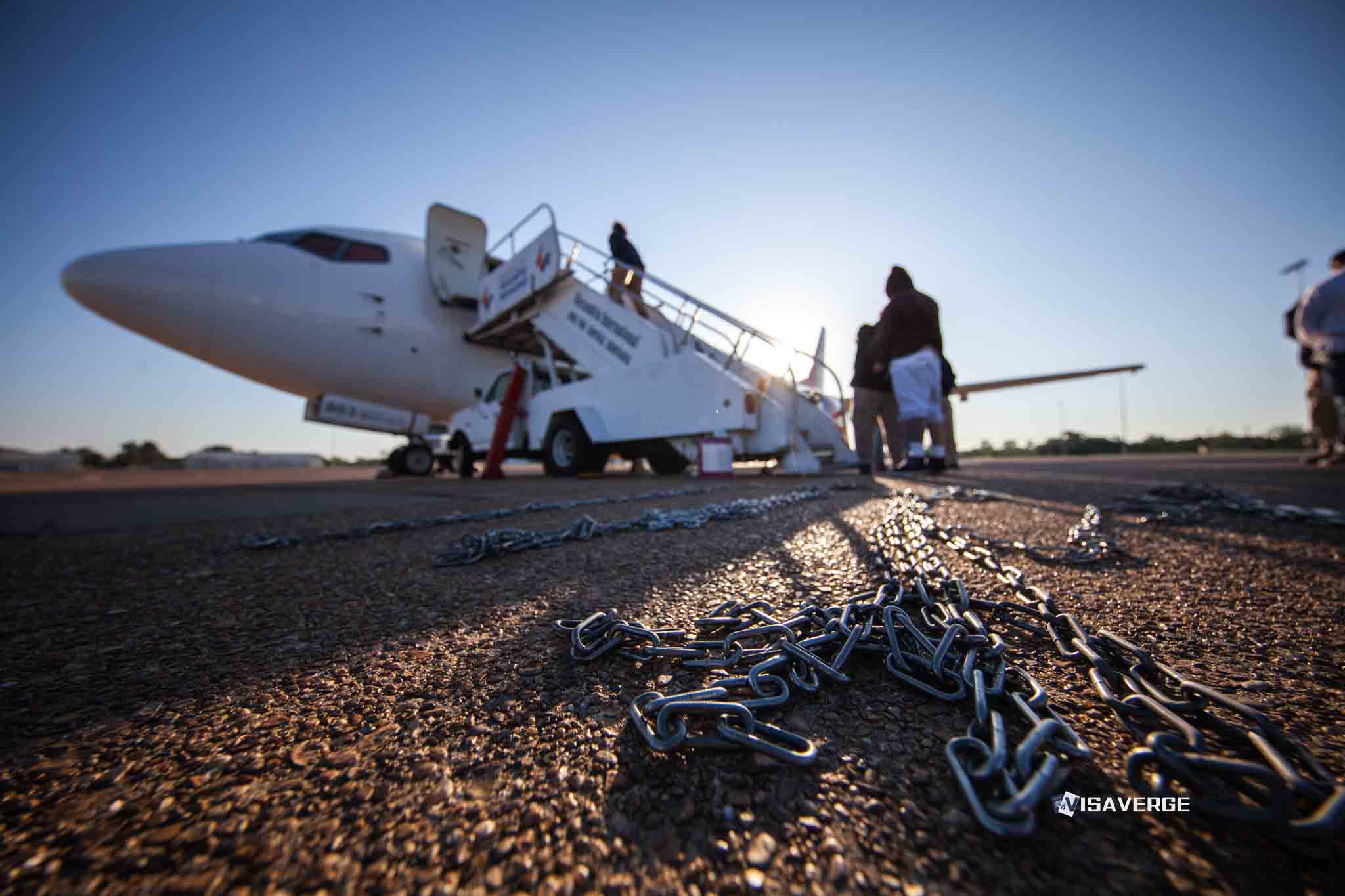
(GUANTÁNAMO BAY, CUBA) The American Civil Liberties Union has accused U.S. immigration officers of beating and terrorizing Cuban detainees and other migrants who refused to accept removal to Mexico, alleging that some were threatened with transfer to the Guantánamo Bay detention facility if they did not sign deportation papers. In a complaint filed March 1, 2025, the ACLU says Immigration and Customs Enforcement officers used violence, humiliation and isolation to force frightened detainees to agree to be sent to Mexico, even when they feared for their safety there and wanted to seek protection in the United States.
Summary of allegations

According to the detailed filing, which describes more than a dozen incidents in U.S. immigration custody, guards punished Cuban detainees and Venezuelan nationals with final orders of removal who resisted signing deportation forms to allow their removal to Mexico. The complaint describes a pattern of:
- Verbal harassment
- Physical assaults
- Harsh restraints, including alleged use of a so‑called “punishment chair” where people were strapped down for hours
Detainees say officers withheld water, conducted invasive strip searches, and warned that if they kept refusing, they would be put on a plane to Guantánamo Bay and forgotten there.
Events beginning February 6, 2025
The allegations focus on events the ACLU says took place on and after February 6, 2025, when ICE officers allegedly went from housing unit to housing unit asking Venezuelan detainees to consent to deportation to Mexico. Those who refused were reportedly told they would instead be flown to Guantánamo Bay, the offshore U.S. military prison site long associated with terrorism suspects.
Detainees describe being:
- Shackled at the wrists and ankles
- Strip‑searched
- Blocked from calling family members
Officers allegedly attempted to wear detainees down in order to obtain signatures on deportation paperwork.
Reported specific abuses
The filing includes several severe individual incidents, including:
- A guard allegedly slammed a radio into a detainee’s hand, fracturing the hand.
- Officers allegedly pointed what detainees believed was a firearm and threatened to shoot if the detainee did not comply.
- Some migrants were reportedly left for extended periods in the punishment chair, unable to move, denied bathroom breaks, and mocked when they protested pain or injury from the restraints.
- Claims that water was withheld and that invasive searches were conducted as coercive measures.
Government position and ACLU response
The government has defended detention and rapid deportations by saying many of those held are “gang members and dangerous criminals.” The ACLU rejects that characterization in the complaint, calling it both false and legally irrelevant to how officers must treat people in custody.
The ACLU emphasizes that Cuban detainees and Venezuelan asylum seekers with final removal orders still retain basic rights, including the right not to be beaten, threatened, or forced into removal through fear of being sent to Guantánamo Bay.
“Consent obtained under duress has no meaning under the law,” the ACLU warns in the filing.
Broader context and policy implications
The complaint arrives amid an expansion of detention facilities and increased deportation flights by U.S. Immigration and Customs Enforcement. Rights groups say these enforcement efforts often target people with long‑pending cases and those who say they fear persecution if returned to third countries.
Legal analysts note the complaint raises questions about the legality and ethics of speeding deportations to a third country like Mexico when detainees have no ties there. The ACLU argues threats to send migrants to Guantánamo Bay recall the worst abuses of the post‑September 11 era, when that site became a symbol of detention without trial.
If investigators confirm the reported beatings, punishment chair use, and denial of water, the case could lead to:
- Calls in Congress to cut funding for immigration detention
- Increased support for alternatives such as community programs or parole
- Discipline or removal of officers found responsible
Remedies requested in the filing
The ACLU’s filing, submitted to federal officials in early March, asks for several immediate steps:
- An immediate investigation into the conduct of ICE officers and contractors at the implicated facilities.
- An end to the use of the punishment chair.
- Strict limits on restraints and strip searches.
- Clear bans on threats involving Guantánamo Bay.
- Discipline or removal of officers found responsible for beatings, broken bones, or threats of shooting.
- Revocation of any removal orders obtained through coercion or fear.
Official responses and standards
ICE did not immediately respond to questions about the specific allegations, including the reported threats to send migrants to Guantánamo or the claim that a detainee’s hand was fractured by a guard wielding a radio.
The agency has said in past statements that it is committed to safe and humane treatment of people in custody and that officers are trained to follow federal standards. Official detention standards posted by U.S. Immigration and Customs Enforcement state that staff must never use force to punish detainees and must protect them from physical abuse.
Impact on families and communities
For Cuban families watching from abroad, the reports cut especially deep. Many left 🇨🇺 hoping to escape political repression and now find loved ones locked in U.S. detention, facing removal to Mexico or even the shadow of Guantánamo Bay. Advocates say some relatives have struggled to reach detainees by phone after the February 6 campaign to secure signatures, and fear that people are signing documents they do not fully read simply to avoid more time in shackles or the punishment chair.
The ACLU warns that such consent obtained under duress has no legal meaning.
Potential outcomes and current status
The complaint suggests pressure tactics may affect people beyond Venezuelan and Cuban detainees with final removal orders, potentially reaching others who resist being sent to Mexico rather than to their countries of birth.
For now, the people named in the complaint remain in legal limbo, caught between fear of return and fear of the guards who control their daily lives. The ACLU’s request for federal investigation could lead to policy changes or disciplinary action if the allegations are substantiated.
Quick reference: alleged abuses and requested actions
| Alleged abuses reported | Requested remedies |
|---|---|
| Physical assaults (beatings, fractured hand) | Immediate investigation |
| Threats to send detainees to Guantánamo Bay | End use of punishment chair |
| Prolonged restraint in punishment chair | Strict limits on restraints & strip searches |
| Withholding water, denial of calls | Clear bans on Guantánamo threats |
| Pointing firearm and other intimidation | Discipline/remove responsible officers |
| Coerced signatures on removal orders | Revoke removals obtained under coercion |
If you would like this reorganized for a briefing memo or need extracts formatted as separate quotes or pull‑quotes, tell me which parts to prioritize.
The ACLU’s March 1, 2025 complaint accuses ICE officers of using beatings, shackling, strip searches, withholding water and threats—including transfer to Guantánamo Bay—to coerce Cuban and Venezuelan detainees into signing deportation forms to Mexico. The filing details more than a dozen incidents, seeks an immediate federal investigation, bans on punishment chairs and coercive threats, limits on restraints, and revocation of removal orders obtained under duress.