- MSC Cruises has launched a major repatriation effort for over 1,500 guests stranded on the MSC Euribia in Dubai.
- The operation utilizes dedicated charter flights alongside commercial partnerships with Emirates and Fly Dubai to transport passengers.
- Conflict-driven airspace closures since February 28 have forced the cancellation of all remaining regional cruise departures.
(DUBAI) — MSC Cruises organized flights for more than 1,500 guests from the stranded MSC Euribia in Dubai, with seven flights having departed the region as of March 6th, 2026.
The repatriation effort combines dedicated charter flights operated at MSC Cruises’ expense with seats secured through partnerships with Emirates and Fly Dubai on scheduled commercial services, plus government-organized flights.
Pierfrancesco Vago, Executive Chairman of MSC Cruises, said: “I am immensely proud of how the whole Company is coming together with this highly complex repatriation operation. Our Ship Command and crew have worked tirelessly to ensure our guests are well cared for and our teams across the globe have worked round the clock to get our guests home safely and in a timely manner.”
MSC Euribia remained docked in Dubai following guidance from regional military authorities, MSC Cruises said. The company described the situation on board as calm, with guests receiving regular updates and full access to onboard services and facilities.
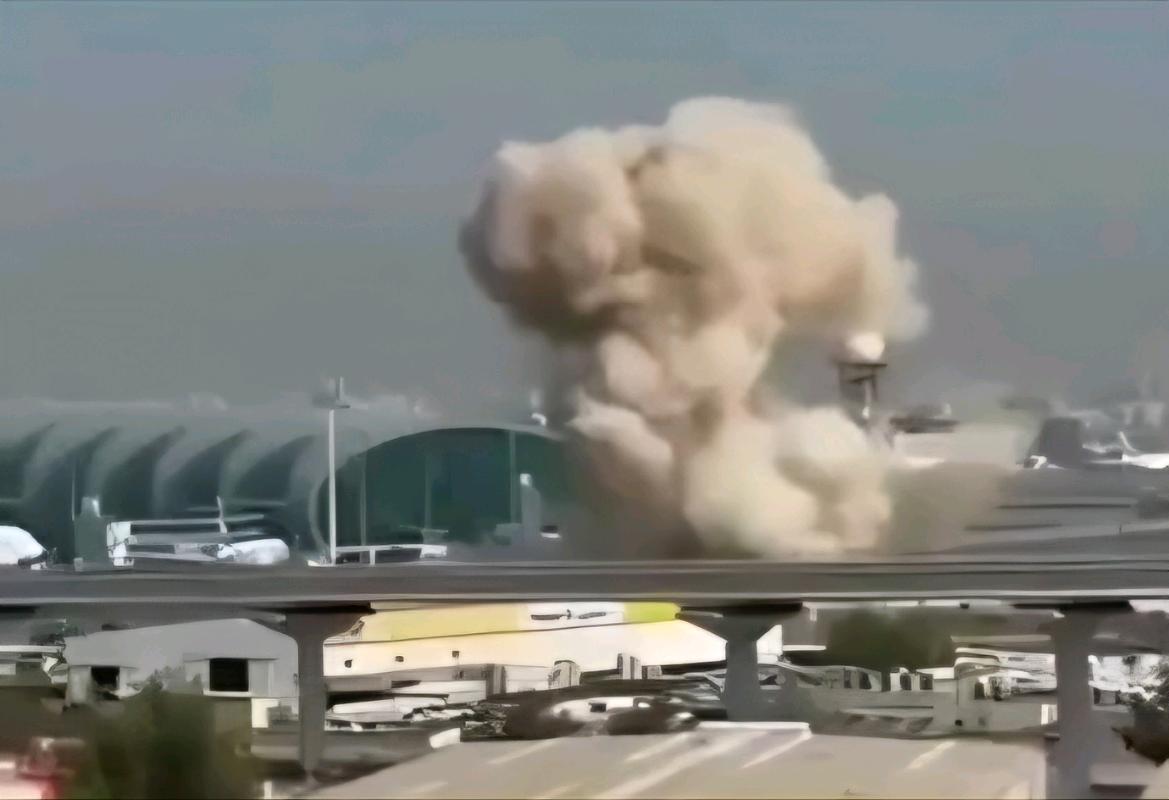
The cruise ship became stranded in Dubai when conflict between the U.S., Israel, and Iran erupted on February 28, 2026, forcing regional airspace closures and grounding most commercial flights. Those restrictions disrupted onward travel for cruise passengers and left MSC Cruises working to move guests home through a patchwork of available options.
MSC Cruises initially launched a dedicated flight operation on March 5th with five charter flights planned, targeting the repatriation of close to 1,000 guests by Saturday, March 7th. The cruise line said it was pursuing additional pathways for remaining guests, including further charter options and coordinated government-assisted solutions.
The charter flights form one channel of a wider plan built around whichever flight corridors remain workable as airspace restrictions shift. MSC’s approach also relies on scheduled airline capacity, including seats it said it secured through Emirates and Fly Dubai, and on flights organized by governments for their nationals.
Routing choices can change quickly when airlines adjust operations, cancel services, or limit capacity, and MSC Cruises framed its plan as a multi-track effort designed to keep passengers moving even when individual options fall away. The company’s targeting of close to 1,000 guests by Saturday, March 7th set an operational marker for the first phase of its evacuation plan, with additional guests to follow through later flights.
MSC Cruises said guests have been repatriated to the United Kingdom, Italy, Germany, Spain, the United States, and Brazil. Those destinations reflected a mix of charter arrangements and commercial airline seats, with some travelers also relying on government-organized flights.
The reliance on hubs and onward connections means outcomes can differ by final destination and by which carrier can carry a passenger over the remaining corridors. Passengers heading to Europe and the Americas can require different routings depending on where seats are available and how quickly airlines can place additional capacity into the market while regional airspace restrictions persist.
In practice, MSC Cruises’ statement that charter flights operate at its expense points to a model in which the cruise line arranges aircraft capacity directly, rather than relying exclusively on travelers to rebook themselves through normal airline channels. Those charters can move groups quickly when scheduled services remain constrained, but the broader operation still depends on coordinating passenger manifests, securing permissions, and matching flights to passengers’ onward needs.
Alongside charters, MSC Cruises said it secured seats through partnerships with Emirates and Fly Dubai on scheduled commercial services. That option can help reach travelers whose destination matches what remains available on published routes, while the cruise line’s use of government-organized flights provides another pathway when states mount their own efforts to bring citizens home.
Airline and government options can carry different conditions from a charter arranged by a cruise operator, and travelers can face different paperwork, baggage, and connection realities depending on which channel they take. MSC Cruises presented its plan as one that mixes these tools to keep passengers moving out of Dubai while the regional situation keeps commercial aviation under strain.
For passengers whose journeys involve cancellations and rebookings, the question of refunds and compensation can depend on the itinerary, the operating carrier, and where the disrupted flight departs. Travelers booked on scheduled services may have rebooking or refund rights tied to the airline’s conditions of carriage and applicable passenger-rights regimes, while some compensation rules can limit cash payouts when disruption stems from conflict or airspace closures.
The mix of repatriation channels can further shape what rules apply. A charter arranged by MSC Cruises does not function the same way as an individual ticket purchased directly from an airline, and a government-organized flight can operate under separate terms from both normal scheduled tickets and cruise-provided charters.
Passengers connecting through the European Union or the United Kingdom can have rights that hinge on factors such as where the flight departs and which carrier operates it, while U.S.-linked itineraries can raise different sets of refund and rebooking expectations. Even when cash compensation is constrained by the nature of the disruption, refund and rerouting options can still become central to how travelers make it home, particularly if they must connect onward after leaving Dubai.
MSC Cruises’ operational focus remained on moving passengers off the MSC Euribia while keeping the ship stable and services running. The company said guests continued to have full access to onboard services and facilities as they waited for flights.
The disruption also forced MSC Cruises to cancel planned departures. All subsequent March 7th and March 15th departures, as well as all remaining scheduled cruises for the region, have been cancelled.
For guests still onboard, the ship’s extended stay in Dubai has turned a scheduled cruise call into a prolonged wait for aviation capacity. MSC Cruises has positioned shipboard operations as part of the repatriation plan, keeping passengers accommodated as flight options emerge and as schedules are confirmed.
Vago’s statement highlighted both the scale and the internal coordination required. “I am immensely proud of how the whole Company is coming together with this highly complex repatriation operation. Our Ship Command and crew have worked tirelessly to ensure our guests are well cared for and our teams across the globe have worked round the clock to get our guests home safely and in a timely manner,” he said.
MSC Cruises said its teams were working with airlines and governments, reflecting a cross-border effort that relies on multiple actors as the situation evolves. That coordination can determine whether passengers travel on charter flights, find seats on scheduled services through Emirates and Fly Dubai, or depart through government-organized flights.
The focus on crew support ran through Vago’s remarks as he praised ship command and onboard staff. The company’s messaging also emphasized safe timelines, pairing speed with caution as it works within restrictions shaped by the regional security situation.
The conflict-driven airspace closures that followed the eruption of hostilities on February 28, 2026, remain the underlying trigger for the repatriation push. With most commercial flights grounded, MSC Cruises moved to assemble charter flights, secure scheduled seats where available, and use government channels to get guests off the MSC Euribia and out of Dubai.