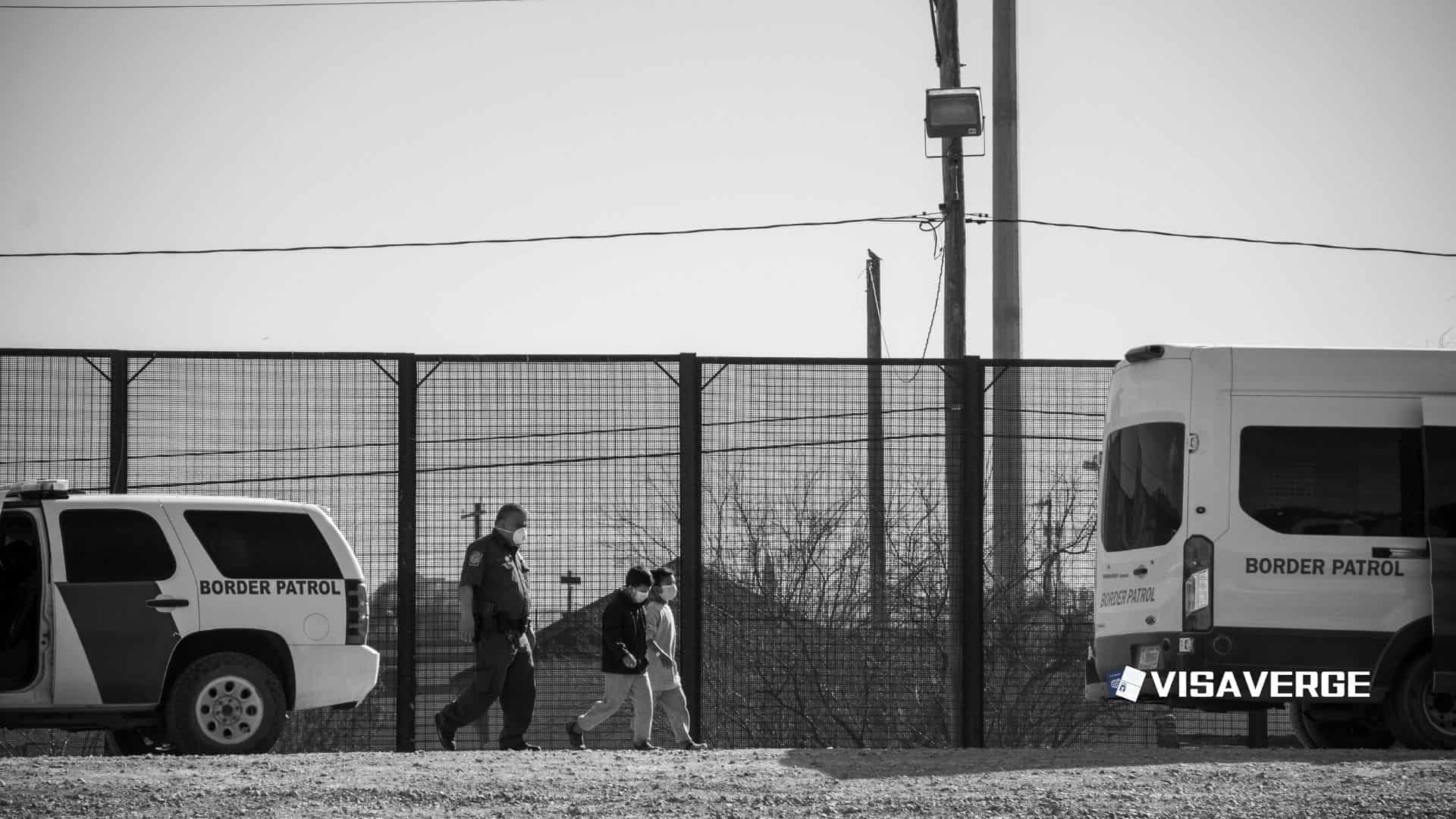
(UNITED STATES) A record 3,258 Indian nationals were deported from the United States in 2025, the highest annual total in 16 years and more than double the previous year’s figure, according to official data disclosed to India’s Parliament. The numbers, covering the period from January to November 28, 2025, show how sharply removals of Indian citizens have risen as U.S. authorities tighten enforcement against irregular migration and visa violations.
Scale and recent trend
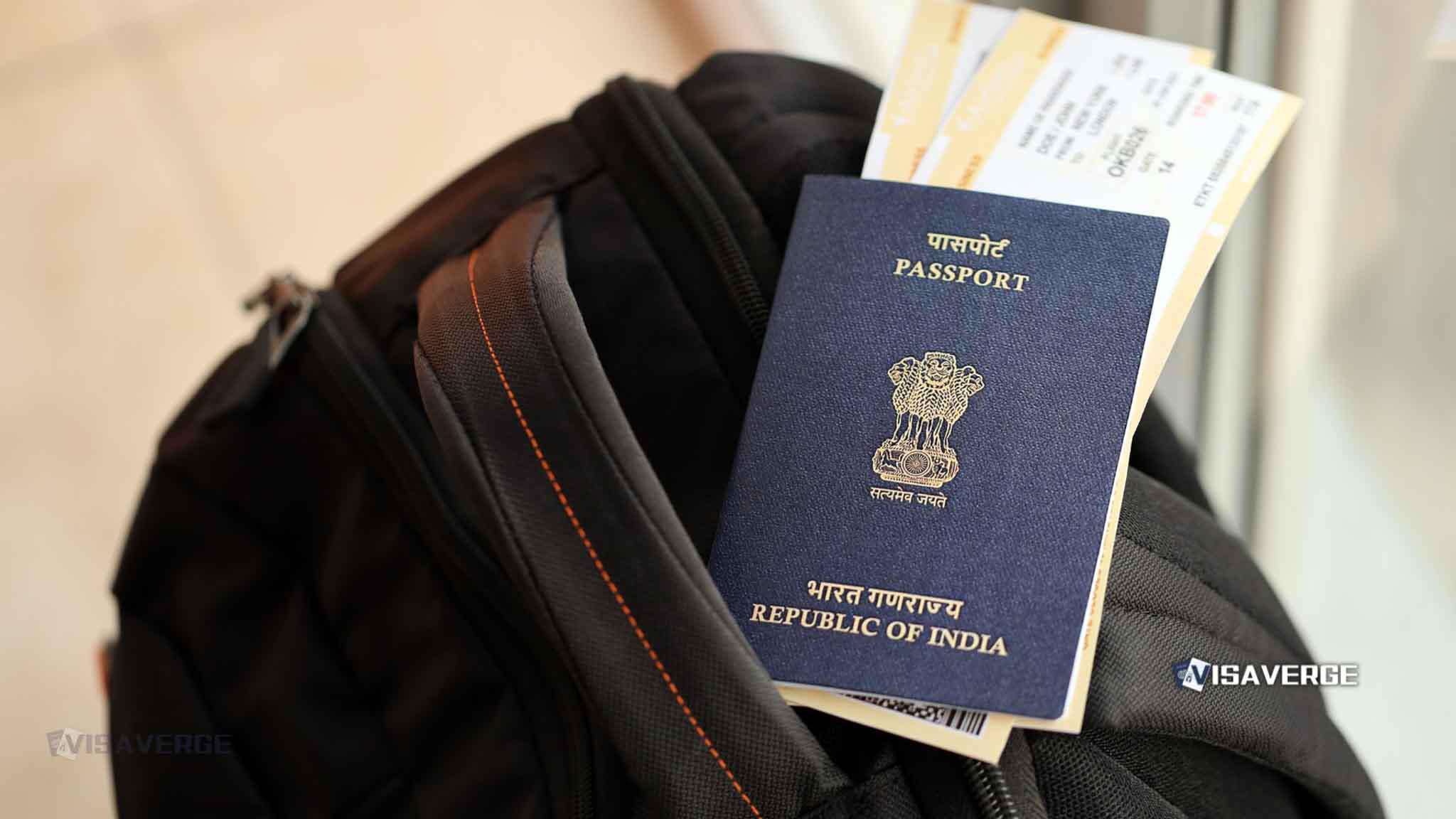
The data, shared by External Affairs Minister Dr. S. Jaishankar in a written reply to the Rajya Sabha on November 28, 2025, underline how deportations have surged in just three years.
- 2023: 617 Indians
- 2024: 1,368 Indians
- 2025: 3,258 Indians (Jan–Nov 28, 2025)
This represents almost a six-fold rise compared with 2023. Since systematic tracking began in 2009, a total of 18,822 Indians have been deported from the U.S., making 2025 the single worst year in that 16-year period.
The figures cover people who either entered without inspection, overstayed legal visas, lacked valid documents, or were removed after criminal convictions.
How removals were carried out
U.S. authorities used both regular commercial flights and government-chartered aircraft to repatriate Indian nationals in 2025.
| Total removed (2025) | Commercial flights | Chartered flights |
|---|---|---|
| 3,258 | 2,032 (about 62.3%) | 1,226 (about 37.6%) |
- Commercial flights were used for the majority of removals.
- Charter flights (arranged by U.S. Immigration and Customs Enforcement (ICE) or Customs and Border Protection (CBP)) are typically used to remove larger groups, often after crackdowns on specific migration routes.
For official U.S. removal statistics and policy guidance see: ICE Removal Operations.
Who was deported
Indian officials confirmed that the deported included both:
- People with serious criminal histories, and
- First-time border crossers and visa over-stayers.
Notable reported names include alleged criminals and gang-linked figures such as Lakhwinder Singh and Anmol Bishnoi, whose removals were widely reported in Indian media. Their inclusion has intensified debate in India about how criminal networks exploit illegal migration channels — both to escape local cases and to extend gang operations abroad.
Role of trafficking and smuggling syndicates
The sharp rise highlights the role of human trafficking and smuggling networks in India that promise direct access to the U.S. for high fees.
- Investigations and deportation cases have exposed well-organised “Dunki” networks — a term used for illegal migration via chains of countries (often through Latin America) before reaching the U.S. border.
- Many migrants using these routes were intercepted by U.S. agents and later removed.
According to data shared in Parliament, India’s National Investigation Agency (NIA) has taken up 27 human trafficking cases linked to such routes. Outcomes so far:
| Metric | Count |
|---|---|
| Cases (NIA) | 27 |
| Arrests | 169 |
| Chargesheets | 132 |
These investigations target agents, middlemen, and recruiters who allegedly arrange fake documents, unsafe travel, and illegal border crossings, often leaving migrants stranded or in life‑threatening situations.
Regional hotspots and law enforcement action
Punjab stands out as a major hub in these investigations.
- Punjab: 25 First Information Reports (FIRs) filed against 58 illegal travel agents, with 16 arrests recorded so far.
- Haryana and Gujarat have also reported major cases and arrests tied to trafficking groups that advertise “U.S. packages” via social media, local contacts, and small travel offices.
The Indian government says it has stepped up cooperation with American agencies to verify identities and process travel documents when deportation is ordered. Dr. Jaishankar told lawmakers his ministry is coordinating with U.S. authorities to verify nationality and “address deportation cases”, while attempting to protect the rights and safety of Indian citizens abroad.
U.S. enforcement posture
For U.S. authorities, the removals form part of a broader enforcement push that includes:
- Stepped-up border patrols
- Increased use of detention
- More charter deportation flights
ICE states that its Enforcement and Removal Operations (ERO) arm focuses on people who pose public safety or national security risks, as well as those who repeatedly violate immigration laws. Official removal statistics and guidance are available on the agency’s portal: ICE Removal Operations.
Human cost and social impact
The spike also reflects how more Indians are attempting risky journeys in search of work and a better life in the U.S.
- Many deported migrants reportedly paid large sums, took loans, or sold family land to finance routes through multiple countries, jungle crossings, and cartel-controlled areas.
- Some intercepted migrants were allowed to pursue asylum or other legal claims, but many ended up in fast-track removal processes and were deported.
- Deportations often leave families with heavy debt, social stigma, and sometimes renewed pressure from the same criminal groups that arranged their travel.
According to analysis by VisaVerge.com, the 2025 spike has renewed debate among families and local communities about whether irregular travel to the U.S. is worth the growing financial and personal risk. For young people in high-migration districts of Punjab, Haryana, and Gujarat, stories of successful arrivals still drive demand for such routes despite risks.
Government response and priorities
Indian authorities say they are tackling the problem at multiple levels:
- Cracking down on trafficking rackets and illegal travel agents
- Warning the public and pushing information about legal pathways
- Freezing assets linked to trafficking schemes
- Coordinating with U.S. agencies to confirm detainee identity before travel documents are issued
- Ensuring consular access and protection of deported nationals’ rights during U.S. detention and removal processes
The government also acknowledges its obligation to accept nationals once U.S. legal processes are complete and final removal orders are issued. Diplomatic exchanges with Washington balance cooperation against trafficking with efforts to ensure fair treatment of Indian citizens during detention and deportation.
The 2025 data make clear that, for thousands of Indians, the dream of reaching the United States has ended with handcuffs, holding cells, and one‑way tickets home.
Key takeaway and warning
The record 3,258 Indian nationals removed in 2025 may serve as a stern warning: as U.S. enforcement tightens and India cracks down on trafficking rings, people considering illegal routes face higher chances of:
- Being deported
- Becoming victims of crime
- Suffering financial ruin
- Facing life‑threatening journey hazards
Whether these numbers fall in the years ahead or become the new normal will be the real test of bilateral enforcement, anti‑trafficking measures, and public awareness efforts.
Official data reveal 3,258 Indian nationals were deported from the U.S. through Nov. 28, 2025—the highest in 16 years. Removals rose sharply from 617 in 2023 and 1,368 in 2024, and used commercial and charter flights. Cases include criminal convictions, overstays, and irregular entries. India has launched NIA investigations, arrests, and chargesheets against trafficking networks. Bilateral cooperation focuses on identity verification, consular access, and protecting returnees despite social and financial harms.