- New federal rules require immigration status verification for all non-domiciled commercial driver’s license applicants.
- Contractors like USPS are phasing out migrant drivers through enhanced safety checks and English proficiency requirements.
- The administration cites deadly traffic accidents as the primary justification for tightening commercial licensing standards.
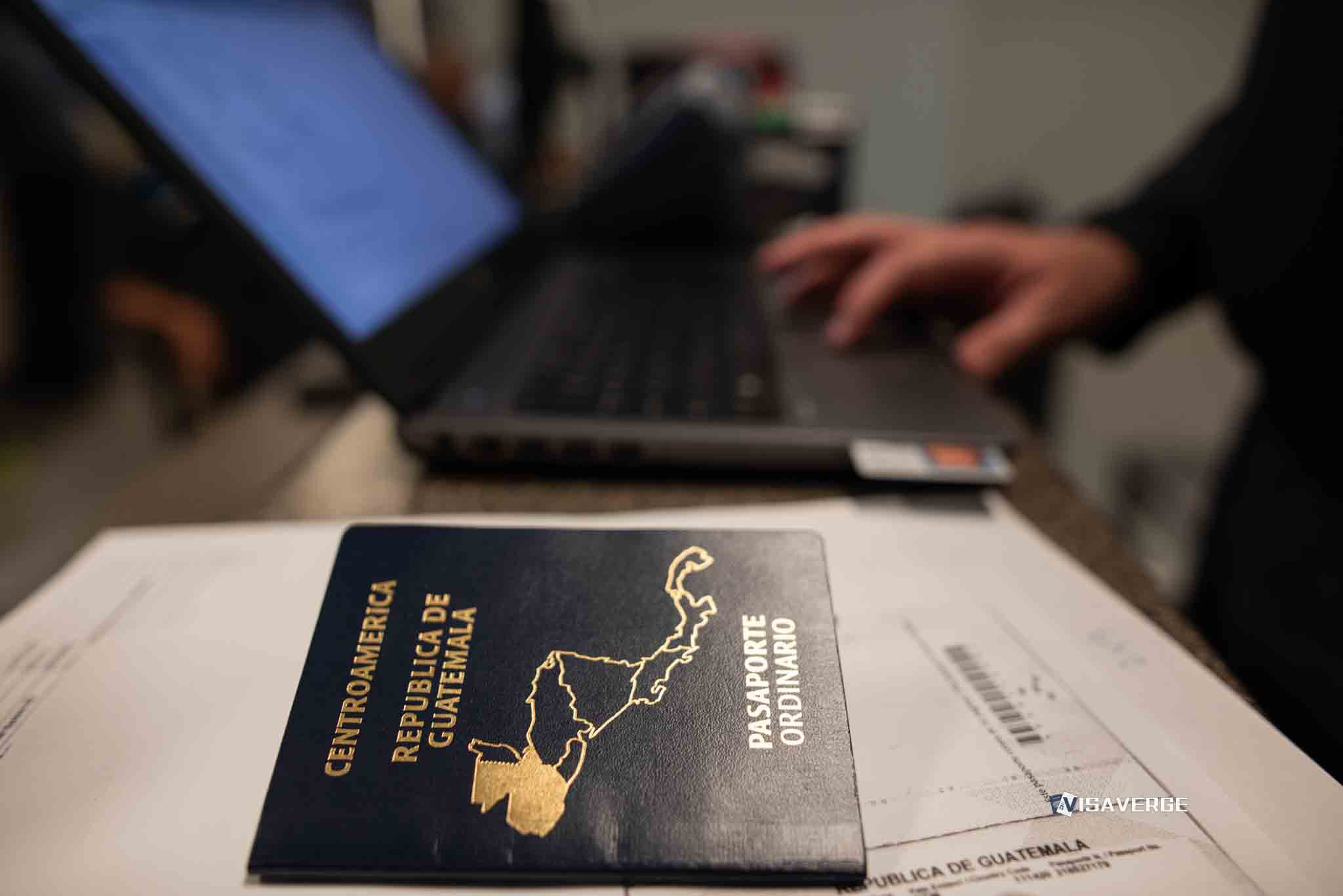
(UNITED STATES) — Transportation Secretary Sean Duffy announced new rules requiring states to verify applicants’ immigration status for non-domiciled CDLs, putting a renewed spotlight on whether immigrant truck drivers could lose the right to drive under Trump’s immigration push.
Social media posts and industry chatter have amplified a claim that 200, 000 truck drivers could lose their licenses, but no public evidence in the administration’s announcements substantiates an exact nationwide total at that scale.

Discussion of “hundreds of thousands” of truckers potentially being removed from U.S. roads has circulated alongside the administration’s 2026 safety and immigration enforcement campaign, including increased scrutiny of non-domiciled Commercial Driver’s Licenses.
Duffy’s announcement ties eligibility for non-domiciled CDLs to tighter verification steps by states, bringing immigration status checks into the center of CDL issuance and renewal decisions.
Non-domiciled CDLs generally apply to drivers who are not U.S. citizens, and they differ from standard, domiciled CDLs by connecting driving privileges more directly to the driver’s ability to establish eligible status and identity under state and federal rules.
That distinction has become more consequential as enforcement themes converge: work authorization, identity verification, and eligibility checks performed by states and, in some cases, by contractors that control access to jobs and routes.
For drivers and carriers, the practical stakes center on licensing continuity and dispatch eligibility, along with access to contracts that may impose additional screening even before a state takes any licensing action.
Federal attention has intensified after crashes involving such drivers, including a Florida incident killing three and a Texas 18-vehicle pileup killing five, incidents cited as part of the rationale for stricter scrutiny.
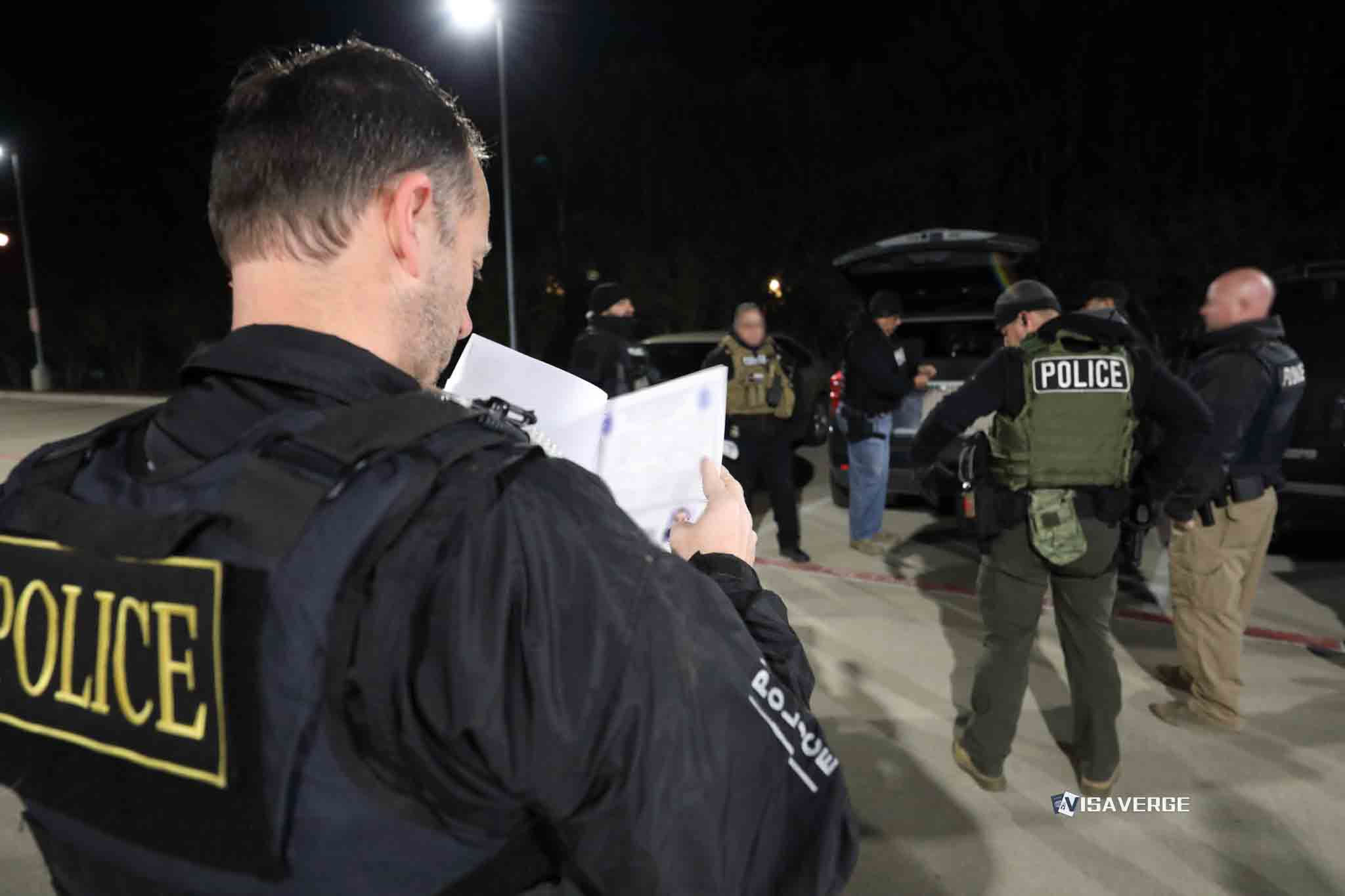
Beyond the Transportation Department’s expectations of state verification, the White House has framed the effort as part of a broader crackdown through ICE and DHS audits targeting commercial licenses for immigration violations.
Officials have described an expanded enforcement posture that includes reallocating personnel toward immigration enforcement, a step that can translate into more checks, more documentation demands, and more status-related disqualifications.
For state motor vehicle agencies, the pressure can show up through tighter processes around application review, renewal timing, and record validation for drivers holding non-domiciled CDLs.
For trucking companies and contractors, it can show up through compliance demands that reach beyond state-issued credentials, including additional checks that determine who can be hired, assigned to loads, or cleared to operate on specific routes.
Florida has already moved on one front by mandating that driver’s license tests, including CDLs, can only be taken in English as of February 2026, a change that affects how some immigrant drivers qualify in that state.
The Florida shift has also elevated discussion of English proficiency enforcement more broadly, with proponents describing it as a safety step and critics warning it can sideline otherwise experienced drivers.
Contractor rules have also become a central pathway for change, because companies can lose work opportunities even without a mass statewide license cancellation event.
USPS implemented 2026 requirements for trucking contractors that phase out non-domiciled CDL holders through enhanced safety checks, background vetting, English proficiency enforcement, and visa compliance, directly affecting migrant drivers, particularly Indians in logistics.
Those contractor requirements can shape who gets loads or assignments, and they can effectively bar a driver from certain work even if a CDL remains valid while eligibility questions are reviewed.
Because state rules, federal audits, and contractor standards do not always move in lockstep, the effect can vary widely depending on where a driver tests, renews, or works, and which contracts a carrier depends on.
Non-domiciled CDL holders—often immigrants on temporary visas—sit at the center of the heightened risk, because the new emphasis on verification and eligibility can trigger review if documentation does not match updated requirements.
In the industry, the American Trucking Associations backed the changes, calling them “welcome and necessary,” citing safety.
Tami Friedrich, president of the Truck Safety Coalition, also supported the approach, saying consequences of lax licensing are “unacceptable.”
Drivers have also described disruptions that arrive quickly, even when policy details are still being interpreted by employers and state offices.
One driver described the impact in blunt terms, saying new rules “changed everything overnight” and could “destroy everything.”
Even so, the exact numbers remain uncertain, and the claim that precisely 200,000 truck drivers will lose their licenses has not been established in public documentation tied to these measures.
A late February 2026 account framed the risk as “hundreds of thousands” under aggressive enforcement, but it did not provide a definitive national accounting that ties individual drivers to specific enforcement actions.
Counts are difficult to pin down because states differ in how they issue and track non-domiciled CDLs, renewal cycles can stagger when eligibility checks occur, and employer or contractor screening can remove drivers from work without any formal revocation.
The picture can also shift as carriers tighten internal policies, as contractors update onboarding requirements, and as state offices interpret federal expectations for verification and documentation.
The measures align with broader Trump initiatives, including the March 2026 “Shield of the Americas” proclamation against cartels, which the administration has cited amid immigration crackdowns that extend beyond the trucking sector.
In the coming weeks, drivers and carriers will likely watch state DMV announcements, changes in contractor eligibility standards, and audit activity that affects hiring and dispatch decisions.
Many of the largest effects may arrive through renewals, re-verification steps, or contractor screening rather than immediate mass revocations, leaving the overall scale dependent on how intensely rules are applied across states and major contracting chains.