- Regional tensions triggered over 23,000 cancellations across Dubai and Doha’s major aviation hubs.
- Aviation experts describe the disruption as the largest since the COVID-19 pandemic era.
- Dubai faces estimated daily tourism losses of $500 million during the ongoing airspace closure.
(DOHA, QATAR) — Qatar’s airspace closure triggered a wave of flight suspensions that has canceled over 23,000 flights across the Dubai and Doha airport system since the Middle East aviation crisis began around February 28, 2026, disrupting two of the region’s most important global connecting hubs.
Dubai and Doha sit at the center of long-haul routings between Europe, Asia and Africa, and the scale of the shutdown has rippled well beyond local travel, knocking out onward connections and forcing airlines to juggle aircraft, crews and passenger rebookings across multiple networks.
Tracking the disruption has proven difficult as totals shift between daily “snapshots” and cumulative counts, and not every airport-by-airport standalone figure has been consistently confirmed across different reports.
Even so, the concentration at the biggest hubs is clear. Doha’s Hamad International Airport and Dubai International Airport have repeatedly appeared as major pinch points as cancellations cascade into missed connections, diversions, capacity constraints and further cancellations.
The crisis began around February 28, 2026, with reporting linking the trigger to Qatari airspace closure amid escalating tensions involving Iran, the U.S., and Israel.
Qatar Airways suspended scheduled flights beginning around that date, following the airspace closure, and the resulting network shock has spread across nearby Gulf states as airlines reroute around restricted airspace and reposition aircraft.
By March 2, early counts pointed to rapid escalation, with 4,000+ cancellations reported as Dubai and Doha reached a third consecutive day of closure reporting.
A separate snapshot on March 3 underlined the pace of the disruption. Flightradar24 data put the total at 21,300 flights across 7 major airports, a grouping that included Dubai and Doha and was described as the largest cancellations since COVID.
Cumulative totals then moved higher again. By March 6, 2026, reporting put the figure at over 23,000 canceled flights across Dubai and Doha airports since the crisis began, with knock-on effects across neighboring Gulf states.
Questions have also surrounded the scale at individual airports, particularly in Doha. No source provides an exact split isolating 2,000 cancellations at Doha (Hamad International Airport) alone, but aggregate data has consistently placed Doha among the most affected hubs alongside Dubai International Airport.
Dubai International’s cancellation count has been captured largely within the broader totals rather than as a standalone figure, while reporting has still pointed to steep economic stakes for the emirate. One widely cited estimate put Dubai’s lost tourism revenue at $500 million daily during the shutdown period.
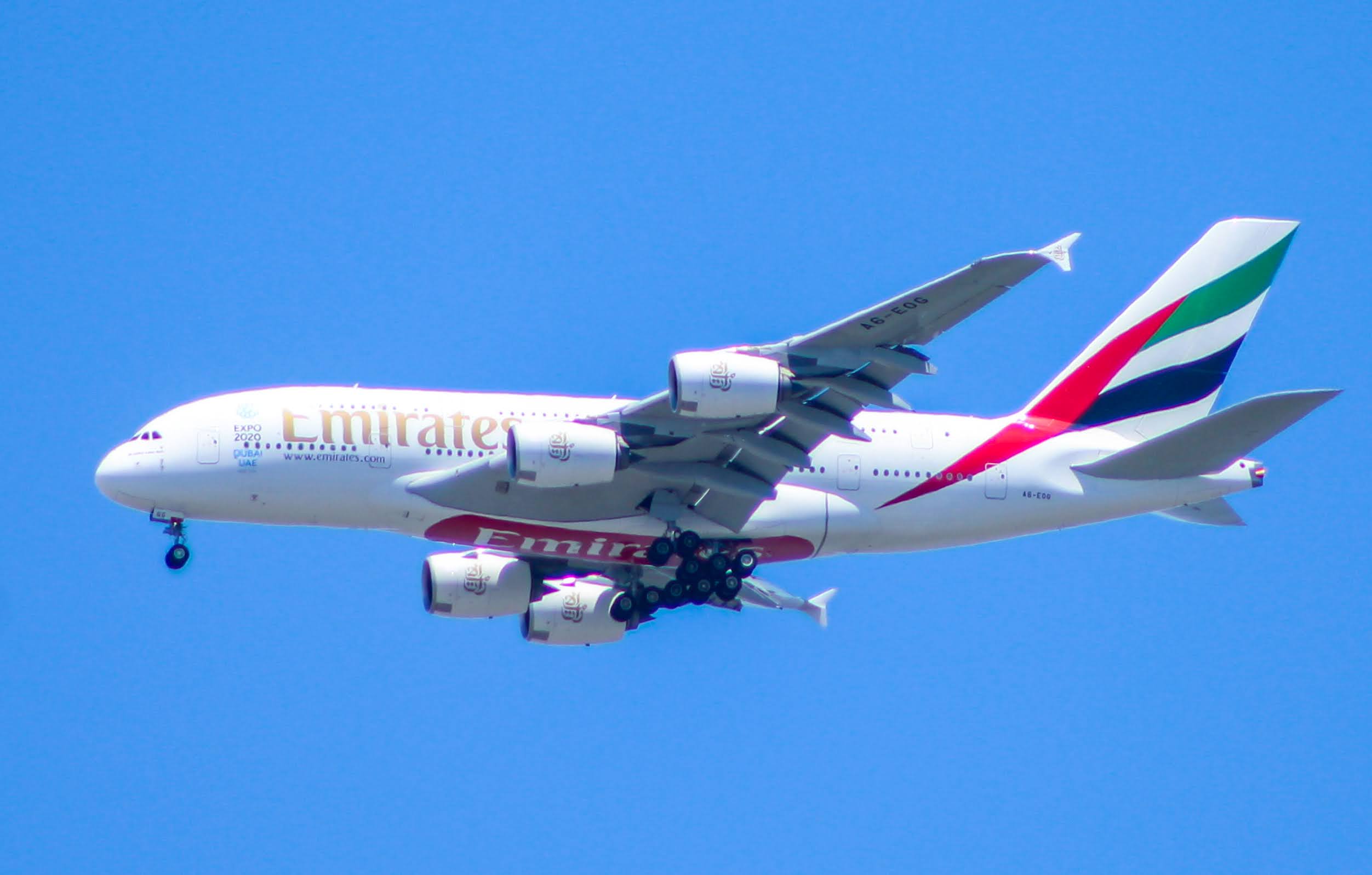
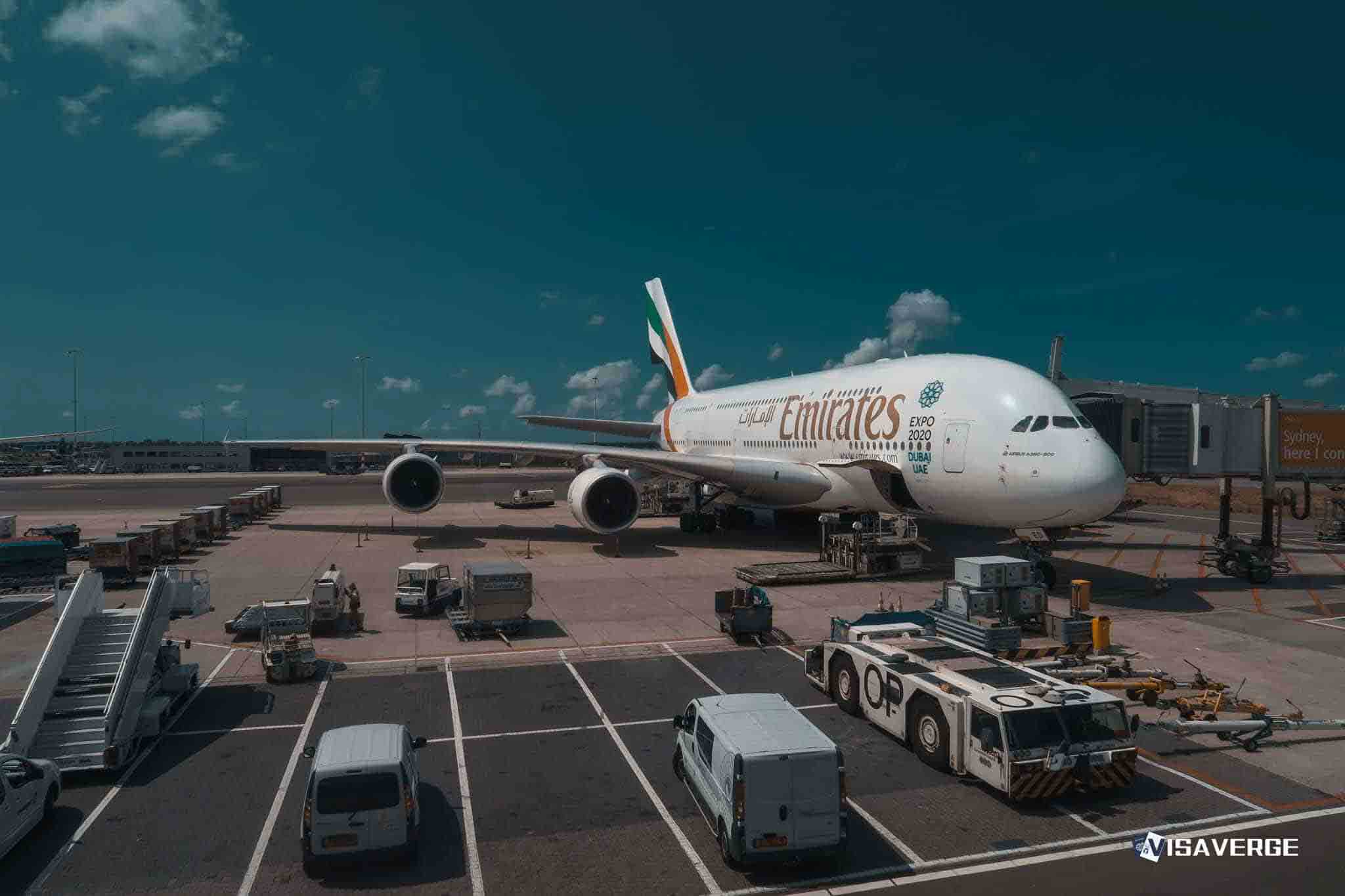
Dubai International also anchors operations for major carriers Emirates and flydubai, leaving limited room to absorb disruptions when large blocks of departures and arrivals drop out of the schedule over multiple days.
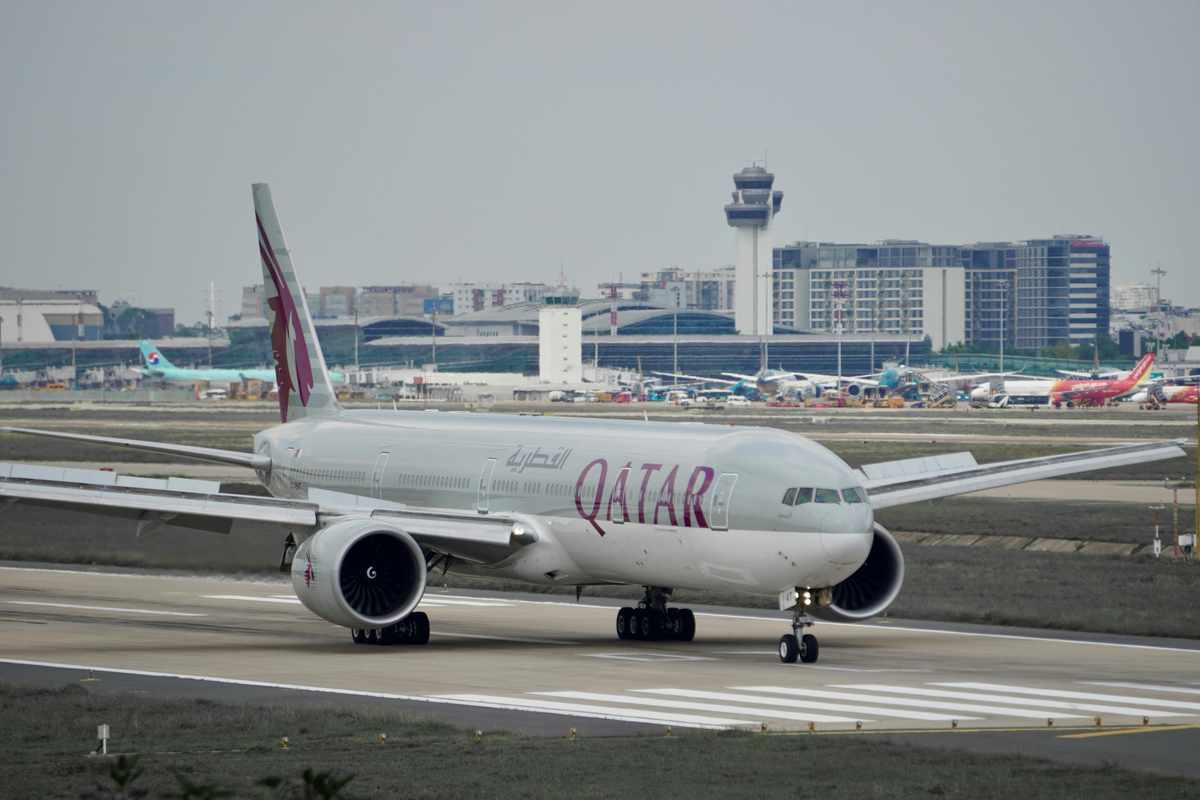
In Doha, the operational picture has centered on Qatar Airways’ suspension, compounded by aircraft and crew positioning problems that can strand equipment away from where it is needed next.
Reporting also described a fleet constraint on a global scale, citing nearly 100 aircraft grounded globally as schedules fractured and aircraft became stuck out of position.
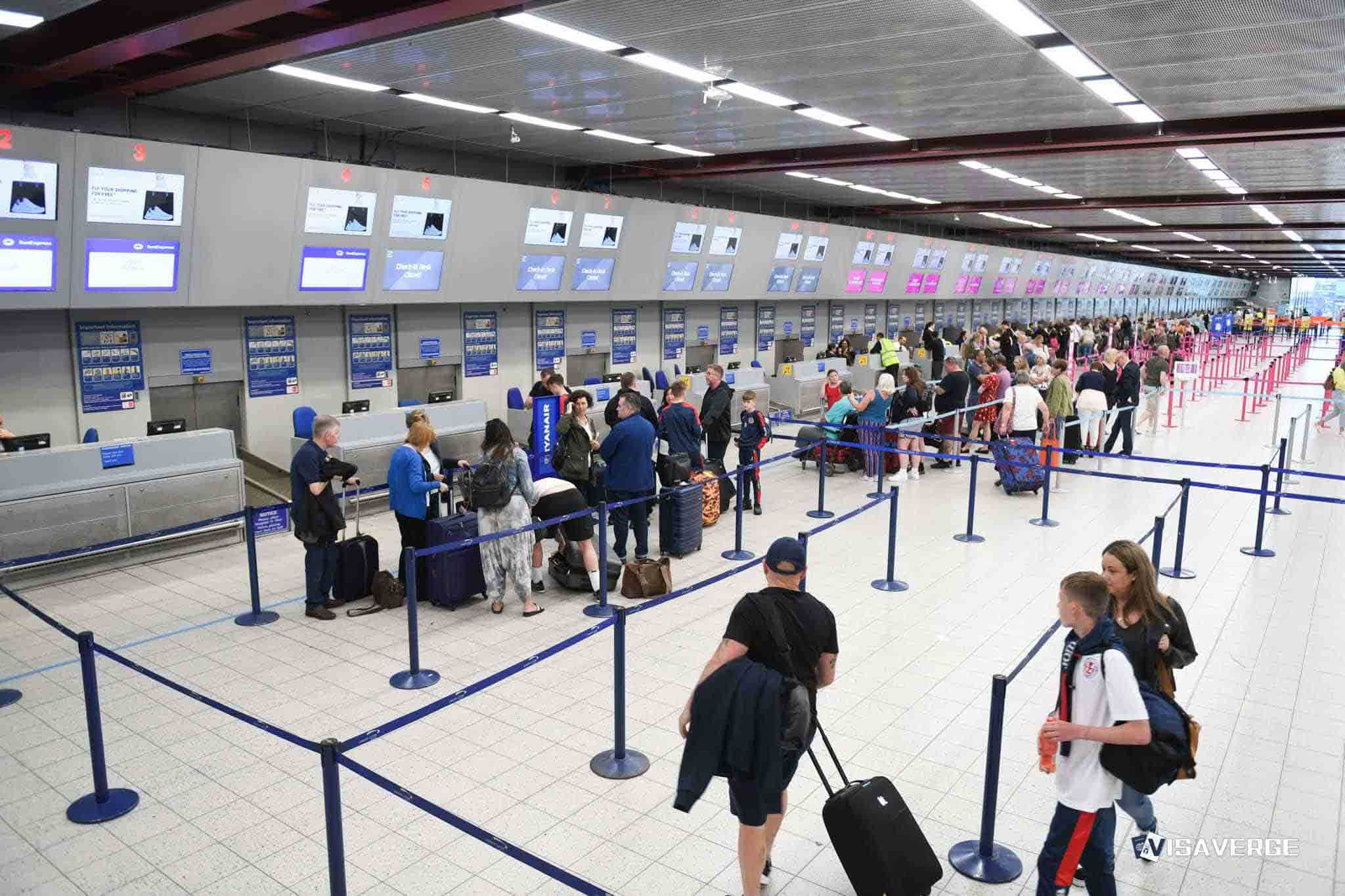
For travelers, the on-the-ground impact has meant long waits and inconsistent information as airports and airlines work through queues, rebookings and disruptions that roll into the next day’s schedules.
Hamad International has been described as “eerily quiet” during the disruption, even as thousands of passengers remained stranded in the city and across the network.
Some travelers reported multi-day strandings, including waits of more than three days, alongside frustration at communication gaps during the peak of irregular operations.
Foreign nationals have also figured into the wider response. Reporting cited over 130,000 Brits registered in the affected region, a figure that has drawn consular attention as travelers seek flight options and updates.
Qatar has also pointed travelers toward assistance channels. Qatar Tourism listed a hotline, 106, available 24/7, as passengers looked for guidance while flights were suspended and airport operations remained partial.
Beyond the terminals, the disruption has strained the broader aviation system and adjacent sectors that depend on predictable connectivity through Gulf hubs, including tourism, business travel and cargo routings.
The financial and market signals cited alongside the operational impacts have been stark. Reporting pointed to a $22.6 billion drop in travel shares and said oil prices rose 13%, reflecting heightened geopolitical risk as the aviation shutdown widened.
Airlines have also faced constraints that can keep disruption elevated even when limited flights resume. Crew legality limits, aircraft positioning, overflight restrictions and airport slot constraints can delay a return to normal schedules after multiple days of cancellations.
That dynamic has contributed to an uneven restart. By March 6, limited relief flights began, with Etihad resuming service, but reporting still described operations as partial and temporary, with no full reopening at that stage.
A timeline of the crisis has reflected both the rapid escalation and the incremental steps toward limited service. On Feb 28, Qatar Airways suspended flights after the Qatar Civil Aviation Authority closed airspace due to missile threats and instability.
By March 2, the continuing closure reporting around Dubai and Doha coincided with the early 4,000+ cancellations count, a figure used as an early signal of how quickly the disruption was compounding.
Flightradar24’s March 3 snapshot then tallied 21,300 canceled flights across 7 major airports, reflecting how the crisis had spread beyond a single airport pair and into a multi-hub regional disruption.
On March 4, Qatar Airways confirmed the suspension and outlined passenger options tied to specific travel dates and a change window.
The carrier offered complimentary rebookings or refunds for eligible tickets covering travel dates Feb 28–March 10, with changes allowed up to 14-day changes, as passengers tried to salvage itineraries across a system with limited available seats.
As the cumulative total surpassed prior days, March 6 brought both higher cancellation counts and a formal marker for what travelers and airlines would watch next. Reporting said a full resumption update was expected at 9:00 AM Doha time (6:00 AM UTC) from the Qatar Civil Aviation Authority.
While the update time offered a focal point, the broader pattern has left passengers dependent on airline alerts and airport announcements that can change quickly as flight plans update, crew schedules reset and aircraft rotate back into place.
For travelers holding affected itineraries, the immediate choices have largely narrowed to waiting for rebooking options, seeking refunds, or reworking trips around alternative routings that may still face restricted airspace and limited seats.
Qatar Airways’ policy has centered on flexibility for eligible tickets, with complimentary rebookings or refunds, and the carrier directed passengers to its travel alerts page for updates, as schedules remained unsettled.
The crisis has also highlighted practical limits in airline communications during mass disruptions. Call centers can overload, apps can lag during heavy demand, and airport queues can form as passengers seek in-person assistance when digital channels fail.
Those bottlenecks can stretch timelines even when airlines publish eligibility windows and refund pathways, because passengers often must wait for confirmation, available inventory and revised departure times that may move repeatedly as disruptions cascade.
At Hamad International Airport in Doha and at Dubai International, the pressure has been most visible where connecting flows normally run at high volume and tight intervals, leaving little slack when a suspension or airspace closure interrupts the rhythm of arrivals and departures.
Even without a consistently confirmed airport-by-airport split, the cumulative picture has remained focused on the same core reality: the crisis has knocked out over 23,000 flights across the Dubai and Doha airport system since around February 28, 2026, leaving airlines, passengers and regional hubs struggling to regain stable operations.