- Major credit bureaus are dismissing more consumer disputes without providing relief for reporting errors.
- The CFPB now requires consumers to dispute inaccuracies directly with bureaus before filing official complaints.
- Immigrants and visa holders face higher risks from errors due to thin credit histories and documentation hurdles.
(U.S.) — ProPublica reported on March 10, 2026, that consumers have started seeing more credit-report disputes end without relief as two of the three major credit bureaus dismiss a larger share of complaints.
The shift raises the stakes for people trying to correct credit report errors that can affect far more than credit cards, reaching housing, car loans, utilities, insurance pricing and sometimes employment-related screening.
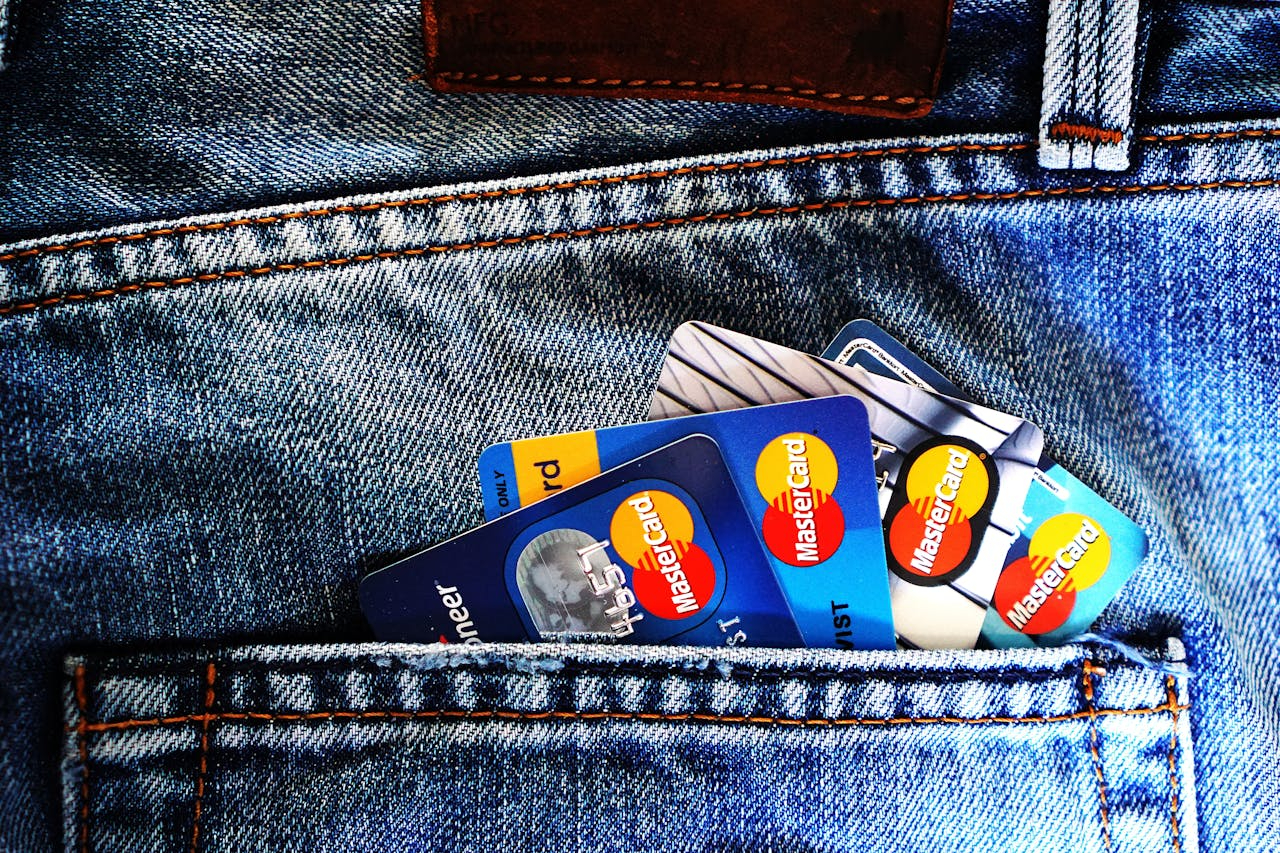
Immigrants, F-1 students, H-1B workers and green card applicants can face extra exposure because they often start with thin U.S. credit histories, rely on co-signers and may run into documentation hurdles when personal information does not match across systems.
The dispute environment has changed as the Consumer Financial Protection Bureau, long seen as a high-profile escalation channel, reshapes how it handles complaints tied to credit bureaus.
On February 4, 2026, the CFPB added a notice on its credit and consumer reporting complaint portal stating that consumers must first dispute inaccurate information directly with the credit reporting agency.
That notice warned the bureau may stop processing complaints if the company says the consumer did not take that step first, and it said premature submissions slow the system and that complaints may be discontinued if consumers have not first gone through the bureau directly.
For years, the CFPB portal served as a way to document problems, force a response and create a public record that consumers, journalists and researchers could review through the agency’s complaint database.
The complaint database remains active and continues to let consumers explore trends and company responses, but consumer advocates argue that steering people away from the public portal and toward direct disputes with the bureaus reduces transparency and weakens accountability.
Relief rates were already low before the latest procedural shift, according to the CFPB’s own earlier public descriptions of complaint outcomes involving Equifax, Experian and TransUnion.
In 2022, the CFPB said the three major credit bureaus had reported relief in response to less than 2% of covered complaints in 2021, down from nearly 25% in 2019.
The agency said at the time that the companies were routinely failing to fully respond to consumers dealing with errors, a pattern that can leave people stuck when bureau responses appear incomplete or formulaic.
Declining relief rates matter because downstream decisions often run on automated timelines, with landlords, lenders and screening systems relying on credit files when consumers need quick corrections to secure housing, jobs or financing.
ProPublica’s bureau-by-bureau review pointed to diverging outcomes among the major credit bureaus, suggesting that consumers can face different odds depending on which bureau a landlord or employer uses.
Experian showed a steep drop in outcomes that resulted in relief from 2024 to 2025, ProPublica reported, while TransUnion’s pattern included a mid-2025 decline that left relief less frequent by late 2025.
Equifax did not show the same decline, ProPublica reported, and the outlet linked the difference to a binding consent order that mandates specific dispute-resolution standards.
Those bureau-specific differences can matter in practical ways because consumers often learn about problems only after a screening decision, and they may have little control over which credit bureau’s file a third party checks.
The dispute trend has unfolded amid broader regulatory cross-currents, including reports that the CFPB pulled back on enforcement and oversight under President Donald Trump.
The New Yorker reported that lawsuits were dropped, supervision largely stopped, and staff sharply reduced, while Wired reported that agency work, including investigations and public-facing functions, had been frozen or disrupted in early 2025.
ProPublica also pointed to February 2025 as a notable enforcement signal when the CFPB dropped a long-standing lawsuit against TransUnion regarding deceptive practices, and it reported that the agency hired legal counsel who had previously represented Experian to lead its enforcement division.
Federal policy on lending and immigration status shifted as well on January 12, 2026, when the Department of Justice and the CFPB withdrew a Biden-era advisory opinion that had cautioned lenders against denying credit solely based on an applicant’s immigration status.
“For decades, ECOA [Equal Credit Opportunity Act] regulations have permitted lenders to consider a borrower’s lawful residence status and other information necessary to protect their rights and remedies with respect to repayment. We are correcting the last administration’s attempt to ignore these well-accepted and common-sense principles of our nation’s fair lending laws,” said Acting CFPB Director Russell Vought.
“This administration is restoring alignment with established federal civil rights law rather than continuing the prior administration’s ideologically-driven departures,” said Assistant Attorney General Harmeet K. Dhillon.
Public charge rule discussions since November 2025 have added another immigration-adjacent policy layer, with a proposed framework described as allowing officers to consider an applicant’s credit history, credit scores, and debts as part of a “totality of circumstances” test for green card and adjustment of status applications.
The dispute and reporting trends carry day-to-day consequences for newcomers who need stable housing and transportation while navigating visa timelines, job changes and relocation costs in unfamiliar systems.
Thin credit files and newly issued SSNs or ITIN-linked histories can make scores more sensitive to a single negative item, while name and formatting mismatches can complicate verification during a dispute.
Housing screens can turn on a single reported delinquency, leaving applicants facing a denial or a larger deposit at exactly the moment a student, worker or family needs a lease to start a new job, enroll in school or settle after a move.
Employment screening can add pressure for some roles, and credit-related problems can complicate time-sensitive job changes that H-1B workers often must manage within strict employment requirements.
Auto financing and utilities can also hinge on credit files, and inaccurate derogatory items can raise costs or block service, disrupting commuting and basic household stability.
The procedural sequence now places more weight on a direct dispute with the credit bureaus before the CFPB processes a complaint, making documentation and timing more important for consumers who need quick outcomes.
Paper trails can become central when a consumer challenges a “no relief” response, because unresolved errors can keep affecting near-term decisions even when the consumer believes the record is wrong.
Advocates and consumers say they will watch whether complaint visibility and bureau accountability change as more disputes move away from the public-facing CFPB portal and into bilateral exchanges with the credit bureaus.
Standards that are enforceable, including consent-order style requirements, could shape how consistently bureaus handle disputes, especially when consumers face high-stakes windows that overlap with immigration transitions such as securing housing, changing jobs or applying for major loans.
More information on the CFPB and DOJ withdrawal appears in the agencies’ newsroom release, while ProPublica’s findings are outlined at ProPublica and immigration-related updates often appear in the USCIS newsroom.