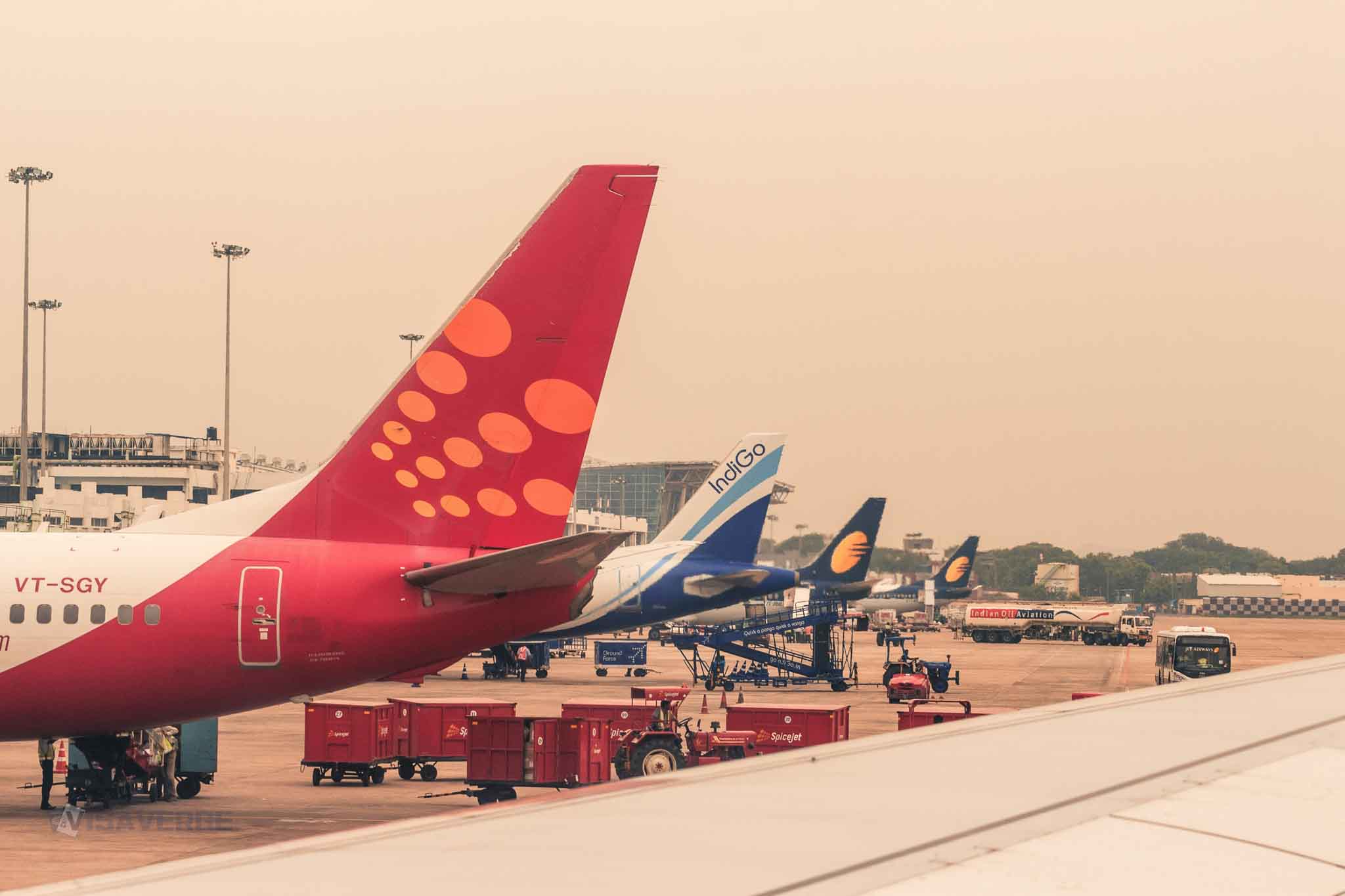
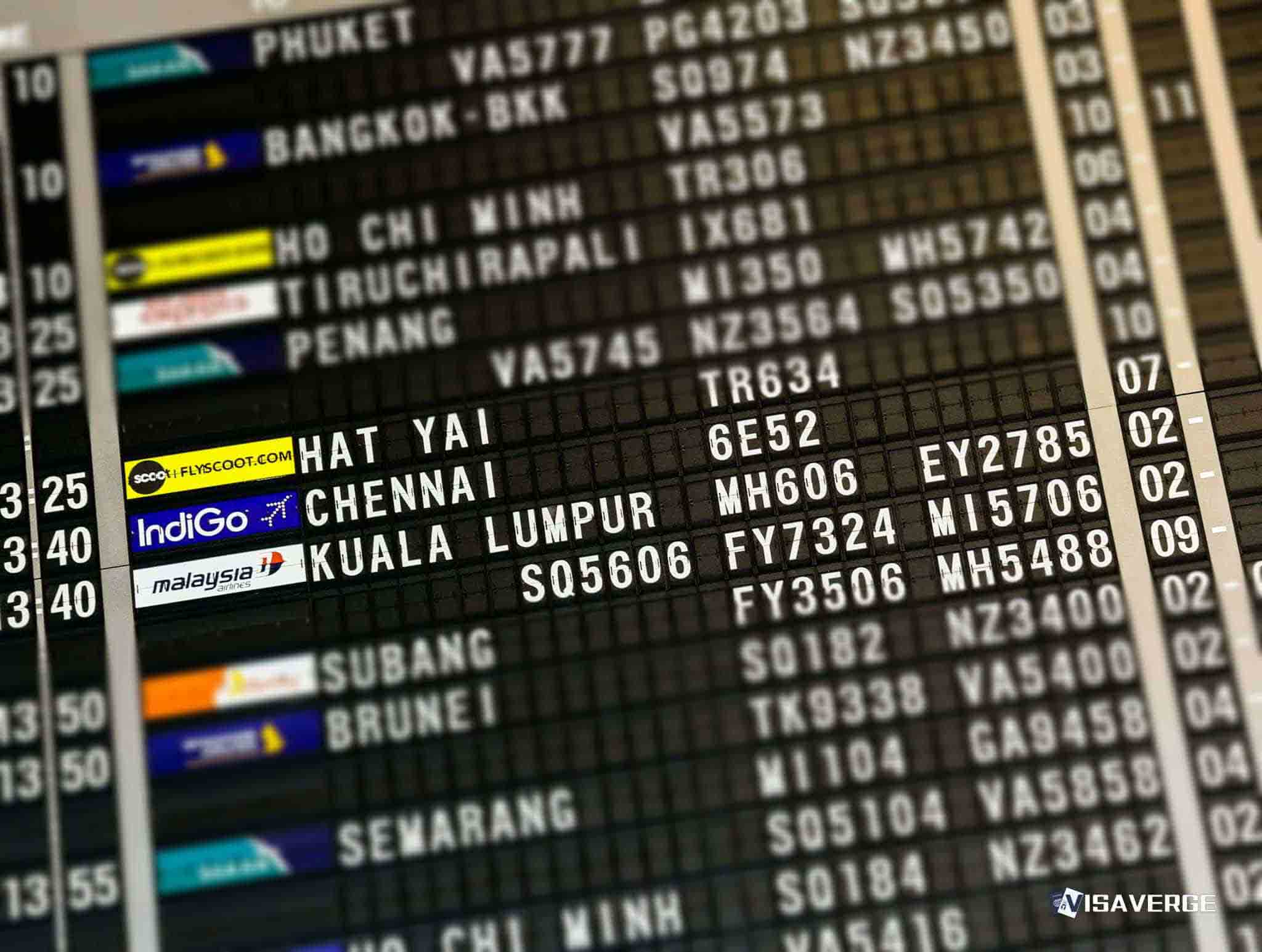
- Middle East airspace closures triggered over 290 flight disruptions across major London and UK airports.
- Heathrow and Gatwick reported significant delays and cancellations affecting long-haul and international connections.
- Major carriers like Emirates and Etihad suspended all hub operations until at least March 4 or 5.
(LONDON, UK) — Airlines cancelled and delayed scores of flights into and out of London on March 3, 2026, disrupting travel at Heathrow and Gatwick as the Middle East crisis forced carriers to suspend, reroute or drop services after key airspace corridors closed.
Across UK airports, travellers faced 186 delays and 108 cancellations as escalating tensions in the Middle East shut routes used for flights between the UK, the Gulf and parts of Asia.
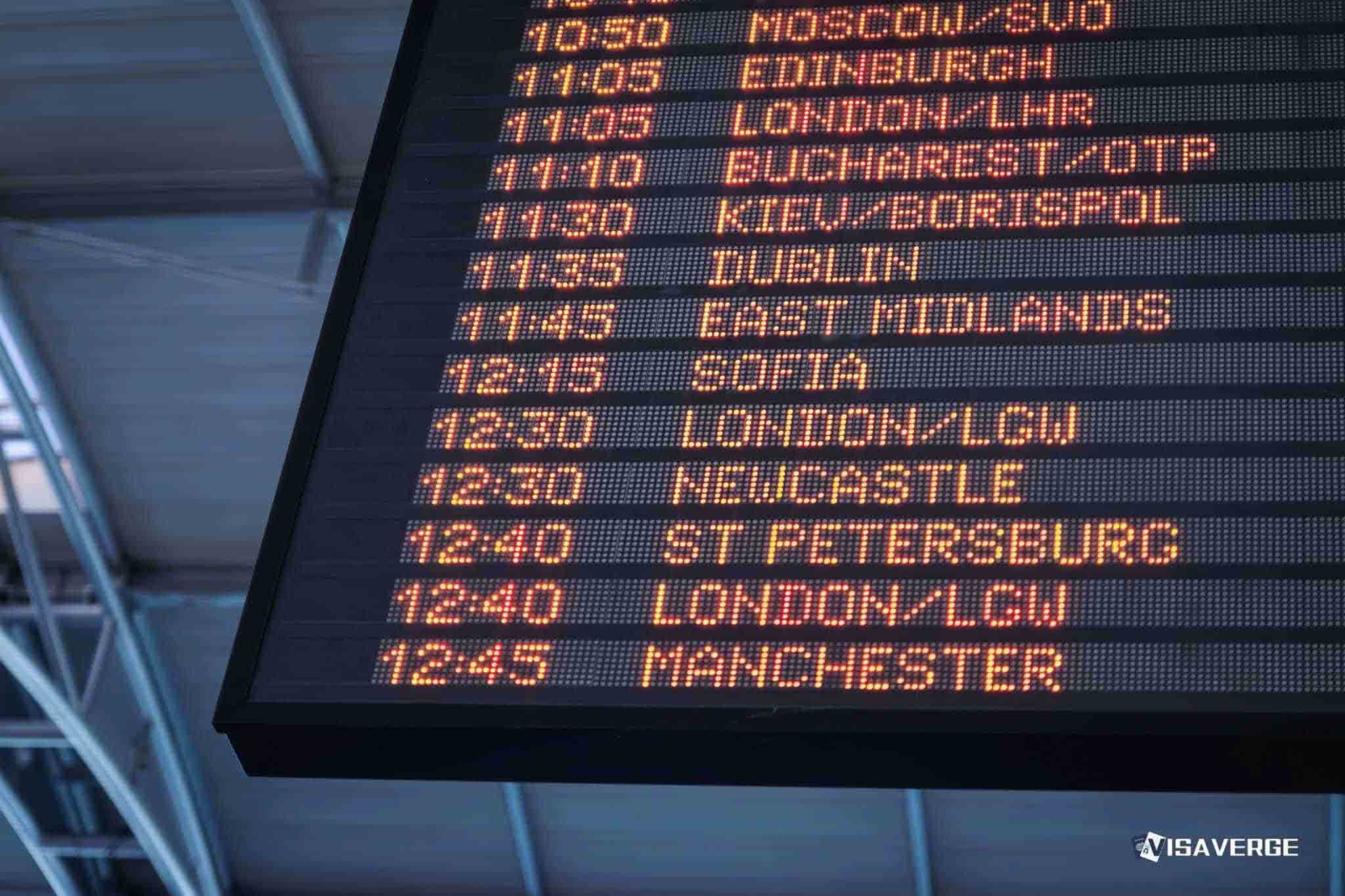
Heathrow and Gatwick bore the brunt, with long-haul departures and international connections hit especially hard as schedules unravelled and knock-on disruption rippled through airline networks.
The airspace closures followed escalating tensions in the Middle East after a US-Israel attack on Iran, a trigger that prompted airlines to reassess safety risks and change operations at short notice.
A UK military base in Cyprus was also targeted earlier in the week, adding to the security backdrop that pushed carriers to suspend services and divert or cancel aircraft rather than operate through restricted corridors.
For passengers in London, the operational impact surfaced quickly in missed connections, gate and timing changes, and packed terminals as airlines tried to manage displaced planes and crews while still running the rest of their schedules.
Heathrow was the worst-affected UK airport, recording 88 delays and 63 cancellations, for 151 total disruptions.
The scale at Heathrow mattered beyond the immediate departures board because the airport functions as a hub, and cancellations on long-haul routes can break onward connections and disrupt incoming aircraft rotations that later become departures.
Gatwick recorded 46 delays and 27 cancellations, for 73 total disruptions.
At Gatwick, the disruption cut into European connections and leisure travel flows that depend on tight turnaround schedules, leaving fewer options for passengers looking to rebook when seats disappeared across multiple airlines at once.
Manchester also experienced significant disruptions as part of a broader operational meltdown affecting British Airways, easyJet and Ryanair.
The pattern underlined how quickly disruption tied to the Middle East crisis could spill into airports and routes not normally associated with Gulf connections, because aircraft and crews move through shared networks and get out of position after diversions and cancellations.
The immediate trigger for many carriers was the closure of key airspace corridors used for routes between the UK, the Gulf and parts of Asia, forcing longer routings that complicated fuel planning and aircraft scheduling.
Airlines responded by cancelling, rerouting or suspending services for safety reasons, a sequence that can cascade when a long-haul aircraft and crew fail to reach their next starting point on time.
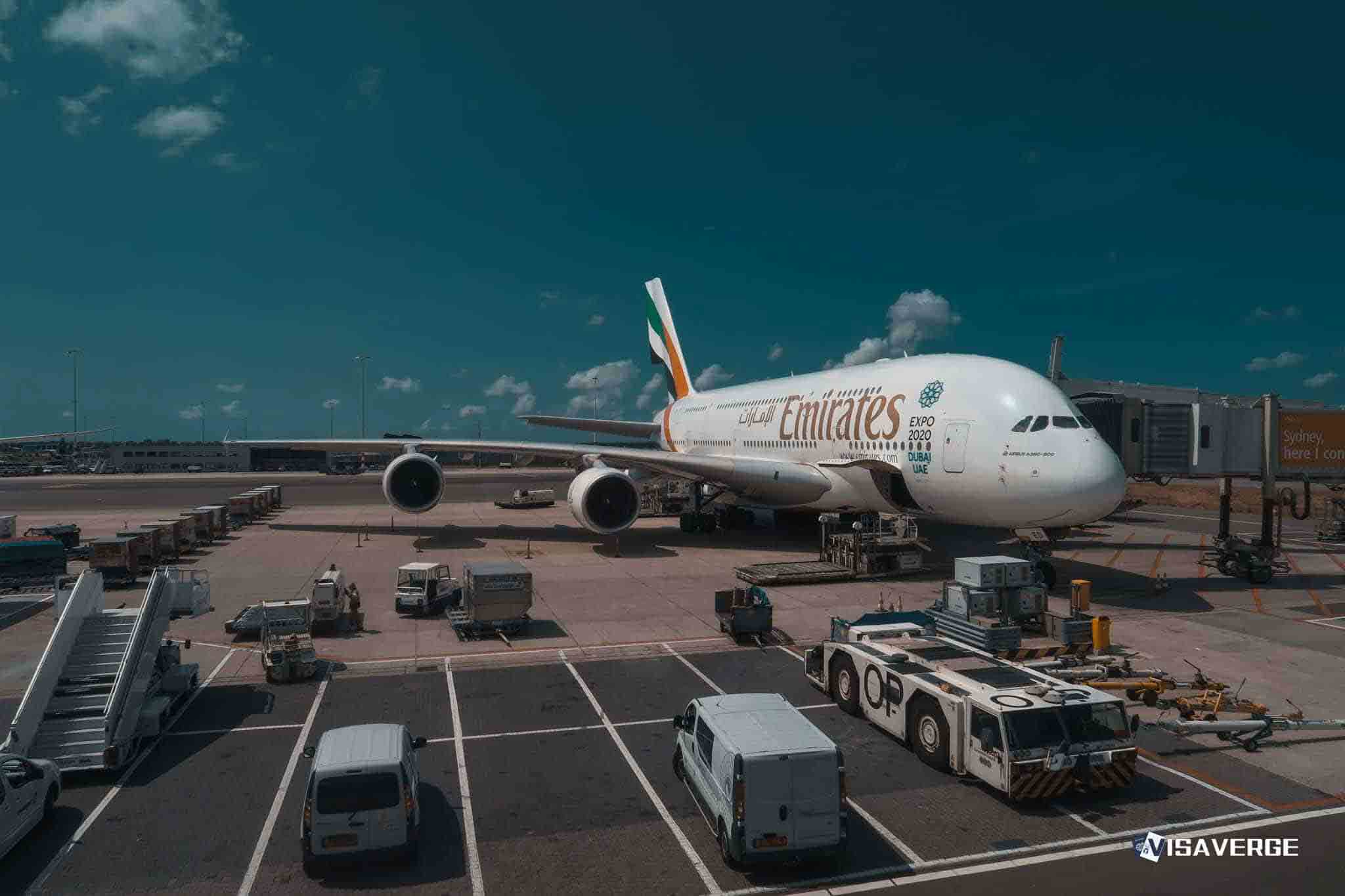
Emirates cancelled all flights to and from Dubai until 7:59pm GMT on Wednesday, March 4.
That suspension cut off a major link for passengers travelling from London through Dubai to destinations beyond the Gulf, concentrating demand onto a smaller pool of alternative flights and intensifying queues for rebooking when options narrowed.
Etihad cancelled all flights to and from Abu Dhabi until 10am GMT on Thursday, March 5.
The Abu Dhabi suspension carried similar implications for onward connections, because passengers routed through the hub often depend on tightly timed transfers that become unworkable once a carrier removes multiple departures from the schedule.
Qatar Airways temporarily suspended all flights to and from Doha.
The Doha pause risked further disruption across global itineraries, as passengers use the airport to connect between Europe, the Gulf and destinations further afield, and temporary suspensions can strand travellers on both ends of a journey.
Air India confirmed additional cancellations on London routes.
Those extra cancellations added pressure at London airports already strained by the volume of disrupted flights, while also underlining that the Middle East crisis could constrain wider airline networks beyond the Gulf carriers most directly tied to the affected air corridors.
Even travellers not heading to the Middle East felt the effects, as secondary delays hit other long-haul services because of aircraft displacement and crew positioning issues across international networks.
Routes to New York, Paris and Dubai were particularly affected.
The mechanics behind the disruption were straightforward but difficult to fix quickly: when an aircraft diverts, turns back, or gets cancelled and parked away from its next planned departure point, the next flight in the sequence can fail even if its own route does not cross restricted airspace.
Crew duty-time limits and positioning challenges then compound the problem, because flight crews scheduled to operate later legs can end up in the wrong city after a cancellation, while replacements may not be immediately available during system-wide disruption.
Weather disruptions including fog and rainstorms compounded the crisis by reducing visibility and airport operational efficiency.
That combination left airports and airlines trying to recover while also managing slower operations, a dynamic that can stretch disruption across multiple days when schedules are already disrupted and spare aircraft or crews are limited.
British Airways, easyJet and Ryanair were among the airlines caught up in the broader operational meltdown linked to the disruption.
With multiple carriers making cuts and changes at the same time, passengers often faced the reality that rebooking options existed in principle but were hard to secure in practice, particularly on popular routes and at peak travel times.
Under UK aviation regulations, passengers affected by cancellations are entitled to refunds or alternative flights.
Airlines have been offering rebooking options, though availability has been limited during the disruption period as carriers juggled the competing demands of moving stranded travellers, operating revised routings, and managing aircraft and crew constraints.
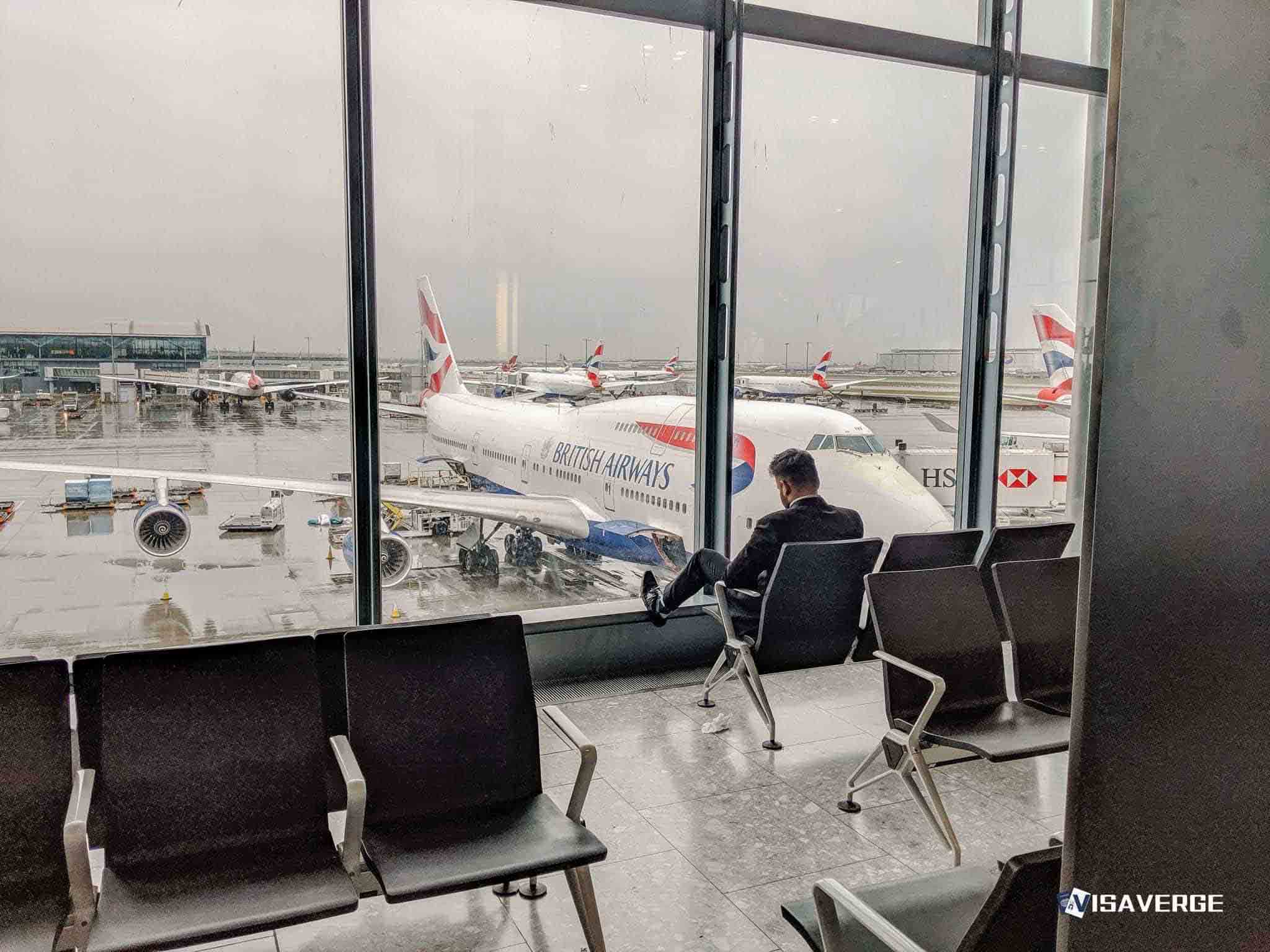
British Airways allowed passengers flying to affected Middle East destinations up to March 8 to request full refunds online.
The airline also offered the option to rebook for free travel on or before March 29, giving travellers a defined window to shift plans without paying additional fares during a period of widespread cancellations.
Passenger rights in these situations generally separate the right to get a refund or be re-routed from the question of cash compensation, which can depend on the cause of the disruption, while airlines still face obligations to look after travellers during cancellations and long delays.
During mass disruption linked to security-driven airspace closures, the practical bottleneck is often capacity rather than policy, because when large numbers of flights are cancelled across multiple airlines, the remaining seats can disappear quickly.
Airlines typically route customers onto their own later flights first, then look for alternatives, but those alternatives can be scarce when the disruption affects a wide set of routes and hubs at the same time.
For travellers trying to make decisions amid shifting schedules, airlines’ own policy windows became one of the few fixed points, alongside the published suspension times announced by major carriers.
Emirates tied its Dubai cancellations to a specific end time, cancelling all flights to and from Dubai until 7:59pm GMT on Wednesday, March 4.
Etihad similarly set a cut-off, cancelling all flights to and from Abu Dhabi until 10am GMT on Thursday, March 5.
Qatar Airways described its step as a temporary suspension of all flights to and from Doha, without a specific end time in the information provided.
British Airways framed its customer options around dates, allowing passengers flying to affected Middle East destinations up to March 8 to request full refunds online, and offering free rebooking for travel on or before March 29.
The main day of disruption remained March 3, 2026, when Heathrow and Gatwick logged the largest totals and travellers across UK airports faced 186 delays and 108 cancellations as the Middle East crisis upended schedules.
Airlines have been issuing updates as conditions evolve, and passengers have been watching carrier notices closely because the timing of suspensions and the availability of rerouted options can shift quickly when airspace access and operational constraints change day by day.