- Federal agents fatally shot ICU nurse Alex Pretti during a Minneapolis immigration enforcement operation.
- Investigators have not yet identified the specific agent involved or announced any criminal charges.
- Conflicting accounts exist regarding whether Pretti presented a firearm before the fatal shot occurred.
(MINNEAPOLIS, MINNESOTA) — Federal immigration enforcement activity in Minneapolis is under renewed scrutiny after the Jan. 24 fatal shooting of Alex Pretti, a 37-year-old U.S. citizen and ICU nurse, during what officials have described as an enforcement operation involving federal agents.
Public reporting has identified U.S. Border Patrol (a component of U.S. Customs and Border Protection, or CBP) and Immigration and Customs Enforcement (ICE) as part of the broader federal enforcement footprint discussed in connection with the incident.
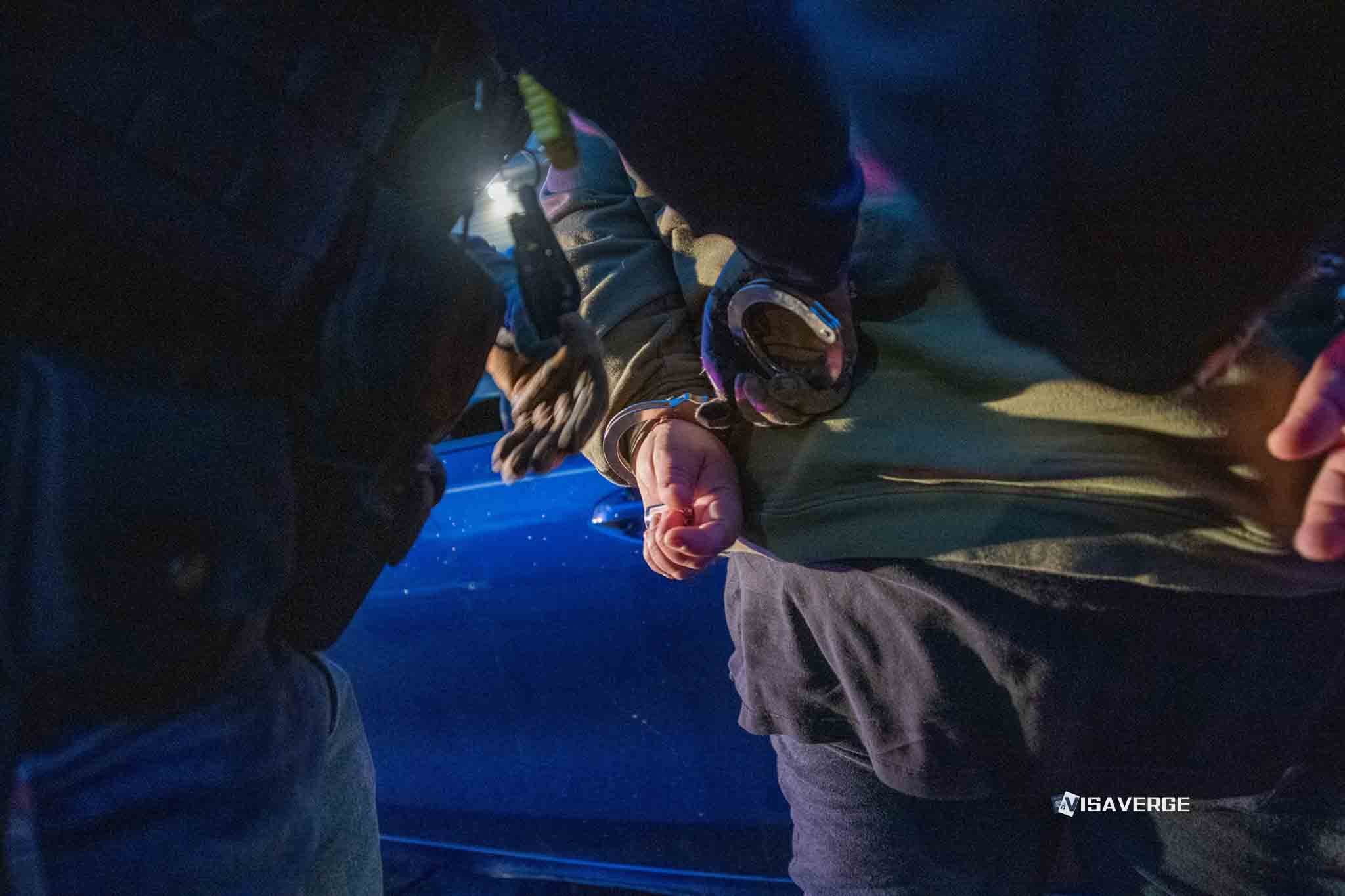
As of Friday, Jan. 30, 2026, federal authorities have not publicly released the name of the agent who fired the shot, and no charging decision has been announced.
The Hennepin County Attorney’s Office, led by Mary Moriarty, has been repeatedly referenced in coverage because it is the chief local prosecutorial office for Minneapolis. However, claims circulating online about whether Moriarty has said she does not know the agent’s identity are not corroborated by verified public statements in the available reporting.
The key confirmed point is narrower: investigators and agencies have not publicly identified the shooter.
Timeline and competing accounts
Available reporting describes a fast-moving chain of events spanning at least two dates that are now being compared by observers.
An earlier incident on Jan. 13, 2026, is described as captured on video showing Pretti interacting with agents. Reporting alleges the footage shows spitting, profanity, gestures, and kicking a federal SUV taillight.
A former federal prosecutor quoted in reporting said such conduct could support charges, though none were pursued at the time. The explanation offered in reporting emphasized a chaotic protest environment and heightened tensions around immigration enforcement in Minneapolis.
On Jan. 24, Pretti was fatally shot during a federal operation. Early official framing reported by media included an assertion that Pretti approached agents with a 9mm handgun and resisted disarming.
At the same time, eyewitness and bystander-video descriptions circulating publicly have questioned whether the threat level matched that account. Reporting has also noted an important gap: no publicly described video appears to show Pretti holding the firearm at the moment force was used.
These kinds of divergences are common after use-of-force incidents. Initial accounts may center on perceived threat, while other accounts may emphasize non-threatening conduct.
The legal system typically tests those claims against objective evidence and contemporaneous officer perceptions.
What legal standards apply to federal use of force
The legal framework most often referenced in police and agent shooting cases is the Fourth Amendment’s “objective reasonableness” test. The Supreme Court’s decision in Graham v. Connor, 490 U.S. 386 (1989), instructs courts to evaluate reasonableness from the perspective of a reasonable officer on scene, not with hindsight.
In practice, investigators and courts often focus on specific, time-sensitive facts. These can include distance, lighting, commands, compliance, movements, and whether an officer reasonably perceived an imminent threat of death or serious bodily injury.
Firearm-related facts can matter significantly in the analysis. Possession of a gun, lawful or unlawful, is not always the same as presenting a gun in-hand. Still, the legal inquiry often turns on what the officer reasonably believed at the moment shots were fired.
Separate processes may proceed on separate tracks. An internal administrative review is distinct from a criminal investigation. Civil litigation may also follow, even if prosecutors decline charges.
Federal immigration authority itself is generally grounded in INA § 287 and implementing regulations at 8 C.F.R. § 287, which address immigration officer powers. Those provisions do not decide whether any particular use of force was justified.
Warning: Early reporting in use-of-force cases can change as video, forensics, and witness interviews are reviewed. Avoid assuming that initial narratives will match final investigative findings.
What officials and parties are saying
Statements attributed to the principal actors remain limited and carefully framed.
Mary Moriarty’s office has not, in the available reporting, publicly confirmed the shooter’s identity or a timeline for any decision. Just as important, claims that Moriarty has acknowledged not knowing the identity are not verified in the reporting summarized here.
What is confirmed is the absence of a public identification by investigators or agencies.
At a Jan. 29 press briefing, Border Czar Tom Homan was reported to have declined to comment on the earlier Jan. 13 video and to have avoided speculating about local police involvement. He was quoted urging observers to let the investigation proceed, while reiterating that the administration intends to continue targeted enforcement.
President Donald Trump was reported by The Wall Street Journal as saying the administration is “reviewing everything.” Such comments signal attention but do not establish facts about the shooting or the legal justification.
Pretti’s family attorney, Steve Schleicher, was quoted describing the shooting as occurring despite Pretti posing no threat. That position directly contests the early official framing reported in media.
CBS News legal analyst Jessica Levinson, as quoted, emphasized that the Fourth Amendment test turns on whether the officer reasonably believed there was a threat of death or serious injury. Reporting also noted the evidentiary gap that no video has been described as showing Pretti holding the gun.
Warning: Public statements by officials and attorneys often reflect advocacy or limited information. The controlling facts typically come from video, forensics, and formal investigative findings.
Investigation status and what remains unknown
Publicly, the investigation remains in a holding pattern: no announced public identification of the agent in available reporting, and no public charging decision. That is not unusual early in high-profile shootings involving federal personnel.
Names, evidence details, and preliminary findings are commonly withheld while agencies coordinate interviews, collect forensics, and assess security concerns. Federal involvement can also create jurisdictional complexity, including potential federal criminal review and civil-rights scrutiny.
Open questions that readers can track include the sequence of events immediately before the shooting, whether local law enforcement responded or assisted, what video exists and whether it will be released, and whether any administrative action is underway.
For official updates and process explanations, readers commonly monitor:
Deadline/Timing note: If a civil claim is being considered, notice and limitation deadlines can be short and vary by forum. Consult counsel quickly to preserve records and rights.
Why Minneapolis is watching closely
This is reported as the second recent fatal incident involving federal immigration agents in Minneapolis. Recent enforcement activity and demonstrations may also shape how information spreads after an incident, including rapid circulation of partial video and conflicting witness accounts.
That context does not prove cases are linked. It does help explain why community tension can increase quickly, and why investigators may face pressure from competing narratives before the evidence record is complete.
Practical guidance for affected readers
Anyone who witnessed the incident and wants to provide information typically can contact the investigating agency through official channels. People who attend demonstrations should consider documenting events safely and lawfully.
Keep original files and metadata when possible.
Noncitizens who fear contact with federal enforcement should speak with a qualified immigration attorney about risk, rights, and any pending applications. Immigration consequences can turn on posture and jurisdiction, including whether a person has prior orders or criminal exposure.
Resources:
Legal Disclaimer: This article provides general information about immigration law and is not legal advice. Immigration cases are highly fact-specific, and laws vary by jurisdiction. Consult a qualified immigration attorney for advice about your specific situation.