- A federal judge vacated the courthouse arrest policy nationwide on June twenty-third, twenty twenty-six.
- The administration secured a victory expanding expedited removal authority for noncitizens without two years of presence.
- ICE remains authorized to conduct arrests at locations other than courthouses and immigration courts.
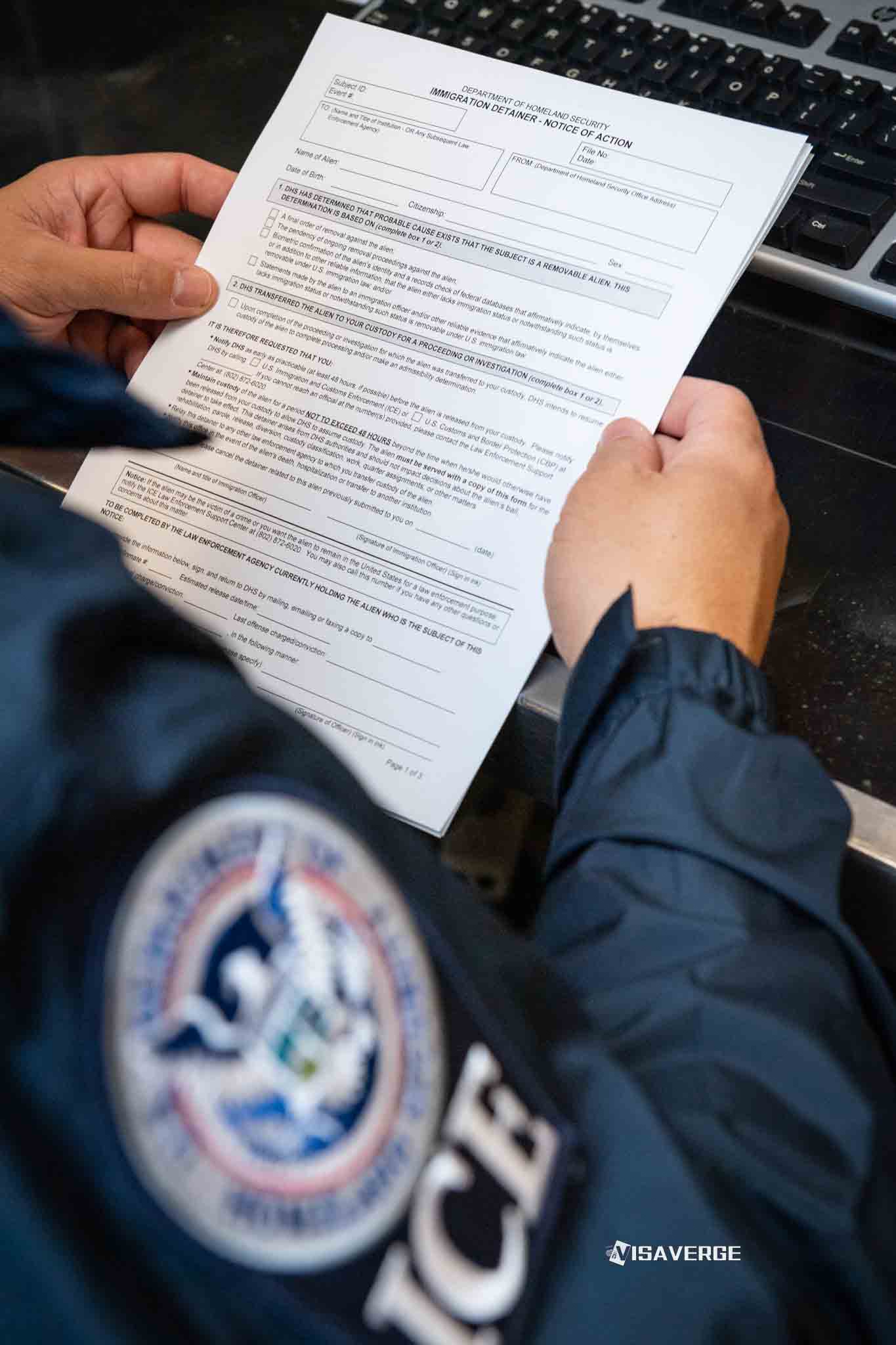
(CALIFORNIA) — A federal judge in California vacated the Trump administration‘s policy authorizing courthouse arrests nationwide on June 23, 2026. The court issued a nationwide order blocking ICE from conducting arrests in and around immigration courts. The ruling arrived within days of a separate appellate decision allowing the administration to resume expanded use of expedited removal, creating a divided enforcement landscape.
The two rulings, both issued between June 23 and June 24, 2026, push in opposite directions. One narrows the administration’s enforcement footprint at courthouses. The other widens its fast-track deportation authority. Together they define the current legal boundaries of federal immigration enforcement.

The Trump administration has prioritized expanded use of fast-track deportation mechanisms since taking office. Expedited removal under INA § 235(b)(1), codified at 8 U.S.C. § 1225(b)(1), permits DHS to remove certain noncitizens without a hearing before an immigration judge. The authority traditionally applied to individuals apprehended within 100 miles of the border and within 14 days of entry.
The administration expanded expedited removal to apply nationwide, removing the geographic and temporal limits. Under the expansion, individuals who cannot prove continuous physical presence for two years or more face fast-track removal. That expansion drew immediate legal challenges under the Administrative Procedure Act. Plaintiffs argued DHS failed to provide adequate notice and opportunity for comment under 5 U.S.C. § 553.
Courthouse arrests represent a separate enforcement tactic. ICE has sought to arrest noncitizens at state and federal courthouses, including immigration courts where individuals appear for scheduled hearings. Civil rights advocates and state attorneys general argued that courthouse arrests deter witnesses from attending judicial proceedings and undermine the administration of justice.
The June 23, 2026 ruling from a federal judge in California struck at the core of the courthouse arrest policy. The court vacated the directive authorizing ICE to conduct arrests at courthouses nationwide. The judge also blocked the agency from making arrests specifically within immigration courts operated by the Executive Office for Immigration Review (EOIR).
The order applies nationwide. It bars ICE from apprehending noncitizens at courthouses, including individuals attending scheduled proceedings before immigration judges. The court’s reasoning centered on statutory authority and APA compliance. The judge found the policy exceeded DHS’s statutory mandate and failed to satisfy procedural requirements under federal law.
The ruling does not eliminate ICE’s broader enforcement authority. It targets the specific policy authorizing courthouse arrests. The agency may still arrest noncitizens at homes, workplaces, and other locations outside the courthouse context.
While the courthouse arrest policy suffered a defeat, the administration secured a significant win on expedited removal. An appellate court ruled on June 23 or June 24, 2026, allowing the resumed and expanded use of speedy deportations under INA § 235(b)(1).
The appellate decision permits DHS to apply expedited removal beyond the historical 100-mile zone and 14-day window. Noncitizens unable to demonstrate two years of continuous physical presence may now face removal without a hearing before an immigration judge under INA § 240.
This expansion increases the population of noncitizens potentially subject to fast-track removal. Individuals who entered the United States without inspection, or who overstayed visas, may fall within expedited removal authority if they cannot prove continuous presence.
The contrasting rulings create an uneven legal landscape for the Trump administration’s enforcement agenda. The courthouse arrest loss narrows one enforcement channel. The expedited removal expansion widens another. The administration may appeal the California ruling to the Ninth Circuit, where it may face a different judicial reception than in the district court.
The expedited removal decision represents an appellate-level win. Challengers may seek en banc review or petition for certiorari to the Supreme Court. The split highlights recurring legal tensions in immigration enforcement litigation. Statutory authority under the INA, procedural compliance under the APA, and the scope of judicial review remain actively contested.
Noncitizens with pending immigration court proceedings should attend all scheduled hearings. The courthouse arrest injunction may provide assurance that attendance at EOIR proceedings will not result in on-site arrest under the vacated policy. ICE retains authority to arrest noncitizens at other locations.
Individuals who cannot document two years of continuous physical presence should consult with a qualified immigration attorney. Expedited removal can proceed rapidly, leaving limited avenues for legal challenge once the process begins.
⚖️ Legal Disclaimer: This article provides general information about immigration law and is not legal advice. Consult a qualified immigration attorney for advice about your specific situation.