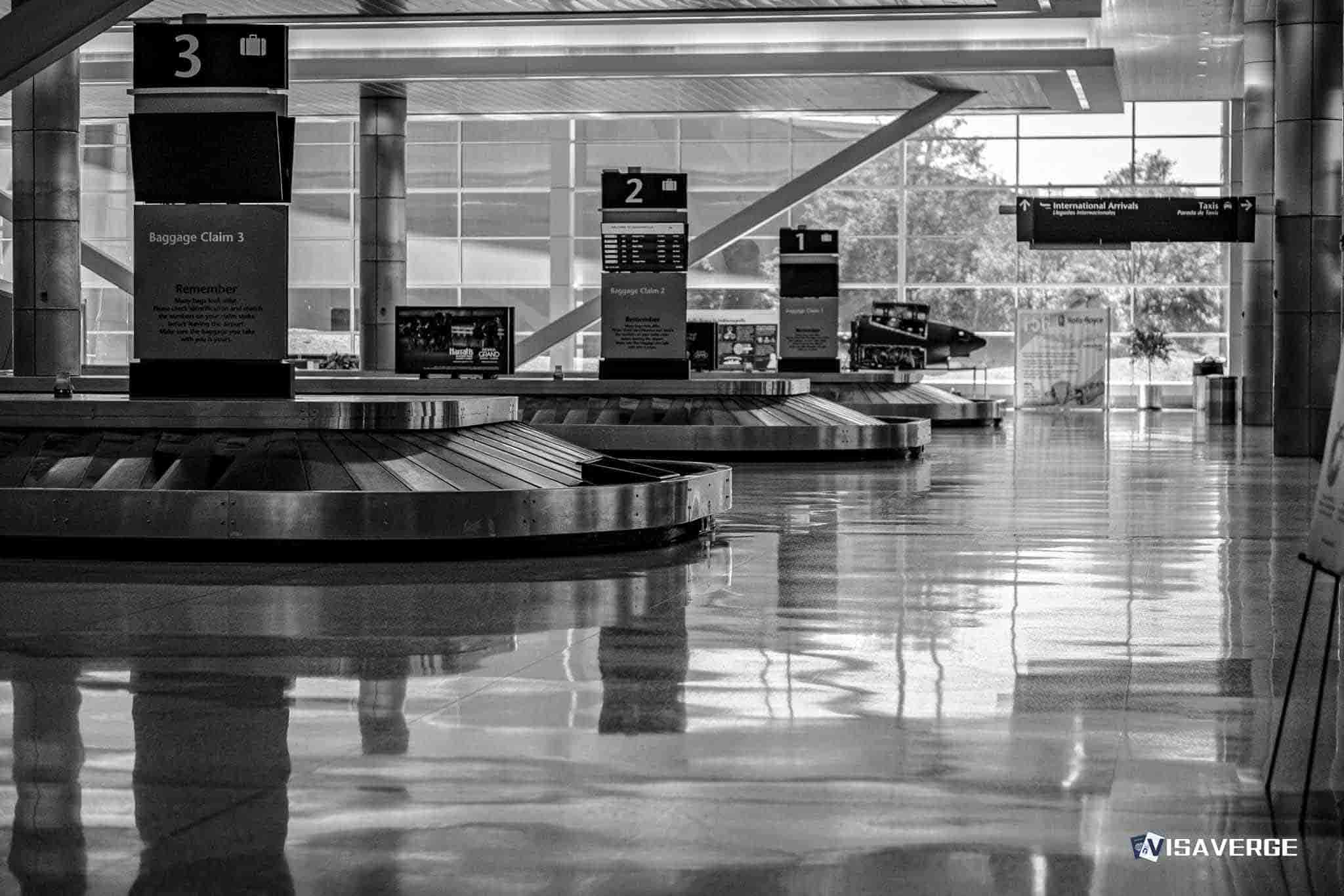
- ICE agents deployed to 14 airports to assist with staffing shortages caused by the DHS funding lapse.
- Philadelphia International Airport saw three of six checkpoints close as TSA officer call-outs reached 25 percent.
- Labor and civil-rights groups warn of passenger intimidation due to the unprecedented presence of immigration enforcement.
(PHILADELPHIA, PA) — ICE agents arrived at Philadelphia International Airport on March 24, 2026, as part of a nationwide deployment overseen by Tom Homan, set against a DHS funding lapse that has strained TSA staffing and raised questions about enforcement at civilian airports.
The Trump administration said the move was meant to ease pressure on airport checkpoints during the partial shutdown, which began on February 14, 2026. Training and initial deployment activity began on March 23, 2026, with plainclothes ICE agents at PHL before the first day of visible operations.
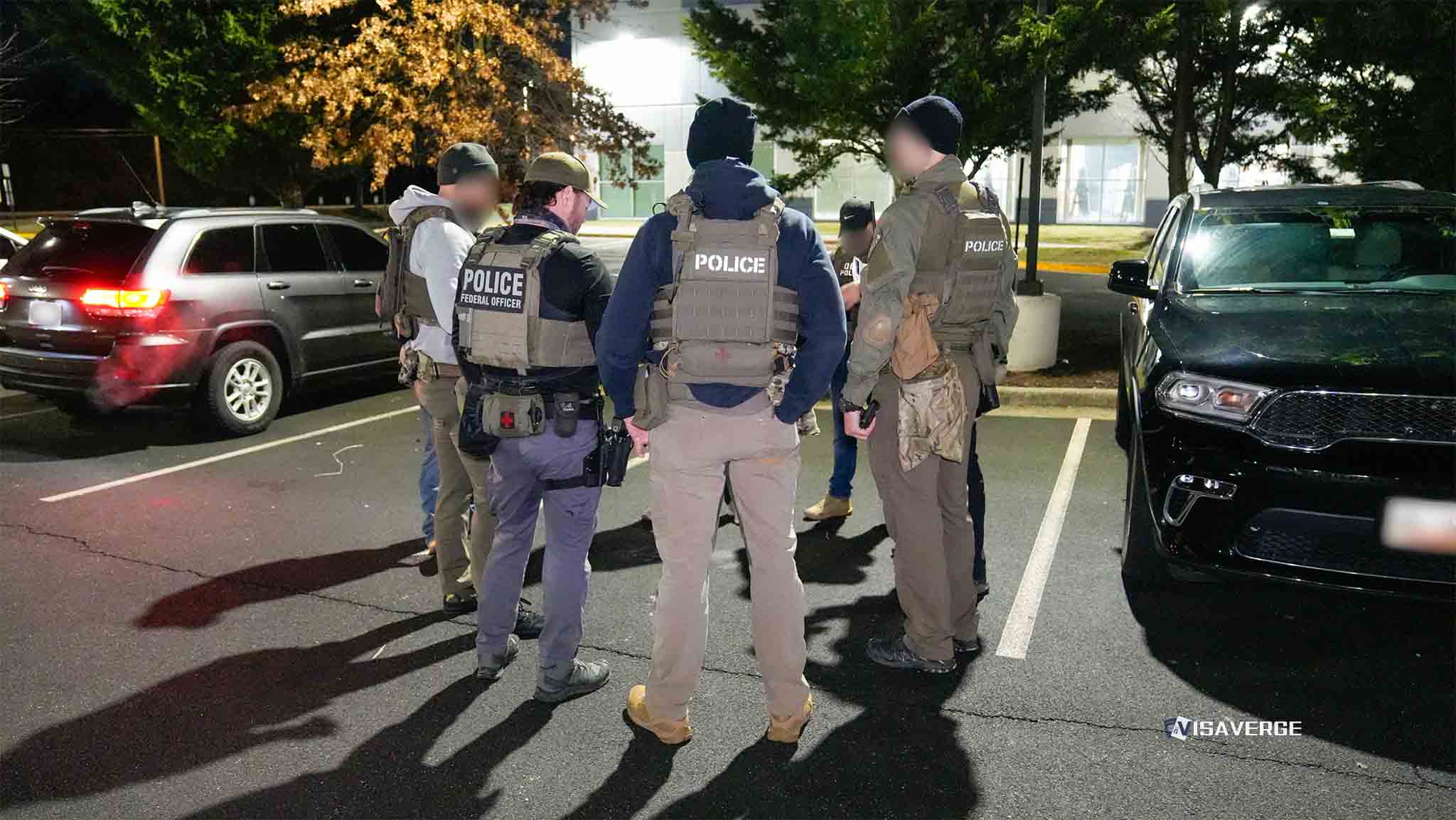
Across the country, the operation reached 13 to 14 major airports and involved up to 150 ICE agents. Beyond Philadelphia, deployments were reported at Hartsfield-Jackson Atlanta International Airport, John F. Kennedy International Airport, O’Hare International Airport, Newark Liberty International Airport, and Pittsburgh International Airport.
That timing matters for travelers. Airports were already dealing with thinner TSA staffing, uneven screening lines, and checkpoint closures, so a new federal presence arrived as passengers were trying to judge whether to arrive early or change plans.
By March 24, the DHS funding lapse had entered its third week. Unpaid TSA officers had begun leaving their jobs or calling out, and the stress showed at airports where screening capacity was reduced and line management became less predictable.
At PHL, officers called out at nearly 25% on Sunday, compared with 11.76% nationally, and three of the airport’s six checkpoints closed. Sean Duffy, the transportation secretary, warned that turnover could worsen if the shutdown dragged on.
Those staffing problems did not mean every traveler faced the same experience. Some screening lines moved faster than expected, while others backed up sharply as fewer officers handled ID checks, bag screening, and passenger flow.
ICE Deployment at Major Airports
Homan, the White House border czar, said ICE agents were assigned to support duties such as helping at exits, assisting with screenings, and managing line flow. He said the goal was to free TSA officers from what he described as non-core tasks, not to have ICE agents handle baggage.
President Trump linked the deployment to the broader fight over DHS funding and immigration policy. Speaking in Memphis on Tuesday, he said the National Guard could also be used at airports if conditions worsened.
His public comments also tied the shutdown fight to demands for DHS funding changes and the SAVE Act, which he has used to press for voter ID and proof-of-citizenship measures. That framing widened the political dispute around what began as an airport staffing problem.
Former Acting ICE Director Jonathan Fahey discussed the plan on Fox News as administration officials defended the use of ICE agents in civilian airport settings. For legal and policy observers, the question is not only staffing, but also how far immigration enforcement personnel may be drawn into public-facing airport operations during a funding lapse.
- Philadelphia International Airport (Philadelphia) — Plainclothes training, checkpoint support, exits and line flow assistance; part of a nationwide deployment of up to 150; start date March 24, 2026.
- Hartsfield-Jackson Atlanta International Airport (Atlanta) — Reported deployment for TSA support functions; part of a nationwide deployment of up to 150; start date March 24, 2026.
- John F. Kennedy International Airport (New York) — Reported deployment for TSA support functions; part of a nationwide deployment of up to 150; start date March 24, 2026.
- O’Hare International Airport (Chicago) — Reported deployment for TSA support functions; part of a nationwide deployment of up to 150; start date March 24, 2026.
- Newark Liberty International Airport (Newark) — Reported deployment for TSA support functions; part of a nationwide deployment of up to 150; start date March 24, 2026.
- Pittsburgh International Airport (Pittsburgh) — Reported deployment for TSA support functions; part of a nationwide deployment of up to 150; start date March 24, 2026.
Pushback came quickly from labor groups, civil-rights advocates, and local officials. Their objections centered on training, passenger trust, and the effect of placing ICE agents in visible roles at airports used by citizens, visitors, and mixed-status families.
Andy Gennetti of AFGE Local 556 said airports were not the place “to intimidate people.” Lashanda Palmer of AFGE Local 333 pointed to the strain on TSA officers already working without pay, while AFGE national president Everett Kelley questioned whether ICE personnel were properly prepared for TSA-adjacent duties.
The ACLU called the deployment unprecedented and warned that armed immigration agents at airports may create fear for travelers who already see checkpoints as high-pressure spaces. Critics said the issue was not only whether ICE agents could help move lines, but whether their presence changed the atmosphere of civilian screening areas.
Philadelphia Councilmember Jamie Gauthier issued a direct warning about conduct, telling ICE to “play nice” and saying legal limits still applied. Her comments reflected a local concern that airport security culture depends in part on public confidence, not just faster movement through a checkpoint.
Travel Impact at PHL and Other Airports
For travelers, the effect was immediate but uneven. At PHL, some passengers arrived hours early because they feared long lines and missed flights, while others found that waits varied by terminal, time of day, and which checkpoints remained open.
Jeff Trainer was among those who came before dawn to reduce the risk of missing a departure. That behavior can itself change conditions, as large early surges may push screening lines longer even when flights are spread across the morning.
Checkpoint closures and staffing gaps do not always mean flight cancellations. In many cases, they affect the time needed to clear security rather than whether an aircraft departs, though missed flights may rise if passengers underestimate delays.
Travelers should monitor official airport updates for checkpoint changes and plan for potential delays due to staffing disruptions.
Airports may also see line-flow support produce mixed results. Extra personnel at exits or queue points may help move people, but screening throughput still depends on enough trained TSA officers to operate stations and process bags.
- Three of six checkpoints closed at PHL — Longer and less predictable screening lines by March 24, 2026, with closures tied to staffing shortages.
- Reduced TSA staffing — Slower passenger throughput at some periods during the third week of the shutdown, with effects varying by hour and terminal.
- ICE support at exits and line flow — Possible relief at queue management points starting March 24, 2026, but not a replacement for core TSA screening roles.
- Early traveler arrivals — Morning crowding and uneven waits on March 24, 2026, driven by fear of delays and missed flights.
Travelers should monitor official airport updates for checkpoint changes and plan for potential delays due to staffing disruptions.
What Happens Next
What happens next may depend on whether the shutdown continues beyond Friday, when TSA workers would miss three weeks of pay. If that happens, staffing stress may deepen and more airports could face reduced checkpoint availability or wider use of outside personnel.
Administration officials have signaled that expansion remains possible if conditions worsen. Trump’s mention of the National Guard raised the stakes, even as current deployments appear tied to shutdown-related pressure rather than a permanent change in airport staffing.
For visa holders and other noncitizen travelers, the legal setting may feel more uncertain even if their trip is routine. A visible ICE presence at airports may heighten concern, especially for H-1B travelers or those with pending immigration matters, though screening and immigration enforcement are still separate functions in many cases.
If you are an H-1B or other visa-status traveler, review your travel plans and stay informed through official DHS/ICE guidance and airline advisories.
Readers should watch three signals next: TSA staffing levels, checkpoint availability at major airports, and official updates from airports or federal agencies. Philadelphia International Airport, DHS, TSA, and ICE may issue operational notices that affect arrival timing and passenger flow.
This article discusses government enforcement actions and current events related to immigration policy and airport operations. Readers should be aware this is a developing story and official guidance may change.
The piece does not constitute legal advice. For individual legal questions, consult an attorney.