- The U.S. government repatriated 170 Cuban citizens via a charter flight following a months-long detention period.
- Dozens of detainees were transferred to Guantánamo Bay after reportedly abandoning their immigration cases to expedite removal.
- Advocacy groups raised due process concerns regarding facility transfers, transparency, and limited access to legal counsel.
- The operation highlights shifting immigration enforcement tactics involving remote federal facilities and high-security detention centers.
The United States repatriated 170 Cuban citizens on Monday, February 10, 2026, ending a months-long detention chain that included ICE detention facilities and confinement at the Guantánamo Bay Naval Base. The charter flight delivered the group to José Martí International Airport in Havana, according to information released by Cuban officials and tracking by advocacy groups. The repatriation matters legally because it spotlights the federal government’s detention-transfer practices and the pressure points that can arise when people in removal proceedings “give up” their cases expecting immediate deportation. It also raises fresh questions about access to counsel, transparency in custody decisions, and how DHS uses remote federal facilities in immigration enforcement.
Overview of the repatriation
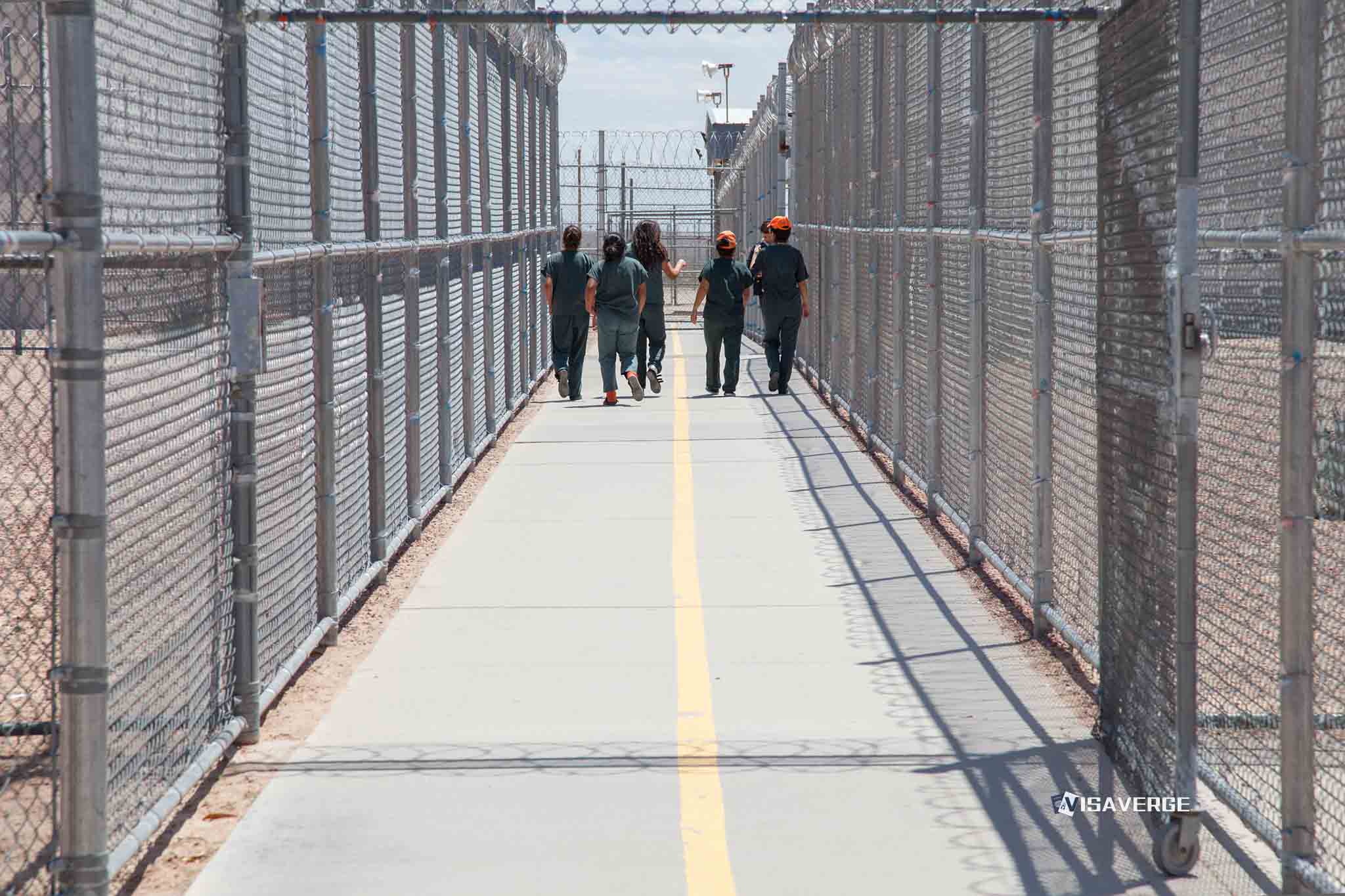
Cuban authorities reported that the February 10 charter flight returned 153 men and 17 women, for a total of 170 people. The flight reportedly originated from airfields in Louisiana and Florida before landing in Havana. For many of the returnees, the flight closed an odyssey that began in the U.S. interior at ICE facilities and later included Guantánamo. While Guantánamo is best known for post‑9/11 military detention, the United States has also used parts of the base in various migration operations over the years. That history has made any renewed use of Guantánamo for immigration custody especially sensitive.
The journey: detention and transfers
More than 50 of the repatriated Cubans were men transferred from a large ICE holding facility in Natchez, Mississippi, to Guantánamo starting in December 2025. The first 22 Cuban men arrived just before Christmas 2025, and the total reached 55 by early January 2026. A key detail is that these men had reportedly agreed to abandon their immigration cases. They expected direct deportation to Cuba. Instead, they were moved to Guantánamo and confined in a facility previously used for suspected al Qaeda detainees. Legally, “abandoning” or withdrawing an immigration court case can happen in different ways. Some people accept removal and waive appeal rights. Others may accept stipulated orders or other dispositions. The consequences can be severe, because a final order of removal can trigger bars to returning to the U.S. and can limit future relief. See generally INA § 212(a)(9) (unlawful presence and reentry bars) and INA § 241 (execution of removal orders).
Warning: Do not sign paperwork waiving your hearing or appeal unless you understand the exact order being entered and whether you are giving up the right to see an immigration judge. Ask for an interpreter if needed.
Demographics and flight details
The Cuban Ministry of the Interior said the flight carried 153 men and 17 women. The charter reportedly staged from Louisiana and Florida. That routing is consistent with ICE’s practice of consolidating people for removal via regional airfields. Transfers between facilities, including out-of-state moves, are generally within DHS custody authority. Still, rapid transfers can make it harder to contact counsel or family, and they may disrupt pending filings. In immigration court, deadline-driven relief applications often depend on stable access to records and legal help. For people with family-based options, disruptions can affect parallel processes handled by USCIS, such as I‑130 petitions and related documentation.
Deadline: If you have a pending immigration court case, missing an immigration judge’s filing date can result in an order of removal. Confirm deadlines with EOIR and your attorney as soon as you learn of a transfer.
Official response and human rights concerns
ICE and DHS officials declined to provide details about the detainees or their movements. DHS had previously said the first group of 22 sent to Guantánamo included people described as “illegal aliens” with histories of homicide, kidnapping, assault, battery, and other violent crimes. Officials did not provide names, charges, or convictions. Advocates raised concerns about transparency and conditions. Lee Gelernt of the ACLU, which has challenged Guantánamo’s use as an ICE holding site, said lawyers believed all 55 men transferred to Guantánamo were returned on the February 10 flight. Human Rights First, through its ICE Flight Monitor program, tracked the flight and said it was the first deportation flight to Cuba since December 18, 2025. From a legal standpoint, custody decisions are often insulated from public view. But people in removal proceedings still have due process protections. Access to counsel is a core concern, even though the government is not required to provide free counsel in immigration court. See INA § 240(b)(4)(A) (right to counsel “at no expense to the Government”).
Warning: If ICE moves a detained family member, insist on the new A‑number location and facility name immediately. Transfers can interfere with attorney access and court filings.
Context: Guantánamo and immigration enforcement
The Trump administration held about 780 migrants at Guantánamo during its immigration enforcement crackdown, according to the reporting summarized here. Some were transferred onward to other countries. Others were returned to the United States before being deported. That pattern is significant for Cuban citizens and their families because Cuba removals can be episodic and politically contingent. When removals slow, detention may lengthen, and DHS may rely on transfers to manage bed space. For families pursuing visas or petitions, prolonged detention can also complicate evidence gathering and communication. While family petitions can sometimes proceed during detention, the detained person’s criminal history, prior removal orders, or alleged gang findings may affect eligibility for adjustment, waivers, or consular processing. Eligibility can also vary by federal circuit law if litigation follows.
Practical guidance for affected readers
If your relative is a Cuban national in ICE custody or recently removed, consider these steps:
- Verify case posture. Ask whether there is a final order of removal, a waiver of appeal, or a pending BIA appeal. EOIR case status is available through the EOIR hotline and online system at justice.gov/eoir.
- Get the records. Request the immigration court record and any ICE paperwork signed in custody. A lawyer can assess whether a motion to reopen may be possible under INA § 240(c)(7), based on the facts and deadlines.
- Assess family-based options. If a U.S. citizen or LPR relative has an approved or pending I‑130, ask counsel how a removal order affects consular processing and whether any waivers may apply.
- Plan for communication after removal. If the person is back in Cuba, document identity, prior entries, and any fear-based claims. Some people may have pursued asylum or related protection under INA § 208, withholding under INA § 241(b)(3), or CAT-based protection. Those paths are time-sensitive and fact-specific.
Resources (official):
- EOIR Immigration Court information:
- ICE detention and locator:
⚖️ Legal Disclaimer: This article provides general information about immigration law and is not legal advice. Consult a qualified immigration attorney for advice about your specific situation. Resources:
- AILA Lawyer Referral
- Immigration Advocates Network