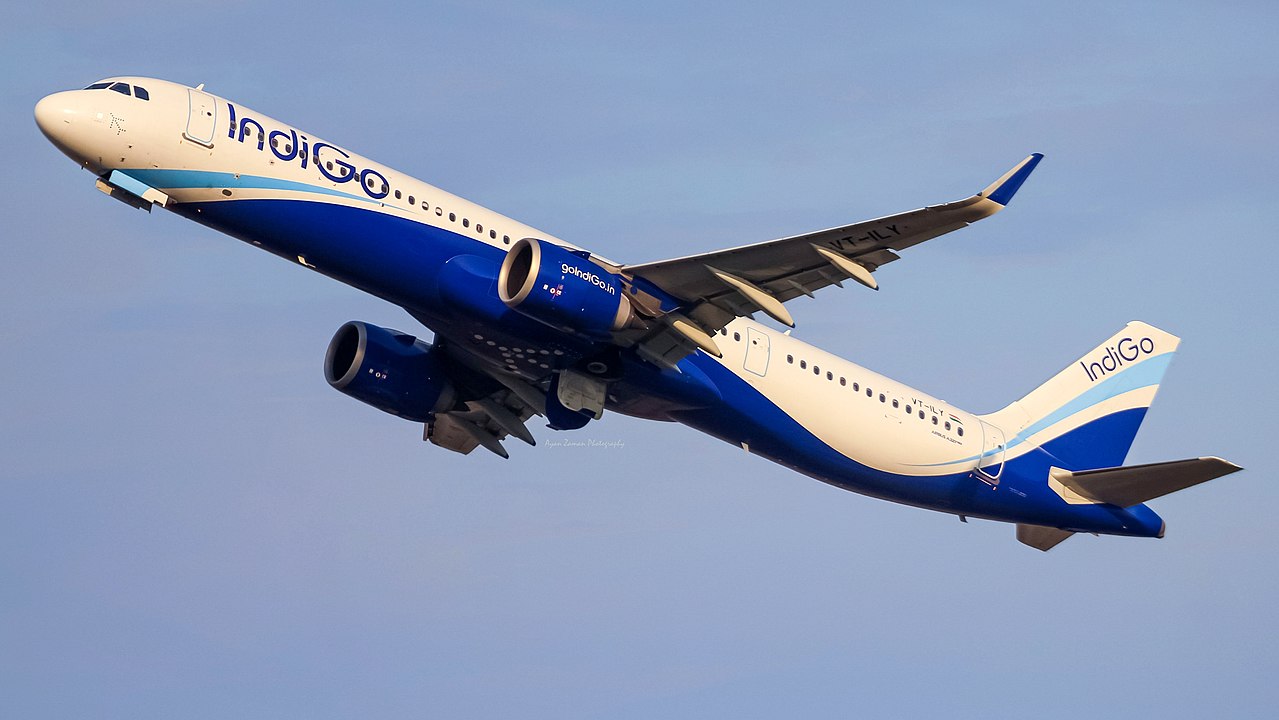
(INDIA) IndiGo Airlines’ grip on India’s skies is facing fresh scrutiny after recent network disruptions exposed how deeply the country now depends on a single carrier. With a domestic market share of 64.2% in August 2025, according to regulator data, the airline towers over rivals and has revived worries that its dominance is edging toward a de facto monopoly in key routes that matter for business travellers, migrant workers, students and families moving within and beyond India.
The disruptions, which led to large‑scale rescheduling and cancellations before IndiGo said it had re‑established more than 95% of its network connectivity, created ripple effects far beyond business travel. Passengers on domestic and connecting international flights, including those holding foreign work visas and study permits, suddenly faced missed interviews at consulates, delayed college reporting dates and postponed joining dates with overseas employers.
For many Indians whose immigration plans depend on tight flight connections, the incident underscored how a technical or operational failure at one dominant airline can quickly turn into a national mobility problem.
Immediate operational response and passenger impact
IndiGo said it operated more than 1,500 flights on the recovery day, stressing that the response showed the strength of its operations. Industry observers, though, pointed out that the episode highlighted a more uncomfortable truth: India’s aviation system has become heavily centered on one private airline.
When that airline stumbles, the effects can include:
- Trapping passengers within visa expiry windows
- Disrupting “landing” deadlines imposed by foreign universities
- Leaving families stranded during time‑sensitive immigration appointments at embassies and consulates in cities like Delhi, Mumbai and Bengaluru
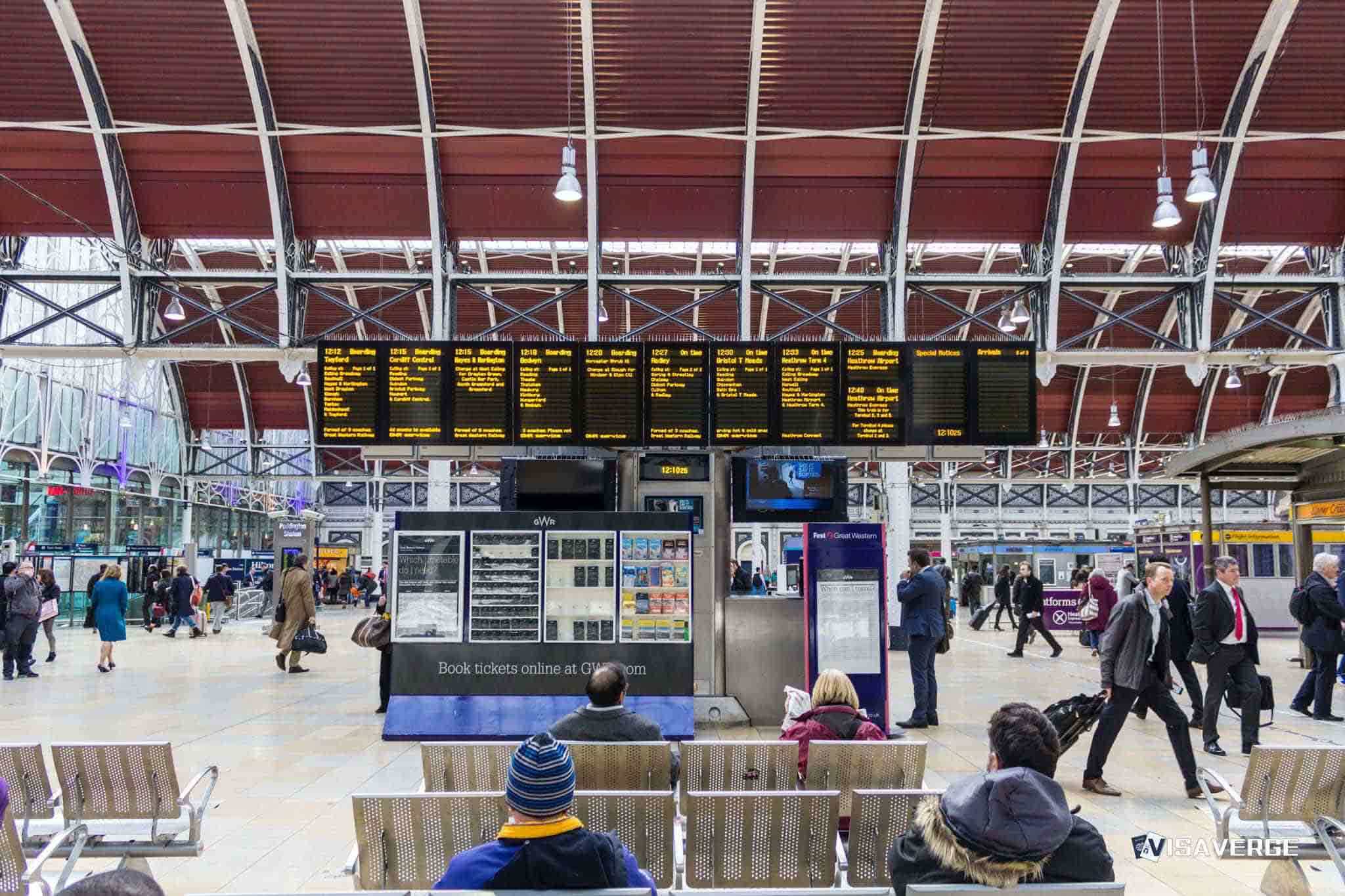
During the incident, many travellers found no alternative flights. Queues grew at airport transfer counters as people tried to rebook to reach overseas visa centers, while some international students paid for completely new itineraries when domestic delays made them miss onward flights. Travel agents reported frantic calls from parents worried about missed check‑in deadlines tied to visa rules.
Market share and capacity: latest data
Fresh data from the Directorate General of Civil Aviation (DGCA) for August 2025 show some small shifts but no real change in dominance:
- IndiGo’s domestic market share slipped from 65.2% in July to 64.2% in August
- The Air India group rose from 26.2% to 27.3%
- Akasa Air held 5.4%
- SpiceJet held 2%
The figures, published by the DGCA on its official site at dgca.gov.in, confirm that IndiGo still carries nearly two out of every three domestic passengers in the world’s fastest‑growing large aviation market.
When measured by seats rather than passengers (as of December 2025):
| Metric | IndiGo | Air India | Others |
|---|---|---|---|
| Share of total seat capacity | ~53% | 15% | Remaining share |
This concentration has direct consequences for immigration‑linked travel. A majority of passengers from smaller Indian cities rely on IndiGo for the first domestic leg to international hubs bound for the 🇺🇸 United States, 🇨🇦 Canada or the Gulf. If that domestic leg fails, passengers may:
- Lose non‑refundable long‑haul tickets
- Miss biometrics or visa stamping appointments
- Fall out of tight report‑by dates set by foreign border and immigration rules
How airline concentration affects mobility and prices
According to analysis by VisaVerge.com, IndiGo’s concentration means its pricing and scheduling choices can indirectly shape when and how Indians move abroad for work and study. While IndiGo is not a legal monopoly in the classic competition‑law sense, its ability to set frequencies and fares on many routes gives it influence akin to monopoly control for passengers in tier‑2 and tier‑3 cities with few alternatives.
Practically, lawyers and advisers who focus on student and worker mobility now routinely recommend clients build extra buffer days into travel plans to mitigate last‑minute domestic changes.
“A wake‑up call for Indian aviation” — regulators and policy thinkers use this phrase to describe the current situation, stressing the need for more resilient connectivity rather than declaring a crisis.
Policy response and regulatory stance
The government has avoided labelling IndiGo a monopoly; there is no formal competition case targeting the airline’s size. Officials speak instead about the need for balanced growth and more resilient connectivity, especially to smaller cities that feed international migration flows.
Actions and approaches mentioned by authorities include:
- Encouraging new entrants
- Supporting Air India group’s expansion
- Hoping gradual growth of other private carriers will chip away at IndiGo’s lead without heavy‑handed intervention
Regulators such as the DGCA and the Ministry of Civil Aviation are backing measures intended to strengthen alternatives while keeping fares affordable for the growing middle class.
Systemic risks and operational spill‑overs
The ripple effects of a dominant carrier’s disruption extend beyond passengers to border and immigration systems:
- Sudden shifts in arrival peaks can affect immigration counters run by India’s Bureau of Immigration
- International carriers’ schedules may be disrupted by downstream delays
- Experts warn that a major incident during a festival or student rush could overwhelm both aviation and immigration systems simultaneously
This scenario has added urgency to discussions in Delhi about encouraging competition while maintaining affordability.
Arguments from supporters and critics
Supporters of IndiGo argue:
- The carrier is being punished for success and efficiency
- Its low‑cost, high‑frequency model made air travel affordable for millions who previously relied on trains or buses
- A historically strong on‑time record made it a preferred choice for time‑sensitive trips to visa interviews and embassy appointments
Critics counter:
- The same model, combined with a very large market share, can squeeze rivals off key routes
- This tilts the system toward single‑airline dependence, reducing backup options when problems occur
What’s at stake and possible futures
What happens next will shape the future of Indian aviation and how easily Indians can move for work, study and family reunion abroad.
Two broad scenarios:
- Growth of competitors (Air India expansion, Akasa Air, a revived SpiceJet) succeeds
- IndiGo may remain the largest player but lose the aura of an untouchable monopoly
- The network becomes more resilient with better alternatives
- Competitors fail to scale
- IndiGo’s network issues will continue to send shock waves through airports, consulates and immigration queues
- Air travel disruptions could increasingly affect people’s travel plans and, in some cases, life plans
The balance between affordable fares and system resilience remains the policy and operational challenge going forward.
IndiGo’s 64.2% domestic market share in August 2025 and recent network disruptions highlighted risks from airline concentration. The carrier restored over 95% connectivity and ran 1,500+ recovery flights, yet many passengers missed visa appointments and onward connections. Regulators advocate encouraging new entrants and supporting Air India’s expansion to improve resilience, balancing affordability with more options for travellers from smaller cities reliant on IndiGo’s network.