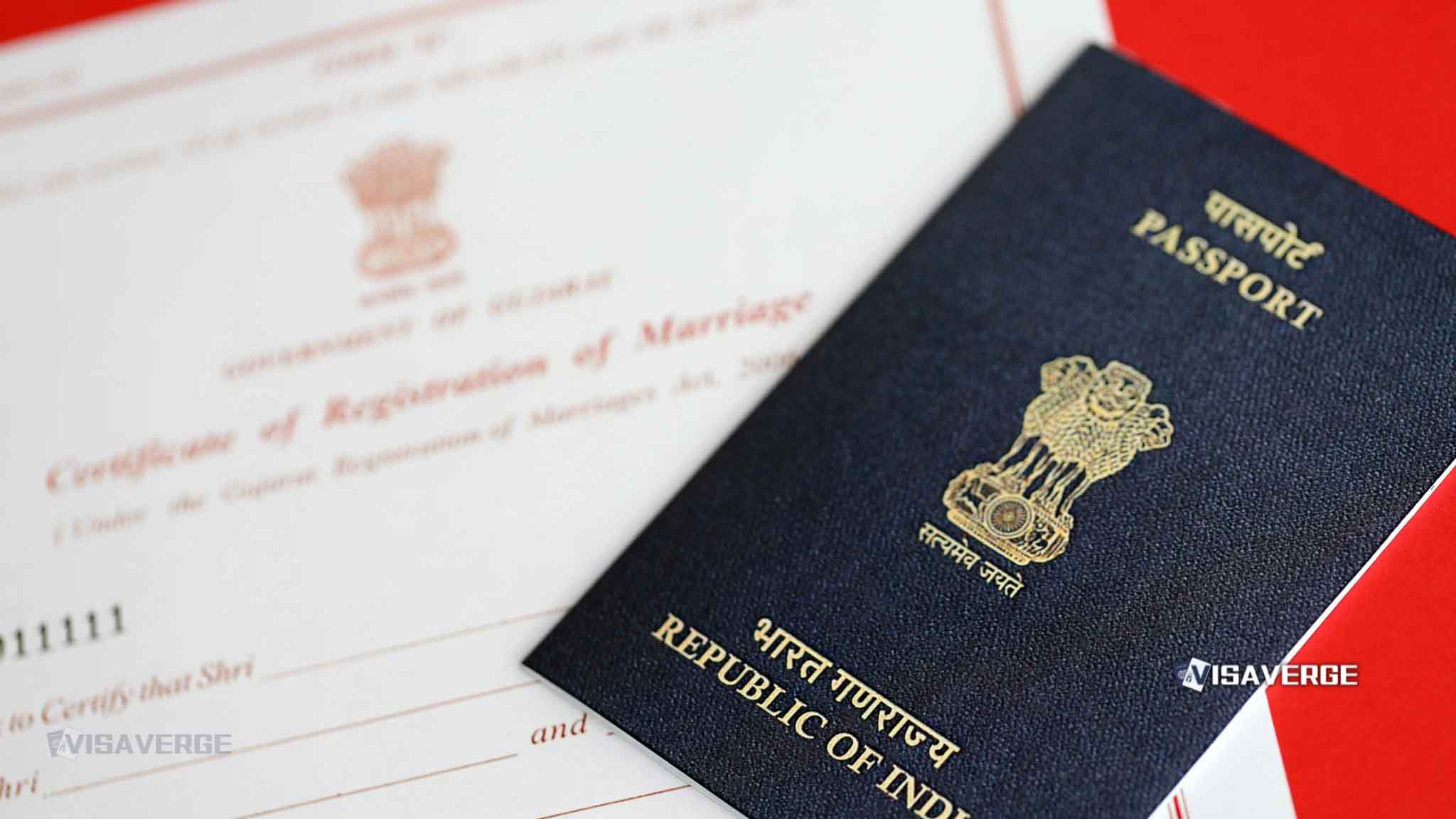
- India has increased the duty-free allowance to ₹75,000 for residents and tourists of Indian origin.
- Foreign tourists now enjoy a higher ceiling of ₹25,000 for their accompanied baggage items.
- Specific quantitative limits for alcohol and tobacco remain unchanged despite the higher overall value threshold.
(INDIA) — India raised the duty-free baggage allowance to ₹75,000 for residents and tourists of Indian origin arriving by air or sea under the Baggage Rules, 2026, effective from midnight on February 2, 2026.
The increase applies to duty-free articles carried on a passenger or packed in bona fide accompanied baggage, covering people arriving in India other than by land.
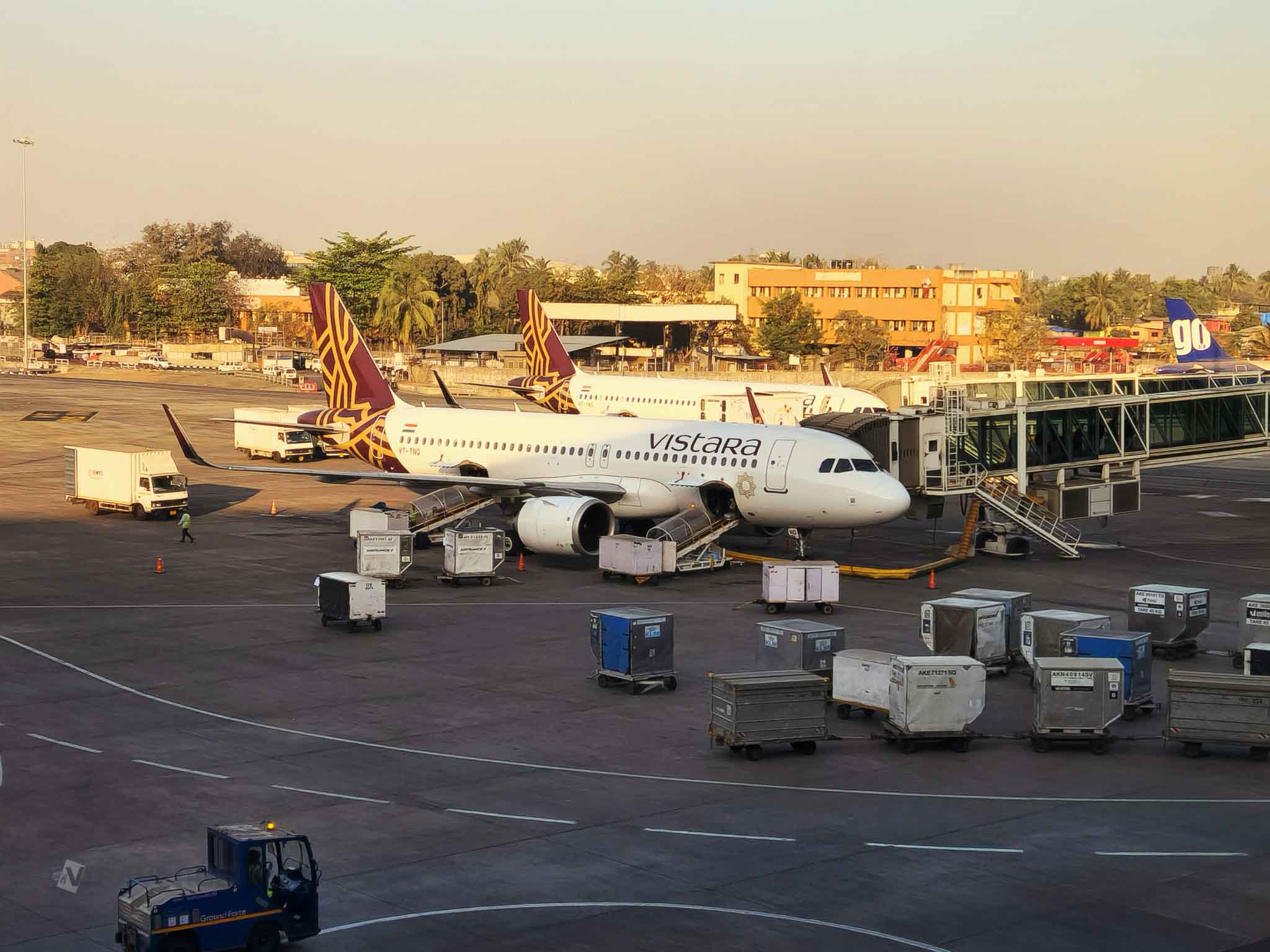
Foreign tourists also received a higher ceiling, with the duty-free limit increased to ₹25,000 from ₹15,000, excluding infants.
The Central Board of Indirect Taxes and Customs notified the new rules on February 1, 2026, describing the change as an effort to “ease travel formalities and align baggage rules with contemporary spending patterns.”
Background and rationale
India’s previous duty-free allowance of ₹50,000 came from the 2016 rules and had remained unchanged for nearly a decade.
The update arrives as overseas costs have risen and the rupee has depreciated, leaving travelers more likely to breach older limits when returning with routine purchases.
By replacing the 2016 framework, the Baggage Rules, 2026 reset the headline allowances that customs officers use when deciding whether travelers must pay duty on newly acquired items brought back into the country.
Who the new allowances cover
For residents and tourists of Indian origin arriving by air or sea, the duty-free allowance now covers articles up to ₹75,000 in value, provided those items are carried on the person or in bona fide accompanied baggage.
That threshold earlier stood at ₹50,000, meaning the new rules expand the value travelers can carry without paying duty under the general allowance for this category of passengers.
The rules separately raise the general allowance for foreign tourists, setting their duty-free limit at ₹25,000 rather than ₹15,000, while keeping infants outside that foreign-tourist limit.
Passengers over 18 fall under the general allowances, while used personal effects are duty-free for all travelers, including infants, under the new framework.
Jewellery and special provisions
Returning residents and Overseas Citizen of India cardholders who have stayed abroad for over one year also have specific jewellery provisions, which customs officers apply alongside the broader baggage allowances.
Female passengers in that returning category can bring jewellery up to 40 grams duty-free, while other passengers can bring jewellery up to 20 grams duty-free.
The rules define jewellery as adornments of gold, silver, platinum, or precious metals, worn ordinarily, in bona fide baggage, tying eligibility to both the nature of the item and how it is carried.
Unchanged quantitative limits and controlled goods
Several long-standing quantitative limits remain unchanged even as the headline allowance rises, creating a mix of higher value-based relief and fixed caps for certain controlled goods.
- Alcohol remains limited to 2 litres.
- Tobacco allowances remain at 100 cigarettes, 25 cigars, or 125g tobacco.
- Passengers may bring up to 50 firearm cartridges under the unchanged provisions.
Those caps continue to apply even when the overall duty-free value allowance is higher, so certain restricted items remain subject to fixed quantitative limits.
Impact for business travelers and employers
For many business travelers, the higher general allowance means specific high-value personal items such as laptops and smartphones now often fit under the duty-free limit without attracting duty.
CBIC framed the changes as a simplification that can make compliance easier for globally mobile employees, who often return with a combination of personal purchases and work-related items in their accompanied baggage.
Companies that move staff frequently, and organizations that reimburse overseas purchases, may now adjust internal travel guidance to reflect the Baggage Rules, 2026.
- Update pre-trip guidance. Travel managers should revise rules on what counts toward the allowance.
- Adjust expense calculators. Firms can change reimbursement thresholds to reduce misdeclaration risks.
- Educate employees. Clear guidance helps avoid penalties and airport delays.
Enforcement and operational details
Random customs inspections continue under the updated regime, and penalties for misdeclaration apply under the Customs Act.
That combination of a higher allowance and continued enforcement places more weight on correct declarations rather than on whether a passenger can avoid scrutiny altogether.
Officials and travel managers often guide travelers on whether to take the green channel or the red channel, and the higher allowance can change how quickly passengers clear customs when their purchases stay under the new threshold.
CBIC said the change reduces red-channel queues amid rising international traffic, reflecting the practical link between allowance levels and the number of passengers who must stop for assessment.
The notified rules include fuller operational detail beyond the headline limits, including Annexure-I restricted items and transfer-of-residence allowances, which can affect what long-term returnees and specific travellers may bring back.
Those provisions matter because the duty-free ceiling does not override restrictions on certain goods, and transfer-of-residence allowances can shape what long-term returnees can bring back when relocating.
With the allowance for residents and tourists of Indian origin now set at ₹75,000, India’s customs framework under the Baggage Rules, 2026 shifts its central benchmark while keeping controlled-goods limits and enforcement tools in place.