(VIRGINIA) A small evangelical church in Virginia has become the center of a growing outcry after two Iranian-born sisters from its congregation were seized by U.S. immigration agents for deportation to Iran, despite fears they could face serious harm on arrival. The sisters, whose names church leaders are withholding because of safety concerns for relatives still in Iran, were taken into custody as part of a wider removal operation targeting Iranian nationals, including Christian converts and political asylum seekers.
Immediate response from the church and pastor
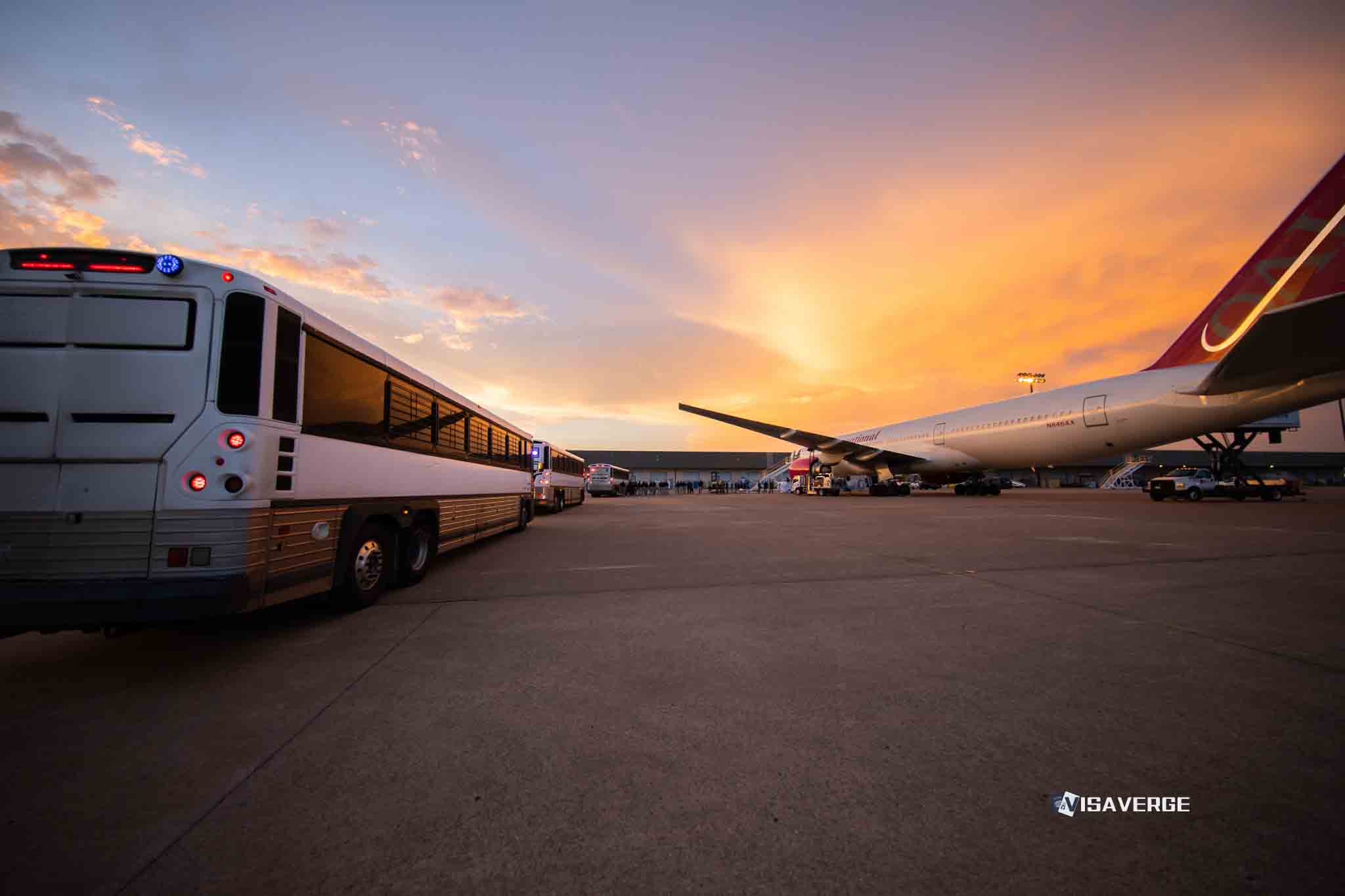
Pastor Ara Torosian, an Iranian-born evangelical Christian who leads the church in Virginia, has spent recent days calling members, speaking with lawyers, and posting urgent messages online as he tries to track what happened to the sisters and others from his flock. He says they are among about 15 Iranian Christian converts and asylum seekers who were placed on a deportation flight that left the United States 🇺🇸 after officials told several of them they were simply being moved to another detention facility.
Instead of a routine transfer, the group was reportedly flown out of the mainland via Puerto Rico and Qatar before being taken to Iran — a country that U.S. lawmakers and human rights groups say jails, tortures, and pressures Christians and political dissidents. According to Pastor Torosian, families in Virginia only realized the sisters were gone when phone calls suddenly stopped and detention centers could no longer find their records.
Reports from Iran and fears for safety
Accounts coming back from Iran have deepened the fear in the Virginia church. People in contact with some of those deported say the Christian converts faced harsh treatment on arrival. Several were allegedly forced to make video statements discrediting their faith and their activities in the United States.
Advocates say those videos are expected to be used by Iranian state media as propaganda to show that converts regret leaving Islam and to discourage others from seeking refuge abroad.
“Devastation and concern that this action will lead to more deportations from the Iranian community in the U.S.,” said immigration lawyer Ali Herischi, who represents some of the deported Iranians.
Herischi has been fielding calls from people across Virginia and other states who fear they could be next — especially Iranian-born family members who converted to Christianity in American churches and now worry that conversion may be used against them if returned.
Legal and political context
The deportations come at a time when Congress has recently passed resolutions condemning Iran’s treatment of Christians, including converts from Islam, and calling attention to imprisonment, harassment, and pressure on house churches. Those resolutions, while not legally binding, have been cited by human rights groups as evidence that U.S. officials know the dangers facing people who adopt Christianity in Iran.
Analysts and advocates warn that Iranian converts and political dissidents are especially at risk if forcibly returned. According to analysis by VisaVerge.com, authorities in Iran often treat them as traitors or foreign agents. Advocates say that deportations from the U.S. can be seen in Tehran as a green light to punish them, since they lack any powerful government willing to protect them once they arrive.
How the deportation was carried out — concerns and timeline
Herischi and other advocates say one of their main concerns is the way the deportation flight was carried out. Key points include:
- Many on board believed they were being transferred to a different U.S. detention center and were not clearly told they were being sent out of the country.
- Only after routes through Puerto Rico and Qatar became apparent did some understand they might be on their way back to Iran.
- By that point, families and lawyers say it was too late to file last-minute emergency appeals.
Possible flight routing (reported):
| Stage | Reported route |
|---|---|
| Departure | U.S. mainland |
| Transit points | Puerto Rico, Qatar |
| Final destination | Iran |
The U.S. government has not publicly detailed the individual cases, citing privacy rules, and has not released a full list of those on the flight. Officials maintain they must enforce final removal orders once legal options are exhausted. Critics counter that for Iranian Christian converts and political asylum seekers, the risk of persecution is so high that more careful review is needed before any deportation proceeds.
Asylum law and practical challenges
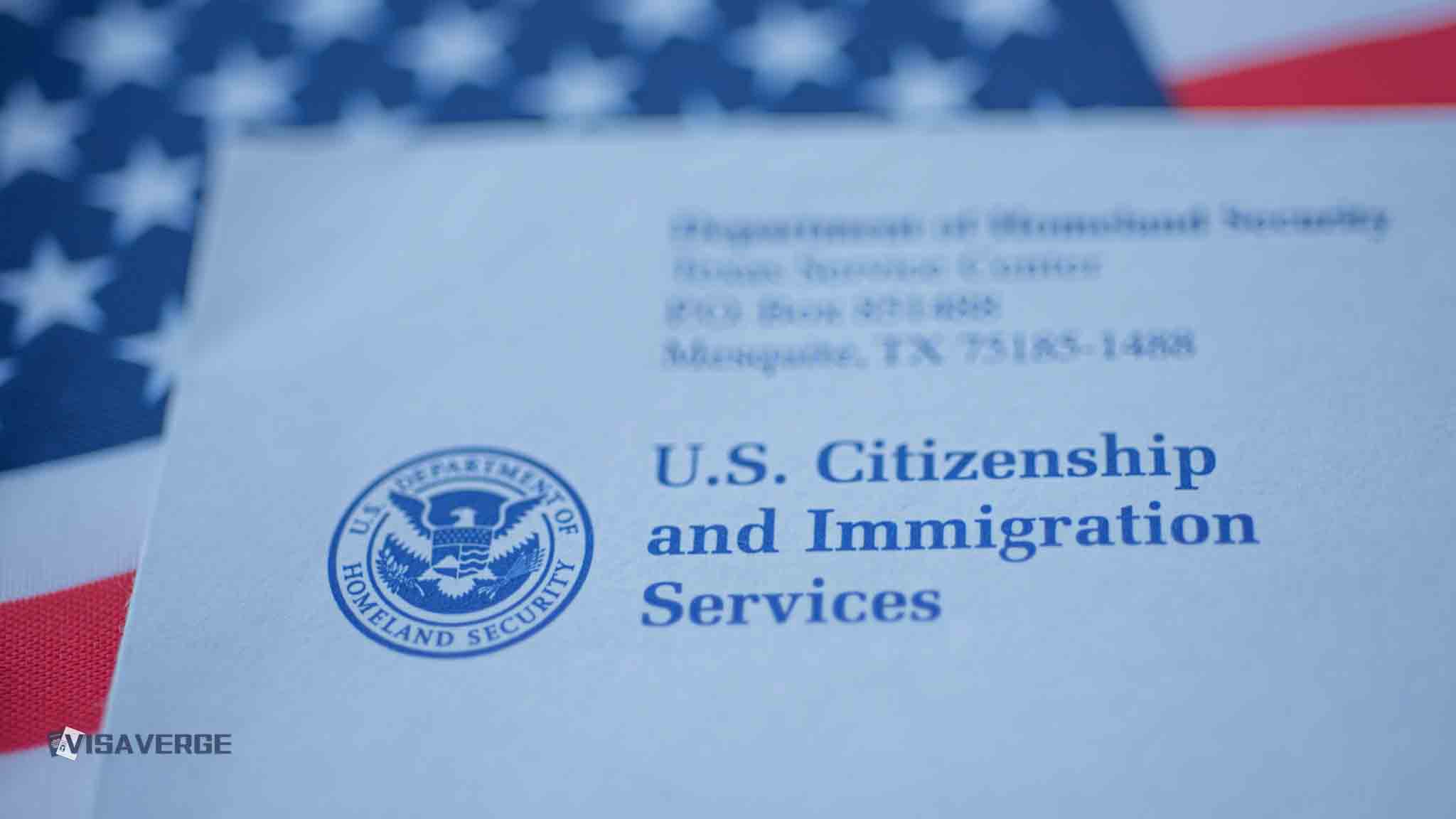
Human rights advocates point out that U.S. asylum law is meant to protect people who face persecution because of their religion, political beliefs, or membership in a particular social group. Official information on how the United States handles such claims is available from U.S. Citizenship and Immigration Services.
In practice, church leaders and lawyers in Virginia say many Iranian cases:
- Drag on for years
- Move applicants between different temporary statuses
- Include periods of detention and repeated court hearings
Then, sometimes suddenly, applicants are told they must leave.
Community impact in Virginia
Inside Pastor Torosian’s church, the response has been emotional and immediate. Members have:
- Gathered to pray for the Iranian-born sisters and the other deportees
- Helped families contact elected officials and civil rights organizations
- Worked with lawyers to collect documents and testimonies showing how openly these converts practiced their faith in Virginia
Parents have struggled to explain to children why friends suddenly disappeared from Sunday school. Church leaders fear that public baptisms, online worship streams, and social media posts could now be used as evidence against the deported individuals in Iran.
For many in the Iranian-American community in Virginia, the deportation flight revived memories of crackdowns and secret police tactics in Iran. Some congregants fled after the Iranian government targeted house churches; others left following protests or political activity. Many say they never imagined they would one day see Iranian-born sisters and brothers from their own pews escorted away by American officers and placed on planes bound for the country they once escaped.
Ongoing efforts and risks
Pastor Torosian has used social media to share updates and appeal for help, posting stories without revealing full identities. He has urged followers to contact members of Congress and press for answers about why the deportation went ahead despite warnings about Iran’s record.
Church members have reached out to national Christian networks in hopes public pressure might prevent future removals of similar converts while their cases are reviewed.
Lawyers now face a difficult task:
- Try to protect those who remain in the United States.
- Keep track of what happens to those already returned to Iran.
Communication from Iran is often sporadic and risky. Families in Virginia worry phone calls may be monitored and that any sign of outside contact with U.S. churches or media could worsen the situation for their loved ones.
For now, the Virginia church continues to pray, protest, and push for answers.
The image of the two Iranian-born sisters — once regular faces in the pews, now somewhere inside Iran’s security system — has turned what might have been another quiet immigration case into a painful symbol of the human cost behind an often-abstract debate over borders, asylum, and deportation.
A Virginia evangelical church is advocating after two Iranian-born sisters were deported amid a removal operation affecting about 15 Iranian Christian converts and asylum seekers. The group was reportedly routed through Puerto Rico and Qatar before reaching Iran, where returnees faced alleged coercion and forced video statements. Lawyers and human rights advocates warn of high persecution risk for converts and call for stricter review of deportation decisions. The church and legal teams continue pressing authorities and seeking remedies for those remaining in the U.S.