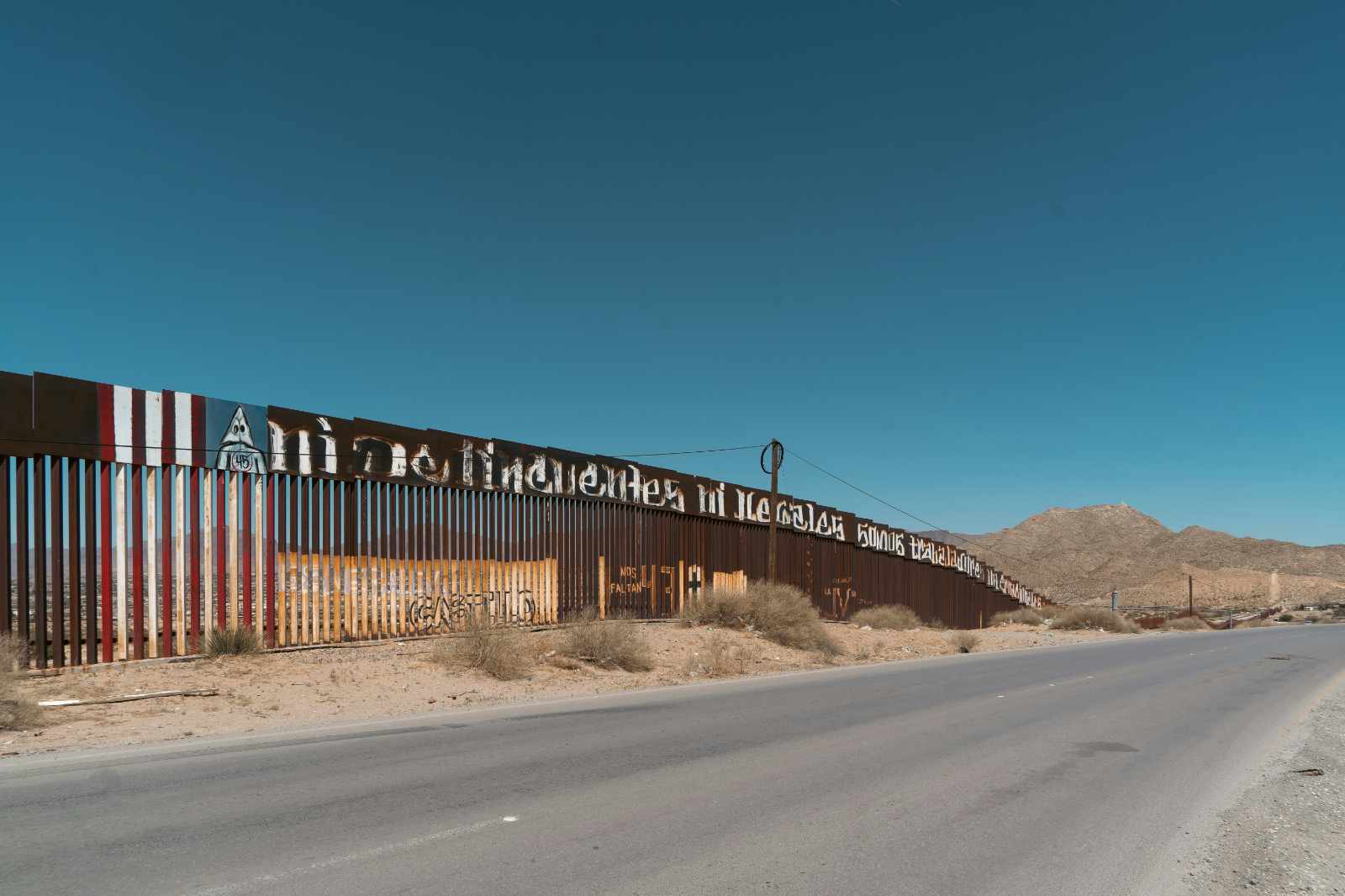
(UNITED STATES) Confusion is spreading among asylum seekers and their families after reports of a late November 2025 visa suspension linked to Afghan nationals and refugee programs under President Trump, with no clear public guidance yet on whether spouses and children of asylum seekers are covered by the move. People with pending asylum cases, already living in the United States 🇺🇸, are asking whether a reported USCIS decision halt or State Department action will touch their family members waiting abroad or listed as dependents on their cases.
What has been reported so far

Public records and media references collected by immigration analysts point to:
- A U.S. visa suspension affecting some Afghan nationals announced around November 28, 2025.
- References to “Trump’s Indefinite Refugee Ban and Funding Halt” dated November 25, 2025.
However, these references do not clearly state whether the suspension reaches derivative relatives of asylum seekers — for example, spouses and minor children attached to existing asylum claims. According to analysis by VisaVerge.com, the publicly available language is broad, referring to “suspension of visas” and “refugee funding halt,” but lacks the detailed policy text that would normally identify which categories are blocked or exempt.
Why this is especially worrying for Afghan asylum seekers
Many Afghan asylum seekers hoped to bring close family members to safety through the U.S. system. Key facts:
- Many have filed asylum applications on Form I-589, Application for Asylum and for Withholding of Removal, which normally allows listing a spouse and unmarried children under 21 as derivative family members.
- Others rely on follow-to-join steps after asylum is granted, a process that can take years.
- When media and advocacy groups referenced a November 2025 visa suspension, families began asking whether dependent relatives were suddenly shut out.
So far, there is no publicly available rule, presidential proclamation, or detailed agency memo that clearly answers that question.
Where the public record falls short
Searches used by immigration lawyers and journalists show headlines about:
- A U.S. visa suspension for Afghan nationals.
- An indefinite refugee ban and funding halt.
But those search results do not include the full text of any order spelling out:
- Whether the measure covers only new refugee admissions from overseas,
- Broader immigrant visas,
- Nonimmigrant visas, or
- Specific security‑screening groups.
They also do not clarify whether people already in line as derivatives of asylum seekers are included or carved out.
The institutional split: USCIS vs. State Department
Under U.S. law, asylum and refugee systems involve both USCIS and the State Department.
- USCIS handles most asylum applications filed inside the country and decides many refugee petitions overseas.
- The State Department, through U.S. consulates, issues the visas that allow people to travel.
When reports speak generally of a “U.S. visa suspension,” the action is usually tied to the State Department and often based on a presidential order. But when people hear “USCIS decision halt,” they fear the agency might stop making decisions on asylum applications or related benefits — even for people already inside the United States.
Because of this split system:
- A measure suspending visas for Afghan refugees abroad might not automatically stop USCIS from deciding asylum cases for Afghans already in the country.
- A halt in refugee funding or new admissions could still delay or block spouses and children who are overseas and depending on consular visas to reunite with a parent who obtained asylum in the U.S.
Asylum (I-589) and family-based petitions (I-130) follow different rules. Don’t conflate the two; outcomes for derivatives differ between asylum processing and green-card pathways.
Without the full text of the November 2025 actions, lawyers cannot say with confidence which situation applies.
Complicating factor: August 1, 2025 USCIS family policy changes
Separate USCIS policy shifts in family‑based immigration took effect on August 1, 2025, affecting green card processing through U.S. citizen and permanent resident relatives.
- Those August changes concern petition‑based immigration (e.g., Form I-130), not asylum.
- They follow different rules and forms than Form I-589 (asylum).
- The timing has fueled broader worries about agency handling of family‑linked cases.
Some asylum seekers feel caught between two partly understood policy fronts:
- Consular visa suspension headlines.
- Domestic USCIS processing rules for family petitions.
How experts suggest verifying the true scope of any suspension
For people trying to determine what the November 2025 visa suspension actually does, experts recommend checking three main sources:
- Presidential proclamations or executive orders that name nationalities, visa types, or refugee programs for suspension.
- State Department cables or public notices instructing consulates to stop issuing visas to specific groups.
- USCIS guidance explaining how those moves affect asylum seekers and their families whose cases are already filed.
Each step matters because a suspension could be broad on paper but narrow in practice, or vice versa.
If you want the most reliable information, consult the primary sources listed above rather than headlines or secondary summaries.
Distinguish asylum-based processes from family-based immigration
Families should be careful not to confuse two separate systems:
- Asylum-based paths use Form I-589 and cover derivatives (spouse, unmarried children under 21) in their own way.
- Family‑based green card routes use Form I-130 and different processing rules.
Mixing these systems can amplify alarm and create misunderstanding about which policies apply to which people.
Practical steps for affected families
Until the exact language of any November 2025 visa or refugee suspension is confirmed, advocates and lawyers recommend the following:
- Regularly check primary government sources, especially the official USCIS site at uscis.gov for policy alerts, press releases, and Policy Manual updates.
- Ensure USCIS has current addresses and contact details.
- Respond quickly to any Requests for Evidence (RFEs) or notices on pending asylum cases.
- Consult a qualified immigration attorney who can review the most recent policy documents as soon as they appear.
- Monitor State Department visa bulletins and any court challenges that could block or narrow presidential actions.
Regularly verify the latest policy by visiting official sources (USCIS, State Department). Set up alerts, and track RFEs promptly to avoid missing deadlines if a visa suspension affects your case.
Current legal counseling stance
Immigration attorneys following this situation generally say:
- There is insufficient public information to state clearly whether spouses and children of asylum seekers are directly targeted by the November 2025 measures.
- Responsible counsel will watch for formal postings in the Federal Register, official USCIS updates, and State Department directives before advising decisive action.
Final note on the human impact
The uncertainty does not ease the fear for families separated by conflict and danger. Parents who filed asylum in the United States hoping to bring partners and children now worry each new visa suspension headline could close the door.
For now, the most concrete—but unsatisfying—advice remains:
Keep your contact details current with USCIS, monitor visa bulletins, and consult a qualified immigration attorney as new official texts are released to understand potential impacts on your family.
- Keep checking official government sources.
- Keep contact information current with USCIS.
- Respond promptly to any USCIS requests.
- Speak with an experienced immigration lawyer for personalized guidance as new policy texts become available.
Late-November 2025 reports describe a U.S. visa suspension tied to Afghan nationals and a refugee funding halt, but no detailed public rule explains whether spouses and children listed as derivatives on asylum claims are affected. USCIS decides domestic asylum claims while the State Department issues consular visas, so a suspension abroad might not stop domestic decisions but could block overseas family reunification. Experts urge checking presidential proclamations, State Department notices, and USCIS guidance and recommend keeping contact information current and consulting immigration counsel.