Key Takeaways
• Supreme Court limits nationwide injunctions in 6-3 ruling impacting immigration policy enforcement.
• Trump’s birthright citizenship order may now be enforced in 22 states without active court blocks.
• Court did not rule on order’s constitutionality; future hearings set for August 1, 2025.
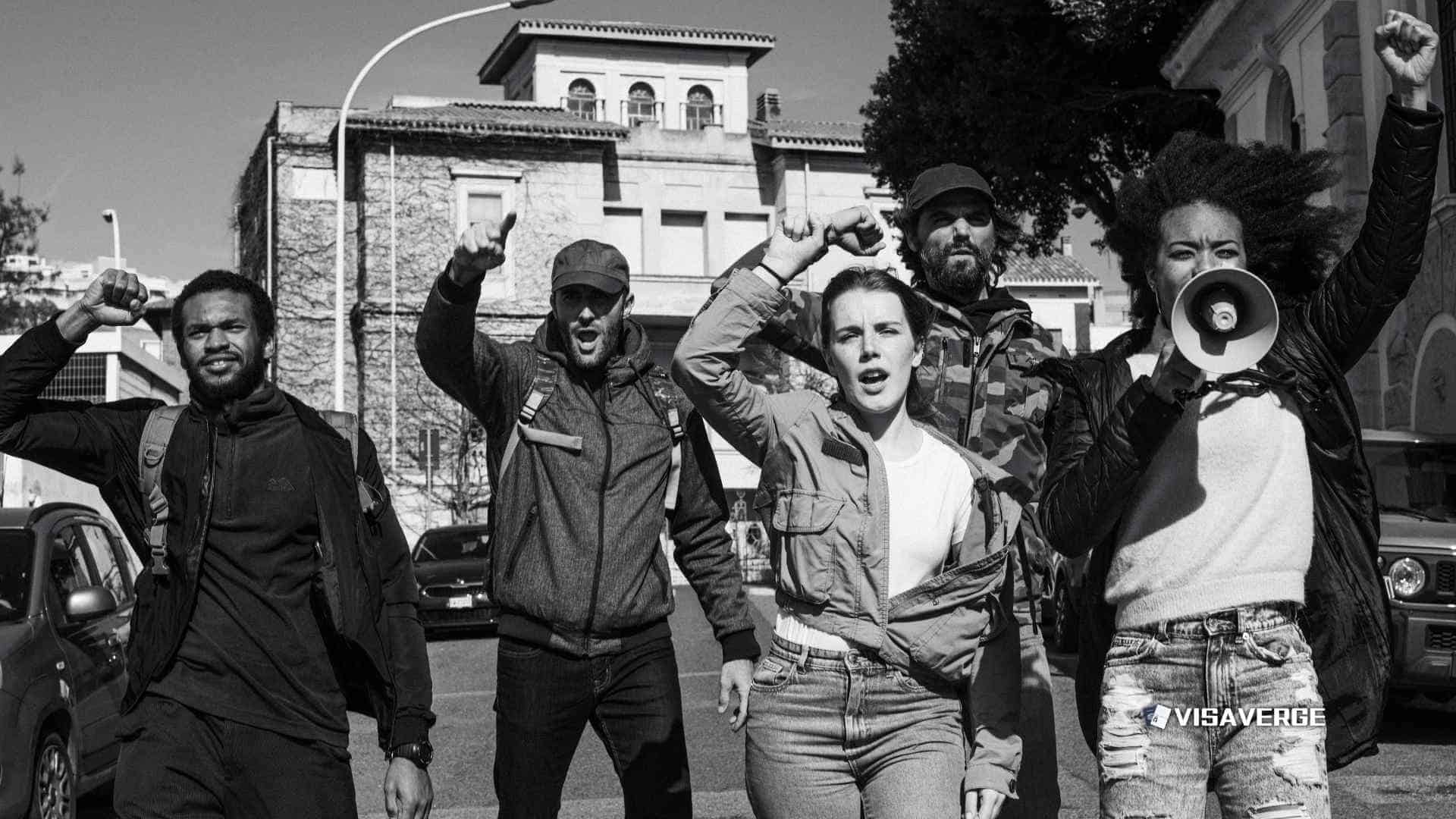
On June 27, 2025, the Supreme Court issued a major decision that will shape how immigration policies are enforced and challenged in the United States 🇺🇸. The ruling, which focused on the use of nationwide injunctions by lower courts, directly affects President Trump’s executive order aimed at ending birthright citizenship for children born in the United States 🇺🇸 to immigrant parents. This decision has sparked strong reactions from government officials, civil rights groups, legal experts, and immigrant families across the country.
Let’s break down what happened, why it matters, and what it means for people affected by these changes.
What Did the Supreme Court Decide?
The Supreme Court ruled 6-3 in favor of the Trump administration’s request to limit the use of nationwide injunctions. A nationwide injunction is a court order that stops a government policy from being enforced anywhere in the country, not just in the area where the lawsuit was filed or for the people who brought the case.
In this case, lower courts had used nationwide injunctions to block President Trump’s executive order from taking effect everywhere in the United States 🇺🇸. The executive order, issued on January 20, 2025, tried to end automatic birthright citizenship for children born in the United States 🇺🇸 to parents who are not citizens.
However, the Supreme Court did not decide whether the executive order itself is legal or whether it violates the 14th Amendment’s Citizenship Clause. Instead, the Court focused only on whether lower courts had the power to issue nationwide injunctions in this situation.
The majority opinion, written by Chief Justice Roberts, said that lower courts went too far by blocking the order everywhere. The Court said that injunctions should only apply to the people and places directly involved in the lawsuits. This means that the Trump order can now be enforced in most states, except in places like Colorado and 21 other states that have their own lawsuits and court orders blocking it.
Why Is This Ruling Important?
This decision changes how immigration policies—and other federal actions—can be challenged in court. Here’s why it matters:
- Limits on Nationwide Injunctions: Lower courts can no longer stop a federal policy from being enforced everywhere unless every state or person is part of the lawsuit. This makes it harder for one judge to block a policy for the whole country.
- Partial Enforcement Allowed: The Trump administration can now start enforcing its birthright citizenship order in states that do not have their own court orders stopping it. This could affect thousands of families.
- Unresolved Constitutional Question: The Supreme Court did not decide if ending birthright citizenship is legal. That question will be decided in future court cases.
As reported by VisaVerge.com, this ruling is seen as a turning point in how courts handle big national policies, especially those that affect immigration.
Who Are the Key Stakeholders?
Many groups and individuals are affected by this decision. Here’s a look at their positions and concerns:
Trump Administration
- Reaction: Called the ruling a “monumental victory” for the Constitution and for the powers of the president.
- Impact: President Trump said the decision would let his administration move forward with other policies that courts had blocked in the past.
American Civil Liberties Union (ACLU)
- Reaction: Strongly opposed the ruling, calling it “deeply wrong” and a threat to the 14th Amendment’s promise of birthright citizenship.
- Action: The ACLU and several states are still fighting the executive order in court, with a key hearing set for August 1, 2025.
States Opposing the Order
- Who: Twenty-two states, including Colorado, have filed lawsuits to block the order.
- Position: These states argue that the order violates the Constitution and harms immigrant families.
- Current Status: These states still have court orders in place that prevent the Trump order from being enforced within their borders.
Legal Experts and Analysts
- View: Many experts see the ruling as a big change in how courts can control federal policies. Some say it restores balance between the courts and the president, while others worry it makes it harder to protect people’s rights.
What Is Birthright Citizenship?
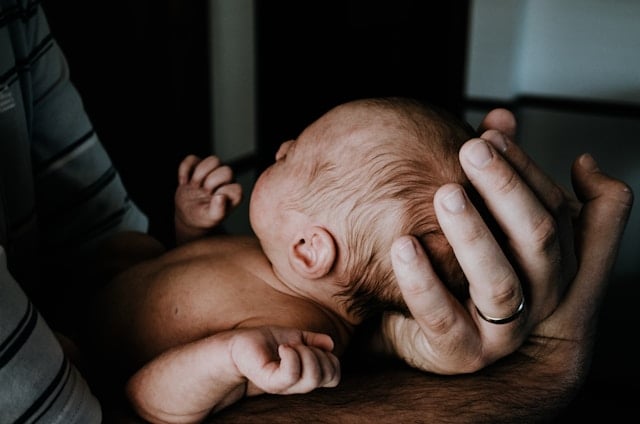
Birthright citizenship means that any child born in the United States 🇺🇸 automatically becomes a U.S. citizen, no matter what their parents’ immigration status is. This rule comes from the 14th Amendment to the Constitution, which was added in 1868. The amendment says that “all persons born or naturalized in the United States” are citizens.
For over 150 years, courts have interpreted this to mean that children born in the United States 🇺🇸 are citizens, even if their parents are not. President Trump’s executive order tries to change this by saying that children born to non-citizen immigrant parents should not get automatic citizenship.
How Did We Get Here? A Brief Background
- January 20, 2025: President Trump issues an executive order to end birthright citizenship for children of non-citizen immigrant parents.
- Immediate Response: Lower courts quickly block the order with nationwide injunctions, saying it goes against the Constitution.
- Supreme Court Review: The Trump administration asks the Supreme Court to limit the reach of these injunctions.
- June 27, 2025: The Supreme Court rules that lower courts cannot issue nationwide injunctions in this case.
What Happens Next? Step-by-Step Outlook
Here’s what to expect in the coming weeks and months:
- June 27, 2025: The Supreme Court issues its ruling.
- 30-Day Waiting Period: The Trump administration must wait 30 days before starting to enforce the birthright citizenship order in states not covered by ongoing lawsuits. This means enforcement could begin in late July 2025.
- August 1, 2025: A federal appeals court will hear arguments about whether the executive order is constitutional.
- Ongoing Lawsuits: States and civil rights groups will keep fighting the order in court.
- Possible Supreme Court Review: The Supreme Court may eventually decide the core question: Is ending birthright citizenship legal under the Constitution?
What Are the Practical Effects for Immigrant Families?
The Supreme Court’s decision creates a patchwork of rules across the country. Here’s what this means for families:
- In States Without Active Lawsuits: The Trump administration can enforce the order, so children born to non-citizen immigrant parents may not get automatic citizenship. This creates uncertainty for families and could affect access to benefits, education, and legal protections.
- In States With Active Lawsuits (like Colorado): The executive order is still blocked, so birthright citizenship remains in place for now.
- Legal Uncertainty: Families may not know if their children are citizens, especially if they move between states with different rules.
- Future Changes Possible: The situation could change again depending on future court decisions.
How Does This Affect Other Federal Policies?
The Supreme Court’s ruling goes beyond immigration. By limiting nationwide injunctions, the decision affects how all kinds of federal policies can be challenged in court. In the past, single judges have used nationwide injunctions to stop policies on health care, the environment, and more.
Now, it will be harder for one judge to block a policy everywhere. Instead, challenges will likely happen in multiple states, leading to different rules in different places until the Supreme Court or Congress steps in.
What Do Legal Experts Say?
Legal scholars and analysts have mixed views on the ruling:
- Supporters: Say the decision restores balance between the courts and the president. They argue that nationwide injunctions gave too much power to single judges and made it hard for the government to carry out its policies.
- Opponents: Worry that the ruling makes it harder to protect people’s rights. They say that without nationwide injunctions, harmful policies could go into effect in many places before courts have a chance to fully review them.
- Constitutional Question Remains: Most experts agree that the Supreme Court did not settle the main issue—whether the 14th Amendment protects birthright citizenship for all children born in the United States 🇺🇸. That question will likely come back to the Supreme Court in the future.
What Should Families and Immigrants Do Now?
If you or your family could be affected by these changes, here are some steps to consider:
- Check Your State’s Status: Find out if your state is part of the lawsuits blocking the executive order. This will affect whether the order is enforced where you live.
- Stay Informed: Watch for updates from trusted sources like the Supreme Court of the United States and the ACLU.
- Seek Legal Advice: If you have questions about your child’s citizenship status, talk to an immigration attorney or a local legal aid group.
- Prepare for Changes: Be aware that the rules could change again as new court decisions are made.
What Are the Broader Implications?
This ruling sets a new precedent for how courts handle big national policies. Here’s what could happen next:
- More Local Lawsuits: Instead of one nationwide injunction, there may be many lawsuits in different states, leading to a patchwork of rules.
- Uncertainty for Families: Until the Supreme Court decides the main constitutional question, families may face confusion about their rights.
- Impact on Future Policies: The decision could make it easier for presidents to enforce controversial policies, at least in some parts of the country, while legal battles continue elsewhere.
Looking Ahead: The Future of Birthright Citizenship
The fight over birthright citizenship is far from over. The next big moment will come on August 1, 2025, when a federal appeals court hears arguments about the constitutionality of President Trump’s executive order. No matter what that court decides, the losing side will likely appeal, and the Supreme Court may eventually have to decide if the 14th Amendment protects birthright citizenship for all children born in the United States 🇺🇸.
In the meantime, the Supreme Court’s ruling on nationwide injunctions will shape how immigration and other federal policies are enforced and challenged for years to come.
Where to Find Official Information
For the most up-to-date and official information on this issue, visit the Supreme Court of the United States website. You can also follow updates from the ACLU and your state’s attorney general office if your state is involved in the lawsuits.
Final Thoughts
The Supreme Court’s decision to limit nationwide injunctions marks a major shift in how federal policies, including those on immigration and birthright citizenship, are challenged and enforced. While the ruling does not settle the core constitutional question, it creates new challenges and uncertainties for immigrant families, state governments, and legal advocates. As analysis from VisaVerge.com suggests, the coming months will be critical as courts continue to hear arguments and families wait for answers about their rights and futures.
If you are affected by these changes, stay informed, seek legal advice, and watch for updates as the legal battle over birthright citizenship continues.
Learn Today
Nationwide Injunction → A court order blocking a policy’s enforcement across the entire country, not just in one jurisdiction.
Birthright Citizenship → Automatic U.S. citizenship given to children born in the country regardless of parents’ immigration status.
Executive Order → A directive issued by the president to manage operations of the federal government.
14th Amendment → Constitutional amendment granting citizenship to all born or naturalized in the U.S., protecting civil rights.
Constitutionality → The legal status of a law or order to comply with the U.S. Constitution’s requirements.
This Article in a Nutshell
The Supreme Court’s June 27, 2025 ruling limits nationwide injunctions, allowing partial enforcement of Trump’s birthright citizenship order. While the court did not decide on constitutionality, this decision reshapes challenges to immigration policies, affecting thousands of immigrant families with uneven legal protections nationwide.
— By VisaVerge.com