(LOUISIANA, UNITED STATES) A Louisiana judge’s emergency order to halt the deportation of a man with a substantial claim to U.S. citizenship was ignored when Immigration and Customs Enforcement flew him to Laos anyway, raising sharp questions about respect for federal court authority and the safety of people who may actually be U.S. citizens.
Court order, deportation, and immediate facts
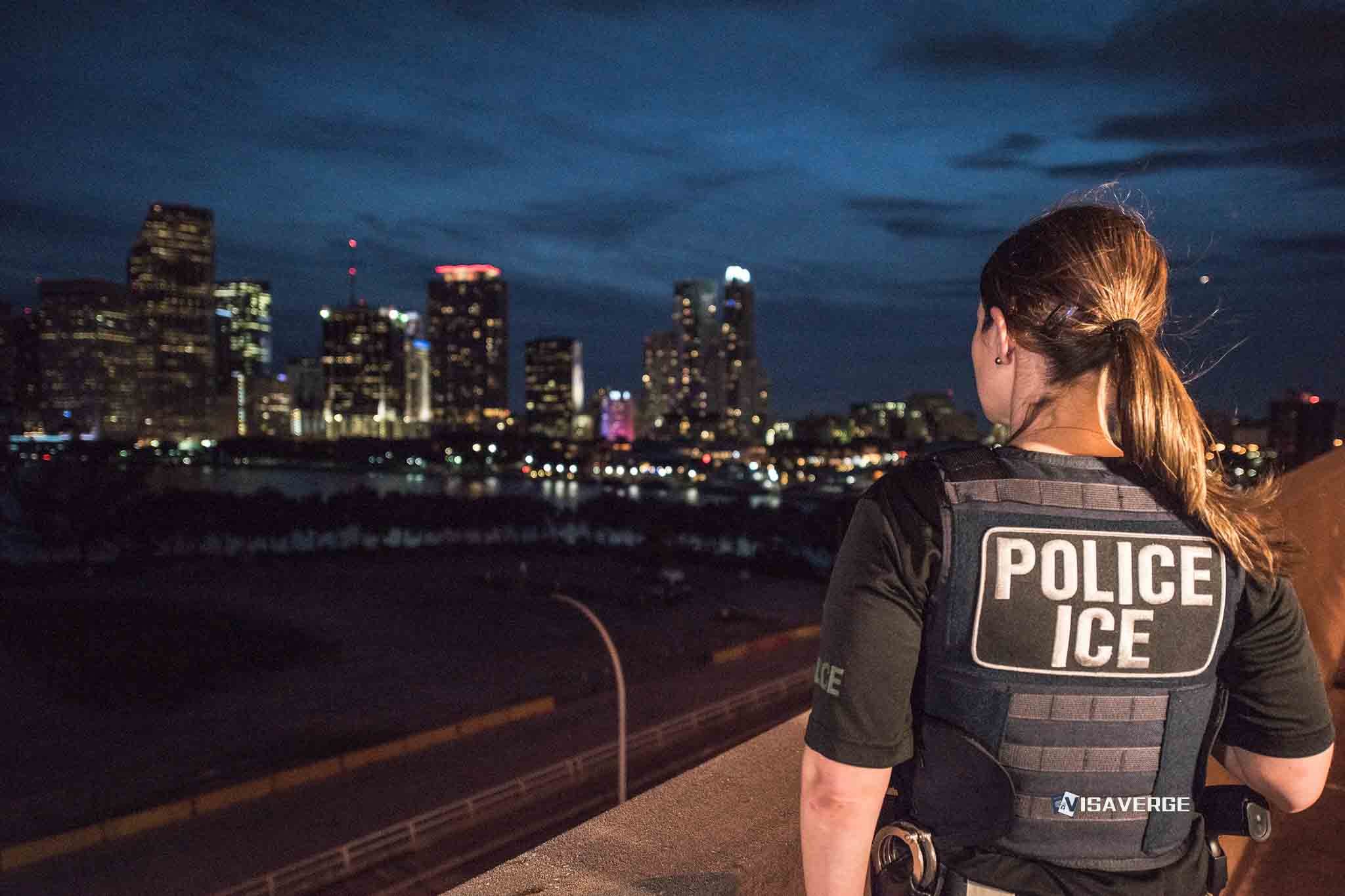
Chief Judge Shelly D. Dick of the U.S. District Court for the Middle District of Louisiana issued a temporary restraining order on October 23, 2025, blocking the removal of 41‑year‑old Chanthila Souvannarath, but ICE deported him to Laos on October 25, 2025.
Court records show Judge Dick’s order explicitly prohibited ICE from deporting Souvannarath while the court considered his habeas petition, in which he argued that he is a U.S. citizen and asked to be released from custody. The judge granted the emergency relief after finding he had a substantial claim to citizenship based on his father’s naturalization and sole legal custody.
Two days later, despite that written order, officers moved forward with his removal to Laos — a country where he has never lived.
Background on Souvannarath’s claim
- Souvannarath was born in a refugee camp in Thailand to parents from Laos and was brought to the United States before his first birthday.
- His father later became a naturalized U.S. citizen and, according to advocates, had sole custody of him during his childhood.
- Under federal law, when a parent becomes a U.S. citizen and has sole custody of a minor child, that child can automatically acquire citizenship. This is the core of the argument Judge Dick found substantial enough to justify halting deportation while the court reviewed the case.
Detention, pro se filing, and judge’s intervention
Before his removal, ICE held Souvannarath at the agency’s detention facility located inside the Louisiana State Penitentiary at Angola, where he had been detained since June 18, 2025.
Without a lawyer, he represented himself, filing a habeas corpus petition that challenged his detention and asked the court to recognize his U.S. citizenship. His pro se filing, made from inside one of the most notorious prisons in the country, convinced the Louisiana judge to intervene — but that judicial order ultimately did not stop ICE from placing him on a plane to Laos.
Timeline (key dates)
| Date | Event |
|---|---|
| June 18, 2025 | Souvannarath detained at Angola facility |
| October 23, 2025 | Judge Shelly D. Dick issued temporary restraining order |
| October 25, 2025 | ICE deported Souvannarath to Laos |
Reactions from civil rights groups and advocates
Civil rights groups reacted with outrage once news of the deportation emerged.
“A catastrophic failure of the immigration system and a flagrant violation of constitutional rights,” — Nora Ahmed, legal director of the ACLU of Louisiana.
Ahmed warned the case highlights the risk that other U.S. citizens may have been deported or could face removal in the future. Advocates say deporting someone after a federal court has stepped in undermines the basic rule that agencies must follow judicial orders, even in fast‑moving immigration enforcement.
Alanah Odoms, executive director of the ACLU of Louisiana, issued a strong condemnation:
“ICE just ignored a federal court order and tore yet another family apart,” she said, accusing the administration of “disregarding the courts and the Constitution in order to pursue mass deportations.”
Her comments underscore concerns that aggressive removal goals can push frontline officers to rush deportations of people with unresolved legal claims, including possible U.S. citizens, despite clear orders from a Louisiana judge or any other federal court.
Bridget Pranzatelli, staff attorney with the National Immigration Project, said the deportation to Laos “violated judicial authority” and demanded both Souvannarath’s immediate return and full accountability for ICE.
For removal-defense lawyers, the idea that the agency can deport someone after a federal judge has frozen the case is deeply alarming. It raises fears that other people with strong—or even winning—citizenship claims might be placed on flights out of the United States before courts can fully review their cases.
Government response and disputed chronology
The Department of Homeland Security (DHS), which oversees ICE, has pushed back against accusations of deliberate defiance.
- DHS says ICE did not receive Judge Dick’s restraining order until after Souvannarath was already deported.
- The department argues the timing, rather than willful disregard, explains what happened.
- DHS contends there was no intentional decision to remove someone to Laos in direct violation of a federal court order.
That explanation has not calmed critics, who remain skeptical of the official timeline and raise questions about ICE’s internal communications and procedures.
Broader implications and systemic concerns
Advocacy organizations question how a federal court order issued two days before removal failed to reach the officers responsible for the deportation. They say the official timeline points to deep problems in how ICE:
- Processes judicial orders,
- Communicates internally and externally, and
- Responds to claims of citizenship.
If a written order from a Louisiana judge cannot reliably stop a removal, advocates ask, what protection do immigrants—or potential citizens—really have when they turn to the courts?
The case combines several sensitive issues at once: a claim to U.S. citizenship, a deportation to Laos, alleged disregard of a federal injunction, and the broader debate over aggressive immigration enforcement.
Groups including the ACLU of Louisiana, RFK Human Rights, and the National Immigration Project say they are exploring every legal route to bring Souvannarath back to the United States and to force ICE to answer for what they call an illegal deportation. Those options may include asking the same Louisiana judge to order the government to facilitate his return.
Legal safeguards, regulations, and recommendations
Lawyers note the episode exposes gaps in safeguards meant to protect U.S. citizens from wrongful deportation:
- Federal regulations require ICE officers to carefully review any claim to citizenship and resolve doubts before removal.
- The Department of Homeland Security instructs officers to stop proceedings when credible citizenship evidence appears.
According to analysis by VisaVerge.com, prior reports of U.S. citizens being detained or even deported have prompted repeated calls for:
- Stronger screening,
- Clearer channels for raising citizenship claims, and
- Better tracking and communication when courts intervene.
Impact on families and next steps
In Louisiana, where multiple ICE detention centers hold people from across the country, Judge Dick’s ruling was seen as a test of system responsiveness when someone detained far from home asserts U.S. citizenship.
- Souvannarath’s supporters say his relatives in the United States are now separated from him by thousands of miles, with no clear path back.
- He reportedly has no close family network in Laos, raising fears about language barriers and unfamiliar legal systems.
While legal battles continue, immigrant-rights lawyers are urging anyone with a possible citizenship claim to:
- Gather relevant documents that support citizenship or parentage.
- Seek legal advice where possible, even if only a consultation.
- Insist that ICE officers note citizenship claims in official records.
They stress that Souvannarath’s case shows how quickly events can move once deportation is scheduled, and how vital it is that agency officers, lawyers, and courts communicate clearly when a Louisiana judge—or any federal judge—steps in to stop a removal.
A federal judge in Louisiana issued an emergency order on Oct. 23, 2025, halting the deportation of Chanthila Souvannarath while his habeas petition claiming U.S. citizenship is reviewed. ICE deported him to Laos on Oct. 25 despite the order. Advocates call it a constitutional violation and demand his return; DHS says the order reached ICE after deportation. The case raises concerns about ICE’s handling of judicial orders and citizenship claims.