(MINNESOTA) Somali Americans in Minnesota are watching the next moves of federal law enforcement with growing concern, even as they point to three decades of refugee resettlement, economic progress, and civic participation that turned the state into home. The community, now estimated at 30,000 to 100,000 people, has become the largest Somali population in the United States, centered mainly in the Twin Cities. Many worry that a new wave of scrutiny, sparked by a pandemic-era fraud scandal, risks overshadowing a long record of rebuilding lives after war and displacement.
Arrival and early settlement
Somalis first began arriving in Minnesota in 1992, fleeing the civil war that followed the ousting of President Siad Barre in 1991. That conflict pushed more than 1 million Somalis to leave their country and seek safety around the world.
At least 24,000 people eventually reached Minnesota with help from refugee resettlement agencies such as the International Institute of Minnesota and World Relief Minnesota, and from faith-based groups including Lutheran Social Services and Catholic Charities. According to U.S. Citizenship and Immigration Services, refugees enter the country under a special legal program designed for people who cannot safely return to their home country due to war, persecution, or violence.
Some Somali Americans arrived through those organized refugee channels, while others came later through family sponsorship.
A common story: Hared Mah
- Hared Mah fled Somalia with his family to Kenya in 1999.
- In Kenya, they faced harsh treatment from police and struggled with schooling and steady work.
- Mah’s father secured a visa to the United States and, under family sponsorship rules, brought his wife, son, and daughter to Minnesota in 2001.
For many families like his, Minnesota was not a random choice; word spread that the state offered both work and organized support through church groups and local charities.
Work, migration within the state, and community growth
In the early years, many new arrivals settled first in Marshall, Minnesota, where turkey-processing plants offered entry-level jobs that did not require English. The work was tough and often low-paid, but it provided a first foothold in the American labor market.
Over time, most Somalis moved toward the Twin Cities metropolitan area, drawn by:
- more diverse jobs
- better access to schools
- social services that could support large families and people healing from war trauma
As the community grew, so did its economic footprint.
Economic progress and social mobility
- In 2011, Somalis in Minnesota faced a 31% poverty rate, a stark figure more than three decades after the first arrivals.
- More recent data show Somali Americans in the state have now reached rough parity with Minnesota’s overall poverty rate of about 9%.
Community leaders describe this drop as the result of years of hard work in:
- small businesses
- trucking
- health care
- public service
- retail
Analysis by VisaVerge.com suggests the shift from newly arrived refugees to established residents often spans two generations, with the children of the first arrivals far more likely to finish college and secure professional careers.
Citizenship, civic life, and visible leadership
Nearly all Somalis in Minnesota are now American citizens, reflecting both time spent in the country and the community’s focus on security and belonging. Many who first came as refugees later adjusted status to permanent residence and then naturalized, eventually gaining the right to vote, run for office, and sponsor relatives under U.S. immigration law.
Families who arrived with nothing more than a bag of clothes now see their children and grandchildren grow up as citizens who feel at home in Minnesota while keeping strong ties to Somali language and culture.
One visible example:
- Jamal Osman moved from Somalia to Minnesota at age 14, became a naturalized U.S. citizen, and served as a member of the Minneapolis City Council.
Somali-run businesses line parts of Minneapolis and St. Paul. Mosques and community centers host youth programs, and Somali women have become visible in health care, education, and local politics.
National climate, suspicion, and discrimination
This local success has unfolded in a national climate that has not always been welcoming. As African Muslims arriving in the post-9/11 era, Somali Americans in Minnesota have faced suspicion and stereotyping tied to global fears about terrorism.
- Somalia has been discussed in foreign policy debates as a site of piracy and militant groups.
- Those headlines often shape how neighbors and employers see Somali Americans.
Community organizers say they have had to answer questions about extremism that other immigrant groups rarely face, while also fighting discrimination in housing and work.
Pandemic-era fraud scandal and its effects
For many Somali Americans, the pressure sharpened again in the wake of a large federal fraud investigation tied to the COVID-19 pandemic.
- Federal authorities say roughly $1 billion was siphoned from several government programs during the pandemic.
- 87 people have been charged, with 61 already convicted.
- Most of those charged are of Somali descent — a fact that has dominated news coverage and raised fears of collective blame.
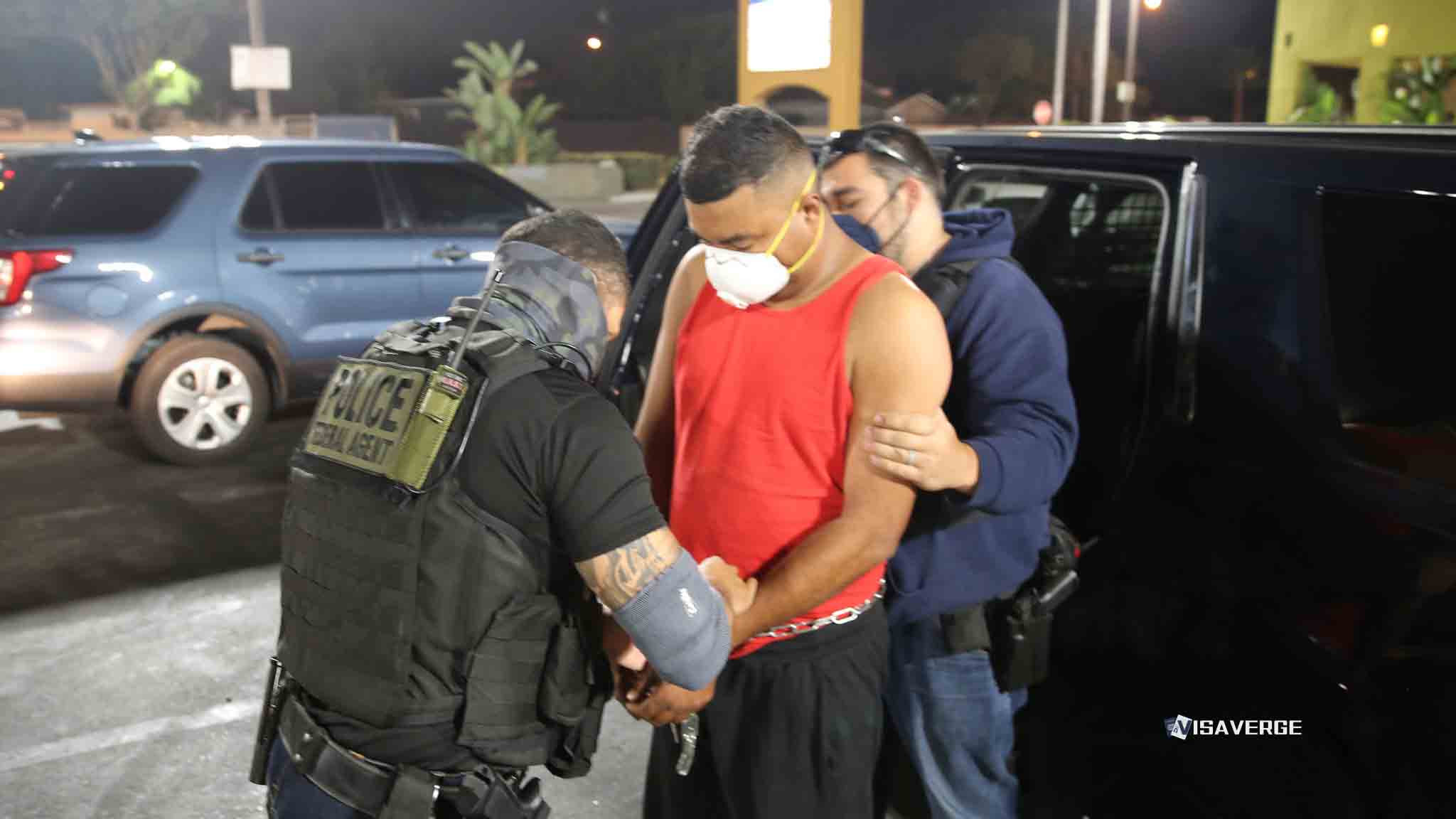
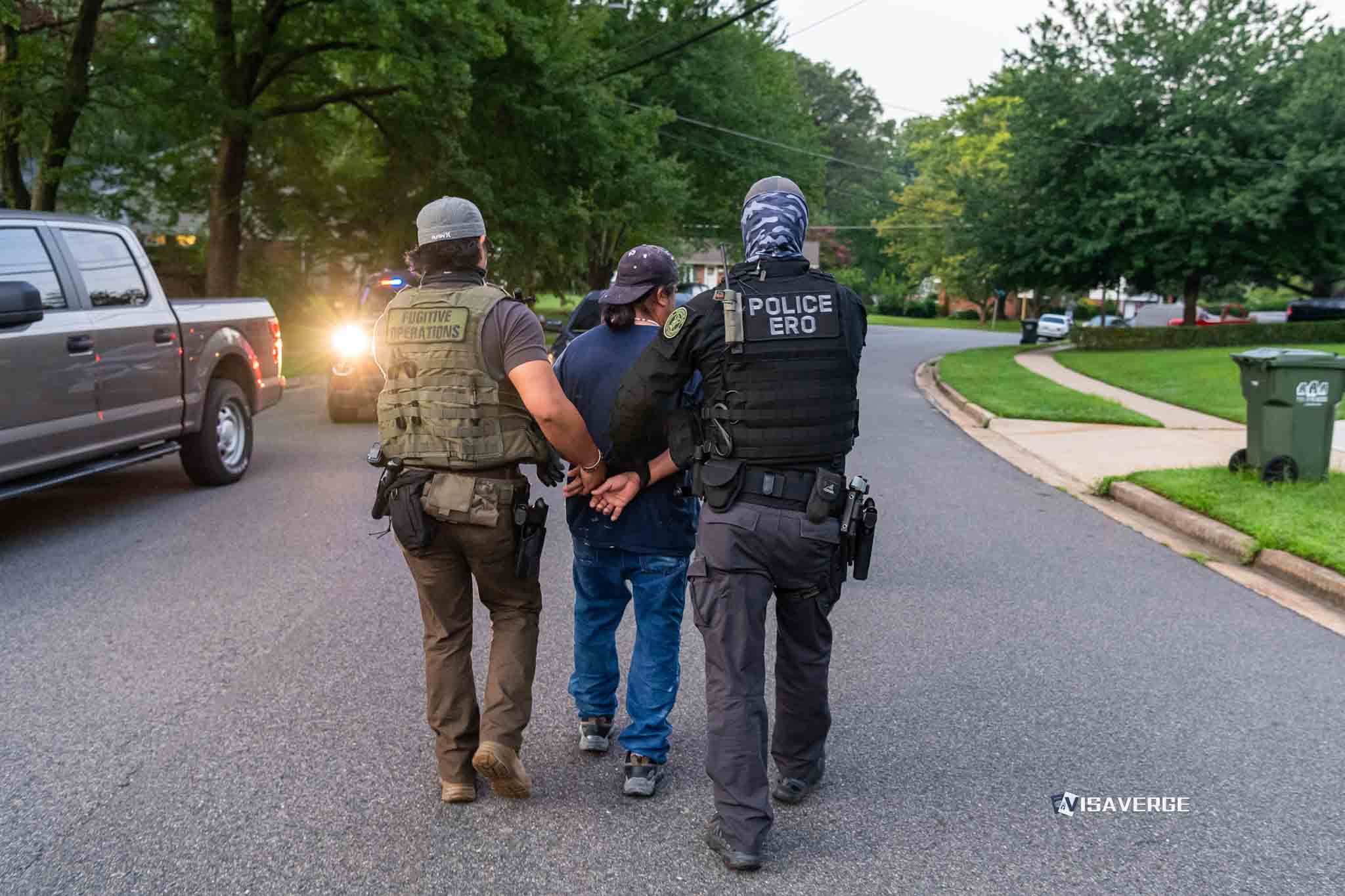
As of December 2025, the community is bracing for what many expect to be tougher immigration enforcement and wider stigmatization.
Community impact and fears
Organizers and residents report tangible effects:
- Children asking at home whether their families will be deported.
- Small-business owners worried customers look at them with suspicion.
- Heightened anxiety for people with pending immigration paperwork, relatives in refugee camps, or those relying on public programs while finishing school or job training.
Community members stress that the alleged fraud involves a small group compared with tens of thousands of law-abiding residents.
“Federal prosecutors should focus on individual wrongdoing rather than paint all Somali Americans with the same brush.”
— speakers at community rallies and public forums
Local responses and protections
Somali American organizations have staged rallies and public forums to condemn the fraud while challenging what they see as unfair targeting of the wider community. Some Somali elders note the mood resembles earlier waves of suspicion, but point out that the community is now more rooted, visible, and politically active.
Local officials have also moved to calm fears. In Minneapolis:
- Mayor Jacob Frey signed an executive order that bans Immigration and Customs Enforcement (ICE) agents from using city-owned property for operations.
- The order is meant to signal that city government does not want local spaces used for raids or surveillance that could frighten immigrant families.
While the order does not stop federal agents from acting elsewhere, it offers reassurance in areas where many Somali families live, work, and worship.
Legal and practical concerns
Immigration lawyers in Minnesota warn the scandal could have indirect effects:
- Applications for green cards, citizenship, or family reunification could face closer review for Somali applicants.
- Clients ask whether it is safe to travel abroad or whether routine interactions with law enforcement could draw ICE’s attention.
The legal rules around refugee resettlement and naturalization have not changed, but the emotional climate has shifted.
Youth, identity, and civic aspirations
Younger Somali Americans — many born or raised in Minnesota — find this moment confusing. They are U.S. citizens, speak fluent English, and support local sports teams, yet still feel they must prove they belong.
- Students on college campuses are tired of being treated as spokespeople for an entire nation or religion.
- Many also feel a duty to defend their parents’ generation, who risked everything to escape war and rebuild in an unfamiliar state.
Resilience, hope, and next steps
Despite current tensions, Somali Americans in Minnesota continue to stress a story of resilience and hope. Parents speak with pride about children who are teachers, nurses, or entrepreneurs.
Imams and community leaders describe a long-term shift from survival to stability, pointing to falling poverty rates and rising homeownership as evidence that the community is moving from refugee status toward full participation in American life.
The same refugee resettlement system that once gave families a one-way plane ticket and a small apartment has, over three decades, allowed them to put down roots that feel permanent.
Plans going forward
Many Somali Minnesotans say they are preparing for a future that could bring both tighter enforcement and new chances for political voice. They plan to:
- Press for fair treatment in courts and government agencies.
- Encourage more young people to run for office.
- Join local boards and shape the policies that affect them.
As they see it, the history of Somali Americans in Minnesota is not only about flight from civil war, but also about the long, demanding work of making a place truly home.
Since 1992 Somali refugees resettled in Minnesota, growing into a large Twin Cities community now estimated at 30,000–100,000. Economic mobility moved many into small business and professional roles, reducing poverty from about 31% toward the state’s 9% rate. Pandemic-era fraud cases—alleging roughly $1 billion siphoned and leading to dozens of prosecutions—have intensified scrutiny and anxiety. Community groups, local officials and lawyers are organizing legal defenses, protections like Minneapolis’ executive order limiting ICE use of city property, and efforts to boost civic participation.