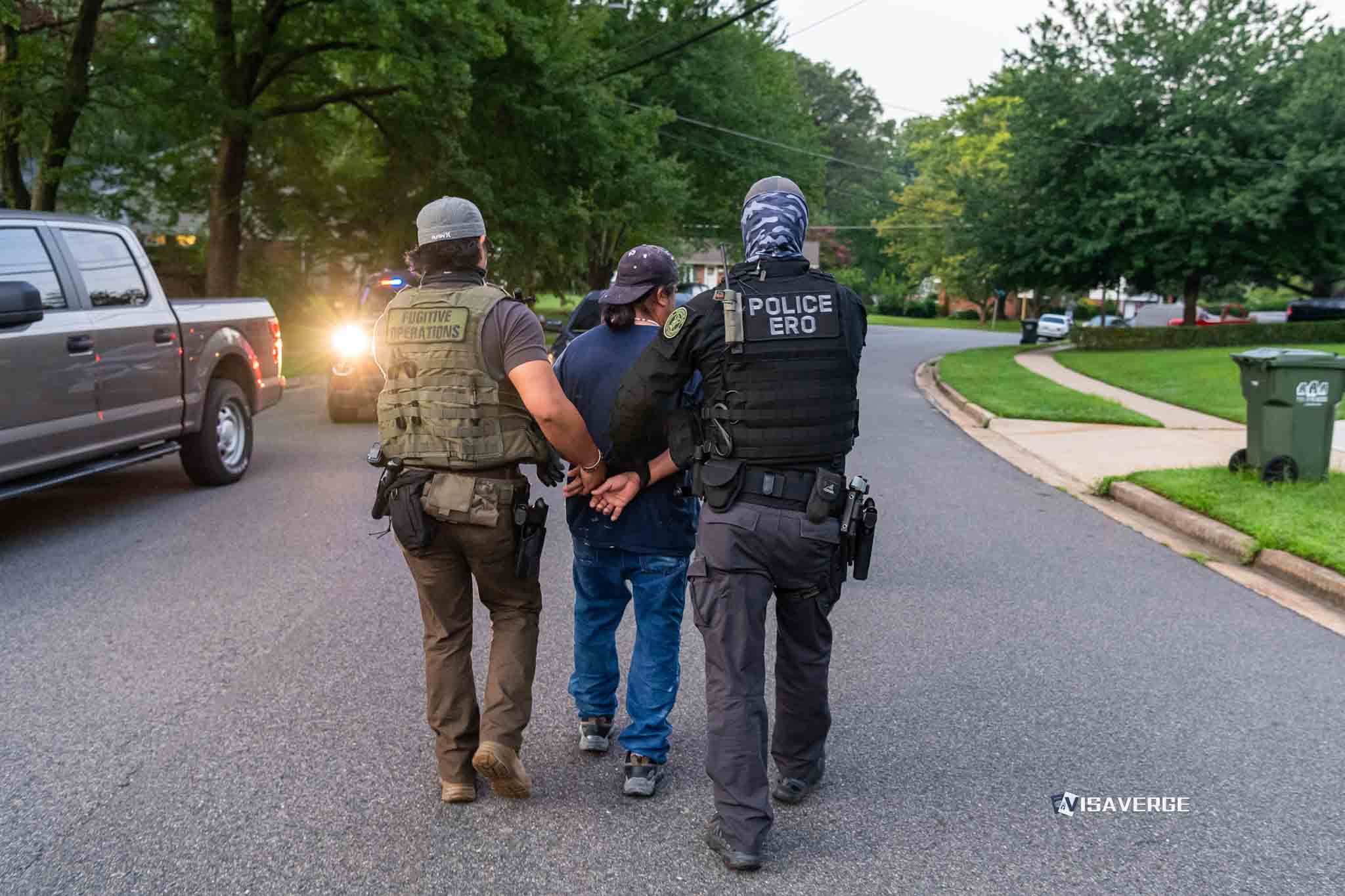
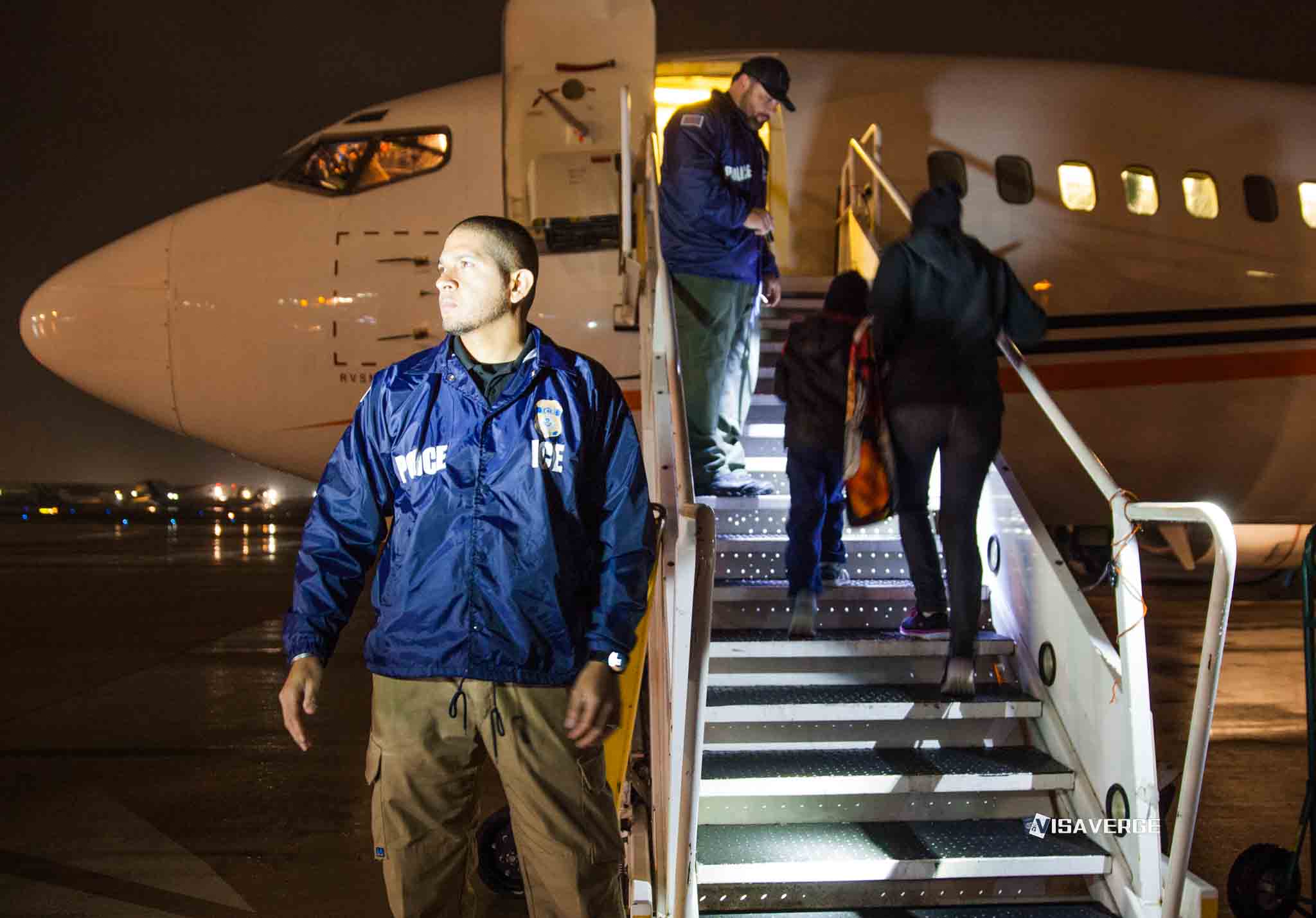
- Operations Metro Surge and PARRIS have led to thousands of federal arrests across Minnesota.
- Noncitizens must update address information within ten days to avoid serious legal consequences.
- A political dispute exists between federal and local officials regarding immigration enforcement tactics.
(MINNEAPOLIS, MINNESOTA) — Noncitizens in Minnesota who are contacted by DHS or USCIS during Operation Metro Surge or Operation PARRIS may face immediate compliance obligations under federal immigration law, including identity verification, appearance at interviews, and updating address information on time.
Vice President JD Vance visited Minneapolis on January 22–23, 2026, as federal officials defended ICE and DHS tactics and blamed local leaders and protesters for disorder in the Twin Cities. The visit tied a federal enforcement surge—Operation Metro Surge—and a USCIS-led fraud initiative—Operation PARRIS—to a broader political dispute between Washington and Minnesota officials.
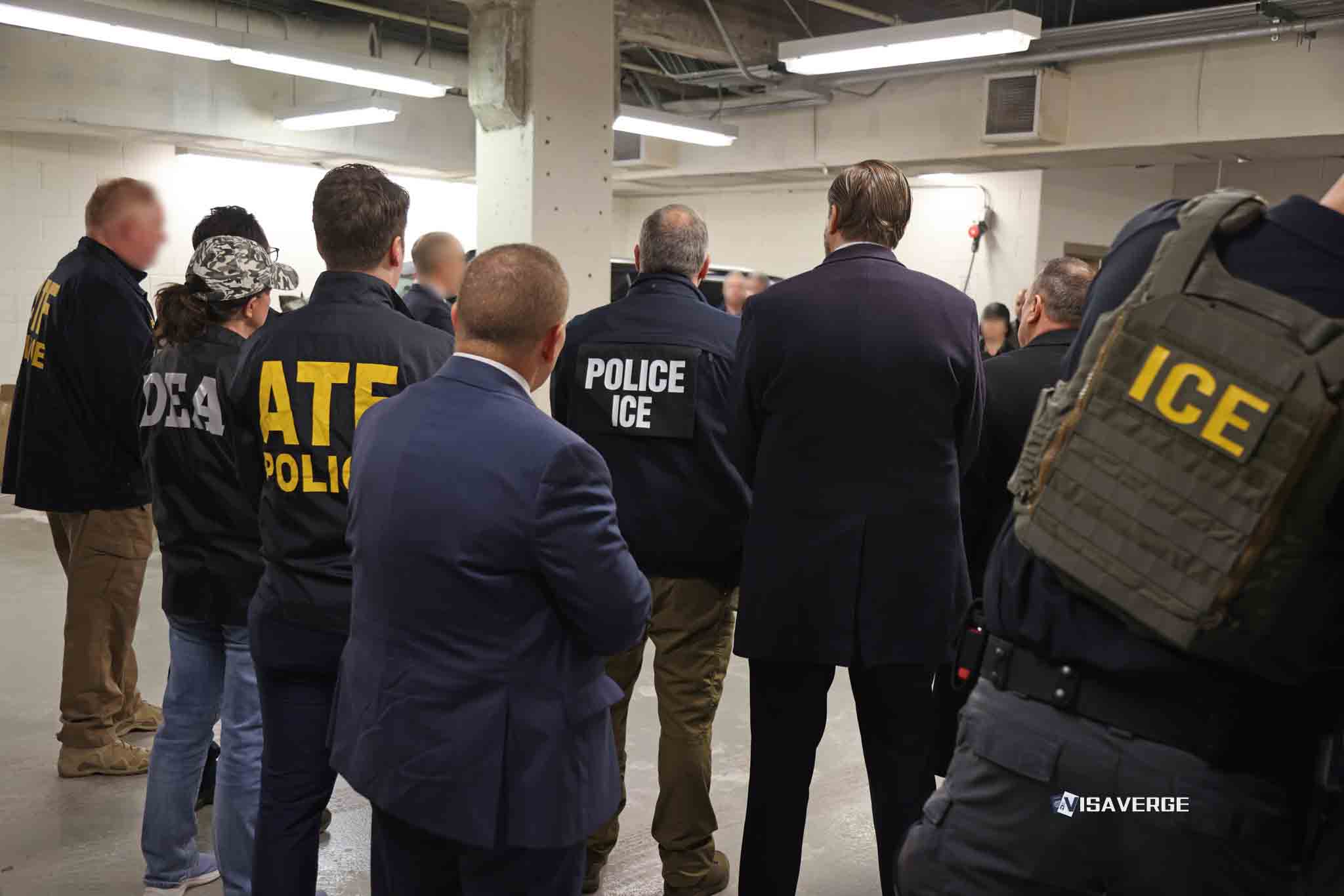
For affected individuals, the practical issue is not the rhetoric. It is compliance with federal process, deadlines, and documentation requirements.
Overview: Minneapolis visit amid Operation Metro Surge and Operation PARRIS
Operation Metro Surge has been described by DHS as a high-volume enforcement push in Minnesota. Operation PARRIS (Post-Admission Refugee Reverification and Integrity Strengthening) was launched January 9, 2026, to “reverify” certain refugee cases in Minnesota before adjustment of status.
Speaking in Minneapolis, Vance argued that “failure of cooperation from state and local authorities” contributed to the “chaos,” and he emphasized support for ICE agents operating “in a very, very tough environment.” The compliance takeaway is that increased field activity often leads to more interviews, more arrests on prior removal orders, and faster timelines to respond to notices.
Official statements and attributed quotes
Federal officials framed the operations as targeting fraud and violent crime. Vance said the administration could “do a good job enforcing immigration laws without the chaos,” but only “requires cooperation of state and local officials.”
DHS Secretary Kristi Noem said on January 19, 2026, “We have arrested over 10,000 criminal illegal aliens,” and blamed Minnesota leaders for refusing to “protect their own people.”
DHS spokesperson Tricia McLaughlin, addressing a reported incident involving a young child during an arrest, said on January 22, 2026: “The media’s lies have consequences,” and asserted that officers “stayed with a child who was abandoned by his father—an illegal alien from Ecuador.”
USCIS, announcing Operation PARRIS on January 9, 2026, said: “Minnesota is ground zero for the war on fraud,” and described “intensive verification of refugee claims,” with referrals to ICE where concerns arise.
These statements matter because they signal enforcement priorities. They also foreshadow what requests and notices may look like, including fraud interviews, document demands, and referrals for arrest or removal proceedings.
Key facts, statistics, and policy details
Officials have said roughly 3,000 DHS personnel were deployed to Minnesota. DHS has also claimed about 3,000 arrests in the last six weeks under Operation Metro Surge. Federal leaders have cited about 10,000 arrests since the start of the term. Local officials have questioned those totals and timing.
Operation PARRIS reportedly targets about 5,600 refugees in Minnesota who have not obtained lawful permanent residence. USCIS has described it as a verification initiative. Public reporting indicates that some matters are being referred to ICE.
Another disputed element involves administrative warrants. In immigration practice, ICE commonly uses administrative warrants (Forms I-200 and I-205). These are different from judicial warrants signed by a judge. Whether agents may enter a home can depend on consent, exigent circumstances, and circuit law.
What “compliance” requires in practical terms
1) Keep your address current with USCIS and EOIR
Federal law requires most noncitizens to report address changes. The general rule is within 10 days. See INA § 265; 8 C.F.R. § 265.1. In immigration court, address updates must be filed following EOIR rules, or hearing notices may still be treated as properly served.
Failing to update an address can trigger serious consequences. An immigration judge may order removal in absentia if a person misses a hearing after proper notice. See INA § 240(b)(5).
DEADLINE: Address changes are generally due within 10 days.
Authority: INA § 265; 8 C.F.R. § 265.1.
2) Attend scheduled biometrics and interviews
USCIS may schedule biometrics or interviews during refugee reverification or related benefits processing. Missing an appointment can lead to denial for abandonment in many benefit categories. See 8 C.F.R. § 103.2(b)(13). Denial can also expose someone to removal if they lose a lawful basis to remain.
Bring counsel if possible. Ask for an interpreter if needed. Do not guess. If you need to correct a prior statement, do so carefully and consistently.
3) Understand registration and document expectations
Many noncitizens must carry evidence of registration. See INA § 264(e). In practice, acceptable proof may include a green card, an I-94, an EAD, or other DHS-issued documentation. What to carry depends on status and risk tolerance.
An attorney can advise based on the person’s history.
4) If DHS contacts you, separate “benefits” from “enforcement”
USCIS handles benefits. ICE handles enforcement. During Operation PARRIS, USCIS has indicated referrals to ICE may occur. If contacted, confirm the agency and purpose. Record names and badge numbers when possible. Keep copies of all paperwork served.
WARNING: Do not sign forms you do not understand.
Some signatures may waive rights or concede facts used in removal proceedings.
Deadlines and filing requirements that commonly arise
Address change: Typically within 10 days under INA § 265 and 8 C.F.R. § 265.1. USCIS address changes are often made through the USCIS online change-of-address system. EOIR changes are separate.
Motions to reopen in absentia: If an in absentia order is entered, strict deadlines may apply. The standard deadline is typically 180 days for “exceptional circumstances,” or at any time if notice was not received. See INA § 240(b)(5)(C).
FOIA and record requests: These do not stop deadlines. A pending FOIA request is not a defense to missing a hearing or interview.
DEADLINE: If you receive an NTA or hearing notice, treat the hearing date as fixed.
Missing court can trigger an in absentia removal order. See INA § 240(b)(5).
Consequences of non-compliance
Non-compliance can lead to three main outcomes.
- First, USCIS may deny a pending application, including adjustment of status, for failure to appear or failure to provide requested evidence. See 8 C.F.R. § 103.2(b)(13).
- Second, ICE may detain and initiate removal proceedings, including expedited steps for people with prior orders or certain criminal histories. The applicable pathway depends on the record and the jurisdiction.
- Third, failures to update addresses or appear in court can lead to removal orders entered without the person present. Those orders can carry long-term bars and make future immigration benefits harder.
Exceptions, waivers, and limits to government authority
There is no general “waiver” of address reporting for most noncitizens, though narrow exceptions exist for certain categories. Whether an exception applies is technical and should be reviewed.
There are also constitutional and statutory limits on searches and arrests. For home entry, a judicial warrant is materially different from an administrative warrant. Consent is a major issue. The legality of specific tactics can vary by circuit and fact pattern.
Minnesota officials have filed a federal lawsuit, reported as raising Tenth Amendment and racial profiling claims. A separate federal order was reported on January 16, 2026, limiting tear gas use and detentions of peaceful protesters. Litigation may change practices, but it does not pause individual deadlines.
WARNING: Do not physically resist officers.
Challenges to legality are typically made later through court motions and complaints.
Compliance steps individuals and employers can take now
For individuals, keep a “status file” with passports, I-94 records, receipt notices, prior orders, and certified dispositions for any criminal cases. If you have a prior removal order, get counsel before contacting DHS.
For refugees potentially affected by Operation PARRIS, gather supporting records for the original claim, resettlement documents, and any updates that explain changed facts. Inconsistencies are often framed as fraud. Some are innocent errors. How you present corrections matters.
For employers, do not overreact with selective re-verification. Employers must follow I-9 rules consistently and avoid discriminatory practices. See 8 U.S.C. § 1324b (unfair immigration-related employment practices). If ICE serves a Notice of Inspection, there are strict timelines and document production rules.
Official government references
USCIS and DHS have directed the public to their official announcements and press materials:
- USCIS Newsroom
- Operation PARRIS announcement (Jan 9, 2026): DHS launches landmark USCIS fraud investigation in Minnesota
⚖️ Legal Disclaimer: This article provides general information about immigration law and is not legal advice. Consult a qualified immigration attorney for advice about your specific situation.
Resources: