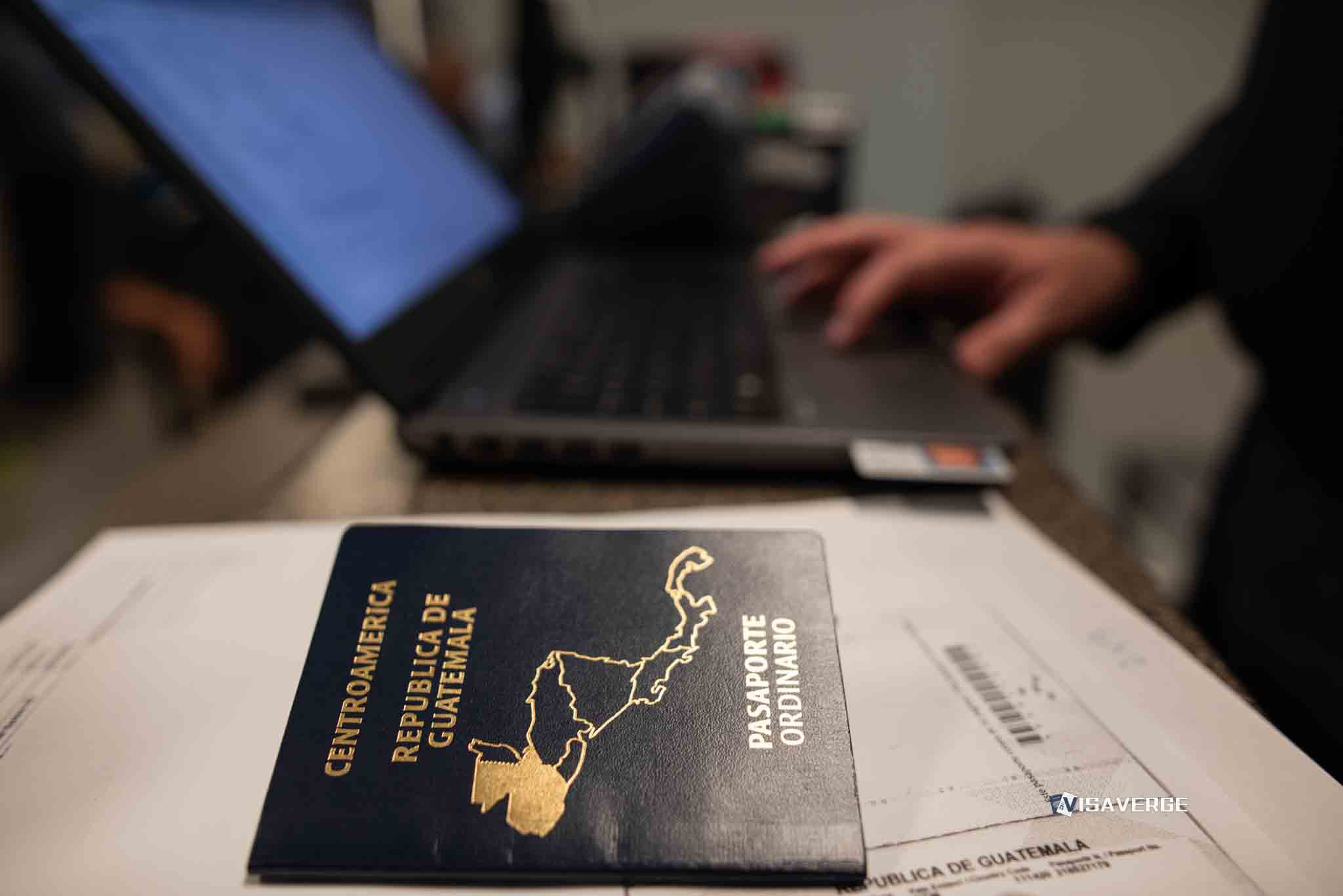
- Operation Catch of the Day targets individuals in Maine for federal immigration enforcement and potential removal.
- Governor Janet Mills has criticized the operation’s tactics and demanded transparency regarding legal warrants and authority.
- Defense strategies prioritize securing bond release while building cases for relief in the immigration court system.
(PORTLAND, MAINE) — For many people swept up in “Operation Catch of the Day,” the immediate, practical defense is a two-track strategy: (1) fight for release from ICE custody through bond or custody review, and (2) build the strongest available defense to removal (or request for relief) in immigration court. The legal standards are technical, timelines move fast, and small facts—like the kind of “warrant” shown at the door—can change the path of a case.
What follows is a defense-focused guide to what is confirmed so far about the operation, what remains disputed, and how common immigration court defenses typically work in cases arising from large enforcement actions in Maine, including Portland.
1) Summary timeline of Operation Catch of the Day in Maine
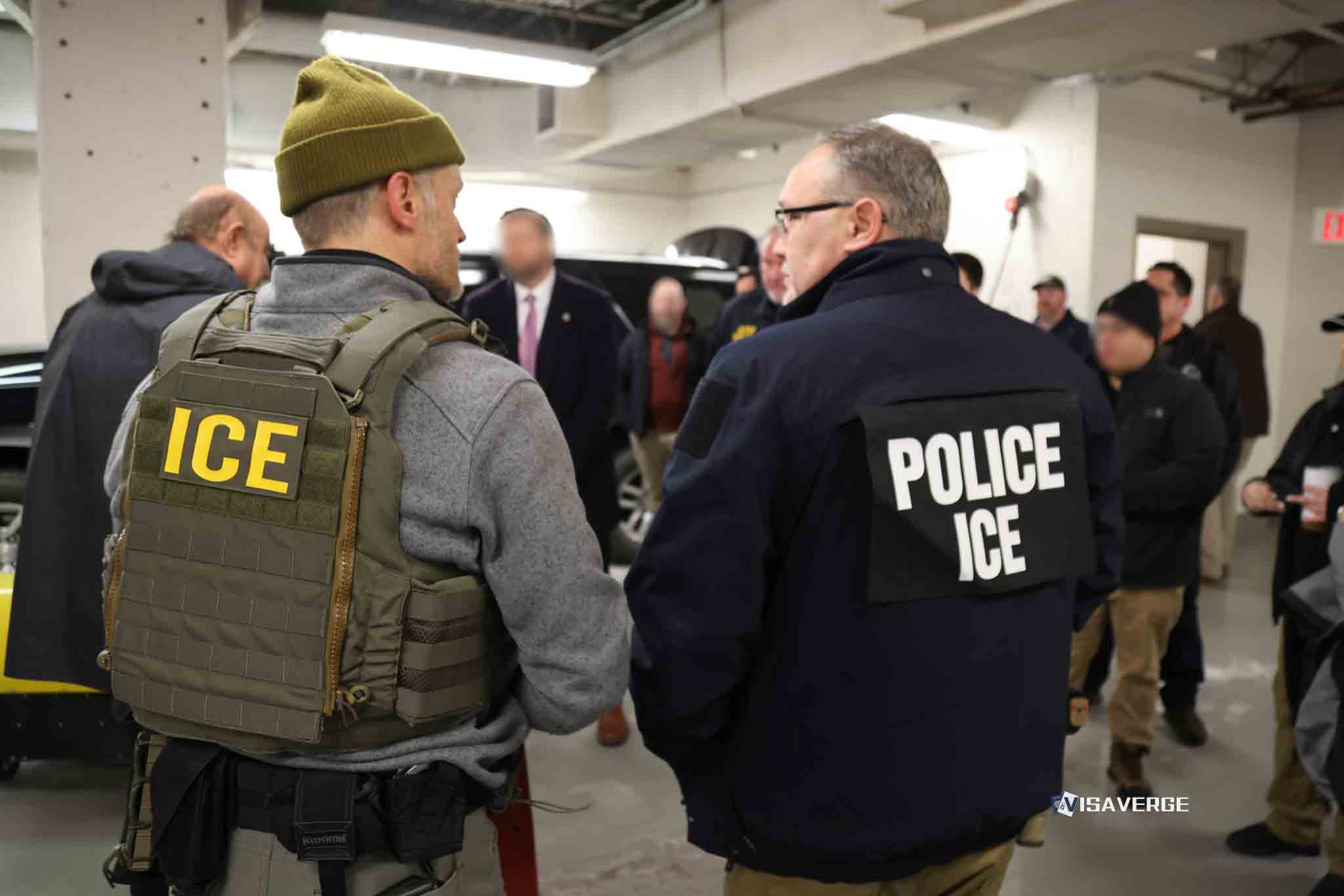
Federal officials have publicly confirmed that Operation Catch of the Day is an immigration enforcement operation occurring in Maine, with significant public attention in Portland and reports of activity in other communities.
- Jan. 20, 2026 (reported): ICE Deputy Assistant Director Patricia Hyde discussed the operation in an interview, including the existence of an identified target population and first-day enforcement activity.
- Jan. 21, 2026 (confirmed): DHS and ICE confirmed the launch of Operation Catch of the Day in Maine. DHS messaging described a public-safety goal and emphasized people described as serious criminal offenders.
- Jan. 22, 2026 (confirmed): Governor Janet Mills held a Portland news conference criticizing the operation’s tactics and demanding transparency about arrests and legal authority.
- Jan. 23, 2026 (reported): Protest activity continued in Portland and elsewhere, alongside community responses such as “watcher” networks and public statements from local officials.
Immigration enforcement actions can involve multiple legal authorities at once. Some actions are administrative (civil immigration arrests and detention). Others may involve criminal processes (federal charges) handled in U.S. district court.
The procedures, rights, and timelines differ sharply.
| India | China | ROW | |
|---|---|---|---|
| EB-1 | Apr 01, 2023 ▲31d | Apr 01, 2023 ▲31d | Current |
| EB-2 | Jul 15, 2014 ▲303d | Sep 01, 2021 | Current |
| EB-3 | Nov 15, 2013 | Jun 15, 2021 ▲45d | Jun 01, 2024 ▲244d |
| F-1 | May 01, 2017 ▲174d | May 01, 2017 ▲174d | May 01, 2017 ▲174d |
| F-2A | Feb 01, 2024 | Feb 01, 2024 | Feb 01, 2024 |
2) Official statements from DHS/ICE—and how to read them in a defense case
DHS and ICE have framed Operation Catch of the Day as a public-safety initiative. In a Jan. 21 statement, DHS Assistant Secretary Tricia McLaughlin described the operation as targeting “the worst of the worst criminal illegal aliens.”
In defense terms, that kind of public framing matters, but it is not case evidence by itself. Public statements rarely include the underlying documents that drive removability or detention, such as:
- charging documents,
- judgment and conviction records,
- prior immigration orders,
- biometric matches, or
- allegations contained in a Notice to Appear (NTA).
It also helps to translate common enforcement terms:
- “Targets” usually means people identified on an enforcement list. Being a “target” does not prove removability.
- “Arrests” can be administrative (civil immigration arrest) or criminal (federal criminal charge). The legal rights and hearing process differ.
- “Detainers” are requests to another law enforcement agency to hold a person. Detainer practice has been a major source of litigation nationwide, and local compliance varies by jurisdiction and policy.
Because DHS/ICE messaging often summarizes allegations, defense counsel typically focuses on primary records and insists on individualized proof and due process in each case.
3) Governor Janet Mills’ response—and why “warrant” type is a core defense issue
Governor Janet Mills, speaking in Portland on Jan. 22, criticized tactics, transparency, and the visibility of legal authority, saying, “If they have warrants, show the warrants.” She also criticized mask use and described the operation as fostering fear and division.
From a defense strategy standpoint, the operational friction often turns on what kind of “warrant” is involved:
- Judicial warrant: Issued by a judge or magistrate, typically based on probable cause. If agents seek to enter a home, a judicial warrant is often central.
- Administrative immigration warrant: Commonly an ICE form (such as Form I-200 or I-205) signed by an immigration officer, not a judge. These may authorize an immigration arrest, but they do not always carry the same home-entry authority as a judicial warrant.
State and local “cooperation limits” can also affect the flow of information and logistics. That can include policies about use of state resources, information sharing, courthouse practices, and vehicle identification policies.
Those choices are not “immunity” from federal law, but they can change how encounters occur and how easily arrests are carried out.
Warning: If an encounter involved entry into a home, a defense lawyer will often scrutinize what was shown, what was said, who consented, and whether any consent was truly voluntary. Those facts can affect suppression or termination arguments in limited situations.
4) Key facts and statistics—what’s known vs. disputed, and why records matter
Public reporting describes the operation as substantial in scale relative to Maine’s foreign-born share and overall population. The reported figures and proportions will shape community impact, court dockets, and detention capacity. (Exact numbers are best read carefully in primary reporting and official releases.)
A key disputed issue is criminal history. DHS/ICE statements cite violent offenses and child endangerment. State and local officials have asserted that some detainees have no record or no conviction for the offense cited.
In practice, criminal-history claims are typically verified through:
- certified conviction records and sentencing documents,
- charging instruments and docket entries,
- fingerprint-based rap sheets,
- immigration file records (A-file) and prior proceedings.
A related accountability dispute involves Maine’s reported decision to deny a request for confidential “undercover” plates for unmarked ICE vehicles. That issue matters because vehicle identification can affect public trust, safety complaints, and later factual disputes about who participated in an encounter.
Plain-language definitions that often matter in court:
- Target list: A prioritized list for enforcement attention, not a legal finding.
- Administrative arrest: Civil immigration arrest authority, typically leading to removal proceedings.
- Criminal arrest: Arrest for a federal or state crime, typically leading to criminal court.
- Detained: Held in custody. Custody can be contestable depending on the statute.
- Removal proceedings: Civil court process at EOIR, starting with an NTA, where DHS must prove removability and the person may apply for relief.
5) Context and significance—why the branding and the federalism tensions matter
Operations with distinctive names can intensify public reaction. Critics argue the “Operation Catch of the Day” branding is provocative, particularly in a state associated with the seafood industry. Supporters argue that strong messaging reinforces deterrence and public safety.
Legally, the larger significance is the recurring tension between local policy preferences and federal enforcement priorities. Immigration is primarily federal. Yet day-to-day enforcement can intersect with state systems such as jails, courts, schools, and motor vehicle administration.
That creates predictable conflict over transparency, resource limits, and public-facing practices.
Comparable efforts elsewhere—reported as “Operation Metro Surge” in Minnesota and “Operation Midway Blitz” in Chicago—underscore that outcomes can vary widely by local practice, detention capacity, and court backlogs. Readers should watch for litigation over disclosure, updated guidance to local agencies, and demands for case-level data.
6) Impact on individuals and communities—rights-aware, practical context
Large-scale operations can produce immediate behavioral changes: people skip work, avoid travel, and delay medical care. For healthcare, that can mean missed appointments, medication gaps, and reluctance to seek urgent treatment. Many providers have their own privacy and law-enforcement policies; the details can matter.
Home encounters. Constitutional protections may apply differently in public spaces than in a home. Entry and consent issues are fact-driven. Even where an arrest is lawful, what is said and how documents are handled can shape later litigation.
Workplace encounters. Worksite actions can involve I-9 inspections, criminal warrants, or administrative arrests. The employer’s response and recordkeeping can affect both labor and immigration consequences.
School settings. School disruptions have been reported, including short “lockouts” in Portland Public Schools due to nearby activity. School districts often have protocols on visitors, law enforcement access, and student records. Families should review district policies and consult counsel when questions arise.
General rights context (high level).
- People often have a right to remain silent. Statements can be used in immigration proceedings.
- People in immigration court have a right to counsel at no government expense. See INA § 240(b)(4)(A).
- Documentation and peaceful civic oversight are generally lawful, but individuals should avoid interfering with law enforcement.
Deadline Alert: Bond requests, custody challenges, and relief applications can have tight filing schedules. Missing a hearing or deadline can trigger an in-absentia order. See INA § 240(b)(5).
Defense strategy: custody first, then removability and relief
A) Getting out of detention: bond and custody review
Many detained people will ask first: “Can I get a bond?” The answer depends on the detention statute and a person’s record.
- Bond authority: Many noncitizens arrested under INA § 236(a) may request a bond redetermination before an immigration judge. See 8 C.F.R. § 1236.1 and 8 C.F.R. § 1003.19.
- No-bond categories: Some people may be subject to mandatory detention under INA § 236(c). Others, including some “arriving aliens,” can face different custody rules.
- Bond factors: Immigration judges commonly weigh danger and flight risk. The BIA’s framework is often cited from Matter of Guerra, 24 I&N Dec. 37 (BIA 2006).
Evidence that typically helps on bond:
- stable address and long-term residence proof,
- family ties, caregiving responsibilities, and community letters,
- employment history and tax filings (when available),
- treatment records and continuity-of-care plans for serious health issues,
- certified court dispositions showing charges were dismissed or reduced.
Warning: A prior removal order, certain convictions, or pending serious charges can sharply limit bond options and may increase detention risk.
B) Contesting removability and seeking relief
Even after release, the case continues. Common defenses include:
- Challenging removability: DHS must prove the charge. Errors in the NTA, identity disputes, or wrong charge selection can be litigated.
- Suppression/termination (limited): Suppression in immigration court is difficult but may be available in cases involving egregious constitutional violations. See Matter of Barcenas, 19 I&N Dec. 609 (BIA 1988).
- Relief applications: Depending on facts, relief may include asylum (INA § 208), withholding of removal (INA § 241(b)(3)), CAT protection, cancellation of removal (INA § 240A), or adjustment through a family petition.
Disqualifying factors can include certain criminal convictions, fraud findings, prior orders, and missed appearances. The effect of a conviction also depends on the statute of conviction and the governing circuit law.
Realistic expectations: outcomes vary widely. In fast-moving operations, strong cases often turn on early document collection, accurate criminal-record analysis, and timely filing.
7) Official government sources and reference links (and how to verify them)
For updates and to verify claims, start with primary sources:
- DHS Newsroom
- ICE Newsroom
- Governor Janet Mills’ newsroom
If you see an enforcement “portal” link shared on social media, verify it by navigating from DHS or ICE primary pages and confirming the exact domain and HTTPS. DHS releases have referenced: wow.dhs.gov/maine. Treat screenshots and reposts cautiously, and confirm titles and dates on official sites.
Resources (finding legal help)
– AILA Lawyer Referral: AILA Lawyer Referral
– Immigration Advocates Network: Immigration Advocates Network legal directory
⚖️ Legal Disclaimer: This article provides general information about immigration law and is not legal advice. Immigration cases are highly fact-specific, and laws vary by jurisdiction. Consult a qualified immigration attorney for advice about your specific situation.