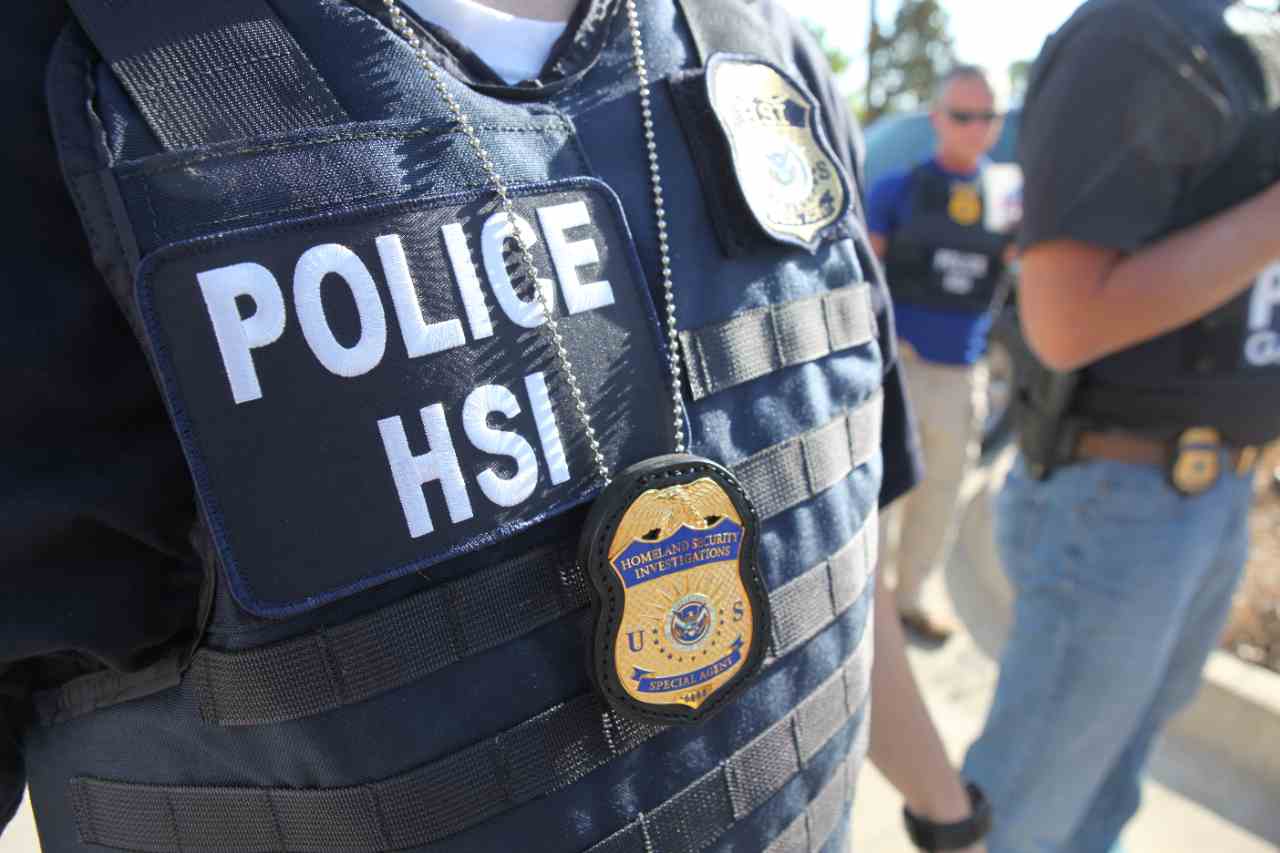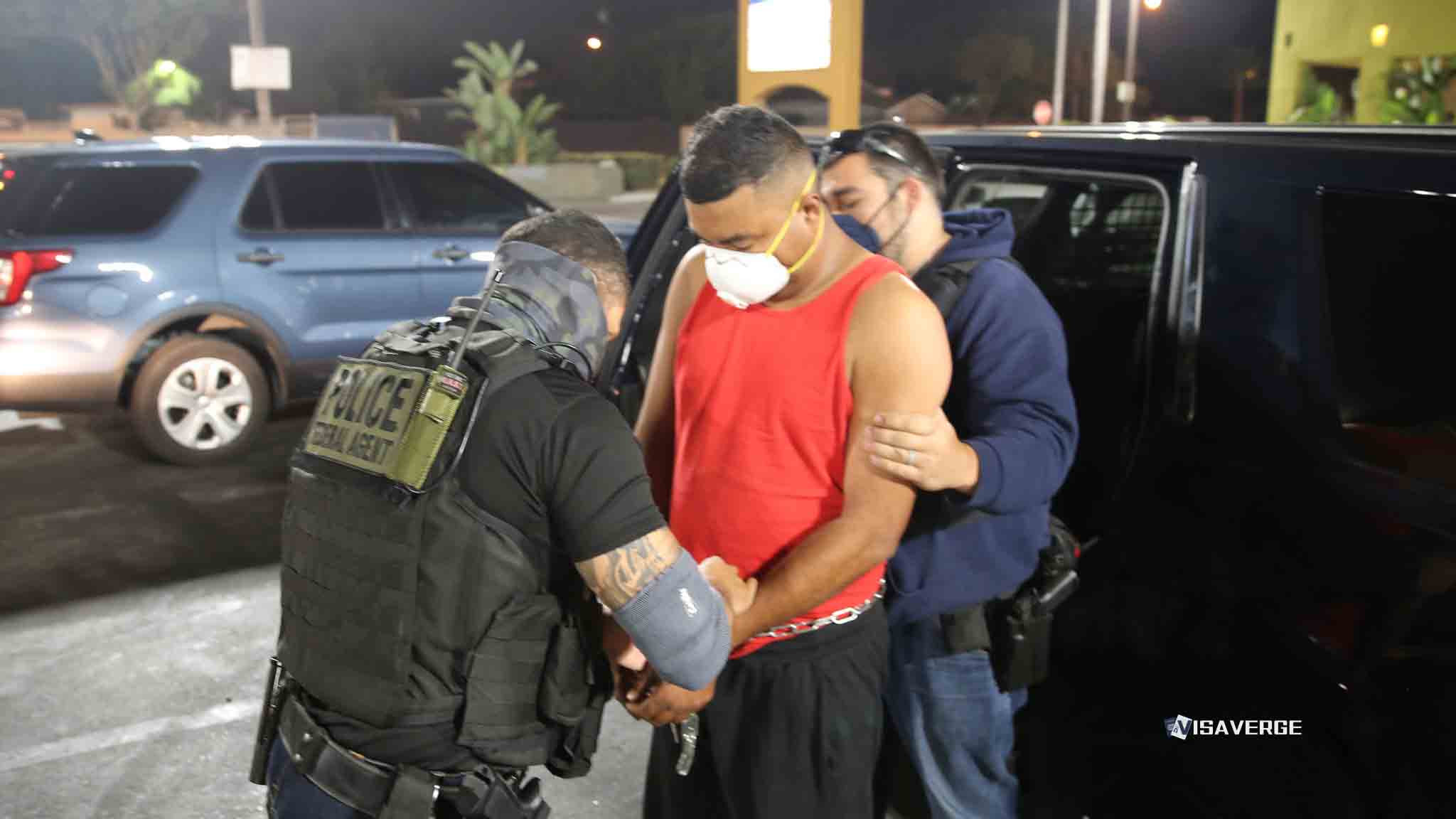
(CHARLOTTE, NORTH CAROLINA) More than 425 people were arrested in Charlotte during a week‑long immigration enforcement surge known as Operation Charlotte’s Web, federal officials confirmed on December 3, 2025, turning the city into the latest flashpoint in the national fight over immigration enforcement and detention policy. The operation, led by the Department of Homeland Security (DHS) and U.S. Customs and Border Protection (CBP), was described by officials as targeting “some of the most dangerous criminal illegal aliens,” but the scale of the arrests and the lack of transparency around who was taken into custody and what happened to them has drawn sharp criticism from lawmakers and advocates.
Arrest totals, timeline, and transparency concerns

The total number of arrests grew over the course of the operation. Early figures cited 370 arrests before agents left Charlotte, but DHS later confirmed the number had risen to more than 425 people detained as part of Operation Charlotte’s Web.
Officials did not explain the gap between the initial and final numbers. They declined to say:
- How many of those arrested now face criminal charges
- How many were picked up on civil immigration grounds alone
- How many have been released
This refusal to provide details has intensified debate about transparency and accountability in large‑scale immigration enforcement actions.
Treatment of detainees and medical concerns
Questions about the treatment of people detained in Charlotte have become as intense as questions about the numbers.
Immigration advocates say the operation shows how hard it is for families, lawyers, and even members of Congress to get basic information about:
- Where detainees are held
- What medical care they receive
- What legal process they will face
Critics argue that when federal officials run a large‑scale action in a major city but refuse to answer basic questions afterward, it deepens public distrust and fuels fear in immigrant neighborhoods.
Case example: medical failures
Immigration attorney Sarah Owings described one detainee with a failed heart valve replacement who was transferred multiple times between states instead of staying near his medical team. According to Owings:
- He did not receive the proper care during those moves
- He came close to dying before immigration authorities finally returned him to his physicians
For critics of Operation Charlotte’s Web, this case has become a symbol of what can go wrong when people with complex health needs are held in a system with limited medical oversight.
“Who is checking on detainees’ health? Who decides when someone is too sick to be held? And when something goes wrong, who is held responsible?” — questions advocates say the Charlotte arrests raise.
These concerns have fueled calls for stronger rules on medical screening, continuity of care, and independent monitoring inside immigration detention centers—whether run directly by the government or by private contractors.
Political reaction: the Dignity for Detained Immigrants Act
In the days after Operation Charlotte’s Web ended, frustration over the lack of transparency and reports of harsh conditions fed into a political response on Capitol Hill.
On December 4, 2025, one day after officials confirmed the final arrest total in Charlotte, two members of the U.S. House introduced the Dignity for Detained Immigrants Act. While the legislation was not written solely because of the Charlotte operation, supporters say the events there underscore the need for change.
The bill would make three major changes to current law:
- Repeal mandatory detention — ending a policy that forces many people to be locked up while their cases proceed.
- Phase out private immigration detention facilities over three years — urging DHS to rely on government‑run centers or community‑based alternatives.
- Create national civil detention standards — modeled on guidelines from the American Bar Association to protect human rights in areas such as medical care, recreation, contact with family, and access to lawyers.
To illustrate the problem supporters cite: people arrested during Operation Charlotte’s Web were moved between different facilities in different states, making it difficult for lawyers and families to know what rules applied, who was in charge, or how to raise concerns.
If passed, the Dignity for Detained Immigrants Act would apply civil standards tied to the American Bar Association guidelines across the system, regardless of state location or whether a private contractor runs a center.
DHS response and continuing secrecy
DHS officials have provided few details beyond the broad description of targets as “some of the most dangerous criminal illegal aliens.” When asked specific questions about the more than 425 people arrested — such as how many were charged with crimes, how many had past convictions, and how many were detained only for civil immigration violations — officials said they had no further details to share.
That refusal has intensified the debate over transparency and accountability in immigration enforcement actions.
Community impact and broader concerns
The secrecy around the Charlotte arrests has stirred worry beyond those directly affected.
- In mixed‑status families, parents fear that a traffic stop or workplace visit could lead to detention far from home with almost no information given to relatives.
- For community groups trying to help, the lack of clear data from DHS about who was targeted makes it harder to know whether people with deep ties to Charlotte, nonviolent records, or serious medical conditions are among those held.
According to analysis by VisaVerge.com, the concerns raised by the Charlotte operation mirror long‑standing complaints from immigration lawyers and humanitarian groups nationwide.
These groups argue that when DHS and CBP conduct high‑profile operations, they should at least release basic data on arrests and outcomes so the public can judge whether actions truly target dangerous offenders or sweep up many others.
Current options for families and legal aid
For now, families searching for relatives picked up in Charlotte must rely on limited tools, such as:
- Detention location systems on the Department of Homeland Security website: Detention location systems on the Department of Homeland Security website
- Phone calls to detention centers
- Help from local legal aid groups
Even when families find where someone is held, questions often remain about the care that person is receiving.
The story of the detainee with the failed heart valve—moved repeatedly across state lines despite fragile health—serves as a warning about the risks when people vanish into a system that critics say prioritizes enforcement speed over human safety.
What comes next
Whether Operation Charlotte’s Web will become a turning point in the national debate over immigration detention is still unclear.
- Locally, the operation has produced fear, anger, and a hard lesson about how quickly federal agents can reshape daily life in a city.
- In Congress, lawmakers backing the Dignity for Detained Immigrants Act point to Charlotte as a recent example supporting calls to:
- Repeal mandatory detention
- Phase out private facilities
- Build a system with clear, rights‑based civil standards to replace secrecy and silence
Key takeaway: The Charlotte operation has magnified long‑standing tensions over enforcement, transparency, and detainee welfare, prompting renewed legislative efforts and increased scrutiny of how immigration detention is carried out.
Operation Charlotte’s Web led to more than 425 arrests in Charlotte, drawing criticism for DHS and CBP’s refusal to disclose arrest outcomes. Advocates raised alarms about detainee treatment and medical neglect, highlighted by a failed-heart-valve case. The arrests spurred the Dignity for Detained Immigrants Act, proposing repeal of mandatory detention, phasing out private facilities, and creating national civil detention standards based on American Bar Association guidelines.