- New Mexico’s Legislature is reviewing the Immigrant Safety Act (HB 9) in a January 2026 committee hearing.
- The proposal aims to limit state and local participation in federal civil immigration detention and enforcement activities.
- HB 9 seeks to protect community trust and civil rights by separating local public services from federal immigration mandates.
(NEW MEXICO) — New Mexico’s Legislature is again weighing the Immigrant Safety Act, House Bill 9 (HB 9), with a scheduled committee hearing on January 22, 2026, a procedural step that may move the proposal forward but does not, by itself, change anyone’s legal obligations.
Immigrant Safety Act (HB 9) in New Mexico: what it is and why it matters

HB 9, branded as the Immigrant Safety Act, is framed by sponsors as a public-safety and civil-rights measure that would limit certain forms of state and local participation in federal civil immigration detention.
As of today’s date, readers should confirm the bill’s latest posture and any amendments through the Legislature’s official tracking page for HB 9.
At a high level, proposals like HB 9 typically seek to separate local public functions—policing, schools, courts, and health services—from federal civil immigration enforcement.
That distinction matters because federal immigration enforcement authority primarily rests with the federal government under the Immigration and Nationality Act (INA). For example, arrests and removals are governed by federal statutes and regulations (see, e.g., INA § 236 detention authority; INA § 241 post-order detention and removal; 8 C.F.R. § 287.7 regarding immigration detainers).
| India | China | ROW | |
|---|---|---|---|
| EB-1 | Apr 01, 2023 ▲31d | Apr 01, 2023 ▲31d | Current |
| EB-2 | Jul 15, 2014 ▲303d | Sep 01, 2021 | Current |
| EB-3 | Nov 15, 2013 | Jun 15, 2021 ▲45d | Jun 01, 2024 ▲244d |
| F-1 | May 01, 2017 ▲174d | May 01, 2017 ▲174d | May 01, 2017 ▲174d |
| F-2A | Feb 01, 2024 | Feb 01, 2024 | Feb 01, 2024 |
Still, state and local agencies can end up involved through contracts, information sharing, jail transfers, or facility use. That is where confusion often arises for residents, including:
- undocumented immigrants and lawful residents,
- mixed-status families,
- employers and landlords who interact with local licensing and courts,
- schools and health providers who must serve the public while protecting privacy, and
- counties and municipalities that operate detention space or contract for services.
Courts have long recognized that immigration is primarily federal. See Arizona v. United States, 567 U.S. 387 (2012).
At the same time, states generally cannot be “commandeered” into administering federal programs. See Murphy v. NCAA, 138 S. Ct. 1461 (2018). Those principles often shape both the design of state bills and the legal arguments for and against them.
HB 9 is a proposed state law. Until it is enacted and effective, local practices may remain unchanged. Verify the current text and status before relying on summaries.
How HB 9 may change interactions with local agencies (and what to ask)
Based on the bill description circulating this session, HB 9’s practical effects would most likely be felt in places where federal civil immigration enforcement intersects with local systems—especially detention contracting and custody transfers.
Common touchpoints include:
Traffic stops and street encounters. Local police typically enforce state and local law, not civil immigration law. A person may still be questioned about identity.
If an officer or agency references ICE, residents can ask what authority is being claimed and whether cooperation is required or discretionary under agency policy.
Jail booking and release. Many immigration consequences begin when fingerprints and booking data flow through federal databases, or when ICE issues a detainer request.
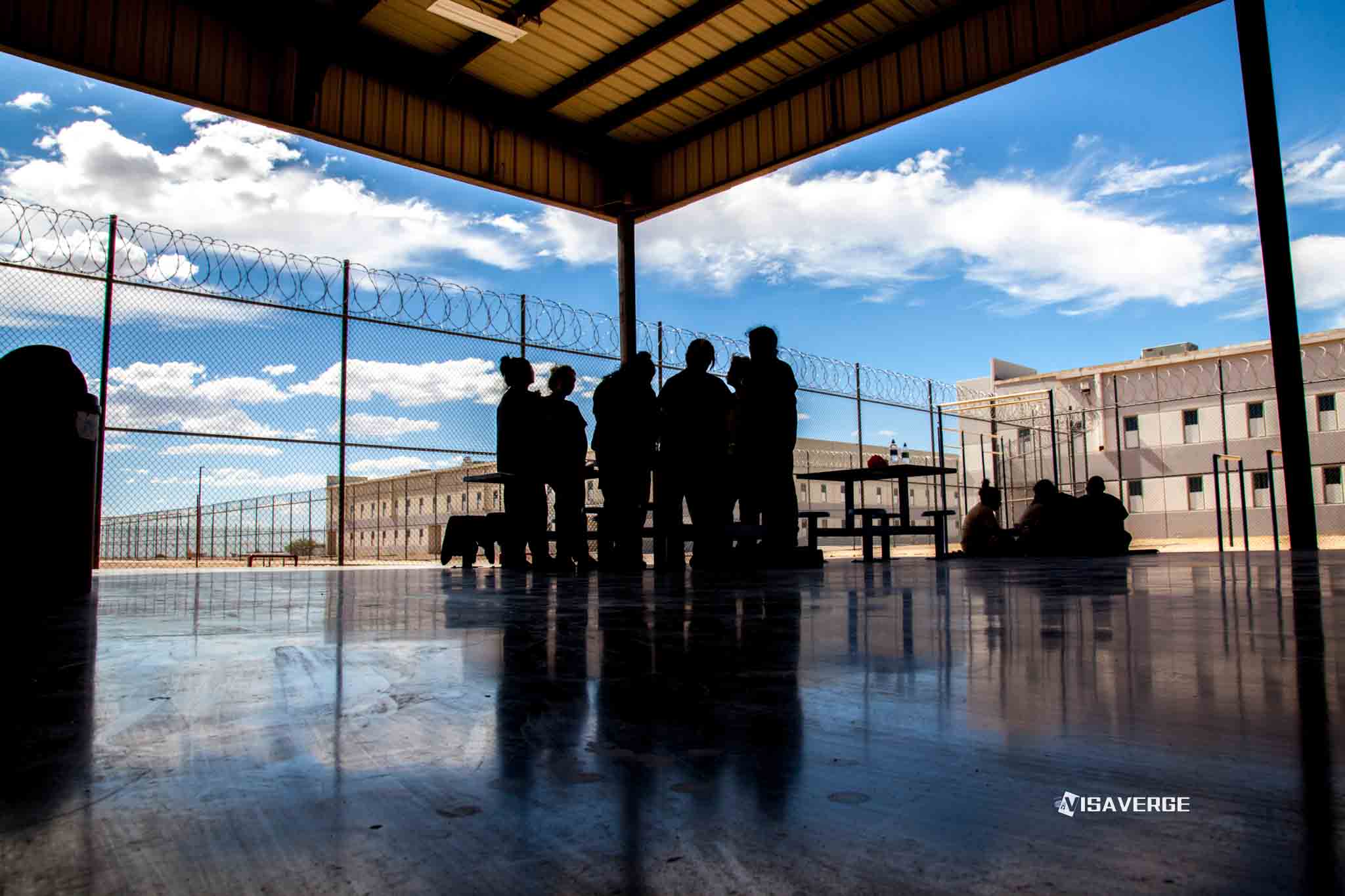
Detainers are generally requests, and practices vary widely by jurisdiction. If HB 9 were enacted as described, counties and municipalities might be restricted from maintaining certain detention agreements that house people for federal civil immigration violations.
Courthouse appearances and protective orders. People involved in family court, restraining orders, or criminal matters may worry about ICE presence. Courthouse practices can vary by county.
For survivors of domestic violence or sexual assault, confidentiality and safety planning should be part of any legal strategy.
Reporting crimes. Community trust is a recurring policy rationale in bills like HB 9. Residents can ask whether reporting will trigger immigration checks, what data is collected, and whether the agency has a written “victim/witness” policy.
School and healthcare settings. Public schools generally educate all children regardless of status under Plyler v. Doe, 457 U.S. 202 (1982). Healthcare providers, including public hospitals and clinics, operate under privacy rules and professional obligations.
Even so, staff may receive law-enforcement inquiries. Patients can ask what information is being requested, whether consent is required, and what privacy policy governs disclosure.
When dealing with any agency, practical questions include:
- Do you have a written policy on ICE detainers, information sharing, or facility use?
- What is the legal basis for the request being made?
- Is compliance mandatory, or voluntary?
- What is the complaint process, and who reviews it?
If an incident occurs, documentation can matter. Write down the date, time, location, agency, names or badge numbers if available, what was requested, what documents were shown, and any witnesses.
If you receive paperwork, keep copies.
If you have a court date, bond hearing, or custody release date, talk to an attorney immediately. Timing can affect detention, transfers, and relief eligibility.
Compliance, rights, and getting help: documents, records, and verified resources
Because HB 9 is moving through the legislative process, the most important short-term step is verification. Readers can check:
- the Legislature’s official docket and amendments for HB 9,
- the Governor’s public communications, including the State of the State materials on the Governor’s website, and
- federal enforcement posture and funding announcements through DHS and DOJ.
For individuals and families, recordkeeping is often the difference between clarity and chaos. Consider keeping a single folder (paper or secure digital) with:
- photo ID copies and any immigration documents,
- court notices and dispositions,
- custody release documents, bond paperwork, and receipts,
- any written agency correspondence, and
- a timeline of key events.
Mixed-status families may also want a family preparedness plan that includes emergency contacts and caregiver authorizations, prepared with counsel where appropriate.
Survivors of crime or domestic violence may have immigration options, including U visa or VAWA-related pathways, but eligibility is fact-specific and time-sensitive. People with prior arrests, convictions, or prior removal orders should seek individualized advice because immigration consequences can turn on small details.
See generally INA § 212 (inadmissibility) and INA § 237 (deportability).
Do not rely on informal “notario” advice. Immigration and criminal-law overlap can change eligibility for bond, asylum, cancellation, or other relief.
Pending challenges, enforcement disputes, and transition issues
If HB 9 advances, litigation risk is real. Federal officials have criticized “sanctuary” policies, and funding or preemption arguments sometimes follow.
Any enacted version could face court challenges about preemption, contract impairment, or federal conditions on grants. Those disputes can change timelines and enforcement.
Also watch for transition language. Proposals addressing detention contracts often include wind-down periods, termination requirements, or limits on renewals.
The exact text matters for counties, vendors, and residents who may be housed in facilities affected by contract changes.
Recommended actions and timeline (next 30–90 days)
- Today/this week: Verify HB 9’s latest committee actions and amendments on the New Mexico Legislature website.
- If you have a pending criminal or family-court matter: Ask your defense or family attorney whether ICE coordination issues could arise locally, and request written jail and courthouse policies where relevant.
- If a loved one is detained: Ask the facility whether custody is state/criminal, federal/criminal, or federal/civil immigration, because rules and release pathways differ.
- Within 30–90 days: Track whether HB 9 advances, whether substitute bills appear, and whether agencies publish implementing guidance.
This article provides general information about immigration law and is not legal advice. Consult a qualified immigration attorney for advice about your specific situation.