- Tens of thousands joined over 1,000 ‘ICE Out’ rallies nationwide following fatal enforcement shootings in early 2026.
- DHS officials defended agents while reporting a 3,200% increase in vehicular attacks against law enforcement officers.
- New policy shifts include halting asylum adjudications and intensifying vetting for applicants from specific ‘countries of concern’.
Tens of thousands of people marched across the United States in “ICE Out” rallies after a series of fatal and non-fatal shootings involving federal immigration agents and non-citizens intensified unrest and coincided with new immigration policy shifts.
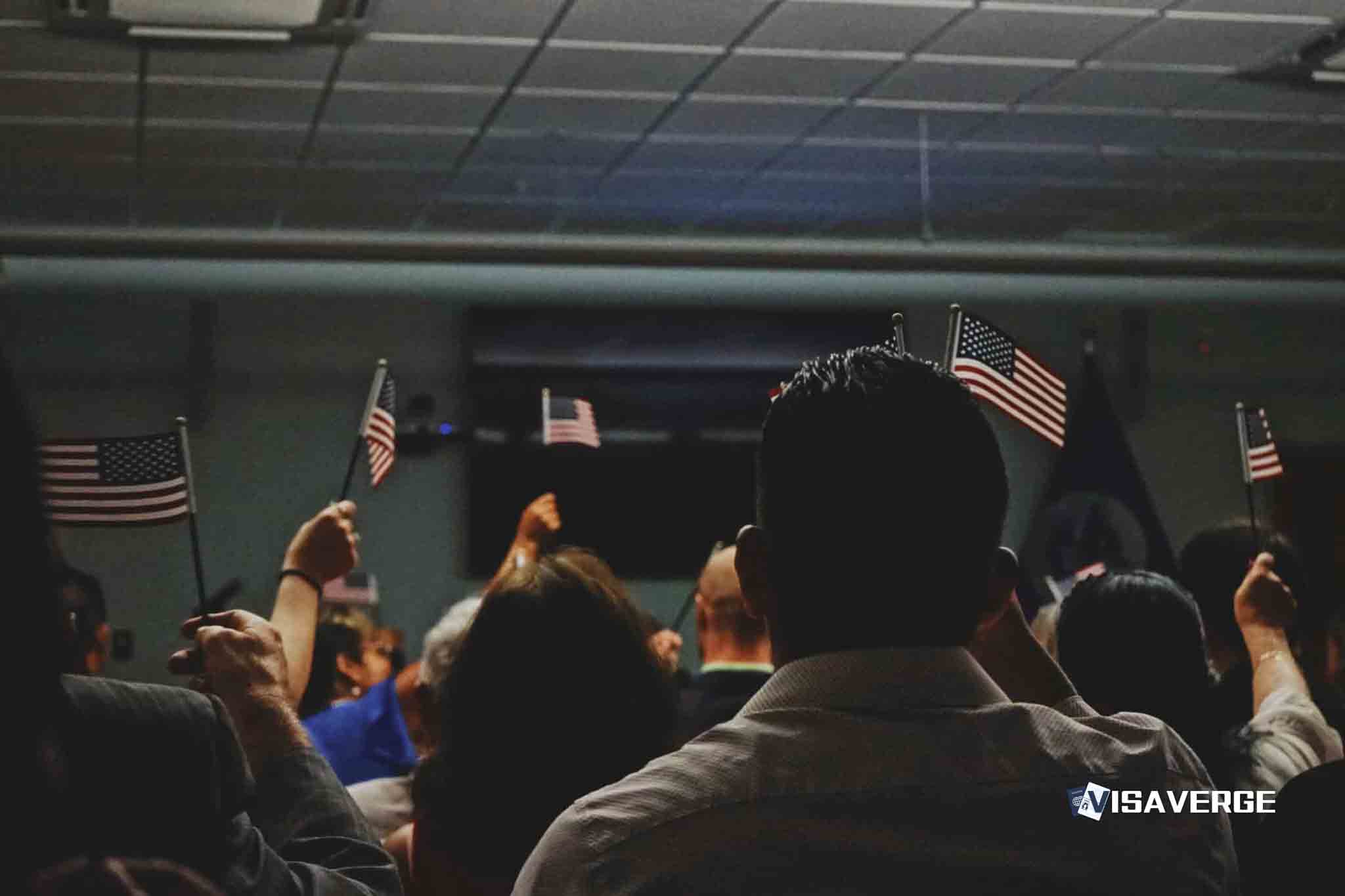
Protests between January 10 and 11, 2026, included over 1,000 rallies in cities including New York, Pittsburgh, Chicago, and Denver, with marchers expressing what organizers framed as fear about enforcement operations and police use of force.
Protests and demonstrations
The “ICE Out” rallies were driven in part by high-profile shootings and a wider perception among demonstrators that enforcement practices posed threats to communities. Demonstrators connected local incidents to broader national enforcement patterns and called for changes in how immigration authorities operate.
Rallies emphasized concerns about both officer conduct and broader immigration enforcement strategies, and organizers framed the movement as a response to perceived escalations in the use of force and enforcement presence.
Official responses
dhs and uscis officials defended enforcement actions while describing what they called rising threats to officers, language that can signal tougher vetting, altered scheduling, and operational changes that ripple through the immigration system.
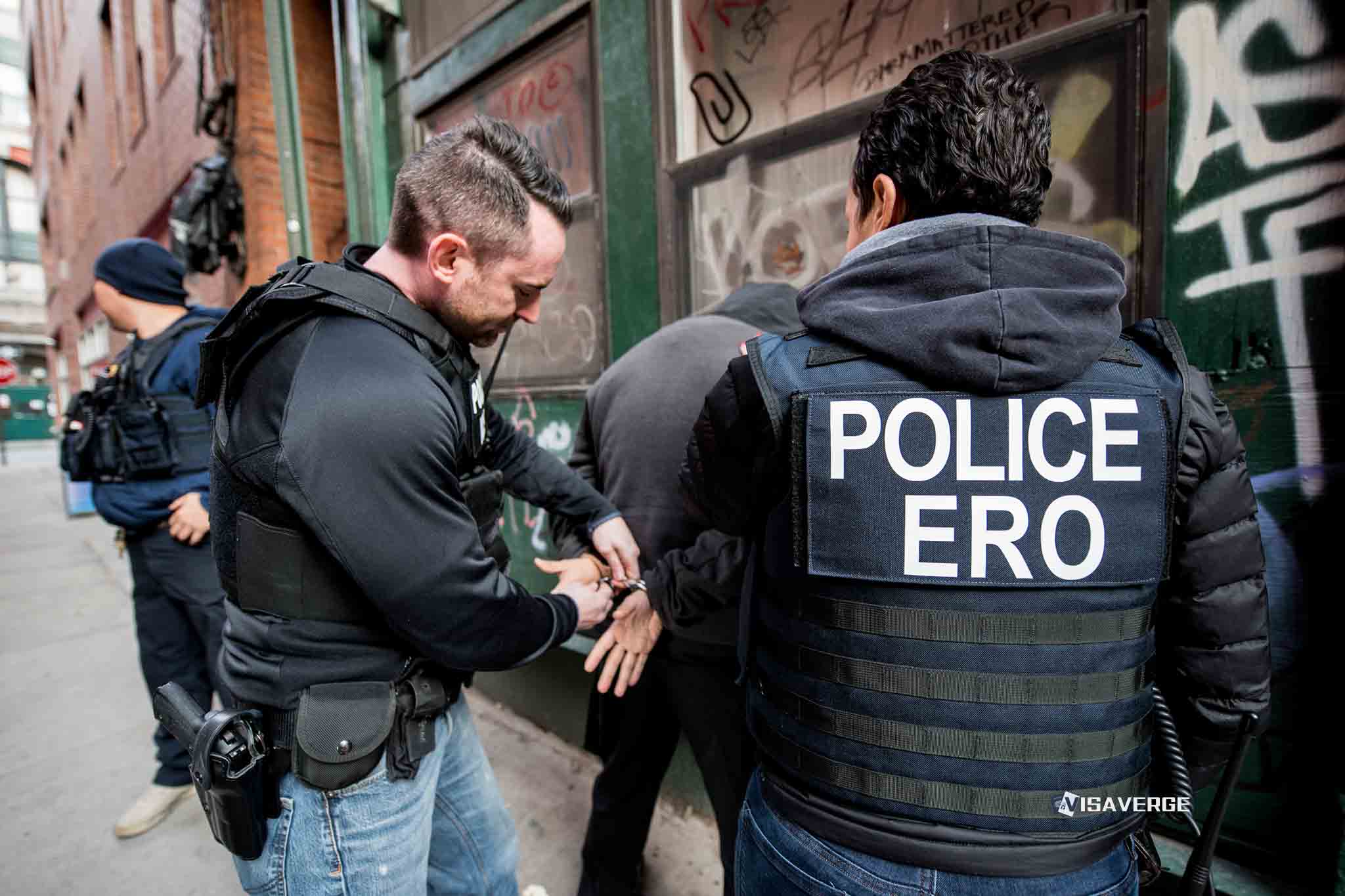
DHS Secretary Kristi Noem said on January 11, 2026, that the department was increasing its presence in minnesota after the fatal shooting of Renee Good. “The U.S. Department of Homeland Security is sending ‘hundreds’ more officers to Minnesota. to bolster the safety of Immigration and Customs Enforcement and Border Patrol officials already there.”
Noem also described the January 7, 2026, Minneapolis shooting in national security terms. “An officer of ours acted quickly and defensively, shot, to protect himself and the people around him. [The incident was] an act of domestic terrorism carried out against ICE officers by a woman who attempted to run them over.”
DHS Assistant Secretary Tricia McLaughlin, speaking to TIME on January 12, 2026, tied the unrest to what she characterized as a broader pattern of attacks. “It’s a pattern of vehicles being used as weapons by violent agitators to attack our law enforcement. Dangerous criminals – whether they be illegal aliens or U.S. citizens – are assaulting law enforcement and turning their vehicles into weapons. Our officers are experiencing a 3,200% increase in vehicular attacks.”
USCIS Director Joseph Edlow, responding on January 7, 2026, to a separate incident involving an Afghan asylee, described a shift toward more aggressive screening. “My primary responsibility is to ensure that every alien is vetted and screened to the maximum degree possible. Effective immediately, I am issuing new policy guidance that authorizes USCIS officers to consider country-specific factors as significant negative factors when reviewing immigration requests. American lives come first.”
Key facts and statistics
The unrest has unfolded after a run of incidents involving ICE and CBP agents that drew national attention. Since July 2025, federal immigration agents have been linked to 16 shootings, resulting in at least five deaths, according to data from The Trace and The Guardian.
DHS reported on January 10, 2026, a 1,300% increase in assaults against ICE officers, a 3,200% increase in vehicular attacks, and an 8,000% increase in death threats. Such figures, when elevated in public messaging, are often used to justify tighter security protocols, expanded deployments, and operational surges that can affect community interactions and the cadence of immigration processing.
Because “Key facts and statistics” will be presented with an interactive tool, this section provides explanatory context ahead of the tool rather than a static table. The tool will allow readers to explore timelines, incident counts, and agency reports in more detail.
Notable enforcement operations and deployments
Enforcement operations cited in recent days have included Operation Salvo, launched in early January 2026 in response to the shooting of an off-duty CBP officer by suspected gang members. DHS also pointed to Operation Buckeye, a December 2025 targeted operation in Ohio that resulted in 280 arrests.
Minnesota has become a focal point, with DHS deploying more than 2,000 federal officers to the Twin Cities area and describing it as the department’s “largest operation ever.” Increased deployments can mean more visible federal activity and more law enforcement contacts, even as agencies maintain that the purpose is officer safety and national security.
Local reactions and investigations
Local and federal accounts have diverged sharply in Minneapolis, deepening the political and operational friction around enforcement. Mayor Jacob Frey and Governor Tim Walz have publicly contradicted DHS accounts, citing bystander video that appears to show Renee Good steering her vehicle away from agents when she was shot.
The FBI and DOJ have reportedly refused to cooperate with state-level criminal investigations into the shooting. Conflicting narratives can affect public trust, heighten protest activity, and complicate messaging that applicants and communities rely on to assess the risk of travel to appointments or compliance check-ins.
Renee Good, described as a 37-year-old U.S. citizen and mother, was shot and killed while behind the wheel of her SUV, and her death became a primary catalyst for the protest movement. Demonstrators have linked her case to the broader “ICE Out” message, which has centered on challenging federal immigration enforcement practices through nationwide marches.
Other incidents cited in recent days include the January 8, 2026, shooting and injury of Luis David Nico Moncada and Yorlenys Betzabeth Zambrano-Contreras by federal agents outside a hospital in Portland. Those cases added to a climate in which both enforcement agents and civilians have been portrayed as at heightened risk, depending on the speaker and setting.
National security measures and policy shifts
In parallel with the street demonstrations, policy and operational shifts have moved quickly inside the immigration system. Under “National Security Measures” announced on January 7, 2026, thousands of applicants—particularly those from high-risk countries—are facing immediate halts on asylum adjudications and cancellations of naturalization interviews.
Edlow’s reference to “new policy guidance” authorizing consideration of “country-specific factors” points to a form of intensified review that can change how a case is evaluated without changing the underlying statutory eligibility requirements. For applicants, it can translate into longer waits, more detailed questioning, or more frequent requests for documentation as officers seek to address elevated risk concerns.
Broader changes described in the current period include a “full-scale, rigorous reexamination” of Green Cards for individuals from 19 “countries of concern” and an indefinite pause on all Afghan immigration requests. The language suggests a posture in which adjudications can slow or stop while agencies reassess screening steps, even as individual outcomes remain case-specific.
Because the “National security measures and policy shifts” section will be augmented with an interactive tool, this text provides context and leads into the tool rather than attempting to reproduce dynamic policy timelines or comparison tables here.
Practical impacts for applicants
For immigration applicants, statements like these can precede practical changes long before a formal announcement reaches a field office waiting room. Interview backlogs can grow if staffing is moved to security duties, and appointments can be canceled if a building reduces public-facing capacity amid demonstrations.
Unrest can also reshape enforcement patterns around courthouses, hospitals, and transit corridors, affecting whether people feel safe traveling to biometrics appointments, naturalization interviews, or hearings. In some cases, applicants may face new requests for evidence, longer adjudication cycles, or heightened scrutiny tied to shifting risk narratives.
In practice, applicants caught in pauses or heightened review cycles can face a mix of operational hurdles: rescheduled interviews, delayed notices, and uncertainty about whether a filing will proceed on the usual timeline. Travel planning can become harder if an applicant is waiting on a decision or a required appointment that is pushed back, and any missed notice or missed appearance can have consequences depending on the proceeding.
In a tense enforcement environment, people interacting with the system often try to document disruptions without escalating risk. That can mean keeping copies of appointment notices, tracking any cancellation messages, and retaining proof of travel interruptions, while relying on official communications channels for the most current case status.
How to follow official updates
As the unrest stretches from July 2025 incidents through early January 2026 shootings and into the January 10–11 wave of “ICE Out” rallies, each milestone has been followed by a sharper focus on deployments, threats, and vetting posture. Noem’s January 11 comments on sending “‘hundreds’ more officers” to Minnesota and DHS’s description of more than 2,000 federal officers in the Twin Cities reflect how quickly a local incident can trigger a national operational response.
For readers trying to track what is confirmed and what is not, the most reliable approach is to stick to primary government updates and to check dates, authorship, and whether multiple agencies are describing the same change in consistent terms. DHS, USCIS, and CBP each publish official releases that can clarify what is policy, what is guidance, and what is a public posture statement.
Official updates are available through the DHS Newsroom, USCIS News, and CBP Media Releases, where readers can compare announcements over time and keep records of relevant postings as the situation evolves.
Massive nationwide protests erupted in January 2026 following several fatal shootings involving ICE and CBP agents. While demonstrators demand enforcement reform, federal authorities have responded by deploying thousands more officers and implementing restrictive new vetting policies. These shifts, including paused asylum processes for high-risk countries, significantly impact applicants through increased scrutiny, interview cancellations, and growing backlogs in the immigration system.