- A September 2025 Supreme Court stay allows expanded immigration enforcement tactics to continue during litigation.
- The Montebello narrative combines distinct Southern California incidents involving roving patrols and worksite raids.
- Legal disputes center on potential racial profiling versus the government’s totality of circumstances assessment.
(MONTEBELLO, CALIFORNIA) — Effective since a Supreme Court stay issued in September 2025, federal immigration agents have been operating under expanded latitude in certain stop-and-question practices while litigation continues over “roving patrol” tactics—an operational shift that advocacy groups say helps explain why the Montebello raid narrative, including ICE agents and a widely shared roof chase, keeps resurfacing in early 2026.
The immediate legal “change” is procedural rather than statutory: in Noem v. Vasquez Perdomo, No. 25A169 (U.S. Sept. 2025) (stay), the Supreme Court permitted contested enforcement practices to proceed while lower-court proceedings continue. In plain terms, a stay can preserve the government’s ability to keep using a disputed approach even when a lower court has ordered limits.

The practical effects are playing out now, as DHS scales up multi-agency surge operations into 2026.
Official statements and why the wording matters
DHS has publicly framed these actions as targeted enforcement focused on public safety and prioritized arrests. Officials have pointed to arrests of people with serious criminal histories during late-December operations and have emphasized that worksite actions are aimed at “illegal aliens,” not broad community sweeps.
That framing matters legally and practically. Public-facing priorities can affect enforcement discretion in the field, including whom agents decide to question, detain, or release.
It also shapes how employers, workers, and mixed-status families assess risk. This guide walks through (1) the reported incidents, (2) the policy and constitutional debate, (3) real-world effects, and (4) where readers can verify claims using official sources and court records.
Warning: Viral clips can omit what happened immediately before filming. If you were involved, write down the full timeline while memories are fresh.
Key facts and related incidents readers should distinguish
Three Southern California events are commonly blended together online under the “Montebello roof chase” label. They illustrate different tactics and different legal questions.
First, the Montebello Tow Yard incident in mid-2025 involved masked agents conducting what advocates described as a “roving patrol” approach. A video showed a U.S. citizen, Brian Gavidia, restrained while asserting citizenship.
Another U.S. citizen, Javier Ramirez, was arrested after an alleged altercation; later reporting indicates charges were dropped. Those facts, if accurate, raise questions about the basis for the initial encounter and how quickly situations escalate when bystanders intervene.
Second, the Ventura County incident in summer 2025 involved a workplace operation where a worker, Jaime Alanis Garcia, reportedly fled onto a roof and fell. Accounts describe a chase by agents and catastrophic injuries followed by death.
Even when the government views an operation as lawful, worksite enforcement can create safety risks, workers’ compensation complications, and potential liability disputes for employers and contractors, depending on facts and state law.
Third, a late-December 2025 “surge” featured a higher tempo of enforcement across job sites, businesses, and residences. DHS has reported an official arrest total, while advocates have asserted a higher number.
Those competing figures are best treated as disputed unless confirmed by documentary evidence, such as booking records, court filings, or sworn declarations.
Significance and policy context: what “roving patrols” and “worksite raids” mean
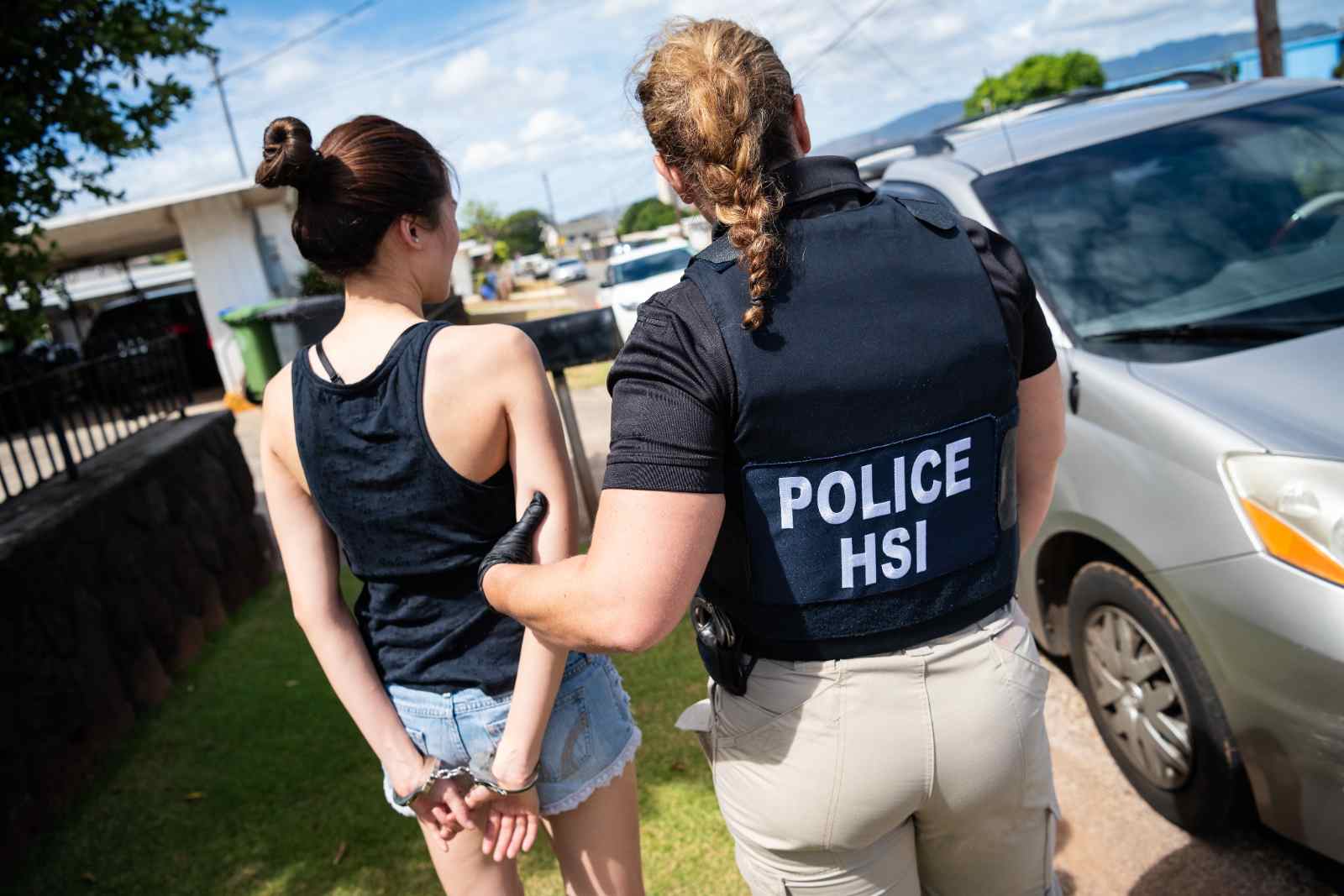
When communities describe “worksite raids,” they usually mean coordinated enforcement at or near a job location, sometimes involving questioning, detentions, and arrests tied to civil immigration violations or criminal warrants. “Roving patrols” generally refers to mobile teams making enforcement contacts away from fixed checkpoints, often based on observational cues plus database checks.
Immigration officers derive authority to interrogate and arrest under INA § 287 (8 U.S.C. § 1357) and to detain under INA § 236. Work authorization compliance sits largely with employers under INA § 274A and the Form I‑9 system, but that framework often intersects with enforcement actions when agents investigate identity and employment eligibility.
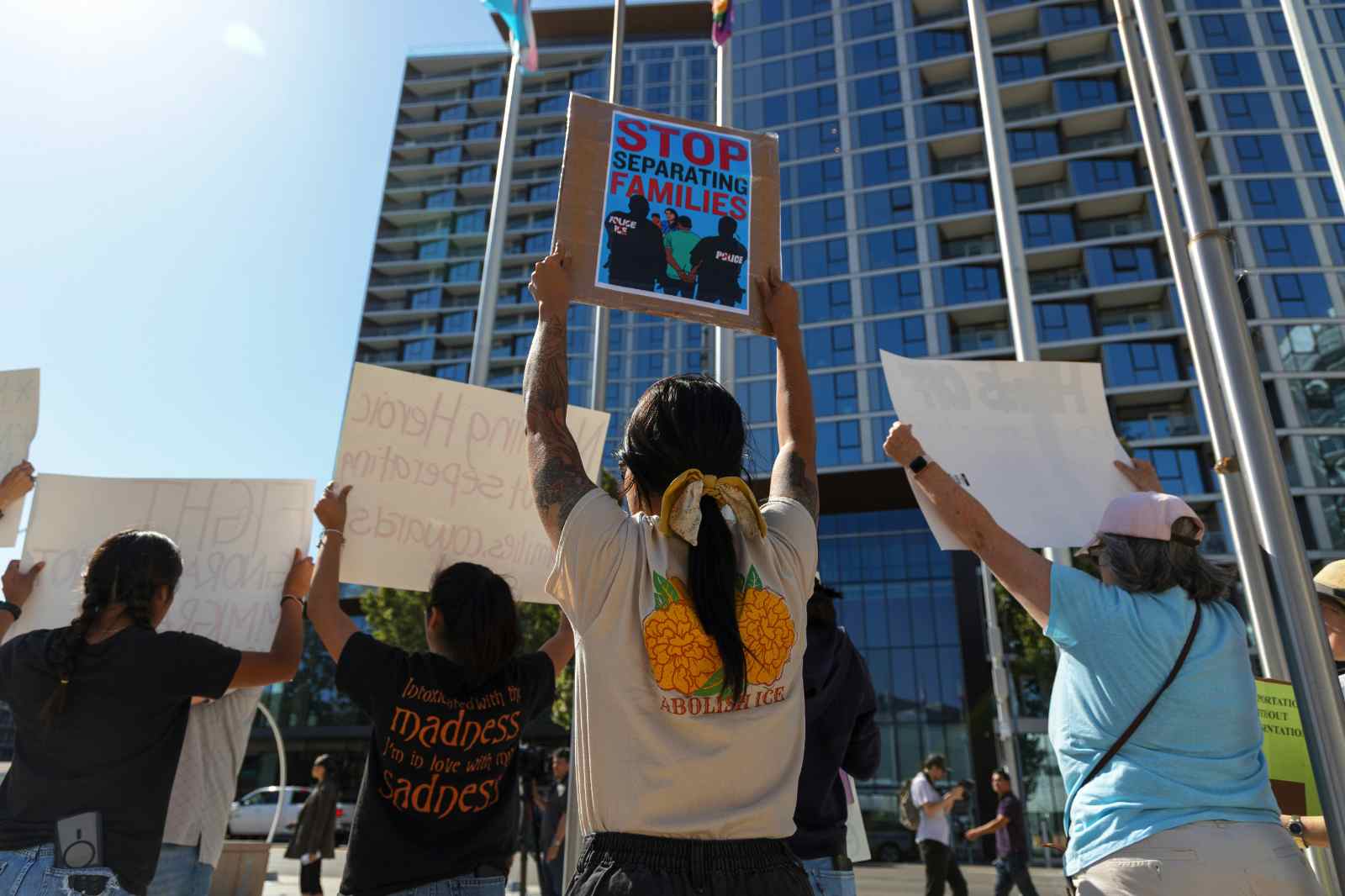
A central debate is whether “apparent ethnicity,” language, or job type is being used as a proxy for immigration status. DHS and the government typically argue that officers consider the totality of circumstances. Advocates argue that certain factors invite profiling.
These questions can turn on local facts and circuit law, and litigation outcomes can change permissible tactics without ending enforcement overall.
Deadline: If you receive a Notice to Appear (NTA), read it immediately. Missing Immigration Court dates can lead to an in‑absentia removal order under INA § 240(b)(5).
Impact on affected individuals and families
One recurring takeaway from Montebello is that U.S. citizens can be briefly detained in fast-moving operations. Having a REAL ID or passport card may help, but it does not always prevent temporary restraint while officers sort out identity, warrants, or alleged obstruction.
These events can also ripple through mixed-status households. Families report missed work, disrupted childcare, and fear-driven isolation. Employers may see sudden absenteeism, jobsite delays, and heightened safety risks if workers flee.
It is difficult to prove direct causation, but the pattern is consistent with what communities report after high-visibility operations.
Preparedness steps that may help in many cases include: keeping paper and phone copies of identity documents in a safe place; listing emergency contacts; arranging a childcare pickup plan; and knowing how to locate detained individuals.
For immigration detention location searches, ICE’s public detainee locator is often the starting point, though it can lag in the first hours.
Warning: Do not present false documents or false statements. That can create separate criminal exposure and long-term immigration consequences.
Government sources, verification, and preserving a record
For official updates, start with DHS and ICE press releases, then compare dates and stated objectives to what was reported locally. For court developments, check Supreme Court dockets and the U.S. District Court for the Central District of California, where filings related to “roving patrol” injunction requests have been reported.
If you or an employee is affected, preserve a contemporaneous record: date, time, location, what was said, and any badge numbers or vehicle identifiers you can safely note.
If there are injuries, keep medical records and incident reports. These documents can matter in bond hearings, suppression-related litigation, or civil rights claims, depending on the case and jurisdiction.
This section leads into an interactive tool listing Key Facts and Related Incidents so readers can explore reported events and sources in detail. Use the tool to view itemized incident timelines, primary-source links, and supporting documents.
Recommended actions and timeline (January–February 2026)
- Monitor DHS/ICE releases weekly for operational changes.
- If served with an NTA, consult counsel immediately and calendar hearing dates.
- Employers should review I‑9 compliance procedures and train managers on responding to enforcement visits, including how to handle a Notice of Inspection.
Official resources (government)
The following official resources are commonly used to verify statements and track litigation and operational notices. An interactive tool will present consolidated links and recent updates for easy navigation.
- DHS Newsroom
- ICE News Releases
- Supreme Court docket search
- EOIR Immigration Court information
For preservation of evidence and legal filings, consult court dockets directly and retain contemporaneous notes and medical records where applicable.
Legal disclaimer and additional resources
⚖️ Legal Disclaimer: This article provides general information about immigration law and is not legal advice. Immigration cases are highly fact-specific, and laws vary by jurisdiction.
Consult a qualified immigration attorney for advice about your specific situation.
Resources:
Recent shifts in immigration policy, supported by a 2025 Supreme Court stay, have increased the visibility of roving patrols and worksite raids in California. The report clarifies the legal basis for these actions under the INA and examines the human impact, including the detention of citizens. It provides actionable advice for mixed-status families and employers regarding document preservation and legal compliance.