- Federal agents continue Operation Metro Surge across Minnesota following thousands of arrests since December 2025.
- An 8th Circuit stay allows specific crowd-control tactics like tear gas despite ongoing legal challenges and civil rights lawsuits.
- Community activists and unions plan a statewide shutdown on January 23rd to protest federal immigration enforcement actions.
(MINNESOTA) — A statewide enforcement surge by U.S. Immigration and Customs Enforcement (ICE) and U.S. Customs and Border Protection (CBP) in Minnesota is colliding with a high-profile protest planned for Friday, as an 8th Circuit stay allows limited crowd-control tactics to continue amid Department of Justice objections and ongoing lawsuits.
Operation Metro Surge, launched in December 2025, has placed thousands of Department of Homeland Security (DHS) personnel in and around Minneapolis and the broader Twin Cities, according to DHS statements and public reporting.
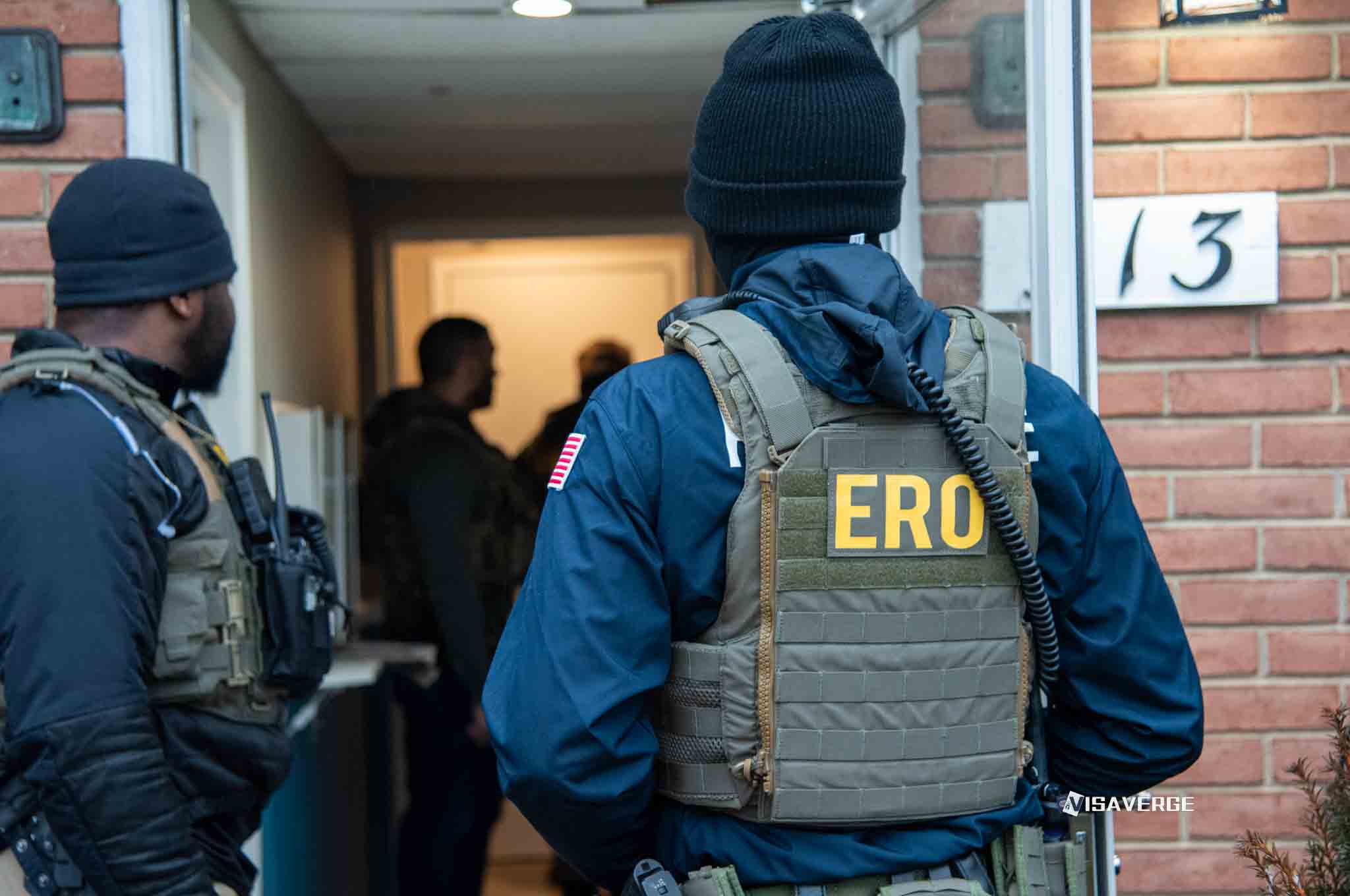
Residents and advocates say the operation has pushed immigration enforcement into daily life, from traffic stops to workplaces.
Planned protest and immediate risks
Ice Out!, described by organizers as a statewide shutdown, is set for January 23, 2026. A coalition of labor unions, faith leaders, and community activists is urging Minnesotans to pause work, school, and shopping as a form of economic protest.
For immigrant and noncitizen communities, the overlap of street-level enforcement and mass public action can raise immediate risks. Employers also face uncertainty, from staffing disruptions to questions about how to respond if federal agents appear at worksites.
Federal messaging and official statements
DHS Secretary Kristi Noem has tied the operation to public safety and criticized Minnesota leaders. “We have arrested over 10,000 criminal illegal aliens who were killing Americans, hurting children and reigning terror in Minneapolis,” Noem said in a January 19, 2026 statement posted by DHS.
Federal statements can also have limits that matter in day-to-day encounters. DHS, ICE, and CBP messaging is often aimed at deterrence and broad policy audiences, while individual enforcement actions can turn on facts such as identity, warrants, and location.
USCIS does not direct ICE arrests, but enforcement activity can still affect people who are applying for immigration benefits. In many cases, applicants and petitioners monitor official DHS and USCIS updates to avoid relying on rumors, especially during protests.
Legal fight and the 8th Circuit stay
The legal fight now shapes what federal agents can do during crowd control. An 8th Circuit stay, issued January 21, 2026, paused parts of a lower-court restriction and allowed certain tactics to continue, including tear gas and pepper spray, during enforcement-related operations.
A court stay does not decide the full case. It temporarily changes what rules apply while judges consider appeals and related filings.
The 8th Circuit stay matters because it can alter the immediate playbook for federal agents facing crowds. Still, it does not authorize unlimited force, and constitutional limits on policing and searches remain in place.
⚠️ Verify claims about arrests, overtime costs, and court orders with official agency releases and court filings before publishing
Timeline of events
| Date | Event | Actor/Source | Impact on enforcement/public messaging |
|---|---|---|---|
| December 2025 | Operation Metro Surge begins in Minnesota, with federal agents deployed in the Twin Cities | Department of Homeland Security (DHS) / ICE / CBP | Increases federal presence and amplifies public warnings about enforcement |
| January 7, 2026 | Fatal shooting of Minneapolis resident Renee Good by an ICE officer, cited by organizers as a catalyst | Organizers / public reporting | Becomes a flashpoint for protests and litigation, increases scrutiny of tactics |
| January 19, 2026 | DHS public safety statement on arrests during the operation | DHS Secretary Kristi Noem | Frames the operation as crime-focused and pressures state and city leaders |
| January 20, 2026 | Federal officials warn arrests were imminent after a protest at Cities Church in St. Paul | DHS Secretary Kristi Noem | Signals aggressive posture and raises concerns about protest-policing |
| January 21, 2026 | 8th Circuit stay allows limited crowd-control tactics to continue | 8th Circuit stay | Permits tear gas and pepper spray in specified circumstances, while litigation continues |
| January 23, 2026 | Ice Out! planned statewide shutdown | Coalition of labor, faith, and community activists | Tests public response and law enforcement posture during active operations |
Claims, costs, and public debate
Claims about the operation’s scale have become central to the public debate. DHS has said it made 3,000 arrests in Minnesota since December 1, 2025, part of a broader enforcement push described by Noem as totaling 10,000 arrests.
Local public-safety costs have also entered the argument, but they answer different questions. Reports citing 3,000 hours of overtime and a $2,000,000 cost can indicate budget strain during a period of unrest, but they do not establish whether federal actions were lawful.
Effects on communities, businesses, and schools
In immigrant and noncitizen communities, reported effects include business closures, canceled appointments, and reduced public transit use as people try to avoid contact with authorities.
Hundreds of businesses have said they will close Friday, including the Karmel Mall in Minneapolis, as owners weigh safety, staffing, and community pressure.
Schools and local services can feel spillover. When families fear travel, attendance can drop, and public-facing services may see fewer visits, including health clinics and city offices.
Lawsuits and civil-rights claims
Civil rights claims are now moving through court alongside the fight over crowd-control tools. The American Civil Liberties Union filed a class-action lawsuit, Hussen v. Noem, on January 15, 2026, alleging racial profiling and suspicionless stops of U.S. citizens and residents.
Racial profiling allegations in such cases often focus on whether officers used race, language, or neighborhood as a proxy for immigration status, rather than individualized facts. Plaintiffs commonly seek court orders that bar certain practices, require reporting, or impose oversight.
Even when a lawsuit is pending, short-term change is often uneven. Court rulings may narrow particular tactics, while broader disputes about stops, questioning, and documentation can continue until a final order or settlement.
Federal legal posture and DOJ filings
Department of Justice filings have sharpened the conflict between federal enforcement and state or local efforts to constrain it. On January 21, 2026, DOJ argued that “Minnesota wants a veto over federal law enforcement,” opposing steps that would, in its view, interfere with federal immigration enforcement.
DOJ objections often rest on an “interference” theory: that state or local rules cannot block federal officers from carrying out federal duties. That framing can influence public messaging by encouraging agencies to treat restrictions as political obstacles rather than binding operational rules.
Federal officials have framed protest-linked disruption as a risk to operations and officer safety. DHS spokesperson Tricia McLaughlin defended federal actions after court fights over tactics, saying, “DHS is taking appropriate and constitutional measures to uphold the rule of law and protect our officers and the public from dangerous rioters.”
Practical guidance and verifying information
Readers trying to sort fact from rumor can rely on primary sources. DHS, ICE, and DOJ often post statements and filings that can be checked directly, and court dockets can show whether a restriction is active, stayed, or under appeal.
Verifying enforcement claims usually starts with official agency announcements and named spokespeople. For benefit applicants, USCIS guidance can also help clarify general rights and responsibilities, though it typically will not address a particular street encounter.
Lawsuits are best checked by reviewing the complaint, major motions, and any court orders, rather than summaries on social media. DOJ positions are clearest in filed briefs and official releases on justice.gov, which often quote the government’s legal theory.
What to expect in the coming days
The next two days are likely to set the tone for how Minnesota experiences both enforcement and dissent. After the January 21, 2026 8th Circuit stay, agencies have more latitude on certain crowd-control tools, and protest plans for January 23, 2026 remain in place.
Before Friday, residents can expect more public messaging from DHS, ICE, CBP, and local leaders, especially if traffic patterns, downtown access, or emergency plans change. Court filings can also arrive quickly, and even a narrow order can shift what officers do on the street.
For those watching the sequence, the key markers run from the operation’s start in December 2025 to the January 7, 2026 flashpoint, followed by federal statements on January 19 and 20, 2026, and the January 21, 2026 stay ahead of January 23, 2026. The most immediate indicator will be whether agencies issue new guidance tied to the protest day.
This article discusses law enforcement actions and civil rights considerations. Readers should consult qualified legal counsel for individual situations.
Information in this piece comes from official government sources; verify with agency releases and court filings.