- Federal officials shift to de-escalation language while maintaining Operation Metro Surge activity.
- The operations transition toward custody-based arrests and reduced visible street confrontations.
- Hospitality workers face significant workplace disruptions and commute risks despite messaging changes.
(MINNEAPOLIS) — A federal enforcement surge known as Operation Metro Surge remains active as of Tuesday, February 3, 2026, even as senior officials have publicly shifted to “de-escalation” language and discussed a “draw down” in street activity starting in late January.
What changed is not a new statute or regulation. It is the government’s stated posture and operational emphasis.
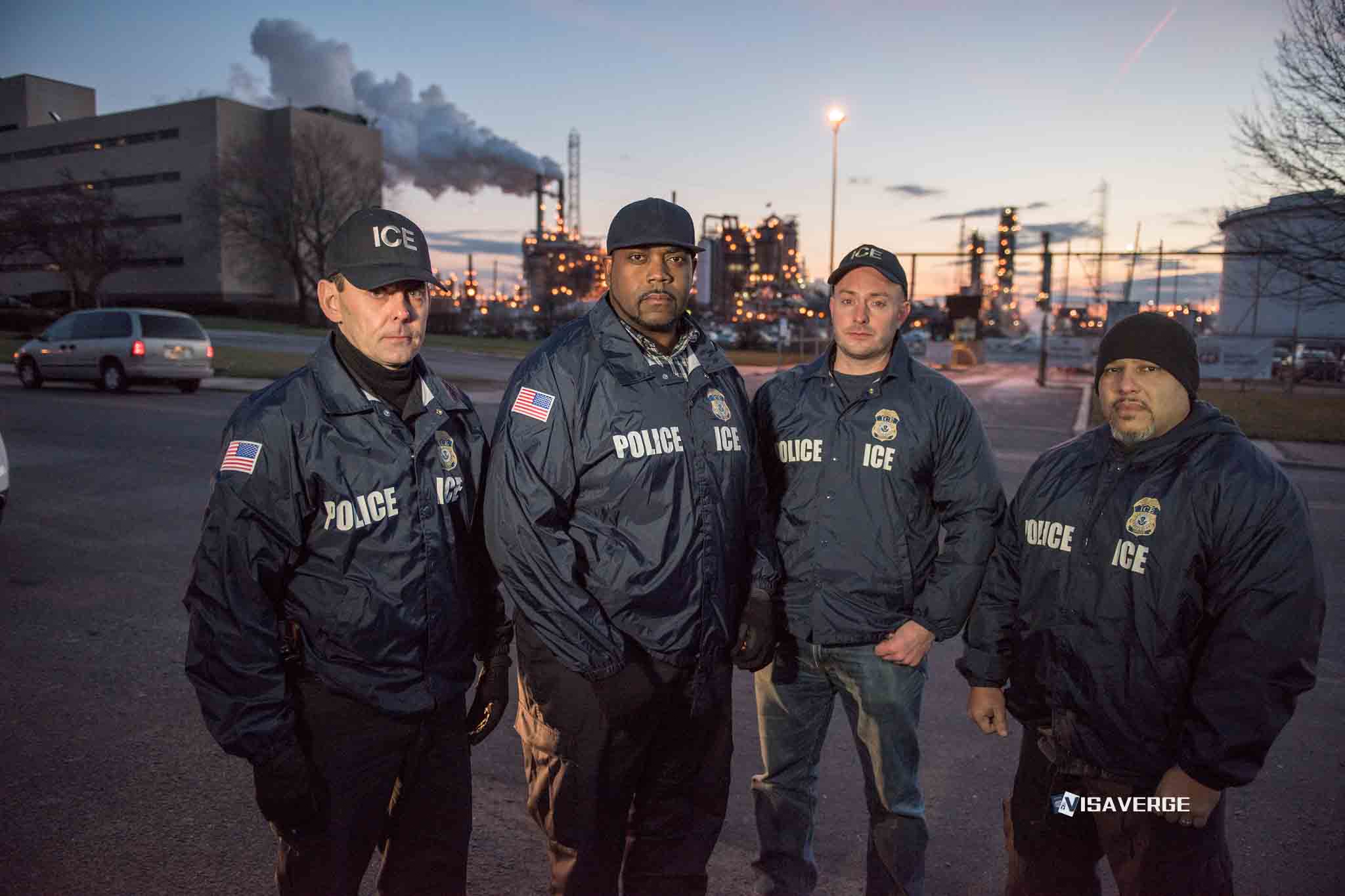
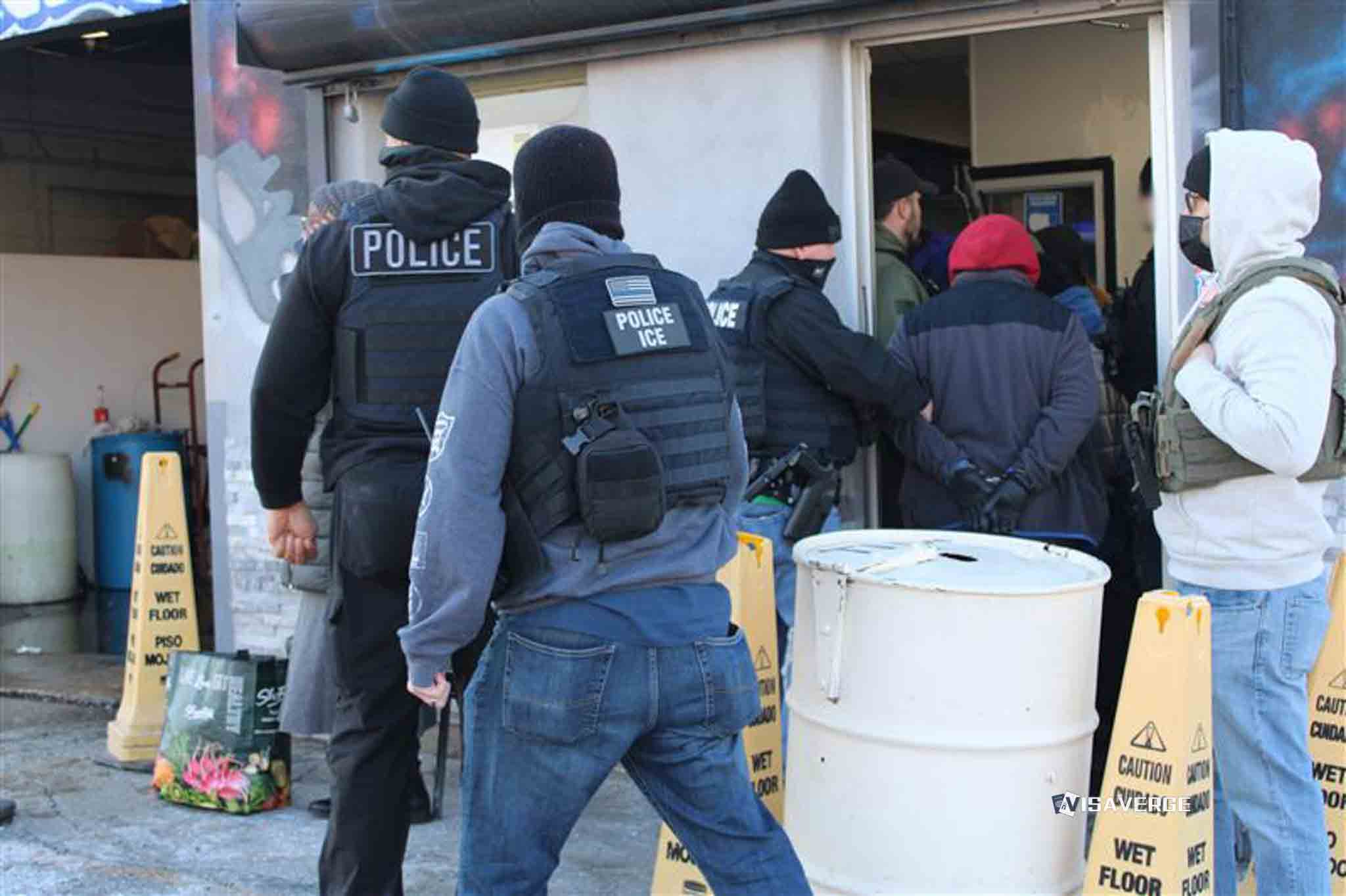
Public statements from DHS and ICE in late January, along with an internal ICE directive reported by Reuters, describe reduced street confrontations and greater reliance on custody-based arrests. Those themes matter to Minneapolis hospitality workers because changes in enforcement tactics often affect where encounters happen: on streets and transit routes, at worksites, or through jail screening and transfers.
This update explains how to read official messaging, who is most affected, and how to track credible developments—without assuming that rhetoric equals an immediate operational change.
Warning: A “draw down” is not the same as a termination of operations. It can mean shifting tactics, locations, and timing while enforcement continues.
Overview: Minneapolis hospitality workers and Operation Metro Surge
Hospitality workplaces are unusually exposed during an enforcement surge. Hotels, airport concessions, stadium vendors, and downtown restaurants rely on public-facing roles, variable shifts, and frequent commuting by bus or light rail.
Workers also interact with visitors and law enforcement in high-visibility settings. Unionized workers are watching closely because unions can become rapid information hubs.
They collect member reports, coordinate employer communications, and connect workers to vetted legal help. In Minneapolis, that role has sharpened amid allegations of street stops, masked agents, and fluctuating enforcement patterns tied to DHS activity.
This guide helps readers distinguish official statements from on-the-ground reports, and identify where to verify developments through government sources rather than social media.
Official DHS/ICE statements and how to interpret them
Several themes repeat across late-January statements.
Tom Homan (Jan. 29, 2026) described a “draw down,” while stressing it was “not a withdrawal.” That distinction is practical. A draw down typically implies fewer visible street operations, not a halt to arrests.
Homan also suggested more reliance on jail-based processing. That can shift risk from commute routes to post-arrest screening and transfers.
Marcos Charles (Jan. 23, 2026) framed the surge as a public safety effort and defended aggressive messaging. Even if tactics change, public safety framing often signals continued prioritization of arrests the agency associates with criminal history.
An internal ICE directive (Jan. 28, 2026) reportedly told officers not to engage with “agitators,” and to focus on “aliens with a criminal history.” Agencies issue such directives to reduce operational volatility, limit confrontation, and manage public optics.
It does not, by itself, confirm fewer arrests.
DHS Secretary Kristi Noem (Jan. 8, 2026) referenced concerns about “publicity stunts” in oversight contexts. Oversight disputes can affect communications rules, access to facilities, and the way agencies document operations.
President Donald Trump (Jan. 29, 2026) reportedly used de-escalation language and described leadership changes for Minnesota operations. Leadership messaging can shift priorities and public posture. It does not guarantee immediate change on the ground.
Key facts and policy details: what the metrics do—and do not—show
Operation Metro Surge is described as a multi-agency deployment involving ICE and CBP. Multi-agency operations can alter encounter patterns.
CBP involvement may increase activity in transit corridors or broader “mobile” enforcement, depending on mission assignments. Reported figures on deployment size, arrests, and costs help the public gauge scope.
But aggregate arrest totals do not show who was targeted, how many were workers, or what happened after booking. Downstream impacts can include family separation, missed shifts, and sudden loss of income.
Reports also include alleged casualties. These accounts require careful verification. The fact of an investigation, a death in custody, or an officer-involved shooting can trigger parallel reviews.
Those may include internal agency processes and possible civil litigation.
Cost estimates also matter. Weekly federal costs, and local economic disruption estimates, can shape political negotiations, oversight demands, and litigation strategy.
This section is intended to guide use of the interactive tool showing deployment metrics and source documents. The tool provides sortable data on arrests, deployments, and reported costs; use official document dates and issuing offices to assess reliability.
Union perspective: UNITE HERE Local 17 and workplace disruption
UNITE HERE Local 17 represents thousands of hospitality workers across hotels, the airport, and large venues. During enforcement surges, unions often serve as clearinghouses for member reports and referrals to immigration counsel.
The union has publicly disputed “de-escalation” framing, saying members observed brief slackening followed by resumed activity. The union also reported detentions of members since late December.
It has pressed federal lawmakers to use funding and oversight mechanisms as leverage, including the possibility of a shutdown strategy. Whether or not one agrees, this fits a familiar labor strategy: increase political pressure by highlighting economic and human impacts.
Workplace effects can be immediate. Employers may face staffing gaps, no-call/no-show spikes tied to fear of commuting, and strained communications about documentation, scheduling, and accommodations.
Warning: Employers should avoid overreacting with document demands. Improper or selective re-verification can create liability under INA § 274B (8 U.S.C. § 1324b) anti-discrimination rules.
Context for individuals: economic disruption, safety concerns, and litigation uncertainty
Local officials have described significant business disruptions connected to fear of encounters and community protests. Reduced foot traffic can mean fewer shifts and lower tip income in hospitality.
It also affects neighborhood businesses that rely on event-driven crowds. Many workers report modifying routines—staying home, traveling at different hours, or avoiding gatherings—because street encounters and masked agents can intensify fear and perceived profiling risks.
Legally, Minnesota and the cities of Minneapolis and St. Paul filed a federal lawsuit on Jan. 12, 2026. A Tenth Amendment claim in this context typically alleges the federal government is pressuring state or local resources in an unconstitutional way, or exceeding lawful coordination boundaries.
Plaintiffs often seek an injunction. A key point: filing a lawsuit does not stop operations. Only a court order, such as a temporary restraining order or preliminary injunction, would require changes while litigation continues.
Deadline watch: If the court schedules an injunction hearing, the briefing dates and any interim orders can change risk conditions quickly.
How to verify developments using official sources
Readers should rely on official newsroom pages and litigation postings, and confirm dates and document versions. City newsroom updates can clarify local responses, service changes, and public safety guidance.
State attorney general pages often post complaints, motions, and links to court filings that show what relief is requested and whether any orders issued.
DHS and ICE newsrooms serve different purposes. DHS items often cover department-wide policy positions. ICE items more often describe enforcement actions and press releases.
When reviewing any document, check the publication date, the issuing office, and whether it is a memo, press release, or court filing.
Key dates that anchor the narrative
Operation Metro Surge reportedly began in December 2025, which matters when evaluating “surge” scope and duration.
January 8 and late-January statements reflect a shift in public messaging toward de-escalation and oversight concerns. The January 12 lawsuit is the legal inflection point, because injunction practice can quickly alter operational boundaries if a judge orders relief.
The January 23 community walkout marks an economic and safety flashpoint. Late January through February 3 reflects an ongoing cycle of enforcement activity, political messaging, and litigation positioning.
Recommended actions (next 7–14 days): Workers should consult a qualified immigration attorney about screening for relief options such as asylum (INA § 208), withholding of removal (INA § 241(b)(3)), CAT protection, or cancellation of removal (INA § 240A), if relevant.
Employers should review I-9 compliance practices under INA § 274A and anti-discrimination rules under INA § 274B, and route inquiries through counsel.
Resources
Find a Lawyer
Official sources include DHS/ICE and local government newsrooms and state litigation postings.
Preserve dates and issuing offices when saving or sharing documents so legal and advocacy teams can assess timing and authority.
⚖️ Legal Disclaimer: This article provides general information about immigration law and is not legal advice. Immigration cases are highly fact-specific, and laws vary by jurisdiction.
Consult a qualified immigration attorney for advice about your specific situation.