- Newton, Massachusetts has limited city cooperation with federal civil immigration enforcement effective immediately.
- The order prohibits using city property for federal immigration staging or processing activities.
- Local police must prioritize protester safety and well-being during public demonstrations and gatherings.
1) Overview of the Executive Order
What changed: Newton, Massachusetts has adopted a new Executive Order that limits how city personnel and city resources may cooperate with federal civil immigration enforcement. The order is effective immediately upon signature by Mayor Laredo.
Source: The change comes from Mayor Marc Laredo’s Executive Order and his accompanying public statement describing the order’s purpose and operational boundaries.
Why it matters: Local policies like this typically shape what city employees may do when federal immigration agents request help, access, or space. They do not rewrite federal immigration law. They can, however, affect day-to-day interactions at city facilities and during public events.
Plain-language meaning of “limiting cooperation”: In many cities, this means local departments will not assist with civil immigration enforcement actions—such as administrative detainers or civil arrests—unless required by a judge’s order or another binding legal process. It also usually means the city will focus on local public safety responsibilities, not federal immigration tasks.
This order also reaffirms Newton’s long-standing “Welcoming City” policy. That is often described as a sanctuary-style approach, though details vary by jurisdiction.
Warning: A city “non-cooperation” policy does not prevent federal officers from enforcing federal law on their own authority. It mainly limits what the city will affirmatively provide or facilitate.
2) Key Provisions of the Executive Order
The Executive Order sets operational rules for city departments and employees. It draws a bright line between civil immigration enforcement and criminal law enforcement.
Operational emphasis during demonstrations. Newton police are directed to prioritize the safety and well-being of protesters. This is framed as a public safety directive, not an immigration rule. Practically, it may influence crowd-control decisions, staffing, and coordination during demonstrations.
No city property for immigration enforcement staging. City employees are prohibited from allowing city-owned property to be used by federal agencies for staging, processing, or other immigration enforcement activities. In practice, this may include municipal buildings, parking areas, or other city-controlled spaces.
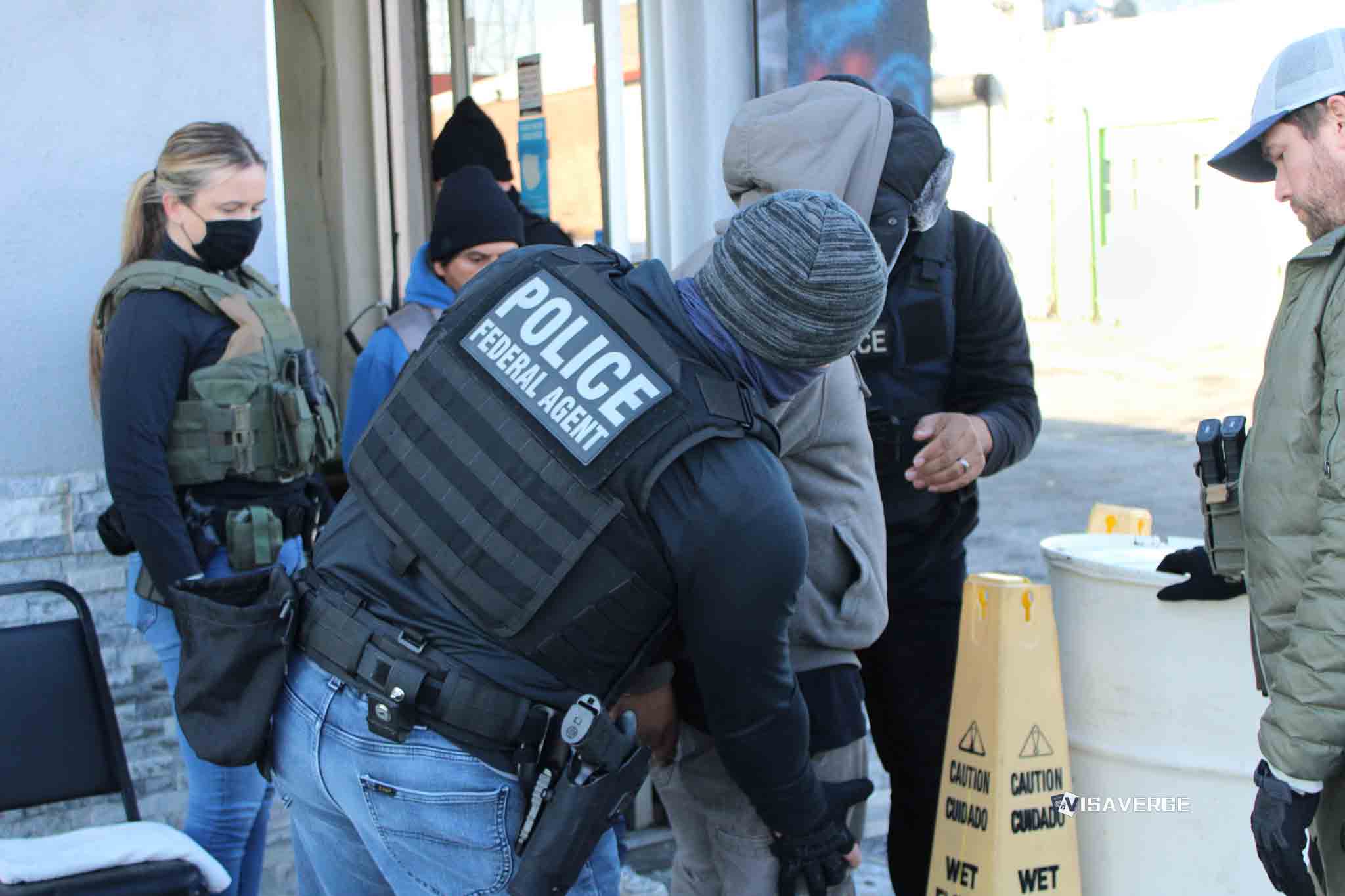
Limits on entry into non-public spaces. Civil immigration agents may not enter non-public spaces without proper legal authority. “Non-public spaces” typically means areas not open to the general public, such as staff-only offices, secure areas of schools, or restricted municipal work areas.
Exceptions preserved for lawful process and criminal enforcement. The order states it does not impede court orders, lawful warrants, or criminal law enforcement. That distinction matters. Federal immigration enforcement can be civil, criminal, or both, depending on the situation.
Key terms in plain language:
- Civil immigration enforcement generally refers to enforcement of the Immigration and Nationality Act’s civil removal system, including arrest authority and detention related to removal proceedings. See, for example, INA § 236 (detention pending removal proceedings) and INA § 287 (immigration officer powers).
- A lawful warrant/court order typically means a document issued by a judge or court. Administrative immigration paperwork may look “official” but may not be a judge-signed warrant. Whether a document is legally sufficient can be fact-specific.
- Criminal enforcement refers to investigations and arrests for criminal violations. Those can include state crimes and certain federal offenses.
Deadline: Because the Executive Order is effective immediately, city departments typically implement it at once through roll-call guidance, internal memos, or updated protocols.
3) Context and Background
The Executive Order was developed in consultation with multiple Newton stakeholders. Those include the Newton Police Department, School Superintendent Anna Nolin, School Committee leadership, City Council leadership, the City Solicitor, and the mayor’s executive team.
Mayor Laredo signed the order after meeting with Boston Mayor Michelle Wu and other regional mayors. The meeting’s stated purpose was opposing ICE actions associated with mass-deportation efforts.
Newton’s Welcoming City policy predates this Executive Order. The new order appears designed to restate and tighten operational expectations across city departments, including schools and city facilities.
4) Statements from Leadership
Mayor Laredo framed the Executive Order as a safety and dignity measure. He stated a commitment to the “safety, dignity, and well-being” of everyone who lives, works, or visits Newton.
He also emphasized continuity. He said Newton police will follow established protocols and long-standing practices to maintain the rule of law and prioritize public safety.
Readers should separate values-based messaging from enforceable directives. The enforceable change is the Executive Order’s operational limits on city property use, access to non-public spaces, and how city staff respond to civil immigration activity.
Warning: Public statements may explain intent, but day-to-day outcomes depend on training, supervision, and how “civil” versus “criminal” is classified in a specific incident.
5) Broader Context and Related Developments
No direct federal response to Newton’s Executive Order is noted in the available reporting.
The same reporting references other developments elsewhere. These include ICE detainee releases in Laredo, Texas, and a Minnesota federal court temporary restraining order related to detaining legally present refugees. It also notes criticism of expanded ICE workplace raids by leaders including U.S. Rep. Henry Cuellar.
Those developments do not automatically control what Newton can do. They arise from different jurisdictions, different facts, and different legal authorities. City policy in Newton is primarily a municipal governance decision. Federal litigation in Minnesota is a separate judicial process.
For readers who want to confirm baseline federal frameworks, start with the Immigration and Nationality Act at INA text and federal agency materials at ICE overview and EOIR court system.
Practical impact: who is affected and examples
Who is affected: City departments, employees, and city-controlled property are the primary actors. Community members may feel the impact when federal agents seek access to municipal spaces or request assistance.
Examples of how this may play out:
- A federal civil immigration team asks to use a municipal parking lot to stage operations. City staff should generally refuse under the property restriction.
- Agents request entry to a staff-only area of a city building. Absent a proper court order or lawful warrant, the order directs that access not be granted.
- During a protest, local police are directed to prioritize protester safety. This does not create immunity from lawful criminal enforcement.
Transition rules, challenges, and what to do next
Transition rules: The order is immediate. No grandfathering is described. That usually means ongoing arrangements involving city space may need prompt review.
Pending challenges: None are identified in the available materials. Future challenges, if any, would depend on specific enforcement disputes and the governing state and federal law.
Recommended actions and timeline:
- Within days: City-facing nonprofits, schools, and community groups should ask Newton for the updated departmental protocols and points of contact.
- Before any planned demonstration: Organizers should clarify public safety coordination expectations with local police.
- If approached by federal agents: Individuals should seek legal counsel promptly. Documentation and the exact paperwork presented may matter.
Resources
- AILA Lawyer Referral
- Immigration Advocates Network
⚖️ Legal Disclaimer: This article provides general information about immigration law and is not legal advice. Immigration cases are highly fact-specific, and laws vary by jurisdiction. Consult a qualified immigration attorney for advice about your specific situation.