- Jung Hoo Lee faced a procedural paperwork delay at LAX during CBP secondary inspection.
- A valid visa does not guarantee admission as CBP makes the final decision.
- Athletes and entertainers should carry original petition approval notices to avoid common entry delays.
(LOS ANGELES, CALIFORNIA) — A brief port-of-entry delay can be resolved in minutes—or spiral into missed events, canceled flights, or even refusal of admission—depending on whether a traveler can quickly prove work authorization and the purpose of entry.
That reality was on display this week when San Francisco Giants outfielder Jung Hoo Lee was held for additional screening at LAX and later released to continue his trip. The club described the episode as a procedural paperwork issue, a label that matters because many “detentions” at airports are not criminal arrests.
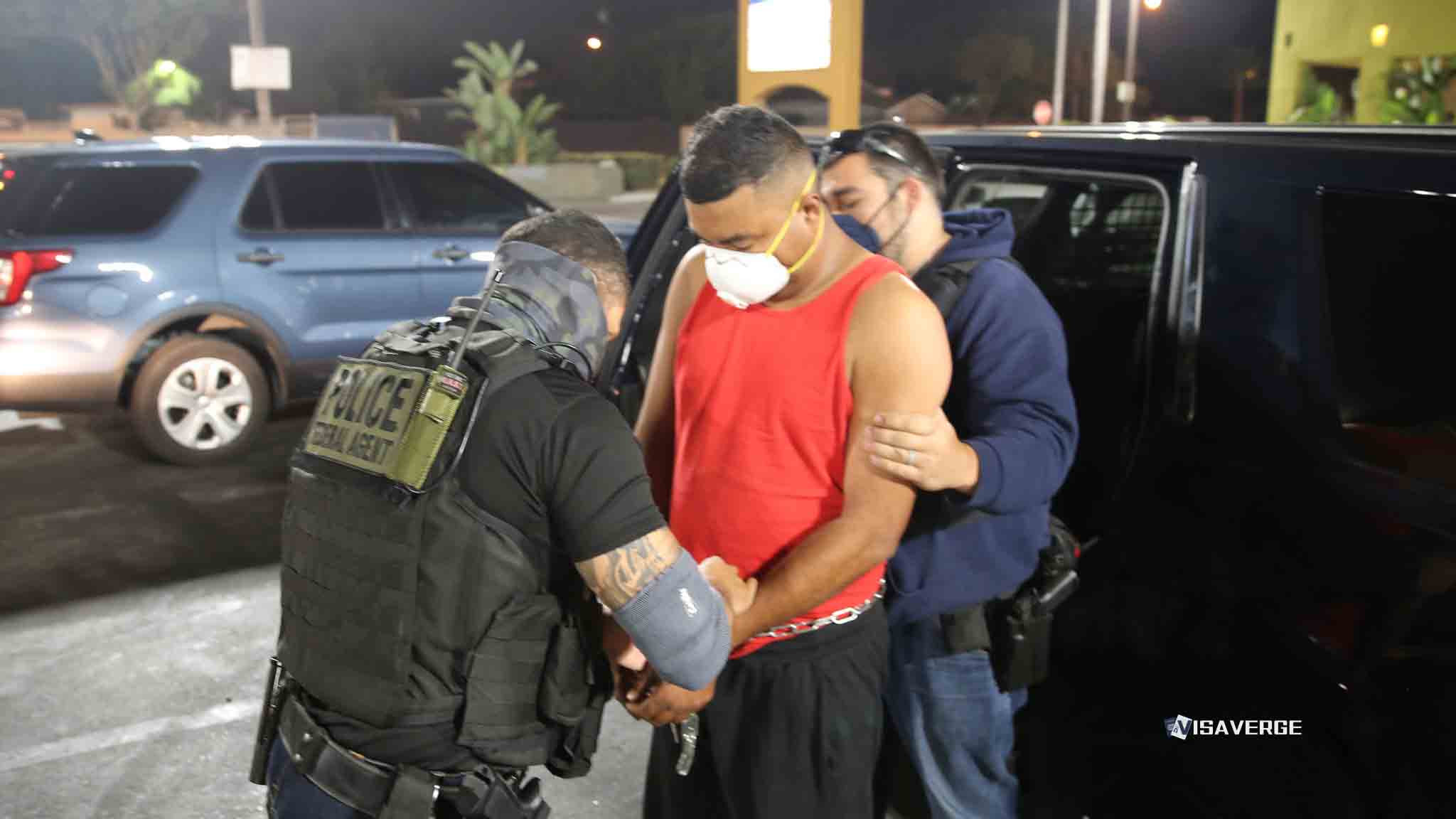
They are often CBP secondary inspection, a common administrative process used to verify admissibility and documentation.
Below is a process explainer of what secondary inspection is, what it accomplishes, and how work-authorized travelers—especially those entering on athlete or entertainment categories—can prepare.
1) Incident overview and timeline
According to statements from the Giants and reporting attributed to the player’s representatives, Lee arrived at LAX from South Korea and was routed into an inspection delay. CBP officers conducted additional checks and then cleared him to proceed.
In airport practice, the word “detained” can mean several things. It often refers to being kept in a controlled area during secondary inspection while officers confirm identity, review documents, and run database checks.
In many cases, the person is not under arrest, and the outcome can be admission after verification.
The publicly described sequence was straightforward: arrival, referral to secondary inspection, documentation verification, and release to continue travel. The exact date, release time, and reported duration have been summarized in the site’s incident TL;DR tool.
2) Official statements and reactions
The Giants’ spokesperson characterized the event as a paperwork problem that was “quickly clarified” and said Lee was cleared to continue. That type of framing is consistent with routine secondary inspection issues, where the question is not “Is there a visa?” but “Can the traveler prove the work-authorized purpose of entry right now?”
A spokesperson for Speaker Emerita Nancy Pelosi’s office said the office worked with the organization, congressional partners, and federal liaisons to help resolve the situation quickly. In practice, congressional offices sometimes make liaison inquiries when time is sensitive.
Those inquiries may help confirm where a case is in the queue or ensure the correct point of contact is reached. They do not require CBP to admit someone.
Agent Scott Boras described the episode as non-political and suggested a documentation oversight. That is attribution from a representative, not a formal agency finding.
As of this writing, CBP and DHS had not issued a public statement about the incident. That is not unusual. Individual airport inspections often do not generate a press release, even when they involve public figures.
Warning: Do not assume a lack of a press release means “nothing happened” or “wrongdoing occurred.” Many secondary inspections are routine and never become public.
3) Key facts and context: why valid travelers still get sent to secondary
A common public misconception is that a valid visa “guarantees entry.” It does not. A visa generally allows a traveler to request admission. CBP makes the admission decision at the port of entry. See INA § 235.
Even with valid status, secondary inspection may be triggered by issues that are practical rather than punitive, including:
- Missing or unclear supporting paperwork. For work-authorized categories, officers may ask for proof of petition approval or employer/sponsor details.
- Database or “name hit” checks. Similar names, prior travel history, or system flags may require manual confirmation.
- Questions about purpose of visit. If answers do not match the visa classification, officers may probe further.
- Travel context. Solo travel, tight schedules, and last-minute itinerary changes can slow sponsor verification.
For athletes and entertainers, CBP may try to confirm the sponsoring organization and the specific engagement. That is especially true when entry is tied to a scheduled event, media appearance, or tour stop.
What should be avoided is overclaiming the reason for a specific inspection when CBP has not confirmed it. From the public record here, the most that can be said is that the team and representatives described a documentation-related delay that was resolved.
4) Policy details and visa basics: P-1 athletes and the inspection process
Many professional athletes enter using the P-1 classification, which generally covers internationally recognized athletes and teams. The key concept is that the traveler is seeking admission for a work-authorized purpose tied to an approved petition.
USCIS vs. CBP: two different roles
- USCIS decides petition-based eligibility and issues approval notices. See INA § 214 and 8 C.F.R. § 214.2.
- CBP decides admission at the border and may verify identity, classification, and documentation. See INA § 235.
A traveler can have an approved petition and still be delayed if the officer cannot confirm the details quickly. CBP’s job is not only to check the visa foil. It is to confirm the person is admissible and entering for the stated purpose.
Core documents CBP typically expects at entry
Exact needs vary by classification and travel facts, but for petition-based work categories, travelers often carry:
- Passport valid for the intended stay
- Visa in the correct classification (if required)
- Proof of petition approval, often the Form I-797 approval notice or receipt information
- Sponsor/employer letter describing role, dates, and location(s)
- Itinerary or event schedule, if entry is tied to engagements
- Contact information for counsel and the sponsoring organization
CBP may also review information in government systems that links the traveler to a petition and employer.
What secondary inspection looks like
- A more detailed interview
- Review of documents
- Checks against internal databases
- Possible calls or emails to the sponsor or counsel
The goal is usually verification. But it can lead to different outcomes, including admission, withdrawal of application for admission, or expedited removal in limited scenarios. Those are decision points where facts matter.
Warning: If CBP offers “withdrawal of admission,” ask to speak with an attorney if possible. The consequences can differ from a formal removal order.
5) The step-by-step process: how to prepare for, handle, and respond to secondary inspection
Step 1: Before travel, confirm your classification and petition details
Documents to assemble:
- Passport and visa (if required).
- Form I-797 approval notice (or petition receipt details).
- Sponsor letter and itinerary.
Timeline: Start at least 1–2 weeks before departure when possible. Last-minute corrections are harder across time zones.
Step 2: Build a “port-of-entry packet” you can access offline
Documents to carry (paper + digital):
- I-797 copy
- Employer/sponsor contacts
- Attorney contact letter, if represented
- Prior I-94 record, if relevant, from CBP’s I-94 site
Potential delays: Dead batteries, no Wi‑Fi, and device searches can slow access to critical proof.
Step 3: At primary inspection, answer narrowly and consistently
State your purpose of entry and classification. Do not guess. If you are unsure, say you need to check your paperwork.
Decision point: If referred to secondary, stay calm. Referral is common and not an accusation.
Step 4: In secondary, present documents and ask what is missing
Offer your packet. If something is missing, ask whether a sponsor letter, I-797 copy, or counsel confirmation would help.
Potential delays: Sponsor verification can take time after business hours.
Deadline: If you have a time-sensitive event, notify the officer early. CBP may not accommodate schedules, but clarity can help triage.
Step 5: If CBP questions eligibility, consider counsel and avoid inconsistent statements
If the issue is a missing document, the solution may be simple. If the issue is classification or admissibility, outcomes vary.
Common mistakes that can cause denial or refusal of admission:
- Carrying no proof of petition approval
- Giving answers that suggest a different work purpose than the petition covers
- Relying on screenshots that do not show full approval details
- Traveling with outdated employer letters or mismatched dates
Step 6: After admission (or after a problem), document what happened
Write down names, badge numbers if available, and the sequence of events. If you were admitted, confirm your I-94 is correct soon after entry.
6) Typical timelines and what can slow things down
Secondary inspection can be brief, but it may last longer depending on staffing, system checks, and whether sponsors respond quickly.
Delays are more likely:
- Late at night or on weekends
- When the traveler is alone without immediate sponsor contact
- When documents are incomplete or inconsistent
7) Official sources: how to verify updates and interpret silence
For official public updates, start with the agencies’ own newsrooms and press release pages. DHS and CBP often publish major enforcement actions there, while USCIS posts benefit-related announcements.
The absence of a posting about an individual traveler is common and usually indicates the event was handled as a routine inspection matter, not a public-facing enforcement action.
When reading updates, check the agency domain, the date, and whether a named spokesperson is on the record. Avoid screenshots and reposted “statements” without a traceable agency origin.
When to involve an attorney
If you are petition-based (including P categories), have prior immigration violations, a criminal history, a prior visa refusal, or any mismatch between your paperwork and your travel purpose, consult a qualified immigration attorney before travel.
Time-sensitive travelers—teams, touring professionals, and event staff—often benefit from pre-arranged counsel contact for port-of-entry issues.
This article provides general information about immigration law and is not legal advice. Immigration cases are highly fact-specific, and laws vary by jurisdiction. Consult a qualified immigration attorney for advice about your specific situation.
Resources
– USCIS newsroom: USCIS newsroom