- A technical failure knocked IRCC portals offline for nine hours between March 27 and 28, 2026.
- IRCC granted an automatic 48-hour extension for all applicant deadlines falling within the outage window.
- The disruption was caused by a failed database replication update and involved no data breach.
(CANADA) — Immigration, Refugees and Citizenship Canada confirmed on March 28, 2026, that a nationwide technical failure knocked its secure portals offline for approximately nine hours and granted an automatic 48-hour blanket extension for applicants whose deadlines fell during the disruption.
The IRCC Portal Outage lasted from 22:05 EDT on March 27 to 07:01 EDT on March 28, 2026. IRCC attributed the failure to a “failed database replication update” and said no personal data was compromised.

The department said the 48-Hour Extension applied automatically to any application or document submission deadline within the outage window. IRCC said the measure was intended to mitigate “prejudice” against applicants whose Time-Sensitive Immigration Filings could not be submitted while the system was down.
Among the filings blocked during the outage were electronic Permanent Resident (PR) cards, Post-Graduation Work Permit (PGWP) extensions, Labour Market Impact Assessment (LMIA)-exempt employer compliance fees, biometrics response letters and additional document requests.
Affected clients received secure-message confirmations in their online accounts by 18:00 EDT on March 28, 2026. For applicants in Canada, that confirmation became the operative notice that their deadline had shifted by 48 hours.
The outage and extension created a short but broad disruption because IRCC relies heavily on digital submissions for routine immigration processing. Applicants attempting to upload documents or complete payment steps during the overnight outage could not access the secure portals needed to finish those transactions.
That made the timing especially important for people facing fixed submission dates. Permanent resident card requests, work permit extensions and responses to document demands often depend on exact filing windows, leaving little room for delay when an online system fails.
IRCC’s response was narrower than a policy change but direct in effect. Rather than requiring individual requests for relief, the department applied a blanket extension to every deadline that fell inside the outage period.
The automatic approach also reduced the need for applicants to prove they were affected. Anyone whose filing date landed between 22:05 EDT on March 27 and 07:01 EDT on March 28, 2026, fell under the extension.
IRCC did not report a data breach. That point was central to the department’s explanation, because the outage involved a technical failure in database replication rather than a compromise of client records.
For many applicants, the practical effect was less about system security than about timing. A missed upload, unpaid employer compliance fee or unanswered document request can affect the progress of a case even when the interruption lasts less than a day.
The department said backlog clearing was underway after services resumed. By the evening of March 28, clients had been notified in their accounts, giving them a formal confirmation of their revised deadline and allowing submissions to restart.
People checking for updates were directed to IRCC notices on the department’s official notices page. For those hit by the IRCC Portal Outage, the secure message in their online account was the document that confirmed the new 48-hour window.
U.S. Immigration and Homeland Security During the Same Weekend
The Canadian disruption unfolded as U.S. immigration and homeland security agencies faced a separate strain. No IRCC-style portal outage was reported by U.S. Citizenship and Immigration Services on those dates, but the Department of Homeland Security remained in a partial government shutdown that began on February 14, 2026.
As of March 29, 2026, that shutdown had entered its 44th day. USCIS, which is primarily fee-funded, remained mostly operational even as other DHS components faced mounting pressure.
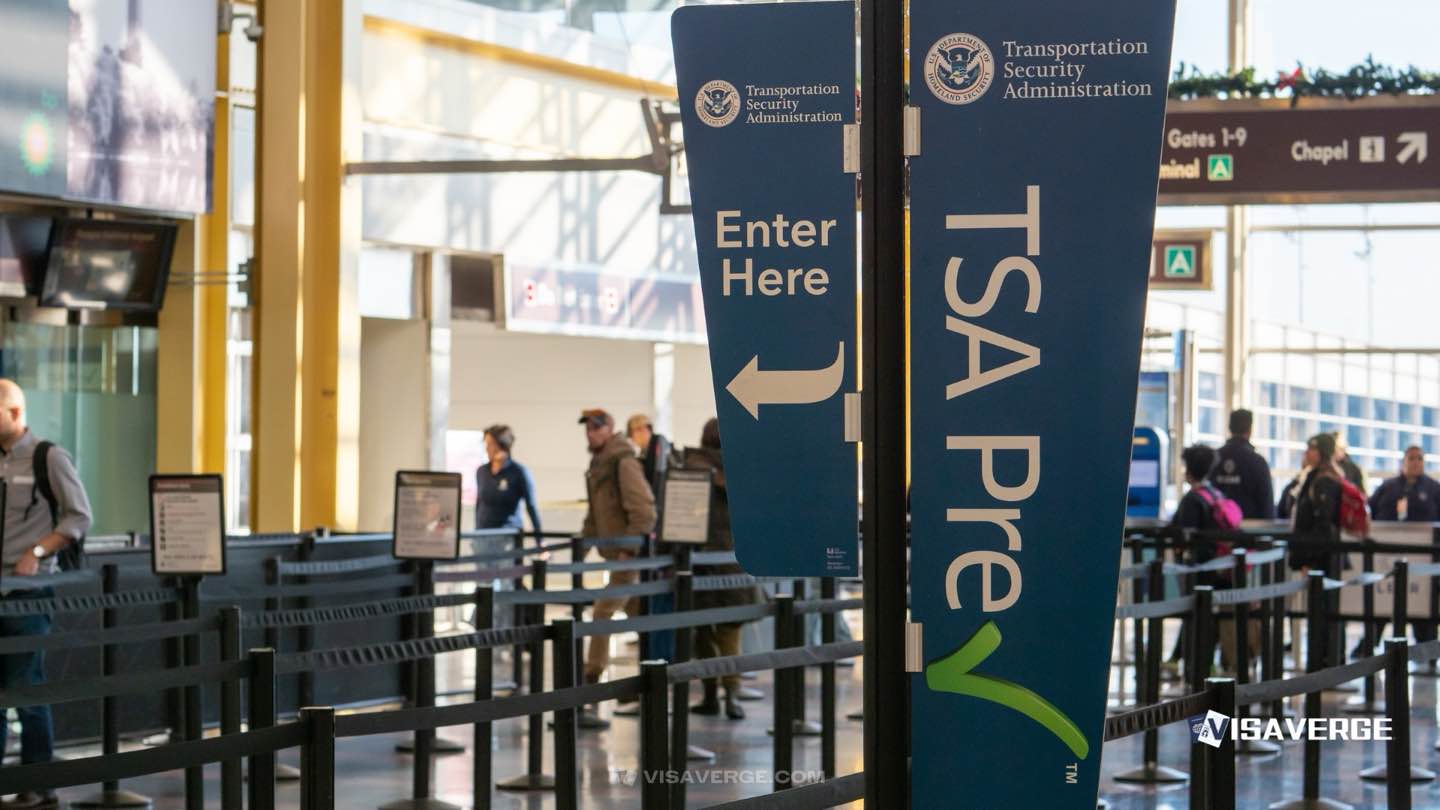
President Trump signed an executive order on March 28, 2026, directing DHS to immediately issue back-pay to TSA officers who had been working without wages for six weeks. The order aimed to curb “call-outs” and resignations that had led to 3-hour security lines at major hubs like Houston and Atlanta.
That U.S. picture stood in contrast to Canada’s short, systems-based interruption. In Canada, the immediate issue was a temporary inability to file online and an across-the-board extension; in the United States, the broader strain came from a 44-day funding crisis affecting airport operations and parts of DHS.
USCIS said in March 2026 that regular immigration case processing would continue despite the shutdown. “The majority of USCIS employees continue working through the shutdown. Your H-1B petition, green card application, and naturalization case are still being processed. Do not panic; keep checking your case status.”
That assurance matters for applicants with pending employment and family-based cases in the United States. It also provides a cross-border contrast for people comparing the Canadian outage with U.S. processing, because USCIS reported continuity in filings while IRCC had to pause some online functions and issue temporary relief.
The U.S. shutdown still disrupted travel-related programs. Official reports said U.S. Customs and Border Protection froze overtime for Global Entry enrollment centers, causing interview delays at 30 U.S. airports.
Those delays did not affect USCIS case adjudications directly, but they did add pressure for travelers already dealing with TSA staffing shortages. For readers following both countries, the result was two different operational stories on the same weekend: Canada confronted a portal failure and adopted a 48-Hour Extension, while the United States kept immigration filings moving but struggled with airport-side fallout from the shutdown.
The side-by-side comparison for March 28–29, 2026, was stark. IRCC dealt with a 9-hour outage, automatic extensions and backlog clearing, while USCIS and DHS contended with a 44-day partial shutdown, a presidential back-pay order for TSA officers, ongoing case processing and Global Entry delays.
What the Extension Meant for Applicants
For applicants in Canada, the first question was whether a deadline fell inside the outage window. If it did, the extension applied automatically, covering submissions that could not be completed while the portal was unavailable.
That included several categories where timing can be unforgiving. A permanent resident card application submitted electronically, a PGWP extension filed at the end of a study-to-work transition, an LMIA-exempt employer compliance fee payment, or a response to a biometrics or ADR request could all become urgent if a system goes dark near deadline.
The department’s decision to notify clients through secure messages by 18:00 EDT on March 28, 2026, gave applicants a single place to verify their new due date. It also limited uncertainty for those who may have tried to submit during the outage but could not tell whether an upload or payment attempt had registered.
IRCC did not frame the extension as discretionary. The blanket structure suggested that applicants did not need to seek case-by-case relief if their deadline landed within the outage period.
That matters for Time-Sensitive Immigration Filings because immigration deadlines often depend on portal timestamps rather than business-day grace periods. By shifting the date automatically, IRCC reduced the risk that a technical breakdown would leave applicants arguing later about whether they had acted in time.
In the United States, the guidance pointed in a different direction. USCIS directed applicants to continue with H-1B, green card and naturalization filings as usual, even as the wider DHS shutdown dragged on.
Travelers, however, faced a more uncertain environment. CBP’s overtime freeze for Global Entry enrollment centers and TSA staffing strains created delays that were operational rather than adjudicative, affecting airport movement rather than immigration case intake.
Readers seeking updates were directed to the agencies’ public channels: IRCC’s official notices page, the USCIS Newsroom and DHS News. In Canada, the more immediate step remained checking the secure message in an online IRCC account for the revised filing date created by the outage.
For applicants caught in the March 27-28 disruption, the central facts were straightforward. The portal failed for approximately nine hours, IRCC said a “failed database replication update” caused the outage, no personal data was compromised, and any deadline that fell within that window received a 48-hour extension.
For readers comparing systems across the border, the weekend offered a clear split screen: Canada restored its portal and reset deadlines after a short outage, while U.S. immigration filings continued through a shutdown that still left airport lines stretching for hours and Global Entry interviews delayed at 30 airports.