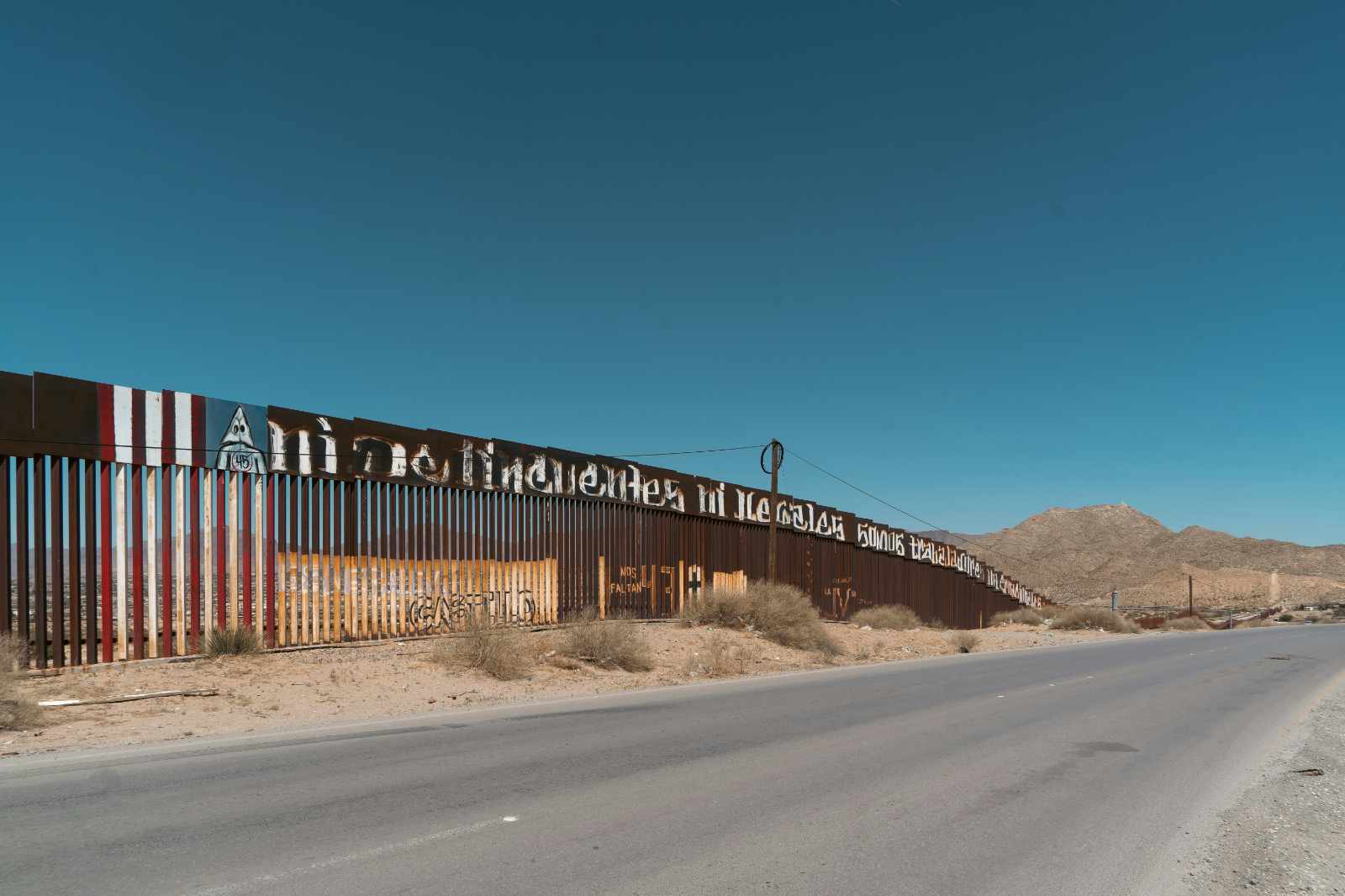
- Verify local ICE activity by tracking primary government records to separate confirmed facts from community rumors.
- Local enforcement often occurs through jail-based cooperation and detainers rather than street-level immigration checks.
- Individuals in custody should request legal counsel before signing any documents to avoid fast-tracked removal.
(TEXAS) — Immigration enforcement in Brazos County can be hard to pin down in real time, but residents, employers, students, and mixed-status families can still follow a reliable process to verify claims, track policy shifts, and respond safely if ICE activity touches their lives.
What this process accomplishes is simple: it helps you separate confirmed information from rumor, document what happened with dates and locations, and identify the correct legal pathway if someone is arrested or placed into removal proceedings. It also helps community leaders summarize community reactions responsibly without repeating misinformation.
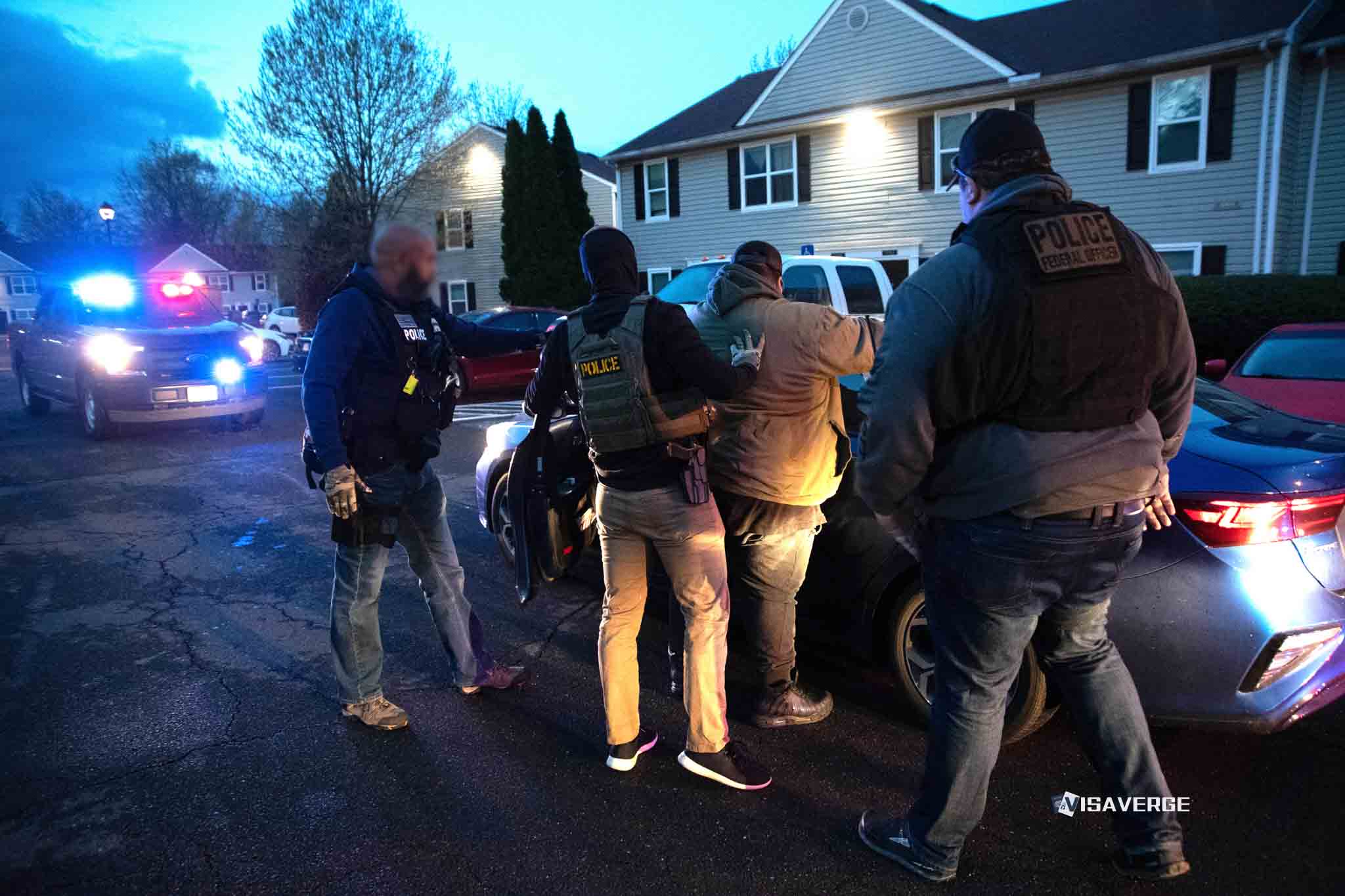
Because public data is often incomplete, especially at the county level, this guide focuses on verification methods and the legal “pipes” through which ICE operations typically become visible.
1) Overview: what “immigration enforcement in Brazos County” can mean locally
“Immigration enforcement in Brazos County” may refer to several different settings. Some are federal. Some involve local law enforcement contact that later triggers federal action.
Common local touchpoints include jail intake after an arrest, traffic-stop arrests that lead to booking, courthouse arrests, and transfers from a county jail to ICE custody. Federal enforcement can also happen through targeted arrests at residences or workplaces.
What is not automatically confirmed is the claim that a given arrest “was ICE,” or that it was part of a particular initiative. Geography can be misreported, and posts often omit key details.
County-specific enforcement claims are strongest when supported by primary records. Examples include official press releases, jail booking records with transfer notes, court filings, or statements on verified government channels. Credible journalism can help when it names sources and dates.
2) How ICE operations are reported (and why Brazos County details can be hard to confirm)
In everyday speech, people call many actions an “operation.” In practice, that word may cover very different events.
Common categories include targeted arrests by ICE Enforcement and Removal Operations (ERO), jail pickups following a detainer request, transfers after immigration interviews in custody, and workplace or site actions involving multiple agencies.
To evaluate any report, look for identifiers that allow verification. Those include the date, the specific location, the arresting agency, the stated basis for the arrest, and where the person was taken. “Taken to jail” and “taken to ICE” are not the same.
Information is often incomplete for lawful reasons and practical ones. Arrest records can be shielded, investigations can be ongoing, and agencies may release only broad regional summaries. Media aggregation can also shift an event from “Texas” to the wrong county.
For baseline federal information, readers can start with ICE ERO updates on the official ICE site.
Warning: Treat anonymous posts and forwarded screenshots as unverified until you confirm the date, location, and agency. Old incidents often recirculate without context.
3) Local enforcement mechanisms and cooperation (including 287(g) and jail-based pathways)
Federal-local contact most often happens through booking and custody processes, not street-level “immigration checks” by local police.
A key legal framework is INA § 287(g), which allows DHS to enter agreements with certain local agencies. The statute is at 8 U.S.C. § 1357(g). In general terms, 287(g) models may authorize trained local personnel to perform limited immigration screening functions in a jail setting.
Even without a 287(g) agreement, cooperation may occur through information sharing and fingerprints taken at booking. Detainer requests are addressed in 8 C.F.R. § 287.7. Detainers are requests, but they can affect whether someone is held for ICE pickup.
For noncitizens, decision points often arise during booking and custody. People may be asked about place of birth, immigration status, or asked to sign documents. A person may also be interviewed by ICE while in local custody.
Basic rights still matter. Many people can choose to remain silent. Many can request counsel before signing anything. Do not sign forms you do not understand, including papers presented as “release” documents.
Warning: Signing paperwork in custody can trigger fast removal pathways for some people. Ask for an immigration attorney before signing, when possible.
4) Community reactions and public responses: how to document them responsibly
Community responses to immigration enforcement in Brazos County often come from predictable stakeholders. These include residents, faith groups, advocacy organizations, school leaders, local elected officials, and law enforcement leadership.
Not all statements carry the same weight. Official statements usually appear as press releases, posted agendas and minutes, recorded public meetings, or verified government accounts. Those sources allow you to cite dates and exact wording.
Anecdotal reports can still be valuable as leads. They should be labeled as unconfirmed and paired with a verification attempt. When summarizing community reactions, avoid generalizing from one event to an entire county.
If you quote people, keep the location, date, and what they personally observed clear. Do not assume an observer can identify ICE versus another agency without documentation.
5) Local policy landscape and potential changes to watch
Immigration-adjacent policy shifts often show up indirectly. They may appear as changes in jail procedures, training budgets, new contracts, or public safety initiatives.
Places to watch include sheriff’s office statements, jail policies, county commissioner agendas, and city council agendas. School districts may also publish guidance on campus access and student privacy.
State-level funding or directives can influence local posture even without a formal federal agreement. That is why a “policy change” can be a budget item or a memorandum of understanding, not only a headline announcement.
What “potential change” means in a guide context is limited. It means there may be an upcoming vote, procurement, or policy revision that affects how often ICE can access people in custody.
6) How to verify Brazos County-specific information (step-by-step)
This workflow is built for residents, journalists, advocates, and attorneys who need to confirm facts without overstating them.
Step 1 — Define the claim precisely
Write down what is being alleged. Include the alleged date, address or facility, and which agency was involved.
Documents to gather: screenshots, links, names of posters, and any stated case numbers.
Timeline: same day, ideally. Memory and posts change quickly.
Step 2 — Identify the exact location and the “custody path”
Determine whether the person was in city police custody, the county jail, or directly in ICE custody. That distinction shapes what records exist.
Documents to gather: jail booking information, bond paperwork, and any release paperwork.
Decision point: “Booked locally” versus “taken by ICE” leads to different record trails.
Step 3 — Check primary government sources first
Look for official statements and updates. ICE’s public pages can confirm regional actions, even if not county-specific.
Use official court portals if you have an A-number and know the court. EOIR’s main site is here: EOIR (Immigration Courts)
Documents to gather: the A-number, full legal name, date of birth, and hearing notices if any.
Step 4 — If the person may be in immigration proceedings, confirm case posture
If removal proceedings are filed, there will typically be a Notice to Appear under INA § 239. People may later receive a hearing notice from the immigration court.
Documents to gather: Notice to Appear, hearing notice, and any custody determination paperwork.
Timeline: filing and scheduling can take days to weeks, and longer in busy courts.
Deadline: Missing an immigration court hearing can result in an in absentia removal order under INA § 240(b)(5). Treat any hearing notice as time-sensitive.
Step 5 — Use FOIA strategically when public records are thin
When facts cannot be confirmed from public sources, a Freedom of Information Act request may help. DHS accepts requests through its FOIA portal.
Documents to gather: identity proof, a signed authorization if requesting for someone else, A-number, and relevant dates.
Timeline: FOIA can take weeks to months. It may not help with urgent custody issues.
Step 6 — Corroborate with a second independent source and document uncertainty
Before repeating a claim publicly, match it with a second source that is independent. If you cannot corroborate, say so clearly and avoid implying certainty.
Common mistakes: confusing county names, repeating old incidents, and assuming all jail transfers are “operations.”
Step 7 — If someone is detained, identify the legal track early
Detention can lead to bond proceedings or mandatory detention arguments, depending on the case. Arrest circumstances may also matter in litigation, including suppression arguments in narrow scenarios. See Matter of Barcenas, 19 I&N Dec. 609 (BIA 1988).
Decision point: bond-eligible versus not bond-eligible affects urgency and strategy.
Attorney note: these determinations are fact-specific and circuit law can vary.
When to get attorney help
Attorney assistance is especially important if there is a prior removal order, a criminal history, a pending asylum claim, or a risk of expedited removal. It is also important before signing any ICE documents in custody.
To find qualified counsel, many people start with the EOIR directory of legal information and the major referral networks.
Official legal resources
- ICE ERO
- EOIR (Immigration Courts)
- DHS FOIA
⚖️ Legal Disclaimer: This article provides general information about immigration law and is not legal advice. Immigration cases are highly fact-specific, and laws vary by jurisdiction. Consult a qualified immigration attorney for advice about your specific situation.
Resources: