- Illinois officials filed housing discrimination charges against owners of a South Shore building following a 2025 immigration raid.
- State allegations suggest property managers collaborated with federal agents to intimidate and remove Black and Hispanic immigrant tenants.
- Displaced residents face severe immigration paperwork risks due to lost documents and missed USCIS mailing deadlines after the eviction.
(CHICAGO, ILLINOIS) — Illinois civil rights officials say the most urgent legal question after the South Shore immigration raid is no longer limited to what federal agents did inside an apartment building, but whether the building’s owners and managers helped set the raid in motion in a way that displaced tenants based on race.
Section 1: Overview of the South Shore raid and current status
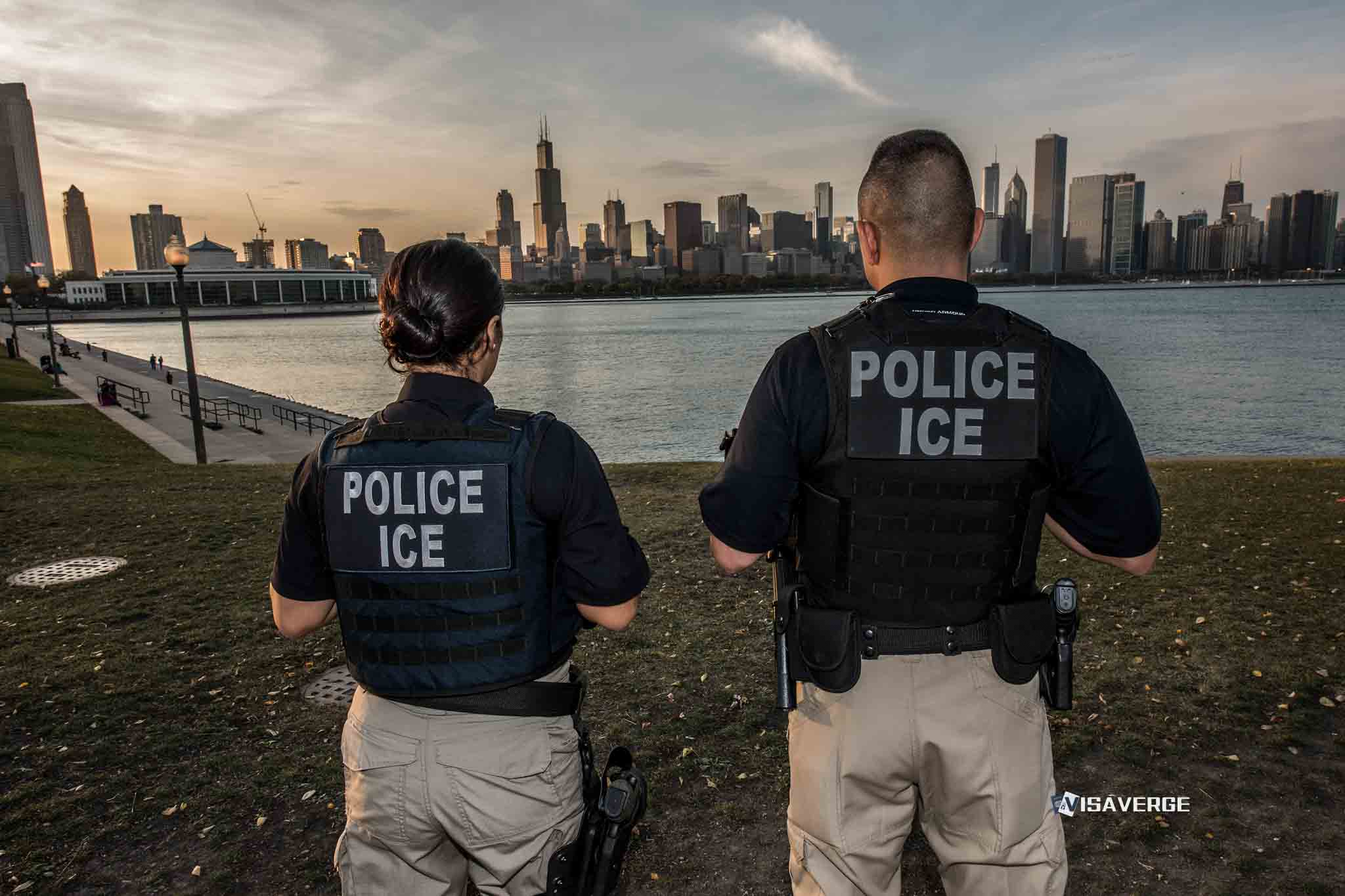
On September 30, 2025, federal agents carried out a high-profile immigration operation at 7500 S. South Shore Drive, Chicago. That raid later became tied to a cascade of housing consequences, including an emergency eviction by December 12, 2025 after the building was declared a fire trap.
Now, the key development is at the state level. On January 22, 2026, the Illinois Department of Human Rights (IDHR) filed housing discrimination charges against the owners and managers of that South Shore Drive building.
The filing targets property decision-makers rather than focusing only on federal enforcement tactics. IDHR’s core allegation is serious and specific: state officials allege that property management collaborated with federal agents and “tipped off” federal officials about Venezuelan immigrants as a way to intimidate and remove Black and Hispanic tenants, tied to racial stereotypes and hostility.
IDHR frames this as an alleged pattern, not an isolated incident. For immigrant residents, the stakes can be immediate: a raid followed by displacement can mean lost mail, lost documents, and missed deadlines affecting USCIS notices, biometrics appointments, and hearing dates.
Fear can do the rest: people stop answering phones, stop opening doors, and sometimes stop checking the mailbox. Several key dates are driving the legal and political timeline, including the raid itself, the governor’s public statement, and the IDHR filing in January 2026.
Readers should track those dates carefully, since small timing differences can matter in both housing and immigration paperwork.
Section 2: Official statements and government actions (what was said and by whom)
IDHR describes its action as a civil rights and housing discrimination enforcement step. That posture matters: a charge is not a final ruling, and it does not decide anyone’s immigration status.
Still, a state civil rights case can shape housing stability for families who need a safe, consistent address for legal mail. IDHR Director Jim Bennett said the alleged conduct extended beyond one day’s events.
“The conduct alleged in this matter reflects more than isolated harm. It describes a pattern of intimidation that reverberates through our communities.” — IDHR Director Jim Bennett, statement dated January 22, 2026.
Political leadership has also weighed in. Governor JB Pritzker issued a statement on January 21, 2026, condemning the alleged cooperation and emphasizing state law limits on discrimination.
“State law prohibits discrimination, and that includes aiding or abetting conduct intended to interfere with housing and civil rights.” — Governor JB Pritzker, January 21, 2026.
Readers should separate three things when parsing these statements: established facts (dates, filings, agencies involved, building address); allegations (claims of collaboration, intimidation, and race-based displacement); and procedural posture (an IDHR charge begins a legal process; it is not a verdict).
Be vigilant for official updates from IDHR, DHS, and USCIS; verify dates and statements before sharing on social platforms or with clients.
Federal officials, for their part, have defended the operation. Gregory Bovino, identified as a U.S. Chief Patrol Agent, told an interviewer on October 1, 2025 that U.S. citizens were detained and said: “We generally don’t determine alienage while in the building. no rights have been violated today.”
Section 3: Federal operation details and context (Operation Midway Blitz)
The South Shore raid was described as part of “Operation Midway Blitz,” a federal immigration enforcement surge in Chicago that began in September 2025. The raid sits within that broader operation, which has drawn questions from elected officials and legal observers about due process and the treatment of residents who were not targets.
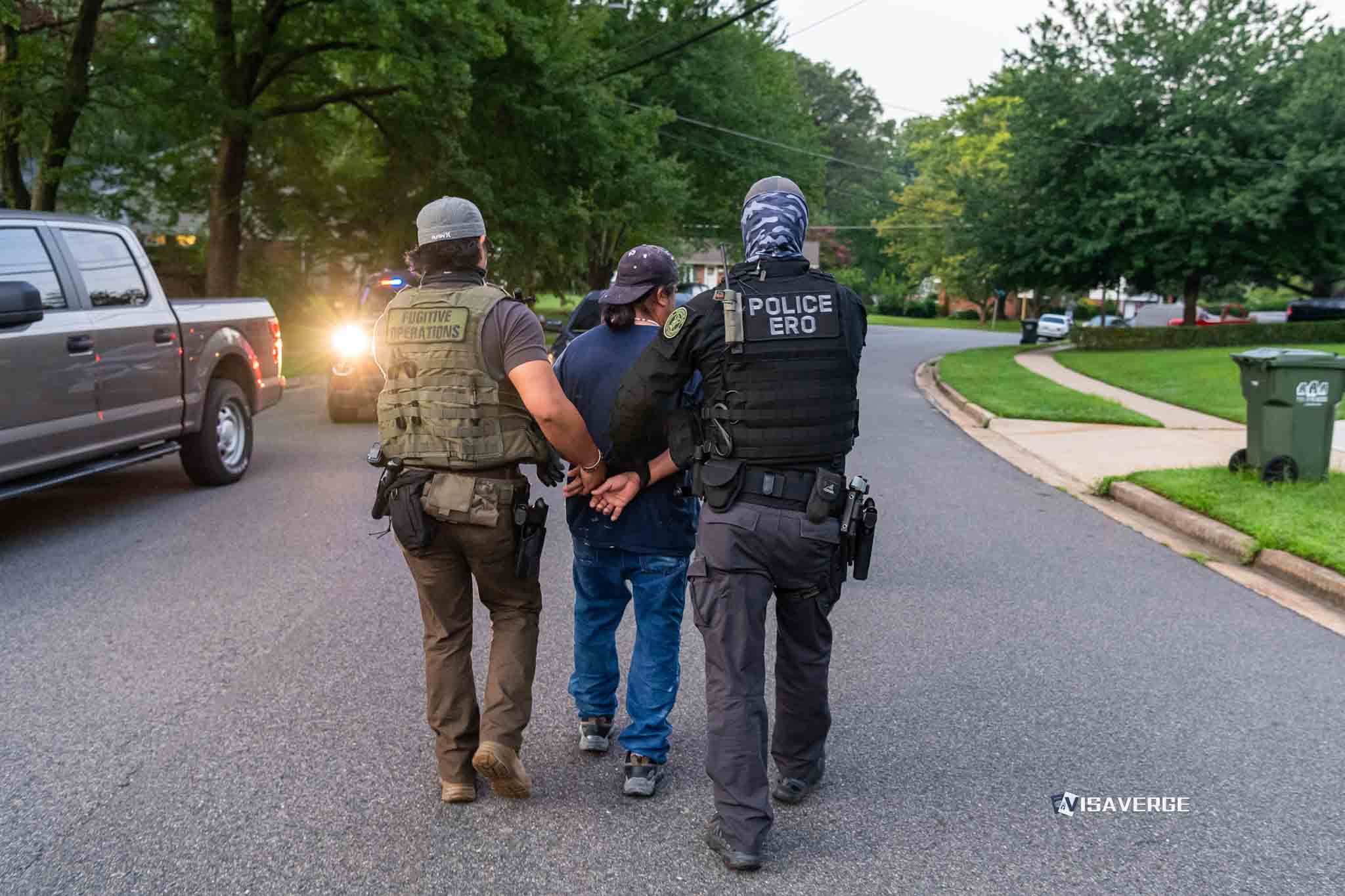
Reported tactics included agents in military fatigues, rappelling from Black Hawk helicopters, use of flashbang grenades, explosive breaches, and residents being zip-tied, including women and children. Those details matter for immigration cases because chaos breaks paper trails and makes it harder to preserve evidence and personal documents.
Federal agencies framed the raid as a public safety action. The DHS Press Office said 37 people were arrested and described the building as a location known to be frequented by Tren de Aragua members. Federal officials have not confirmed publicly that any of the 37 arrested were confirmed members of that group.
Separate reporting and statements from legal observers and Congressional members have indicated that at least 70% of those arrested in the broader Operation Midway Blitz during 2025 had no criminal record. That claim has been cited to argue that wide-net tactics can sweep up people with pending immigration matters and no criminal history.
One useful distinction for readers: criminal enforcement can involve arrests tied to alleged crimes; civil immigration enforcement can involve detention and removal processes; and housing and civil rights enforcement (like IDHR charges) focuses on discrimination, access to housing, and retaliation. Those tracks can collide in real life but remain legally separate.
Interactive tool note: a dedicated interactive timeline and data tool will present detailed breakdowns of the operation-wide numbers (arrests, criminal-record share, and related metrics) and show how those figures were reported over time. Consult that tool for structured charts and per-incident context.
Section 4: Legal and political actions linked to the raid
Illinois officials have pursued more than one pathway since the raid. On January 12, 2026, Kwame Raoul, acting as the Illinois Attorney General, and the City of Chicago sued DHS and the Trump administration.
At a high level, state lawsuits like this typically seek court orders that restrict future conduct, require accountability steps, or clarify legal limits on enforcement tactics. Timelines can be slow, and early court hearings may focus on procedure rather than the raid’s full factual record.
A separate political track followed the next day. On January 13, 2026, Representative Robin Kelly introduced articles of impeachment against Kristi Noem, citing the South Shore raid as a “violation of public trust” and “unnecessary use of force” against U.S. citizens.
Impeachment is a constitutional process, not a personal remedy for tenants. Even if it gains momentum, it does not automatically change an individual’s removal case or a USCIS filing.
Where IDHR fits: state housing discrimination enforcement may affect whether tenants can obtain remedies tied to displacement or retaliation by landlords and managers. That is different from challenging a federal arrest, but housing stability can shape whether immigrants can keep appointments, receive notices, and maintain a consistent record for their cases.
| Actor/Entity | Action | Date | Implication for Immigrants |
|---|---|---|---|
| ICE / DHS | South Shore raid at 7500 S. South Shore Drive | September 30, 2025 | Detention risk, trauma, document loss, missed USCIS mail |
| Gregory Bovino | Public comment on detentions and “alienage” checks | October 1, 2025 | Signals enforcement posture; may affect complaint narratives |
| Kristi Noem / DHS | Public defense of the operation; “war zone” comment reported | October 5, 2025 | Raises stakes of political dispute; does not decide any case |
| Cook County judge | Building deemed a fire trap; displacement followed | December 12, 2025 | Forced moves can break address continuity for USCIS and court |
| Illinois Attorney General / City of Chicago | Lawsuit against DHS | January 12, 2026 | May limit tactics over time; not immediate relief for filings |
| Robin Kelly / House process | Articles of impeachment against Kristi Noem | January 13, 2026 | Political accountability track; no automatic case benefit |
| Illinois Department of Human Rights (IDHR) | Housing discrimination charges vs. owners/managers | January 22, 2026 | Focuses on landlord conduct and displacement tied to race |
Be vigilant for official updates from IDHR, DHS, and USCIS; verify dates and statements before sharing on social platforms or with clients.
Section 5: Impact on affected individuals and housing implications
Displacement is not only a housing crisis; it can become an immigration paperwork crisis within days. After the raid, residents reported ransacked units, doors blown off hinges, and belongings thrown out.
Families described children being forced outside without adequate clothing during overnight events. Those accounts should be handled carefully, but the downstream risk is straightforward: people lose passports, identity documents, receipts, and copies of filings.
Once a building empties under emergency eviction pressure, mail delivery becomes unreliable. USCIS notices can include appointment letters for biometrics, interview notices, and evidence requests; missing a single letter can trigger delays and, in some cases, denials for abandonment if an appointment is missed without rescheduling.
Housing loss also makes it harder to reach counsel: phones may be lost or batteries die, voicemail boxes fill up, and even a strong case can be damaged by silence and missed deadlines. An interactive tool will be provided to visualize individual-level impacts and housing displacement timelines for affected tenants.
If you are a tenant or someone with an active USCIS matter at 7500 S. South Shore Drive: document displacement, notify your attorney, and update address with USCIS and any applicable immigration court immediately.
Section 6: Immigration-case considerations: USCIS filings, notices, and common risk points after displacement
People connected to 7500 S. South Shore Drive who have immigration matters should treat address stability as part of case integrity. USCIS relies heavily on mailed notices; after a sudden move, common risk points include RFEs (Requests for Evidence) and NOIDs (Notices of Intent to Deny) going to an old address.
- Biometrics appointments missed because the letter never arrives
- Interview notices lost during property damage or chaotic relocation
- Receipt notices (often on Form I-797) misplaced, making it harder to prove filing history
Address management often requires more than one update: many applicants can update an address through official USCIS tools at uscis.gov, including my.uscis.gov and egov.uscis.gov. If a case is in immigration court, updating USCIS alone may not update the court record; a separate update is typically required.
Document reconstruction helps: copies of filings, old envelopes, text messages from landlords, photos of damaged doors, and any written notices about eviction dates can matter later. If a lawyer is involved, confirm that a G-28 (notice of attorney appearance) is on file and that counsel has the correct contact details.
Detention, an NTA, prior removal orders, or any criminal allegations call for immediate individual legal guidance. Outcomes vary widely by facts, jurisdiction, and record history.
Section 7: Geography, timing, and key location details readers should track
7500 S. South Shore Drive, Chicago is more than a headline detail. Precise location can affect jurisdiction, which agency office responded, and where records may sit.
Building-level evidence often comes from ordinary sources: property management notices, maintenance logs, text messages, eviction postings, and tenant rosters. Keep originals when possible and save screenshots too.
For immigration cases, even proof of residence changes can support explanations for missed mail or missed appointments.
Section 8: How to verify updates through official channels (without relying on rumors)
Start with primary agencies and named officials. For this situation, that often means IDHR public updates, DHS and ICE announcements, and postings from the House Judiciary/Homeland Security Committee. Court dockets can also confirm whether filings occurred and on what dates.
Cross-check before sharing: match the spelling of names like Jim Bennett, Governor JB Pritzker, Kwame Raoul, Robin Kelly, Gregory Bovino, and Kristi Noem. Confirm the address line is 7500 S. South Shore Drive and compare dates to official releases.
Avoid scams that play on fear. Do not pay strangers who claim they can “fix” a case. Real case status checks happen through official USCIS channels at uscis.gov, not through unsolicited calls.
Be vigilant for official updates from IDHR, DHS, and USCIS; verify dates and statements before sharing on social platforms or with clients.
This article discusses ongoing legal cases and government actions. Information reflects official statements and documented filings; it is not legal advice. Readers should consult an attorney for individual immigration guidance. Dates and facts are drawn from official sources as cited and are subject to change with new developments.