- ICE street arrests in New York City have surged by 212 percent under current administration policies.
- The Matter of Barcenas precedent places the burden of proof on immigrants to challenge arrest evidence.
- Enforcement increasingly targets individuals without any criminal convictions, impacting communities like Queens and Chinatown.
(NEW YORK CITY) — A key immigration-court precedent, Matter of Barcenas, 19 I&N Dec. 609 (BIA 1988), continues to shape what happens after ICE street arrests: it makes it hard for respondents to suppress evidence in removal proceedings unless they first make a detailed, prima facie showing of a constitutional or regulatory violation.
In practical terms, as ICE street arrests rise in the greater New York City area, more people may enter removal proceedings with fewer viable ways to exclude arrest-derived evidence, even when the arrest feels sudden or aggressive.
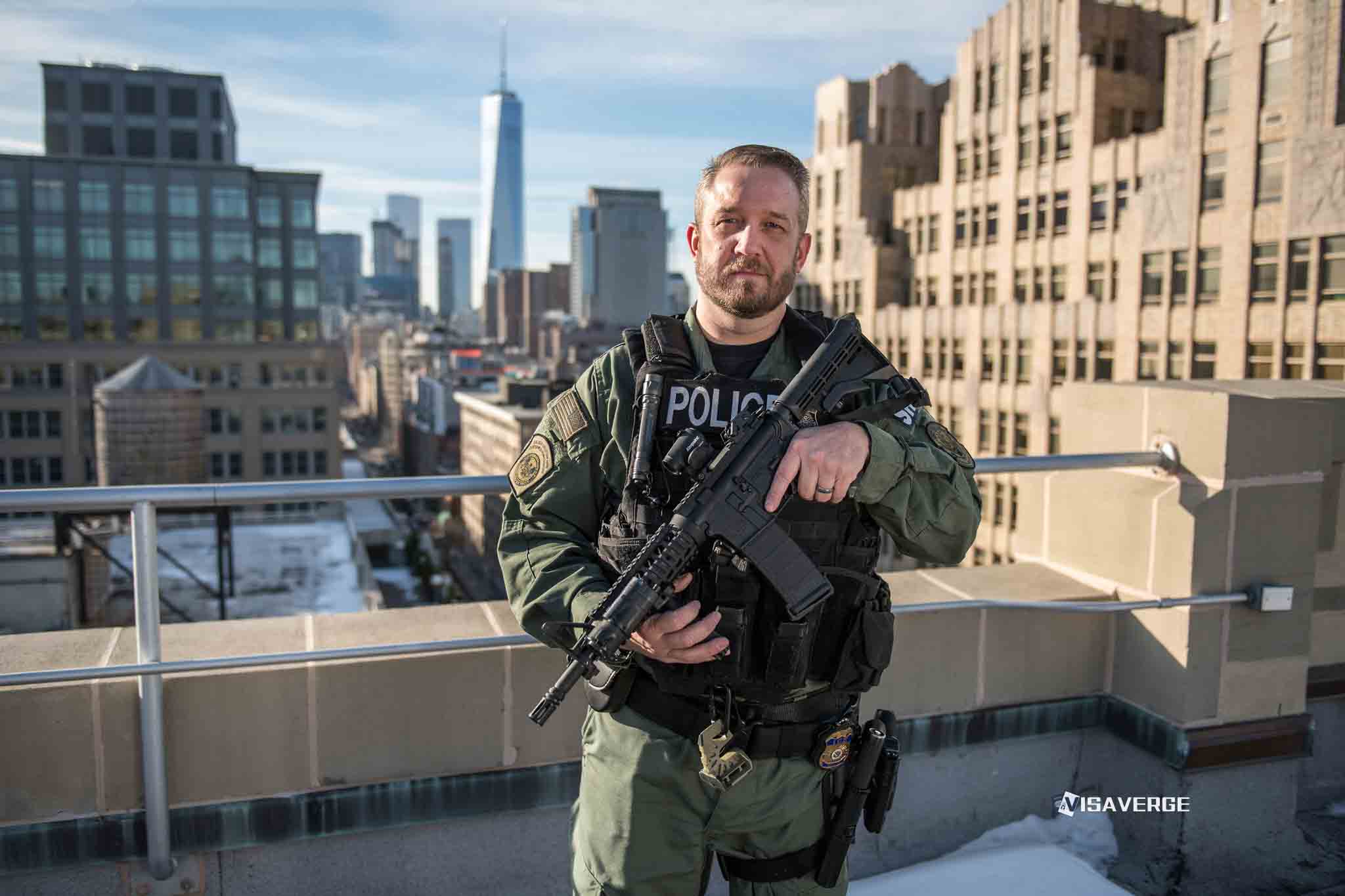
That legal reality matters now because public reporting and agency statements describe a sharp increase in street-level enforcement under the current Trump administration, including arrests of people with no criminal convictions.
For mixed-status families, employers, schools, and immigrant communities—particularly in areas like Chinatown and Queens—Barcenas is a reminder that “how the arrest happened” is legally important, but proving it is often the hardest part.
1. Overview of the 212% Increase in NYC ICE Street Arrests
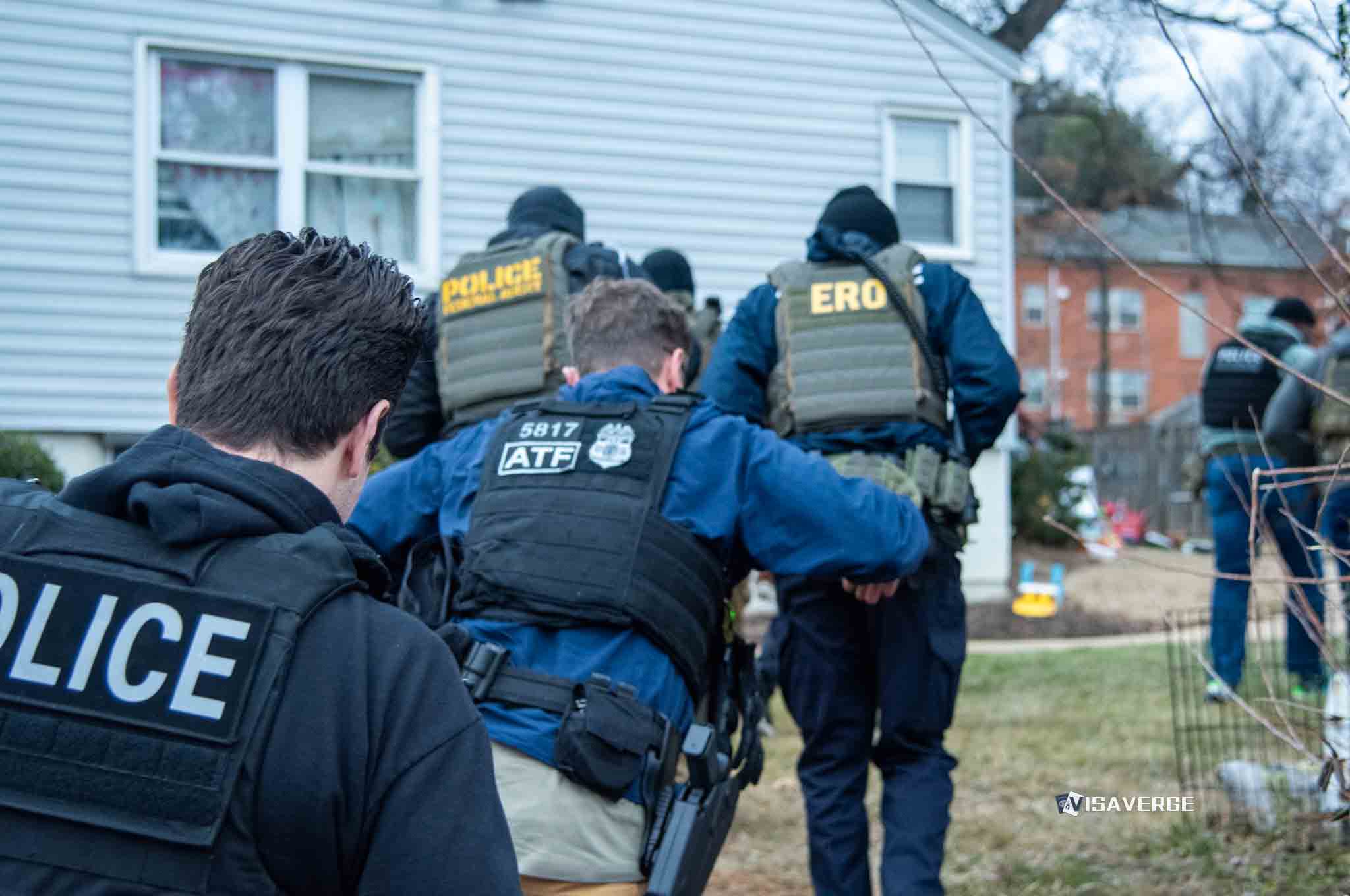
In public reporting, “street arrests” typically means ICE arrests made in public spaces or community settings, rather than transfers from local jails.
They can include arrests near homes, workplaces, transit hubs, and commercial corridors. They often involve plainclothes officers and unmarked vehicles, although agencies do not always describe operations that way.
In the greater New York City area, street arrests increased dramatically when comparing the final six months of the prior administration to the first six months of the second Trump administration.
Three themes recur in explanations for the shift. First is a tougher policy posture on who is a priority for arrest.
Second is resourcing, including staffing and detention capacity. Third is operational tempo, including broader field activity and more frequent encounters.
2. Official Statements and Quotes (Dates and Claims)
Several official statements describe the administration’s goals and metrics. These statements often rely on national-level totals and broad categories that may not track neatly with local experience.
A DHS statement dated January 20, 2026 attributed “record-breaking” results to the administration’s approach. It referenced removals and “self-deportations.”
Those terms can be used differently across contexts. “Removals” typically refers to formal removals under a removal order. “Returns” can mean different processing. “Encounters” is a border metric. Readers should look for definitions in the underlying release.
An ICE announcement dated January 3, 2026 described a major hiring and manpower expansion. Staffing claims can be accurate in the aggregate but still translate unevenly by field office.
They can also reflect temporary details from other agencies.
A July 23, 2025 DHS press release described a surge in ICE detainers in New York City. Detainers are requests to local agencies. In sanctuary jurisdictions, compliance is often limited by local law or policy.
That can push ICE toward more street arrests, because fewer people are transferred from local custody.
A October 22, 2025 DHS newsroom statement tied a high-profile Manhattan operation to public-safety messaging. That framing often emphasizes “worst of the worst,” even when local arrest patterns may include many people without convictions.
The key interpretive point is simple. National claims can rise or fall while local impacts still intensify. That is especially true when field offices change tactics.
Warning: Press releases may cite totals without explaining the baseline or the definition. Always check whether a number is national, statewide, or field-office specific.
3. Key Statistics and Policy Details
Mechanically, sharp increases in street arrests can occur when three things happen together: fewer limits on who officers may arrest, more officers conducting field operations, and more detention capacity to hold people after arrest.
From targeted enforcement to broader arrests. When policy guidance treats a larger pool of undocumented people as arrestable priorities, field operations tend to sweep more broadly. This can include “collateral” arrests, meaning people encountered during an operation who were not the original target.
This matters because collateral arrests can reach households and workplaces that were not otherwise on ICE’s radar.
Arrests involving people without convictions. The reported statistic that a large share of statewide arrests involved people with no criminal convictions or pending charges signals a different risk distribution.
It means lawful permanent residents, visa holders, and undocumented residents may all face heightened scrutiny during encounters, even if they have no criminal history.
For some Chinese nationals in New York City, that can intersect with pending asylum claims or work authorization issues, and create confusion about whether an arrest is “about” status, paperwork, or something else.
Concentration in the NYC Field Office. The reported share of statewide arrests attributed to the NYC Field Office suggests enforcement concentration.
Concentration can reflect staffing, leadership priorities, or local conditions, including limits on detainer cooperation.
Detention capacity and “bed” targets. The reported growth in the national detained population, and the reported bed target, matter because detention space affects decisionmaking.
If detention space expands, ICE may be more likely to detain after arrest, rather than release on alternatives. Detention authority generally arises under INA § 236 for people in removal proceedings.
Some people may seek release on bond before an immigration judge under 8 C.F.R. § 1003.19, though eligibility varies.
Personnel diversion. Reports of personnel detailed from other federal agencies may change operational capacity and tempo. It may also raise training and oversight questions, because civil immigration arrests are governed by constitutional limits and DHS regulations.
Warning: An ICE arrest does not require a criminal conviction. Civil immigration arrests are authorized by statute, but they remain subject to constitutional rules and agency regulations.
4. Context and Local Impact in NYC
New York City’s sanctuary policies generally limit local cooperation with federal civil immigration enforcement in certain settings. Those limits may reduce ICE’s ability to conduct “jail-based” transfers, which can indirectly increase street enforcement.
When federal guidance loosens or ends priorities tied to criminal history, more people become potential targets. That shift can be felt in day-to-day life.
Residents may report more ICE presence near transit, outside large employers, or around commercial areas.
Local policies can also shape the information environment. City officials and advocacy groups sometimes encourage residents to report ICE activity or potential civil rights violations. Such portals can serve documentation goals and public awareness. They cannot stop federal enforcement.
Federal authority to arrest derives from INA § 287(a), though it is bounded by the Fourth Amendment and implementing regulations such as 8 C.F.R. § 287.8.
NYC’s political conflict with the federal government also affects messaging. Federal officials may emphasize public safety and detainers. City officials may emphasize community trust and service access. Both narratives can be true from their own premises.
5. Impact on Affected Individuals and Communities
Heightened street enforcement tends to change behavior fast. Community groups often report that families avoid schools, clinics, and community centers.
Even when a person has a strong immigration claim, fear of an encounter can lead to missed appointments and delayed care.
Employers and small businesses can feel secondary effects. In immigrant-heavy corridors, enforcement activity can reduce foot traffic and make workers reluctant to commute.
For street vendors and small storefronts, even a brief operation can disrupt income and staffing.
For Chinese communities in New York City, including Chinatown, the effects may intersect with language access needs and fear of interacting with authorities.
People with pending asylum cases, family petitions, or employment-based filings may worry that any encounter will derail the process. That fear is not always legally accurate, but it is understandable.
Reports have also cited deaths in custody or during operations. Those allegations are serious. They should be evaluated with care, because official confirmation and causation details can take time to establish.
Community members and counsel should preserve documents and identify the detaining facility promptly when someone is taken into ICE custody.
Deadline: Many immigration court filings have short deadlines, including motions to reopen and asylum-related schedules. If someone is detained, seek counsel immediately to avoid missed dates.
6. Official Government Sources and Data Access
Readers can and should verify claims through primary sources. The most direct starting points are DHS and ICE newsroom pages and ICE’s Enforcement and Removal Operations statistics.
When reviewing an official page, focus on three items. First is the publication date. Second is the definition of the metric. Third is whether the number is national, regional, or field-office specific.
Save PDFs or screenshots of pages you rely on, because public webpages can change.
Case analysis: Why Matter of Barcenas matters in a street-arrest moment
Barcenas is not about New York City specifically. It is about what respondents must do to suppress evidence in immigration court.
The BIA held that a respondent who seeks to suppress evidence must come forward with proof. Conclusory allegations are not enough to force the government to justify the arrest. Matter of Barcenas, 19 I&N Dec. 609 (BIA 1988).
That rule has practical consequences in street-arrest cases. Many people have no recordings, no badge numbers, and no witnesses. Some are transported quickly. Some do not receive paperwork that clearly explains why they were stopped.
Without specific facts, immigration judges may deny suppression motions without a full evidentiary hearing.
How the Second Circuit can matter
Federal circuit law can influence suppression standards. New York is in the Second Circuit.
The Second Circuit recognizes suppression in removal proceedings for “egregious” Fourth Amendment violations, and it has addressed how affidavits and factual proffers can trigger hearings.
See, for example, Almeida-Amaral v. Gonzales, 461 F.3d 231 (2d Cir. 2006) and Cotzojay v. Holder, 725 F.3d 172 (2d Cir. 2013). Other circuits apply related but sometimes different formulations, creating real variation by geography.
Practical takeaways for NYC residents, employers, and families
- Ask immediately where the person is being held and get the A-number. Detention decisions can move quickly.
- Document the encounter while memories are fresh. Note time, place, agents’ statements, and witnesses.
- Do not assume “no criminal record” prevents arrest. Civil enforcement can still proceed.
- If the person has a pending asylum claim or other application, tell counsel at once. Timing and posture matter.
- If there are signs of an unlawful stop or coercion, speak with an attorney about a suppression strategy under Barcenas and Second Circuit law.
Given the stakes in detention and removal, and the fast timelines after arrest, individuals should consult a qualified immigration attorney as soon as possible.
Legal Disclaimer: This article provides general information about immigration law and is not legal advice. Immigration cases are highly fact-specific, and laws vary by jurisdiction. Consult a qualified immigration attorney for advice about your specific situation.